A Complete Guide to the History and Highlights of Tomishige Castle (Yonago City, Tottori Prefecture) | A Medieval Mountain Castle Associated with the Yamana Clan
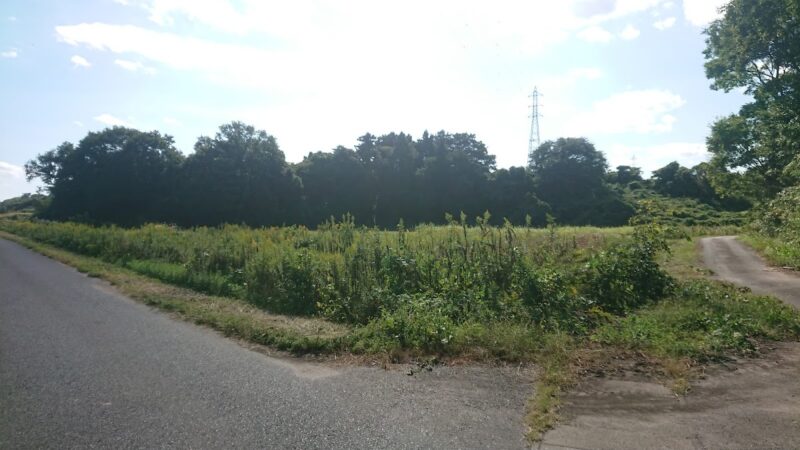
Located in Yonago City, Tottori Prefecture, Tomishige Castle is a medieval mountain castle that still retains traces of the Sengoku period. Built as a natural stronghold nestled between the Motomiya River and a valley, this castle played an important role in the Sengoku history of the San’in region. Although the site is now farmland, the terrain reveals the defensive system of the time.
Historical Background of Tomishige Castle
Relationship between the Castle’s Construction and the Yamana Clan
Tomishige Castle is said to have been the residence of warlords associated with the Yamana clan during the Sengoku period. The Yamana clan was a powerful shugo daimyo (provincial governor) in the San’in region from the Muromachi period to the Sengoku period, boasting such power that they were sometimes called “Rokubun-ichi-dono” (Lord of Six-tenths).
The area around Yonago, where Tomishige Castle was built, was an important transportation hub in Hoki Province (present-day central-western Tottori Prefecture), located on a route connecting the San’in and Sanyo regions. Therefore, a mountain castle was needed as a base for regional control.
Role in the Sengoku Period
During the Sengoku period, the San’in region was a fierce battleground where various forces, such as the Amago, Mori, and Yamana clans, were intricately intertwined. Tomishige Castle is believed to have functioned as a regional defensive stronghold in these conflicts between Sengoku daimyo.
Especially in the 16th century, the Amago clan of Izumo and the Mori clan of Aki fiercely contested control of Hoki Province, and even small mountain castles in this region held strategic importance. It is presumed that Tomishige Castle also played a role in regional control amidst this turmoil of the Sengoku period.
Geographical Characteristics of Tomishige Castle
Location as a Natural Fortress
The most distinctive feature of Tomishige Castle lies in its location. The terrain, nestled between the Motomiya River and a valley, is truly worthy of being called a natural stronghold.
Mountain castles are generally built utilizing the following topographical features:
- Natural moat formed by a river: The Motomiya River functions as a natural defensive line.
- Demarcation by valleys: Valleys on both sides make it difficult for enemies to approach.
- Elevation difference: Provides good visibility and defensive advantages.
- Limited access routes: Restricts the attacker’s options.
Tomihige Castle was built in an ideal location that met these conditions, and is a fine example of medieval castle-building techniques and the understanding of terrain.
Location in Yonago City
Tomihige Castle is located somewhat away from the current urban area of Yonago City, Tottori Prefecture. While Yonago City developed as a castle town centered around Yonago Castle during the Edo period, in the preceding Sengoku period, small mountain castles like Tomishige Castle were scattered throughout the area, forming a regional defense network.
Many other medieval mountain castle ruins remain around Yonago, offering insights into the regional governance of the time. Tomishige Castle, as one of these mountain castles, is an important site for understanding the Sengoku period history of the Yonago region.
Current Status and Remains of Tomishige Castle
Current Castle Site
Currently, the site of Tomishige Castle is used as farmland. This is a common situation for many medieval mountain castles in Japan. During the modernization process after the Meiji era, many mountain castle sites were converted into farmland or residential areas.
While most of the original remains have been lost due to the use of farmland, the topography itself has not changed significantly, making it possible to infer the castle’s layout (the blueprint of the castle). The arrangement of the former baileys (flat sections) can be deciphered from the undulations and elevation changes of the terrain.
Identifiable Remains
At Tomishige Castle, traces of the castle can be identified through the following elements:
- Topographical Elevations: Traces of artificially created flat surfaces
- Remnants of Earthworks: Slightly remaining mounds of earth
- Possible Moats: Remains of defensive structures cutting across ridges
- Utilization of Natural Topography: Defensive lines utilizing valleys and rivers
Medieval mountain castles generally relied on earthworks and moats rather than stone walls. Therefore, remains are often unclear in modern times, but careful observation can reveal the ingenuity of the time.
Points to Note When Visiting Tomishige Castle
Access Method
Access to Tomishige Castle is generally by car from Yonago city center. Public transportation is limited, so renting a car or taking a taxi is recommended.
Since the area around the castle ruins is likely private property, please observe the following points when visiting:
- Be considerate and avoid interfering with farm work.
- Do not damage crops or farmland.
- Always take your trash with you.
- Be sure to greet local residents.
Best Season for Visiting
The following seasons are recommended for visiting Tomishige Castle:
Spring (March-May)
- Mild weather and easy to walk around.
- Beautiful fresh greenery, ideal for photography.
Autumn (September-November)
- Moderate temperature, comfortable for long walks.
- Beautiful autumn foliage.
- Clear air allows for enjoyable panoramic views.
In summer, vegetation can be overgrown, making observation of the ruins difficult. Also, in winter, there is a possibility of snowfall, so checking the weather beforehand is important.
Nearby Historical Spots
Yonago Castle Ruins
When visiting Tomishige Castle, we highly recommend also visiting the Yonago Castle Ruins. Yonago Castle is a modern Edo-period castle, and the view from its keep is magnificent, offering a panoramic view of Yonago city, Mt. Daisen, and Lake Nakaumi.
By comparing Tomishige Castle, a medieval mountain castle, with Yonago Castle, a modern flatland castle, one can appreciate the changes in castle construction techniques over time.
Other Mountain Castles in Hoki Province
Many other medieval mountain castle ruins remain around Yonago:
- Odaka Castle: A mountain castle where a senior retainer of the Yamana clan resided
- Yodoe Castle: One of the important strongholds of Hoki Province
- Hagoromoishi Castle: Known as the base of the Nanjo clan
By visiting these mountain castles, one can gain a deeper understanding of the power distribution and defense systems in Hoki Province during the Sengoku period.
The Yamana Clan and the Sengoku History of San’in
The Rise of the Yamana Clan
The Yamana clan was a powerful daimyo family that boasted such influence during the Muromachi period that they were known as the “Six-tenths Lord.” The Yamana clan held the position of governor of 11 of the 66 provinces of Japan, and were in a powerful position within the Muromachi Shogunate.
The Yamana clan’s base was in Tajima Province (present-day northern Hyogo Prefecture), but they expanded their influence widely throughout the San’in region, including Hoki Province, Inaba Province (present-day eastern Tottori Prefecture), and Izumo Province. This historical background explains why Tomishige Castle is considered a castle associated with the Yamana clan.
The Ōnin War and the Decline of the Yamana Clan
During the Ōnin War (1467-1477), Yamana Sōzen (Mochitoyo) played a key role as the commander-in-chief of the Western Army. However, after the war, the Yamana clan’s power gradually declined, and during the Sengoku period, local lords who strengthened their independence rose to prominence in various regions.
The mountain castles of Hōki Province, including Tomishige Castle, are important legacies that illustrate the realities of regional control during the Sengoku period.
Characteristics of Medieval Mountain Castles and Tomishige Castle
Structure of Medieval Mountain Castles
Medieval mountain castles differ significantly from the stone-walled castles of the early modern period. Their main characteristics are as follows:
Defensive Structures
- Earthworks: Defensive walls made of piled-up earth
- Moats: Ditches cutting across ridges
- Vertical Moats: Vertical moats dug into slopes
- Cut Slopes: Steeply carved slopes
Residential Facilities
- Enclosures: Flat, leveled areas
- Main Enclosure: The central area where the lord’s residence was located
- Building Remains: Traces of post-and-beam buildings
Tomishige Castle is believed to have possessed this typical medieval mountain castle structure.
Utilization of Natural Fortifications
The greatest characteristic of Tomishige Castle is its maximum utilization of natural terrain. By using the natural defensive line of the Motomiya River and valleys, it achieved high defensive capabilities while minimizing the need for artificial defensive structures.
This was fundamental to medieval castle construction, where the ability to “read the terrain” determined the strength of a castle. Tomishige Castle is a prime example of a castle that faithfully put this principle into practice.
Historical Value of Tomishige Castle
Importance in Local History
Although Tomishige Castle is not large in scale, it possesses historical value in the following respects:
- Exhibits the Reality of Regional Control in the Sengoku Period: As a small to medium-sized mountain castle where a local influential figure resided, rather than the main castle of a daimyo, it tells the story of the power structure of the time.
- Exhibits the Sphere of Influence of the Yamana Clan: As a castle associated with the Yamana clan, it demonstrates the Yamana clan’s influence in the San’in region.
- A Typical Example of a Natural Fortress: As a good example of castle construction techniques that utilized the terrain, it has value from the perspective of castle research.
- Conveys the Sengoku History of the Region: One of the essential historical sites for understanding the Sengoku period around Yonago.
Challenges of Preservation and Utilization
Currently, the Tomishige Castle site is used as farmland, and the state of preservation of the remains is not necessarily good. However, this is a common challenge faced by many medieval mountain castles in Japan.
The following initiatives are expected in the future:
- Creation of a detailed survey map of the castle grounds
- Preservation activities in cooperation with local residents
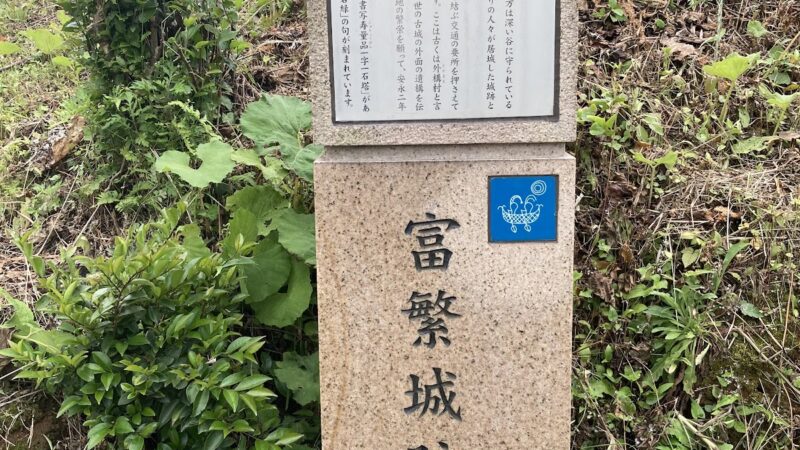
- Raising awareness of historical value through the installation of information boards
- Utilization in local history education
The History of Tomishige Castle and Yonago
The Development of Yonago and the Evolution of Castles
The history of Yonago is intertwined with the evolution of its castles. During the Sengoku period (Warring States period), mountain castles like Tomishige Castle were scattered throughout the region, playing a crucial role in its defense. Later, during the Edo period, Yonago Castle was built, and the area developed into a castle town.
This change reflects the social shift from the Sengoku period to the Edo period. During times of war, castles were built in easily defensible locations on mountaintops, while in times of peace, they were moved to locations closer to the plains, becoming the political and economic center.
Mountain Castles as a Local Memory
Tomishige Castle is now farmland, making it difficult to imagine its former appearance. However, the memory of the Sengoku period is certainly etched into its topography.
Understanding local history is a crucial element in shaping our identity. Even small mountain castles like Tomishige Castle are valuable legacies that tell the story of local history and are worth passing on to future generations.
Summary
Tomishige Castle is a Sengoku period mountain castle located in Yonago City, Tottori Prefecture. Built as a natural stronghold nestled between the Motomiya River and a valley, it is said to have been the residence of samurai associated with the Yamana clan.
Although now farmland, its topography offers insights into medieval castle construction techniques and the regional governance practices of the Sengoku period. While not large in scale, its importance to local history is undeniable.
When visiting Yonago, consider checking the location of Tomishige Castle along with the Yonago Castle ruins, and reflecting on the transformation of castles from the Sengoku period to the Edo period. Standing on the now-farmed hillside and gazing at the Motomiya River and valley, you’ll truly feel the significance of this once strategically important location.
Tomishige Castle may not be a glamorous tourist destination, but it is a valuable legacy that quietly tells the story of history. For those interested in local history or medieval mountain castles, this is a place well worth visiting.