Complete Guide to Tatsuno Castle (Hyogo Prefecture): A Thorough Explanation of the History, Highlights, and Access Information of Kajo Castle
Located in Tatsuno City, Hyogo Prefecture, Tatsuno Castle is a historically significant castle situated in a castle town known as “Harima’s Little Kyoto.” Its beautiful appearance, often shrouded in mist, has earned it the nickname “Kajo” (Mist Castle). It attracts many tourists as a famous spot for cherry blossoms in spring and autumn foliage. This article thoroughly explains the charm of this historic castle, covering its history, architectural features, highlights, and surrounding tourist attractions.
What is Tatsuno Castle?: An Overview of a Castle with Two Eras
Tatsuno Castle, located in Kami-Kajo, Tatsuno-cho, Tatsuno City, Hyogo Prefecture, is a Japanese castle whose history can be divided into two periods: a mountain castle on the summit of Mt. Keirozan and a flatland castle at its current location. This two-period structure is Tatsuno Castle’s most distinctive feature and a valuable historical heritage site that tells the story of the evolution of castle architecture from the Sengoku period to the Edo period.
The castle was located in Ibo District (later Ibeshi District) of Harima Province, near the Ibo River, and played an important role as a key point for water transport and transportation. The current Tatsuno Castle was restored in 1979, with the main keep, white castle walls, multi-story turrets, buried gate, and corner turrets reconstructed based on original drawings.
History of Tatsuno Castle: From the Sengoku Period to the Edo Period
Construction of Keirozan Castle and the Akamatsu Clan Era
The history of Tatsuno Castle dates back approximately 500 years to 1499. It began when Akamatsu Murahide of the Tatsuno Akamatsu clan, who resided at Shioya Castle, built a mountain castle on the summit of Keirozan Mountain. The Akamatsu clan was a prestigious samurai family that wielded considerable power in the Harima region from the Muromachi period to the Sengoku period. For four generations, starting with Akamatsu Murahide, they used this mountain castle as their residence.
Keirozan Castle is a typical mountain castle built on a mountaintop approximately 218 meters above sea level, possessing a highly defensive structure that utilized the steep terrain. During the turbulent Sengoku period, this mountain castle functioned as the Akamatsu clan’s power base and became one of the political and military centers of the Harima region.
Bloodless Surrender by Toyotomi Hideyoshi
In 1577 (Tensho 5), Toyotomi Hideyoshi (then known as Hashiba Hideyoshi), aiming for the unification of Japan, launched an invasion of Harima, bringing a major turning point to Tatsuno Castle. Faced with Hideyoshi’s overwhelming military power, the Akamatsu clan surrendered the castle without resistance. This bloodless surrender saved Tatsuno Castle from further warfare, leading to its subsequent history.
After Hideyoshi’s conquest of Harima Province, Tatsuno Castle became a crucial stronghold under the Toyotomi regime, and various warlords were appointed as its lords. During this period, the castle’s structure and functions are believed to have changed in accordance with the demands of the times.
Edo Period: Relocation to a Hilltop Castle and the Entry of the Wakizaka Clan
With the arrival of the Edo period, Tatsuno Castle underwent a major transformation. In 1672, Wakizaka Yasumasa was appointed from Iida in Shinshu Province with a stipend of 53,000 koku, and relocated and rebuilt the castle from its original mountain castle on Mt. Keiro to its current location as a hilltop castle at the foot of the mountain.
Wakizaka Yasumasa was the grandson of Wakizaka Yasuharu, who distinguished himself in the Battle of Sekigahara, and is known as the founder of the Tatsuno Domain. Yasumasa’s reconstruction of Tatsuno Castle symbolized the shift from a mountain castle of the Sengoku period to a castle serving as a government center during the peaceful Edo period.
The Wakisaka clan ruled the Tatsuno Domain for approximately 200 years until the Meiji Restoration, dedicating themselves to the development of the castle town and the promotion of its culture. The atmosphere of the castle town, formed during this period, is still cherished today by many as “Harima’s Little Kyoto.”
Architectural Features of Tatsuno Castle: An Elegant Palace-Style Castle
Palace-Style Castle Without a Main Tower
The most distinctive architectural feature of Tatsuno Castle is its palace-style architecture, lacking a main tower. Unlike the typical image of a castle, Tatsuno Castle centers around the elegant Honmaru Palace, a single-story building with a hipped and gabled roof and tiled roof.
This palace-style architecture reflects the peaceful Edo period, prioritizing functionality as a place for administrative affairs and daily life over military defense. Combined with its white castle walls, Tatsuno Castle is known not as a rugged fortress, but as a castle of refined beauty.
Restored Major Structures
Thanks to the restoration work completed in 1979 (Showa 54), the following structures can now be seen at Tatsuno Castle:
Honmaru Goten: The central building of the castle, and it is possible to tour the interior. You can experience the living space of the feudal lord during the Edo period, with tatami-floored rooms and sliding screen paintings.
Tamon Yagura: A long, barrack-like turret built along the castle wall, serving both defensive and warehouse functions.
Uzumimon: A gate embedded within the stone wall, demonstrating a design that enhanced defensive capabilities.
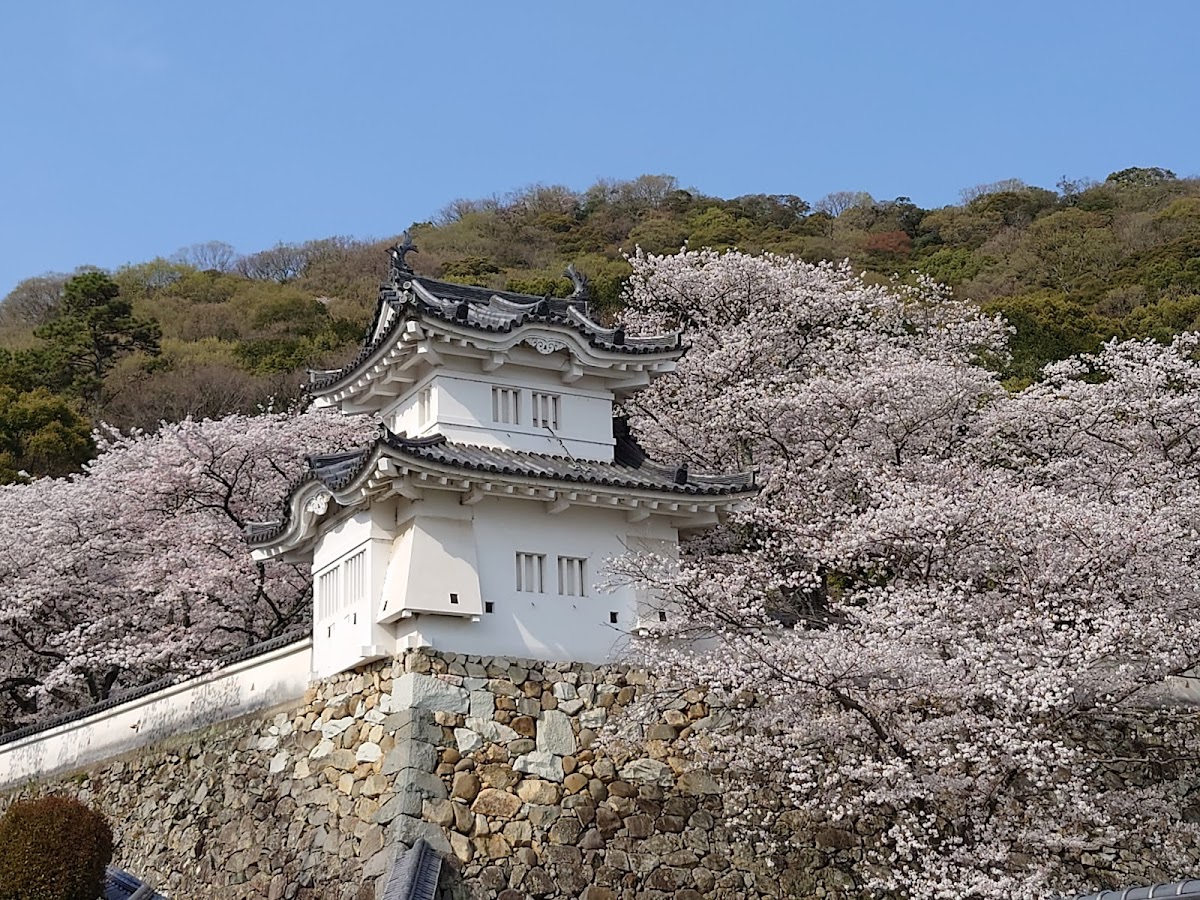
Sumi Yagura: Turrets located at the four corners of the castle, functioning as lookout and defensive bases.
White Castle Walls: The beautiful white walls, painted with plaster, accentuate the elegant impression of Tatsuno Castle.
These structures have been faithfully restored based on Edo period drawings and documents, making them valuable relics that convey the appearance of Tatsuno Castle in its heyday.
Highlights of Tatsuno Castle: Beauty in Every Season
Spring Cherry Blossoms: A Famous Cherry Blossom Spot
Tatsuno Castle is known as a famous cherry blossom spot in Hyogo Prefecture. In spring, approximately 100 Somei Yoshino cherry trees bloom within and around the castle grounds, creating a magnificent contrast between the white castle walls and the pink blossoms.
The row of cherry trees in front of the main keep is a particularly excellent photo spot, attracting many tourists and photography enthusiasts. The trees are sometimes illuminated at night, allowing visitors to enjoy the magical sight of cherry blossoms after dark.
Autumn Foliage: Harmony of Nature and History
In autumn, the trees within the castle grounds change color, making it a popular spot for viewing autumn foliage. Especially when climbing the mountain path up Mt. Keiro, visitors can simultaneously enjoy the beauty of nature adorned with autumn leaves and the historical atmosphere of the mountain castle ruins.
The greenery within the castle grounds is also beautiful, and the charm of Tatsuno Castle lies in its harmonious blend of nature and history throughout the four seasons.
Keirozan Castle Ruins: Remains of a Mountain Castle from the Late Muromachi Period
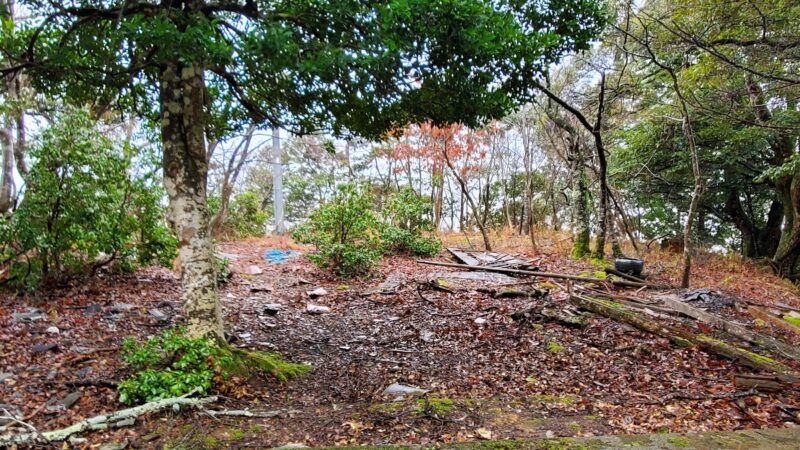
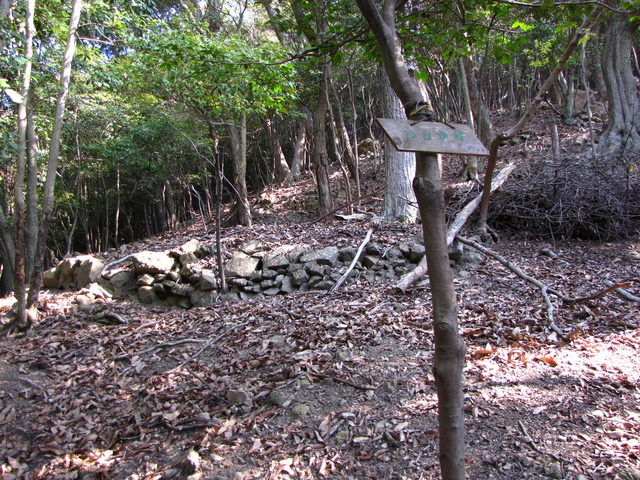
By climbing from the current Hirayama Castle to the summit of Keirozan Mountain, you can see the remains of a mountain castle built in the late Muromachi period. The hike to the 218-meter-high summit takes about 30 minutes, and along the way, you can see remnants of stone walls and baileys.
From the summit, a spectacular view unfolds, overlooking Tatsuno city, the Ibo River, and even the Seto Inland Sea, allowing you to understand why the former lords chose this location. As a valuable historical site where you can learn about the structure of a Sengoku period mountain castle, it is especially recommended for history enthusiasts.
History of Successive Castle Lords and the Tatsuno Domain
Tatsuno Castle was ruled by various lords throughout history. Here is an introduction to the main castle lords throughout history:
Akamatsu Clan Era (1499-1577)
- Akamatsu Murahide: Builder of Keirozan Castle
- The Akamatsu clan served as castle lords for four generations thereafter.
Toyotomi Regime and Early Edo Period
After Toyotomi Hideyoshi’s conquest of Harima Province in 1577, various warlords were appointed as castle lords. Warlords loyal to the Toyotomi, such as Kinoshita Shigekata and Fukushima Masayuki (younger brother of Fukushima Masanori), governed the castle.
Wakisaka Clan Era (1672-Meiji Restoration)
Wakisaka Yasumasa: In 1672, he was transferred from Iida in Shinshu Province and became the founder of the Tatsuno Domain with a 53,000 koku stipend. He relocated and rebuilt the castle on a hilltop.
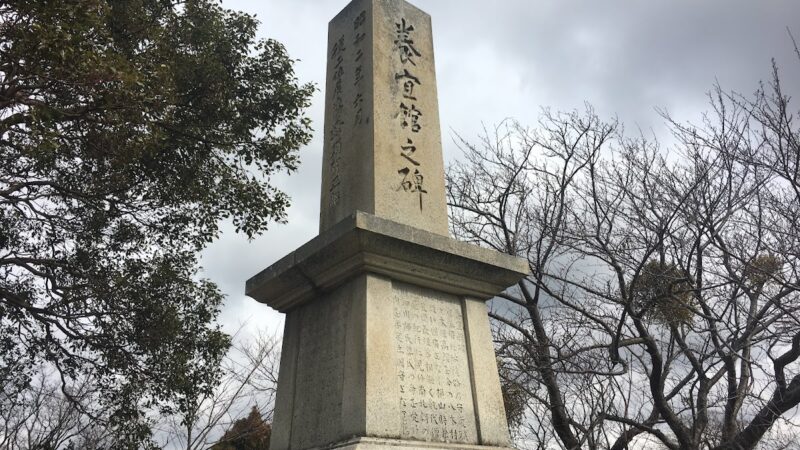
Then, the Wakisaka clan ruled the Tatsuno Domain for approximately 200 years until the Meiji Restoration. The Wakisaka clan valued both literary and martial arts, and dedicated themselves to the promotion of education and culture, including establishing the domain school “Yōseikan.” This cultural accumulation during this period forms the foundation of present-day Tatsuno, known as “Harima’s Little Kyoto.”
Nearby Tourist Spots: Exploring Harima’s Little Kyoto
If you visit Tatsuno Castle, be sure to also explore the surrounding historical tourist spots.
Tatsuno Castle Town
Around Tatsuno Castle lies a castle town that retains the atmosphere of the Edo period. White-walled samurai residences and old townhouses line the streets, creating a charming landscape often referred to as “Harima’s Little Kyoto.” In particular, it is known as the birthplace of light soy sauce, and soy sauce breweries such as Higashimaru Soy Sauce and Tatsuno Soy Sauce are scattered throughout the area.
Tatsuno Historical and Cultural Museum
Adjacent to Tatsuno Castle, the museum exhibits the history and culture of Tatsuno. You can learn about the detailed history of Tatsuno Castle, materials related to the Wakisaka clan, and the development of the castle town. ### Hashizaki Byobu-iwa (Folding Screen Rocks)
A natural landscape located along the Ibo River, close to Tatsuno Castle. Characterized by its rock formations resembling a folding screen along the riverbank, it’s a spot where you can enjoy the beauty of natural formations.
Kamo Shrine
A shrine that has long been revered as the guardian shrine of Tatsuno. The Kamo Shrine Autumn Festival is held in autumn, featuring traditional events such as the parade of festival floats.
Nyora-ji Temple
An ancient Rinzai Zen temple and the family temple of the Wakisaka clan, lords of the Tatsuno domain. The temple grounds contain the Wakisaka family’s tombs, and it is known as a temple of high historical value.
Access: How to Get to Tatsuno Castle
Access by Train
From JR Kishin Line “Hon-Tatsuno Station”
- Approximately 20 minutes on foot
- Approximately 5 minutes by taxi
From JR Sanyo Main Line “Tatsuno Station”
- Approximately 15 minutes by taxi
- Bus service is also available
Hon-Tatsuno Station on the Kishin Line is the nearest station, and the castle is within walking distance from the station. Walking from the station through the castle town is also recommended.
Access by Car
From Sanyo Expressway “Tatsuno IC”
- Approximately 10 minutes
From Sanyo Expressway “Tatsuno-Nishi IC”
- Approximately 15 minutes
Tatsuno Castle has a free parking lot, making it convenient to access by car. The castle is just a few minutes’ walk from the parking lot.
Address
128-1 Kamikasumi-jo, Tatsuno-cho, Tatsuno City, Hyogo Prefecture 679-4179
Visitor Information: Opening Hours and Fees
Opening Hours
Hours for viewing the interior of the Honmaru Palace:
- 10:00 AM – 4:00 PM (Last entry at 3:30 PM)
While you are generally free to explore the castle grounds, there are time restrictions for viewing the interior of the Honmaru Palace.
Closed Days
- Mondays (or the following day if Monday is a public holiday)
- New Year’s Holidays (December 29th – January 3rd)
Admission Fee
Viewing the interior of the Honmaru Palace is free. Exploring the castle grounds is also free.
Facility Information
- Parking: Free parking available
- Restrooms: Public restrooms available within the castle grounds
- Rest Area: Rest area available within the castle grounds
- Barrier-Free Access: Partially barrier-free (prior confirmation recommended)
Event Information: Major events held at Tatsuno Castle
Cherry Blossom Festival (Spring)
The Cherry Blossom Festival is held around Tatsuno Castle to coincide with the cherry blossom season. Nighttime illuminations and various events are held, attracting many visitors.
Tatsuno Castle Town Autumn Festival (Autumn)
This traditional festival, held in mid-October, features traditional performances such as float processions and lion dances. The entire castle town is enveloped in a festive atmosphere, making it the liveliest time of the year.
Autumn Foliage Illumination (Autumn)
During the autumn foliage season, nighttime illumination events are sometimes held. Enjoy the fantastic scenery of the castle and autumn leaves illuminated by lights.
For event details and dates, we recommend checking the latest information on the Tatsuno City Tourism Association’s official website.
How to Enjoy Tatsuno Castle: Recommended Itineraries
Historical Walking Course (Duration: Approx. 2 hours)
- Arrive at Tatsuno Castle parking lot
- Visit the main palace and castle grounds (30 minutes)
- Hike to the Keirozan Castle Ruins (60 minutes round trip)
- Stroll through the castle town (30 minutes)
Family-Friendly Course (Duration: Approx. 1 hour)
- Enjoy the cherry blossoms and autumn leaves within the castle grounds
- Visit the main palace
- Take commemorative photos on the castle walls
- Take a break at a nearby park
Photo Spots
- Main Palace and Cherry Blossoms: A classic spring photo spot
- White Castle Walls: Beautiful white walls against a blue sky
- View from the Buried Gate: The composition of the castle walls and gate is striking
- Summit of Keirozan Mountain: A spectacular viewpoint overlooking Tatsuno city
Points to Note When Visiting Tatsuno Castle
Clothing and Items to Bring
When climbing to the ruins of Keirozan Castle, comfortable clothing and walking shoes are essential. While the mountain trails are well-maintained, there are steep slopes, so trekking shoes or sneakers are recommended. In summer, bring insect repellent and drinking water.
Seasonal Highlights
- Spring (late March to early April): Cherry blossoms are in full bloom, making it the busiest time for tourists.
- Summer (June to August): The fresh greenery is beautiful, and it’s relatively less crowded.
- Autumn (late October to mid-November): The autumn leaves are at their peak, and the autumn festival is held.
- Winter (December to February): Fewer tourists, allowing for a quiet and peaceful experience of history.
Photography
Photography is generally permitted within the castle grounds, but there are some areas inside the main palace where photography is prohibited. Commercial photography and drone use require prior permission.
Summary: Rediscovering the Charm of Tatsuno Castle
Tatsuno Castle is a valuable historical heritage site that embodies the evolution of Japanese castle history, from mountain castles of the Sengoku period to flatland castles of the Edo period. Its unique architectural style, a palace-style structure without a main keep, its beautiful white walls, and the harmonious landscape blending with the beauty of nature throughout the seasons continue to captivate visitors.
The charm of the castle town, often called “Harima’s Little Kyoto,” the breathtaking views from the summit of Mt. Keiro, the natural beauty of cherry blossoms in spring and autumn leaves in fall, and the cultural atmosphere cultivated by the Wakisaka clan over 200 years—Tatsuno Castle and its surroundings are filled with elements that allow us, living in the modern age, to connect with history and nature and enrich our hearts.
When visiting Hyogo Prefecture, be sure to visit Tatsuno Castle and experience its historical value and beauty. Unlike large castles such as Himeji Castle, Tatsuno Castle possesses an elegant and tranquil atmosphere, making it a special place that teaches us about the diversity and depth of Japanese castles.
Tatsuno Castle, a treasure trove of Tatsuno City’s rich history and culture, has been carefully preserved by the local people. We hope this article will help make your visit to Tatsuno Castle even more fulfilling.