Complete Guide to Saginomori Castle (Ehime Prefecture) | Thorough Explanation of History, Remains, and Access
What is Saginomori Castle?
Saginomori Castle (Saginomori-jo) was a flatland castle that once existed in Nyugawa, Saijo City, Ehime Prefecture. Also written as Saginomori Castle or Saginomori Castle, it was an important base built by the Kono clan, the shugo (military governor) of Iyo Province, to control the eastern Iyo region. Currently, it is the grounds of Saginomori Shrine, and only a few remains are left, but it is an indispensable castle when discussing the medieval history of Iyo Province.
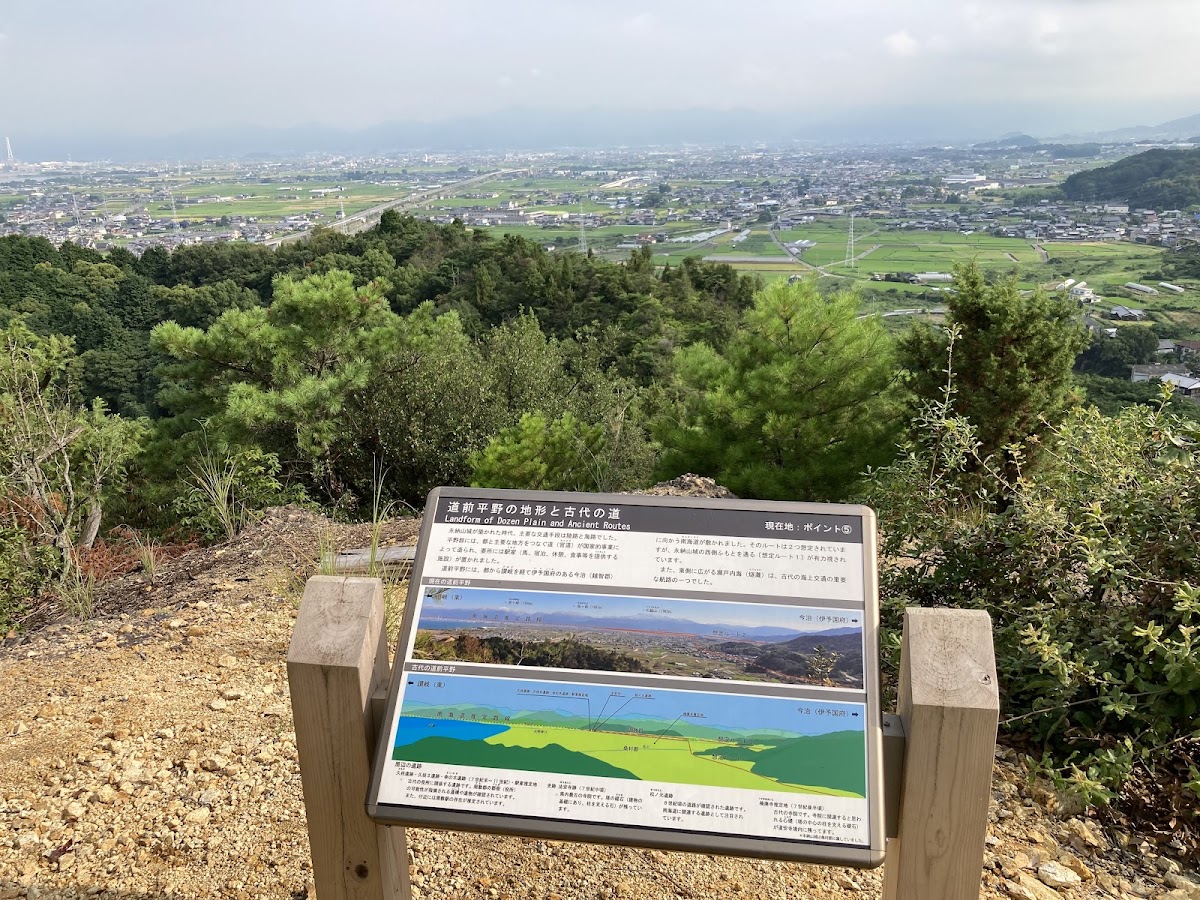
Located on a flat area near the coast facing the Hiuchi Sea, it functioned as a strategic point controlling both maritime traffic in the Seto Inland Sea and land routes. From its construction during the Oei era (1394-1428) until Toyotomi Hideyoshi’s conquest of Shikoku in 1585, Saginomori Castle played a crucial role as the political and military center of eastern Iyo Province for approximately 200 years.
History of Saginomori Castle
Construction History and Background
Saginomori Castle was built in November 1394 by order of Kono Michiyuki, the governor of Iyo Province. The Kono clan was a prominent family in Iyo Province, controlling most of the province from the Nanboku-cho period to the Sengoku period.
The purpose of its construction was to pacify the various districts of Dozen (the eastern Iyo region). Kono Michiyuki confiscated 1,000 kan of land in Mibugawa-go (Mibugawa, Enkaiji, Myorigawa, and Kitadai), which was a sacred territory, and relocated his relative, Kuwabara Kawachi-no-kami Michioki, to build a castle there. Kuwabara Michioki was a powerful warrior, counted among the “Eighteen Generals of Kono,” and originally had Kuwabara Castle (present-day Kuwabara, Matsuyama City) as his base.
With this castle construction, the Kono clan established two major bases in Iyo Province: Yuzuki Castle in western Iyo Province (present-day Matsuyama City) and Saginomori Castle in eastern Iyo Province, strengthening their control over the entire region. In particular, controlling the eastern Iyo region was a crucial issue, as it was divided among independent local lords such as the Kaneko and Kurokawa clans.
Rule by the Mibugawa Clan
After Kuwahara Michioki entered Saginomori Castle, his family adopted the name Mibugawa. The Mibugawa clan governed the Tōyo region from this castle for generations, holding an important position as senior retainers of the Kōno clan.
This castle, also known as Mibugawa Castle, utilized its geographical location as a key point for maritime traffic to function as a base for trade and military operations via the Seto Inland Sea. While its location facing the Hiuchi Sea made it vulnerable to attacks from the sea, it also enabled rapid troop movements and supply transport via sea routes.
Conflict with the Kaneko Clan
One of the important events in the history of Saginomori Castle was the conflict with the Kaneko clan. The Kaneko clan was a powerful local lord in the Tōyo region, and their relationship with the Kōno clan was complex, sometimes cooperating, sometimes being at odds.
Especially during the Sengoku period (Warring States period), the Kaneko clan rebelled against the Kono clan’s rule and often acted independently. When local lords of Toyo, such as the Kaneko and Kurokawa clans, opposed the Kono clan, Saginomori Castle functioned as a frontline base for the Kono clan’s control of Toyo.
The Mibugawa clan repeatedly repelled attacks from the Kaneko clan, maintaining the Kono clan’s authority in the Toyo region. During this period, it is believed that the castle’s defensive facilities were strengthened, with moats and earthworks being constructed.
The Fall and Abandonment of Saginomori Castle in the Tensho Era
The history of Saginomori Castle ends with Toyotomi Hideyoshi’s conquest of Shikoku in 1585. Hideyoshi ordered Kobayakawa Takakage, Kikkawa Motoharu, and Ukita Hideie to dispatch a large army to Shikoku to subdue Chosokabe Motochika, who aimed to unify Shikoku.
The forces led by Kobayakawa Takakage invaded Iyo Province and successively captured the castles of the Kono clan. Saginomori Castle also came under attack from the Kobayakawa army and fell after fierce fighting. While detailed records of the fate of the Mibugawa clan at this time are not available, it is believed that Saginomori Castle was abandoned along with the fall of the Kono clan.
After the pacification of Shikoku, Iyo Province came under the control of Kobayakawa Takakage, and subsequently, the lords changed hands to Fukushima Masanori and then Kato Yoshiaki. Saginomori Castle lost its strategic value and was completely abandoned during the Edo period. Saginomori Shrine was built on the castle site and remains there to this day.
Castle Structure and Characteristics
Characteristics as a Flatland Castle
Saginomori Castle is a typical flatland castle, built on a plain only a few meters above sea level facing the Hiuchi Sea. While this is an unusual form for a medieval castle, which was mostly built on mountains, it was designed to control maritime traffic and the plains.
Although flatland castles are less defensively advantageous than mountain castles, they are suitable for stationing large armies and accumulating supplies, and can be seen as a design that prioritizes its function as a political and economic center. Furthermore, its location near the sea enabled rapid communication and supply using the Seto Inland Sea’s maritime trade routes.
Layout and Defensive Structures
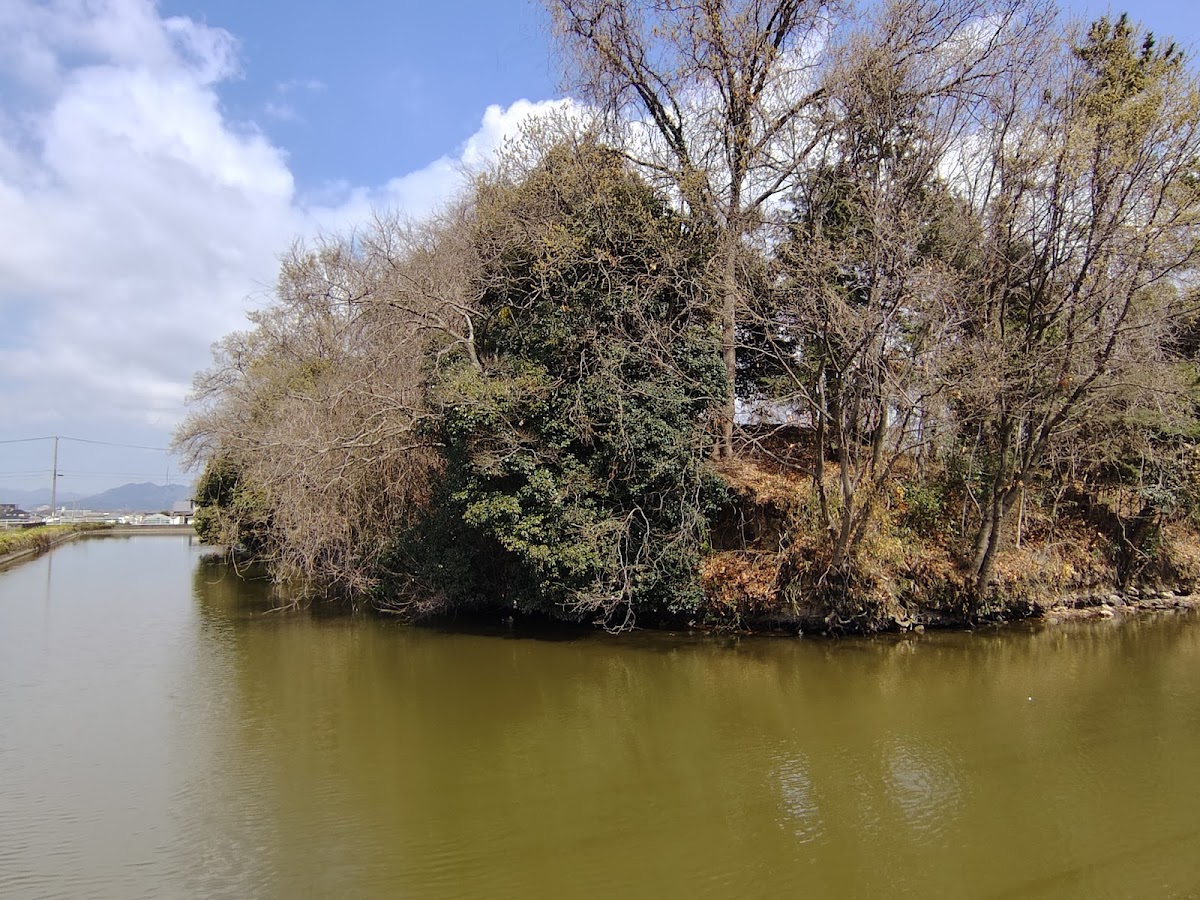
The area centered around the current Sagimori Shrine grounds was the castle site. An L-shaped waterway remains from the northeast to the southeast of the shrine, and this is thought to be the remains of the moat from that time. This waterway is still clearly visible today and is one of the few remaining structures of Sagimori Castle.
The exact size of the castle is unknown, but it is presumed to have been of considerable size as a base for the Kono clan’s control of the eastern part of Iyo Province. Many details remain unknown regarding the layout of the baileys, such as the main keep and second bailey, and the locations of earthworks and watchtowers, as archaeological excavations have not been conducted.
As it was a flatland castle, moats and earthen ramparts were the main defensive structures. Its proximity to the sea made it easy to dig water moats, and it’s believed that surrounding the castle with water moats enhanced its defensive capabilities. Furthermore, it’s possible that some kind of defensive structure existed along the coastline to prepare for attacks from the sea.
The Castle Town
A castle town developed around Saginomori Castle. The place name Mibugawa still exists today, indicating that this area has been a place of continuous human habitation since the Middle Ages.
In addition to samurai residences, it’s thought that the castle town also contained residential areas for merchants and artisans. Taking advantage of its location facing the Seto Inland Sea, commercial activities such as the trade of seafood and salt, and the movement of ships, likely flourished. It also functioned as a center for the collection and distribution of rice and specialty products from the Toyo region.
The Current Saginomori Castle Ruins
Saginomori Shrine and Castle Ruins
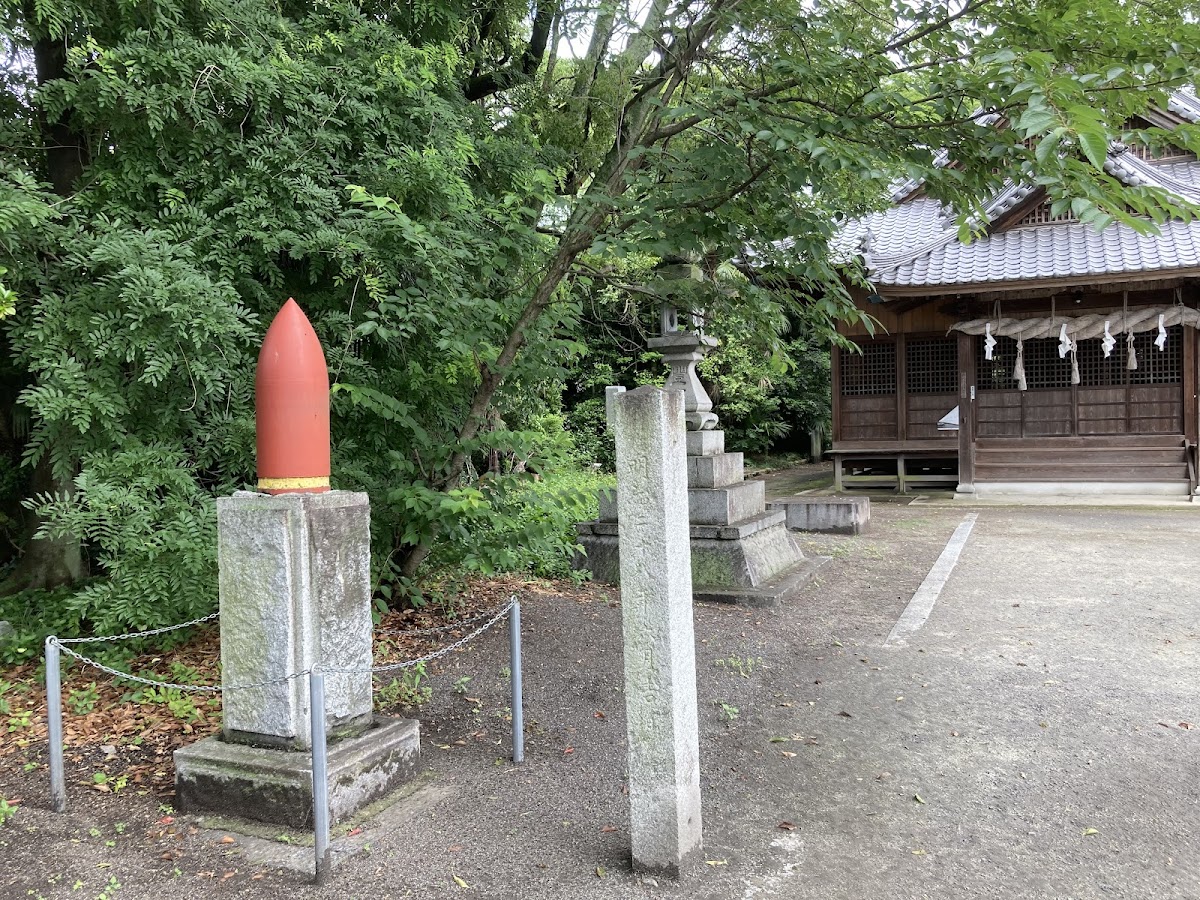
Currently, Saginomori Shrine is located on the site of Saginomori Castle. The exact founding date of the shrine is unclear, but it is believed to have been built after the castle was abandoned. The shrine grounds are located in the central part of the castle, and the surrounding terrain still retains some traces of its former appearance.
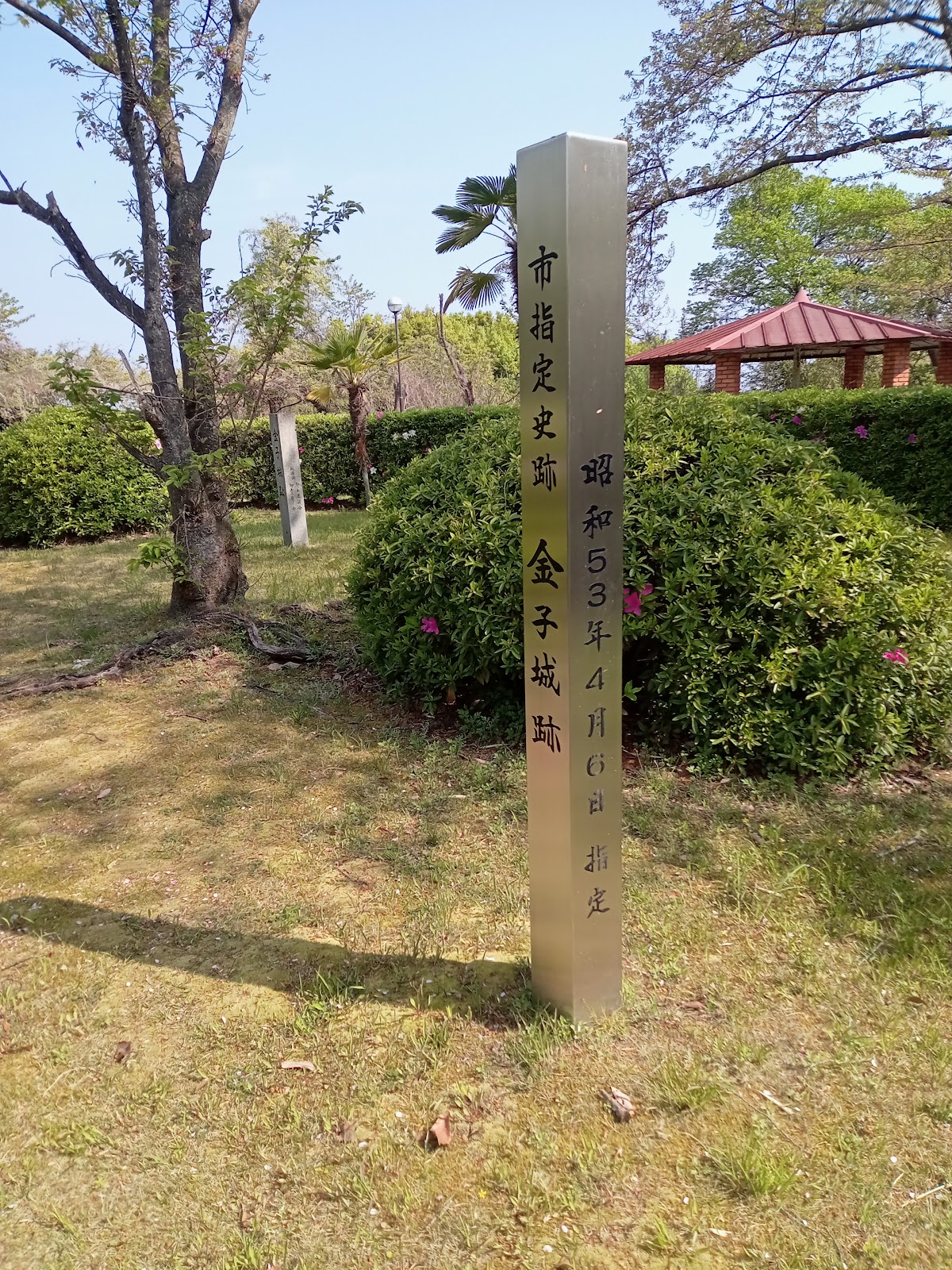
Within the grounds of Sagimori Shrine, there is a stone monument marking the site of Sagimori Castle, indicating that this area was once a castle. There is also a magnificent camphor tree on the grounds, estimated to be several hundred years old, suggesting it may have been growing there since the time of the castle.
The area surrounding the shrine is now a residential area with schools, and urbanization is progressing. “Sagimori Castle” appears in the school song of Mibugawa Elementary School, and it remains a beloved historical symbol of the region.
Remaining Structures
While the remains of Sagimori Castle are limited, the following still exist:
L-shaped waterway (moat remains) An L-shaped waterway remains, running from the northeast to the southeast of Sagimori Shrine. This is the remnant of the castle moat, and the most clearly identifiable remains. It is several meters wide, and water still flows through it.
Topography
While some traces of the earthworks and enclosures from the past may remain in the surrounding microtopography, most have been lost due to urbanization.
Stone Monument and Information Board
A stone monument marking the castle site stands within the grounds of Sagimori Shrine, conveying history to visitors.
Surrounding Historical Environment
National Route 196 and the JR Yosan Line run to the west of the Sagimori Castle ruins, maintaining its location as a transportation hub even today. The coastline facing the Hiuchi Sea has changed significantly due to land reclamation and seawall construction, but the beautiful scenery of the Seto Inland Sea can still be enjoyed.
Parts of the old townscape of Mibugawa remain in the surrounding area, allowing visitors to experience the history from the medieval to early modern periods. Furthermore, there are many other historical sites related to the Kono clan within Saijo City, and visiting them together will allow you to gain a deeper understanding of the medieval history of Iyo Province.
Access and Visiting Information
Transportation Access
Access by Train
Approximately 15 minutes on foot from JR Yosan Line “Mibugawa Station”. Head north from the station, cross National Route 196, and proceed through the residential area to reach Sagimori Shrine.
Access by Car
Approximately 15 minutes from Matsuyama Expressway “Iyo Komatsu IC” via National Route 196. There is no dedicated parking lot around the shrine, but there are spaces where street parking is possible (please be considerate of local residents).
Address
Mibugawa, Saijo City, Ehime Prefecture
Visiting Points
Sagimori Shrine is open to visitors free of charge. The visit takes approximately 20-30 minutes. Keeping the following points in mind will make your visit more fulfilling.
- Confirming the L-shaped waterway (moat remains) Follow the waterway from the northeast to the southeast of the shrine and imagine the scale of the moat in its heyday.
- Confirming the stone monument and information board You can find information about the castle’s history on the stone monument within the shrine grounds.
- Observing the camphor tree in the shrine grounds The large camphor tree, estimated to be several hundred years old, may be a living witness to the time when the castle existed.
- Observing the surrounding topography Walk around the shrine grounds and look for the remnants of the original topography.
- View of the Hiuchi Sea If possible, extend your walk to the coast and imagine the view of the Seto Inland Sea from the castle.
Notes for Visitors
- Sagimori Shrine is an active shrine, so please observe proper etiquette as a visitor.
- The surrounding area is a residential area, so please be considerate of nearby residents by avoiding noise and illegal parking. – The remaining structures are limited, and there are few flashy sights, so using your historical imagination is key to a successful visit.
- The sun is strong in the summer, so we recommend taking precautions such as wearing a hat and sunscreen.
The Significance of Visiting Saginomori Castle
Saginomori Castle may seem like an unremarkable castle ruin at first glance, as it lacks prominent remains such as stone walls and a keep. However, this castle played an extremely important role in the medieval history of Iyo Province.
How did the Kono clan, a prominent family of Iyo Province, govern their territory, and what strategies did they use to maintain their power? How was the Toyo region connected to maritime traffic in the Seto Inland Sea? And what fate befell local castles at the major turning point in history, Toyotomi Hideyoshi’s conquest of Shikoku?
By visiting the Saginomori Castle ruins, you can feel this flow of history firsthand. While not a flashy tourist destination, it’s a historical site worth visiting for castle enthusiasts and history buffs, offering a quiet place to reflect on history.
Related Historical Sites in the Surrounding Area
When visiting Saginomori Castle, we recommend also visiting the following nearby historical sites:
Yuzuki Castle Ruins (Matsuyama City)
This was the base of the Kono clan and is designated a national historical site. It was an important strategic point, complementing Saginomori Castle.
Kuwahara Castle Ruins (Matsuyama City)
This was the base of Kuwahara Michioki before he moved to Saginomori Castle.
Kaneko Castle Ruins (Shikokuchuo City)
This was the residence of the Kaneko clan, who often clashed with Saginomori Castle.
Saijo Jinya Ruins (Saijo City)
This was the base of the Saijo Domain during the Edo period, offering insights into early modern history.
Visiting these sites will provide a more comprehensive understanding of the history of Iyo Province from the medieval to early modern periods.
Summary
Saginomori Castle (Mibugawa, Saijo City, Ehime Prefecture) was a flatland castle built in 1394 by order of Kono Michiyuki, who commissioned Kuwahara Michioki to construct it. It served as the Kono clan’s base for controlling the eastern Iyo region for approximately 200 years. It fell in 1585 during Toyotomi Hideyoshi’s conquest of Shikoku, under attack by Kobayakawa Takakage, and was subsequently abandoned.
Currently, the site is the grounds of Saginomori Shrine, with only a few remnants remaining, such as an L-shaped waterway (moat remains). However, it remains an important historical site for understanding the medieval history of Iyo Province. Accessible in about 15 minutes on foot from JR Mibugawa Station, it is a place where one can quietly reflect on history, making it worthwhile for castle enthusiasts and history buffs to visit.
While not a flashy tourist destination, it is a valuable historical site that allows for a multifaceted understanding of history, including the Kono clan’s control strategies, maritime traffic in the Seto Inland Sea, and local history during the Sengoku period.