Ryukokusan Castle (Saitama Prefecture) Complete Guide | A Thorough Explanation of the History and Highlights of this Medieval Mountain Castle in Moroyama Town
What is Ryukokusan Castle?
Ryukokusan Castle is a medieval mountain castle located in Moroyama Town, Iruma District, Saitama Prefecture. It is also known by other names such as Ryugayama Castle, Ryukokusan Castle, Moroyama Fortress, and Moroyama Castle. Built on the summit of Ryugayama Mountain, at an altitude of approximately 230 meters, this castle is designated as a Saitama Prefecture Important Historical Site and is a valuable historical heritage representing medieval castles of Musashi Province.
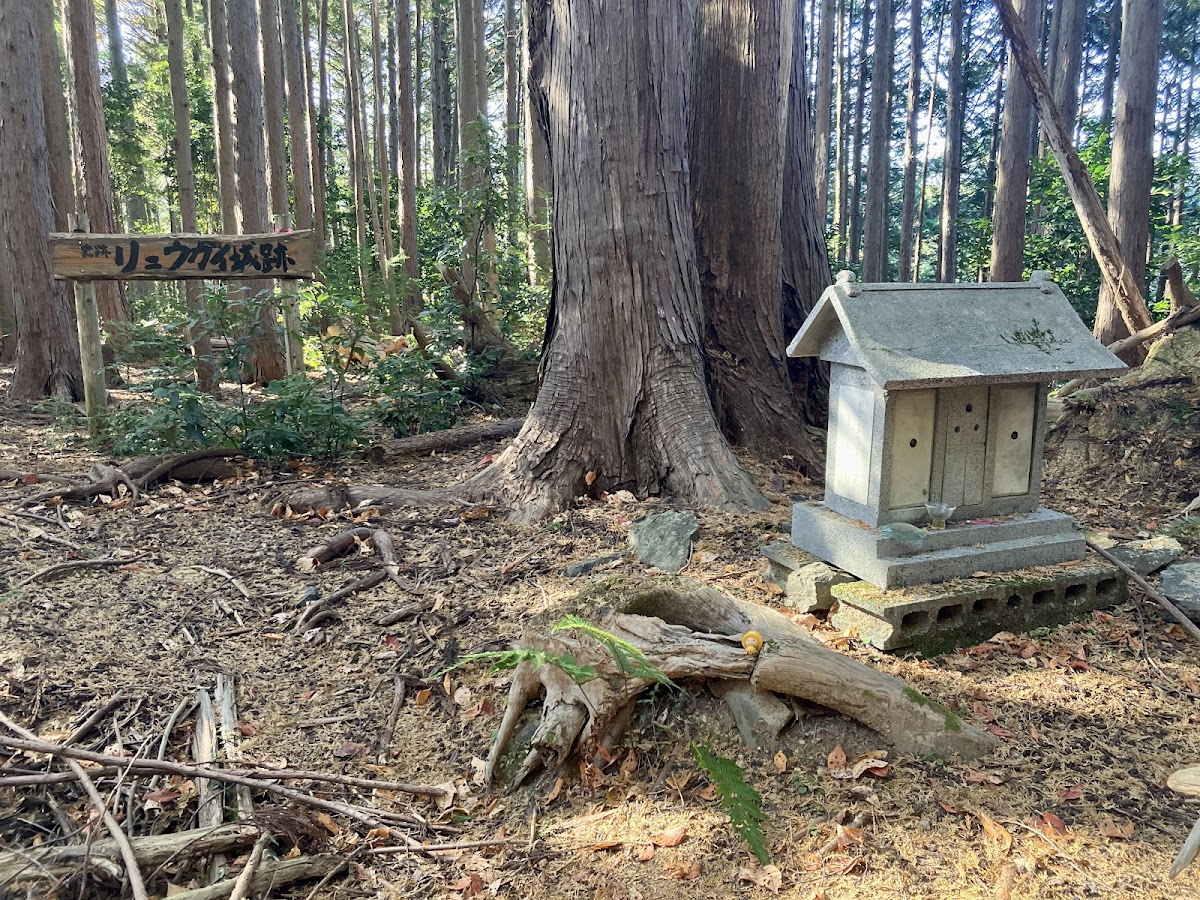
Currently, the Raiden Shrine stands on the castle site, and the summit can be accessed via the shrine’s approach. From the first enclosure at the summit, a magnificent panoramic view of Moroyama Town unfolds, making it a popular spot for local residents and castle enthusiasts to enjoy historical walks and nature.
History of Ryugaya-yama Castle
Background of Construction and the Moro Clan
While there are no clear records regarding the exact construction date of Ryugaya-yama Castle, it is believed to have been built by the Moro clan, who ruled this area from the Kamakura period. The Moro clan was a samurai group belonging to the Kodama clan, one of the seven clans of Musashi Province, and their base was Moro-sho (the area around present-day Moro-yama Town).
The Moro clan’s peacetime residence was located at the foot of the mountain, and Ryugaya-yama Castle is thought to have functioned as a fortified stronghold (tsumejiro) for defense during times of conflict. This structure, where residences were used differently during peacetime and wartime, is typical of medieval mountain castles.
Trends in the Sengoku Period
With the arrival of the Sengoku period, Musashi Province became a battlefield where various forces, including the Later Hojo clan, the Uesugi clan, and the Takeda clan, were intricately intertwined. It is presumed that the Moro clan was also caught up in these conflicts between the Sengoku daimyo, and Ryugaya-yama Castle’s military importance increased.
In particular, during the Eiroku era (1558-1570) in the mid-16th century, fierce battles were fought between Uesugi Kenshin and Hojo Ujiyasu. The area around Moroyama became a battlefield, and Ryugaya Castle is believed to have functioned as a base for regional defense.
The Castle’s End
When the Later Hojo clan was destroyed by Toyotomi Hideyoshi’s Odawara campaign in 1590, many medieval castles in Musashi Province were abandoned. It is presumed that Ryugaya Castle also ended its historical role around this time. Afterward, Raiden Shrine was built on the castle site, and it remains a place of local worship to this day.
Ryugaya Castle’s Layout and Structure
Main Enclosure (First Enclosure)
Located at the summit of Ryugaya Mountain, First Enclosure is the main enclosure, the center of the castle. Currently, it is the grounds of Raiden Shrine, and a relatively flat terrain remains. From this flat area, one can see a panoramic view of the town of Moroyama, making it clear that it was positioned to function effectively as a military observation post.
The main enclosure measures approximately 40 meters east-west and 30 meters north-south, a standard size for a medieval mountain castle. Partial traces of earthworks remain around the perimeter, indicating the presence of defensive structures.
Enclosure Arrangement
It is believed that multiple enclosures were arranged around the main enclosure. Observation of the terrain reveals the remains of enclosures utilizing elevation differences on the east and west sides of the main enclosure. These enclosures are thought to have served to protect the main enclosure, as well as being used as troop garrisons and storage areas for supplies.
As a mountain castle structure, it exhibits the characteristic connected enclosure style, with multiple enclosures linked along the ridge from the main enclosure at the mountaintop. This is a typical layout for medieval mountain castles in the Kanto region.
Moats and Vertical Ditches
Moats and vertical ditches played an important role as defensive structures for the castle. A moat cut across a ridge serves as a barrier to prevent enemy intrusion. Traces of moats remain on the north and south sides of the main enclosure at Ryugaya Castle.
Vertical moats are moats dug vertically along a slope, serving to prevent enemies from climbing the incline. Multiple vertical moats have been identified on the slopes of Ryugaya Castle, indicating their function as defensive structures. These remains can still be observed as topographical irregularities, providing valuable clues to understanding the castle’s structure at the time.
Approach and Ascent Route
Currently, access to the Ryugaya Castle ruins is via the approach to Raiden Shrine. This approach passes through the grounds of Tsurugashima Golf Club, so consideration for the golf course is necessary during visits. The approach is relatively well-maintained, and the summit can be reached in about 15 to 20 minutes on foot.
Along the approach, there are stone steps and torii gates, creating an atmosphere befitting a pilgrimage route to a shrine. The path leading to the castle is lined with remnants of trenches and earthworks, making it a fascinating place to observe the castle’s remains while walking.
Highlights of Ryukokuyama Castle
View from the Summit
The greatest highlight of Ryukokuyama Castle is undoubtedly the view from the first enclosure at the summit. On a clear day, you can not only see the entire town of Moroyama, but also the vast expanse of the Kanto Plain in the distance. This view was also enjoyed by the castle lords of the Sengoku period, evoking a sense of historical romance.
Especially during the clear autumn and winter months, you can see as far as the distant mountains, making it a popular spot for photography.
Raiden Shrine
The Raiden Shrine, situated at the summit, has been cherished as the center of local faith. The shrine grounds are located on the site of the first enclosure, creating a unique atmosphere where the castle ruins and shrine are integrated.
Raiden Shrine is worshipped as a god of protection against lightning and for bountiful harvests, and is visited by locals. The shrine buildings and stone monuments exude a sense of history, and a visit is recommended in conjunction with exploring the castle ruins.
Observing Castle Remains
At Ryukokuyama Castle, you can observe typical remains of a medieval mountain castle, such as moats, vertical trenches, earthworks, and the remains of baileys. The vertical trenches, in particular, are clearly preserved in several places, making them a must-see for castle enthusiasts.
By carefully observing the changes in the terrain and traces of artificial leveling while walking along the approach to the shrine, you can gain clues to understanding the structure of the castle at that time. Since there are few information boards, learning some basic knowledge about castles beforehand will allow you to enjoy the experience more deeply.
Natural Environment
Ryukokuyama Castle ruins are surrounded by rich nature, allowing you to enjoy the scenery of each season. It shows a different face each season: fresh greenery in spring, deep green in summer, autumn leaves in fall, and clear views after the leaves have fallen in winter. The path leading to the castle is lined with various trees, and you can enjoy hiking while listening to the chirping of wild birds. It’s a valuable spot where you can enjoy both nature walks and historical exploration at the same time.
Access and Location Information for Ryugayama Castle
Location
Address: Near 1562-2 Asuwa, Moroyama-machi, Iruma-gun, Saitama Prefecture
Ryugayama Castle ruins are located approximately 2 kilometers northwest of the center of Moroyama-machi, built on the summit of Ryugayama Mountain.
Access by Public Transportation
- Train: The nearest stations are JR Hachiko Line “Moro Station” or Tobu Ogose Line “Higashi-Moro Station”.
- Distance from Station: Approximately 40 minutes on foot from Moro Station, approximately 50 minutes on foot from Higashi-Moro Station.
- Bus: While Moroyama Town’s municipal buses and community buses may be available, the number of services is limited, so it is recommended to check the timetable in advance.
Access by Car
- Kan-Etsu Expressway: Approximately 15 minutes from Tsurugashima Interchange.
- Ken-O Expressway: Approximately 10 minutes from Ken-O Tsurugashima Interchange.
- Parking: There are a few parking spaces near the entrance to the Raiden Shrine approach, but since you will be passing through the grounds of Tsurugashima Golf Club, consideration for the golf course’s operations is necessary.
Precautions When Visiting the Castle
Please note the following points when visiting Ryukokuyama Castle Ruins.
- Consideration for the Golf Course: The path to the castle passes through the grounds of Tsurugashima Golf Club. Please be extremely careful not to disrupt golf play. Also, be mindful of accidents caused by golf balls.
- Clothing and Equipment: Since you will be walking on mountain trails, comfortable shoes and clothing are necessary. Particular caution is needed after rain, as the ground can be slippery.
- Season and Weather: In summer, bring insect repellent, a hat, and drinking water. In winter, the sun sets early, so allow ample time for your visit.
- Protection of Historical Structures: The castle ruins are a valuable cultural asset. Please be careful not to damage the remains such as earthworks and moats, and be sure to take all your trash with you.
- Caution Regarding Solo Travel: To prepare for accidents on mountain trails, it is recommended to visit in groups if possible. Checking cell phone reception beforehand is also advisable.
Nearby Tourist Attractions and Related Historical Sites
Moroyama Town Historical and Folk Museum
For those who wish to learn more about Ryugaya Castle, we recommend visiting the Moroyama Town Historical and Folk Museum. The museum features exhibits on the history and cultural properties of Moroyama Town, including materials and explanatory panels about Ryugaya Castle.
Address: 535-1, Oaza Orui, Moroyama-machi, Iruma-gun, Saitama Prefecture
Opening Hours: 9:00 AM to 5:00 PM (Last entry at 4:30 PM)
Closed: Mondays (or the following day if Monday is a public holiday), New Year holidays
Admission Fee: Free
Izumo Iwahi Shrine
This is a representative ancient shrine of Moroyama Town, known as a Shikinaisha (shrine listed in the Engishiki) of Musashi Province. It is said that the Moro clan also revered it, and visiting it together with Ryugaya Castle will allow you to gain a deeper understanding of the history of this region.
Kamakita Lake
Kamakita Lake, known as a scenic spot in Moroyama Town, is about a 15-minute drive from Ryugaya Castle. This artificial lake, created as an agricultural reservoir, offers beautiful scenery throughout the seasons. It’s a recommended resting spot after exploring the castle ruins.
Castle Ruins in Ogose Town
The neighboring town of Ogose is dotted with medieval historical sites, including Kuroiwa Castle and Ryūonji Temple. Visiting these sites along with Ryugaya Castle will provide a more comprehensive understanding of the region’s medieval history.
Differences from Other Ryugaya Castles in Saitama Prefecture
Interestingly, there are several castle ruins in Saitama Prefecture with the same name, “Ryūgaya Castle” or “Ryūgaya Castle.” To avoid confusion, let’s clarify the location and characteristics of each.
Ryugayama Castle in Moroyama Town (the castle featured in this article)
- Location: Moroyama Town, Iruma District
- Alternate Names: Ryugayama Castle, Moroyama Fortress
- Lord: Moro clan
- Features: Raiden Shrine is located on the site; access is via a golf course.
Ryugatani Castle (Senbayama Castle) in Minano Town
- Location: Minano Town, Chichibu District
- Alternate Name: Senbayama Castle
- Lord: Believed to be the Fujita clan
- Features: Near the Minano-Nagatoro Interchange; designated as an important historical site by Saitama Prefecture.
Ryugatani Castle in Chichibu City
- Location: Yoshida Hisanaga, Chichibu City
- Features: Accessible by bus from Seibu Chichibu Station on the Seibu Chichibu Line
These are all separate castle ruins, with different builders and locations. It is important to accurately confirm your destination when visiting castle ruins.
Research and Preservation Activities of Ryugaya-yama Castle
Designation as a Saitama Prefecture Important Historical Site
The Ryugaya-yama Castle ruins are designated as a Saitama Prefecture Important Historical Site, recognizing them as an important historical heritage site within the prefecture. This designation facilitates the preservation and utilization of the castle ruins.
The Saitama Prefecture Important Historical Site designation system selects sites within the prefecture that are of high academic value and in good condition. Ryugaya-yama Castle is one such site, providing valuable resources for the study of medieval castles.
Excavation and Research Results
While no full-scale excavation has been conducted at Ryugaya-yama Castle, the castle’s structure is gradually becoming clear through surface observation and surveying. Further detailed investigations may lead to new discoveries regarding the castle’s construction period and its lords.
Research by castle researchers and local historians is also progressing, with discussions focusing on the history of the Moro clan and the position of Ryugaya-yama Castle in the medieval history of Musashi Province.
Local Preservation Activities
In Moroyama Town, efforts are underway to preserve the Ryukokuyama Castle ruins as a valuable local cultural asset. Local residents’ voluntary preservation activities, such as maintaining the Raiden Shrine and improving the approach to the shrine, contribute to the preservation of the castle ruins.
Furthermore, the town’s historical and folk museum holds exhibitions and lectures introducing cultural assets within the town, including Ryukokuyama Castle, and is utilized for local history education.
How to Enjoy Visiting Ryukokuyama Castle
Points to Note for Castle Enthusiasts
Those interested in castles can enjoy their visit more deeply by paying attention to the following points:
- Understanding the Layout: Observe the arrangement of the surrounding enclosures, focusing on the main enclosure at the mountaintop. Obtaining a topographic map and layout map beforehand will deepen your understanding.
- Confirming Defensive Structures: Visually inspect the remains such as moats, trenches, and earthworks to confirm their scale and arrangement.
- Understanding the Location: While enjoying the view from the mountaintop, consider the military and geographical significance of why the castle was built in this location.
- Photography: When photographing the ruins, including people or trees in the frame is effective in conveying a sense of scale.
Enjoying a Historical Walk
Those interested in history can have a more fulfilling experience by preparing and engaging in the following activities before and after visiting Ryukokuyama Castle:
- Prior Study: Learning about the history of the Moro clan and the medieval history of Musashi Province will make your visit to the castle ruins more meaningful.
- Visiting the Museum: Visiting the Moroyama Town Historical and Folk Museum to learn about local history before visiting the castle ruins will deepen your understanding.
- Visiting Surrounding Historical Sites: Visiting related historical sites such as Izumo Iwahi Shrine will provide a more comprehensive understanding of the region’s history.
- Interacting with Locals: By talking with local residents, you can hear local legends and stories related to the castle ruins.
Enjoying the Site as a Nature Walk
Ryūgokuyama Castle Ruins are located in a rich natural environment, making them an attractive spot for hiking and nature observation.
- Seasonal Changes: You can enjoy different scenery with each season: the fresh green of spring, the deep green of summer, the autumn foliage, and the scenery after the leaves have fallen in winter.
- Bird Watching: Various wild birds inhabit the mountain forest, making it a great place for birdwatching.
- Plant Observation: A variety of plants can be seen along the path to the castle, making it recommended for plant enthusiasts.
- Health Promotion: Moderate hiking is effective for improving your health. Enjoy it at a comfortable pace.
Summary
Ryūgokuyama Castle (Moroyama Town, Saitama Prefecture) is a medieval mountain castle built by the Moro clan from the Kamakura period to the Sengoku period. Protected as a designated important historical site by Saitama Prefecture, the site, along with the Raiden Shrine at the mountaintop, preserves the region’s history.
The main highlights of the castle ruins are the magnificent views from the mountaintop, the castle remains such as moats and trenches, and the rich natural environment. The path to the castle, which passes through the grounds of the Tsurugashima Golf Club, requires consideration for the golf course, but the summit can be reached in about 15 to 20 minutes on foot.
Visiting Ryukokuyama Castle allows you to experience the history of medieval Musashi Province, the structure of a mountain castle, and the nature of Moroyama all at once. It’s an attractive spot for history buffs, castle enthusiasts, and nature walkers alike.
When visiting Moroyama Town, be sure to visit Ryukokuyama Castle ruins and feel the unique atmosphere and historical romance of a medieval mountain castle. The view of Moroyama town from the mountaintop retains the same beauty as the view seen by the former castle lords, offering a timeless and moving experience.