Odaka Castle (Yonago City, Tottori Prefecture) Complete Guide | A National Historic Site, a Medieval Castle, and a Famous Plum Blossom Spot
About Odaka Castle Ruins
Odaka Castle is a medieval castle site located in Odaka, Yonago City, Tottori Prefecture. Also known as Izumiyama Castle, it was a flatland castle built on a river terrace approximately 40 meters above sea level and was used for about 400 years, from the Kamakura period to the early Edo period.
Designated a National Historic Site in November 2023, this castle site, along with Yonago Castle, is a representative historical heritage of Yonago City. It boasts a scenic location with Mount Daisen in the background and the Yumigahama Peninsula and the Sea of Japan in front. Currently, it is also known as one of the best plum blossom viewing spots in the San’in region, and is popular not only with history enthusiasts but also with many people as a place to relax and enjoy the changing seasons.
History of Odaka Castle
Kamakura to Muromachi Periods: The Beginning of the Castle
The origins of Odaka Castle date back to the Kamakura period, from the 13th to the 14th centuries. Archaeological excavations have uncovered a stone-foundation building with four-sided eaves, believed to be the residence of a powerful local lord during this period, indicating that it initially functioned as a residence.
In the 15th century, during the Muromachi period, it was developed into a flatland castle with a square single enclosure and a cluster of enclosures, taking on the form of a full-fledged castle. During this period, Odaka Castle, due to its geographical importance as a junction point for east-west transportation routes connecting Izumo and western Hoki, and north-south transportation routes connecting mountainous areas and the Sea of Japan, functioned as a military center of western Hoki, controlling the east-west transportation routes of the medieval period.
Sengoku Period: The Yukimatsu Clan’s Castle and the Conflicts Between the Amago and Mori Clan
With the arrival of the Sengoku period, Odaka Castle became the ancestral castle of the Yukimatsu clan, and its importance as a strategic point in western Hoki Province increased. In the 16th century, large moats and earthen ramparts were constructed, developing it into a full-fledged Sengoku castle.
During this period, the Amago clan of Izumo and the Mori clan of Aki Province were vying for supremacy in the San’in region, and Odaka Castle became the stage for these conflicts. Following an attack by Amago Tsunehisa, the castle fell into the hands of the Amago clan, and Yoshida Mitsuwa, an Amago general, became its lord.
However, with the subsequent expansion of Mori Motonari’s power, the castle was recaptured by the Mori clan. The Mori clan considered Odaka Castle important as a base for conquering Hoki and Inaba Provinces, and appointed Sugihara Harima-no-kami Morishige, a Mori general, as its lord. After this, the Yukimatsu clan returned as lords of the castle and governed it as vassals of the Mori clan.
Early Edo Period: Nakamura Kazutada and the Abandoned Castle
After the Battle of Sekigahara, Nakamura Kazutada was appointed to Hoki Province. He began construction of Yonago Castle, but used Odaka Castle as his residence until its completion. This indicates that Odaka Castle still functioned as an important base at that time.
Once Yonago Castle was completed, Nakamura Kazutada moved to the new castle, and Odaka Castle ceased to exist and was abandoned. This brought to a close the approximately 400-year history of Odaka Castle.
Structure and Remains of Odaka Castle
Castle Layout
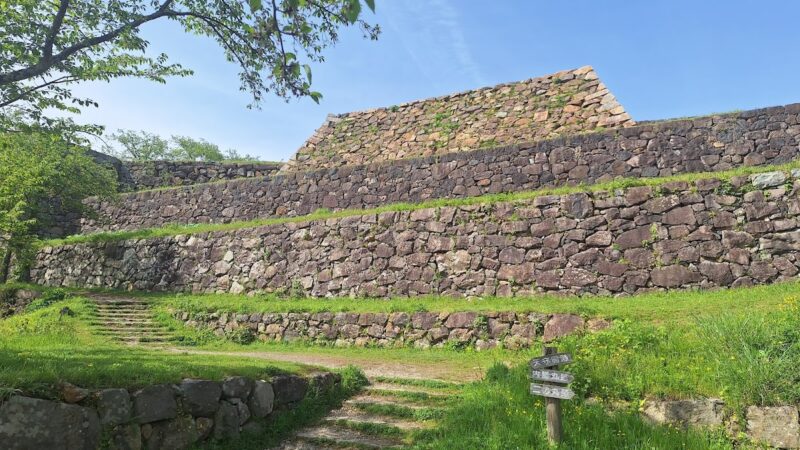
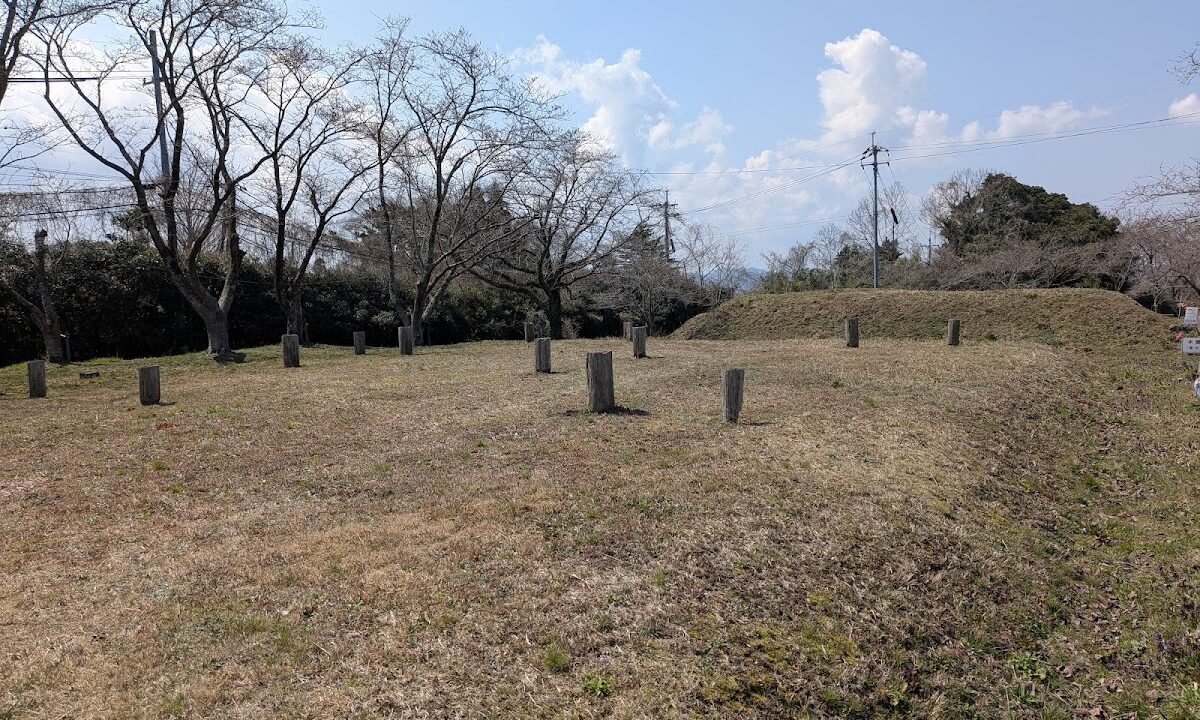
Eight baileys (enclosures) are still identified at the Odaka Castle site, and the remains of each bailey, including the main keep, second bailey, and middle bailey, are well-preserved. The castle’s layout, skillfully utilizing the river terrace topography, exhibits typical characteristics of medieval castles.
The castle is situated on the tip of a terrace approximately 40 meters above sea level, offering an excellent vantage point overlooking the foothills of Mt. Daisen and the entire western Hoki region. This geographical advantage allowed it to play a crucial role both militarily and as a strategic point for monitoring traffic.
Remains of Earthworks and Moats
In particular, the large moats and earthworks constructed in the 16th century are important remains demonstrating the development of castle construction technology during the Sengoku period. These defensive structures are still clearly visible today and provide valuable information for understanding the castle structure of that time.
The earthworks demarcated each enclosure, enhancing defensive capabilities. The moats, on the other hand, functioned as a vital defensive line to prevent enemy incursions.
Stone Walls and Stone Strikes
Remains of stone walls and stone strikes also exist at the Odaka Castle site. These not only strengthened the castle’s defensive functions but also served as symbols of authority. These stone structures hold significant importance for understanding the evolution of castle construction techniques during the transitional period from the medieval to the early modern era.
Significance of National Historic Site Designation
In November 2023, the Otaka Castle Ruins were officially designated a National Historic Site. This is a remarkable achievement for Yonago City, making it the second National Historic Site designated, following the Yonago Castle Ruins, which were already a National Historic Site.
The following points were evaluated as reasons for designating the site as a National Historic Site:
- Location as a Transportation Hub: Geographical importance as a junction point for east-west transportation routes connecting Izumo and western Hoki, and north-south transportation routes connecting mountainous areas and the Sea of Japan.
- Clearness of Historical Change: The development process of the castle over approximately 400 years, from the 13th century to the early 17th century, can be clearly confirmed.
- Preservation of Remains: The remains, including eight baileys, earthworks, moats, and stone walls, are well-preserved.
- Historical Value: It was the stage for the important historical conflict between the Amago and Mori clans in the San’in region.
With this designation, the Otaka Castle Ruins will be protected and maintained as an important national cultural property, and its historical value will be recognized nationwide.
Otaka Castle Ruins as a Plum Blossom Spot
Otaka Castle Ruins Plum Garden
In addition to its value as a historical heritage site, the Otaka Castle Ruins are widely known as one of the best plum blossom spots in the San’in region. The plum orchard within the castle grounds is planted with numerous plum trees, and in early spring, the beautiful plum blossoms bloom in profusion.
The plum blossoms typically bloom from late February to early March, and the sight of white and red plums competing for attention is breathtaking. The contrast between the historic castle ruins and the plum blossoms deeply moves visitors.
Nature Through the Seasons
Beyond the plum blossom season, Odaka Castle Ruins offers the beauty of nature throughout the year. It displays different expressions with each season: fresh greenery in spring, lush trees in summer, autumn leaves in fall, and snowscapes in winter.
In particular, the view of Mount Oyama towering in the background, the Yumigahama Peninsula stretching out before you, and the Sea of Japan offers a magnificent vista no matter what season you visit. This scenic environment is also a beloved place of relaxation for local residents.
Access Information
Location
Address: Odaka, Yonago City, Tottori Prefecture (Postal Code: 689-3514)
Odaka Castle Ruins are located south of Yonago city center, near the entrance to the Daisen Road (sightseeing road) leading towards Mt. Daisen.
Access by Public Transportation
By JR:
- Take a local bus (via the sightseeing road to Hongu/Daisen) from JR Yonago Station or Hoki-Daisen Station.
- Get off at the “Odakaue” bus stop and walk for about 5 minutes.
From the entrance to the Daisen Road, go up the slope on your right to reach the Odaka Castle Ruins.
Access by Car
Yonago Expressway:
- Approximately 15 minutes from Yonago IC
- Parking available (free)
Using the Daisen Sightseeing Road is convenient for reaching the castle ruins. Guide signs are installed along the road, so even first-time visitors can easily find their way.
Visiting Information
- Visiting Hours: Open all day
- Admission Fee: Free
- Parking: Free parking available
The castle ruins are maintained as a park and can be freely explored. However, to protect the remains, please refrain from entering areas other than the designated routes.
Nearby Tourist Attractions
Yonago Castle Ruins
Along with Odaka Castle, this is one of Yonago City’s representative castle ruins. Built on Minatoyama Mountain at an altitude of 90 meters, this early modern castle boasts a spectacular view from its keep base. Visiting both Odaka Castle and Yonago Castle allows you to experience the evolution of castles from the medieval to the early modern period.
Anyoji Temple
A historic temple located near the Odaka Castle ruins. With a long history as a center of local faith, it offers a peaceful atmosphere for worship.
Fukuichi Ruins
Known as the remains of an ancient settlement, this ruin offers insights into the lives of people from an even older era than Odaka Castle. It’s a spot where you can truly feel the depth of Yonago City’s history.
Kaike Onsen
Kaike Onsen is a representative hot spring resort in Yonago City, a scenic hot spring town facing the Sea of Japan. After visiting the Odaka Castle ruins, you can relax and soothe your fatigue in the hot springs. It’s about a 15-minute drive from Yonago Station.
Mt. Daisen
Mt. Daisen is a famous mountain, the highest peak in the Chugoku region, towering behind the Odaka Castle ruins. You can enjoy various activities throughout the year, such as mountain climbing, skiing, and nature walks. The driving route from the Odaka Castle ruins to Mt. Daisen is also popular.
Maintenance and Preservation Activities of the Odaka Castle Ruins
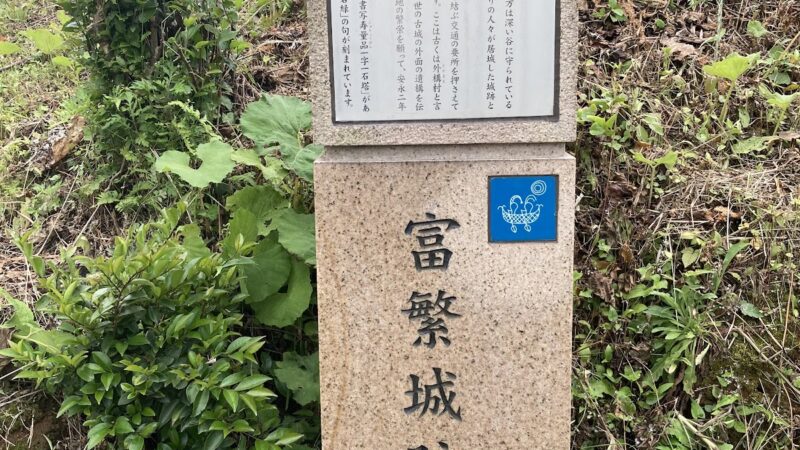
Following its designation as a national historical site, Yonago City is actively promoting the preservation and maintenance of the Odaka Castle ruins. While prioritizing the protection of the remains, efforts are being made to make it easier for visitors to understand the history, including the installation of information boards and explanatory panels, and the maintenance of walking paths.
Regular cleaning activities and plum orchard management are carried out by local residents and volunteer groups, and the entire community continues its efforts to protect and utilize the castle ruins.
Events at Odaka Castle Ruins
During the plum blossom season, events such as the Plum Blossom Festival are sometimes held. Exhibits introducing local history and culture, as well as guided tours, are also planned, providing opportunities to learn more about the history of Odaka Castle.
For event information, we recommend checking the latest information on the official websites of the Yonago City Tourism Association and Yonago City Hall.
Important Notes for Visitors
When visiting the Odaka Castle Ruins, please note the following:
- Protection of Remains: Do not directly touch or climb on the remains such as earthworks and stone walls.
- Designated Routes: Use the designated paths for your walk and do not enter restricted areas.
- Take Your Trash Home: To maintain the beauty of the castle ruins, please be sure to take your trash home with you.
- Seasonal Precautions: Take proper insect repellent measures in summer and warm clothing in winter.
- Footwear: We recommend wearing comfortable walking shoes.
Contact Information
For detailed information about the Odaka Castle Ruins and event information, please contact:
Yonago City Tourism Association
- Phone: 0859-37-2311
- Website: Yonago Tourism Navi
Yonago City Hall, Cultural Promotion Division
- Phone: 0859-23-5436
Summary
Odaka Castle Ruins is a medieval castle that functioned as a strategic point in western Hoki Province for approximately 400 years, from the Kamakura period to the early Edo period. Its designation as a National Historic Site in 2023 recognized its historical value nationwide.
Its geographical importance as a transportation hub, its history as the stage for conflicts between the Amago and Mori clans, and its well-preserved remains make it a valuable resource for understanding the history of the San’in region during the medieval period.
At the same time, it is one of the San’in region’s premier plum blossom viewing spots, attracting many visitors in early spring, and is a beloved place of relaxation for local residents throughout the year. The scenic views of Mt. Daisen in the background and the Sea of Japan in front are also major attractions of this castle site.
Along with Yonago Castle Ruins, Odaka Castle Ruins is a representative historical heritage site of Yonago City, and a worthwhile place to visit as a nature-rich tourist spot. You can enjoy a luxurious time reflecting on history while appreciating the beautiful nature.
When you visit Yonago City or Mt. Daisen, be sure to stop by the ruins of Otaka Castle. The history of this medieval castle, designated as a national historical site, and the beauty of nature throughout the seasons are sure to captivate you.