Complete Guide to Nihonmatsu Castle | A Thorough Explanation of the History, Highlights, and Access to Japan’s Top 100 Castles
Nihonmatsu Castle, located in Nihonmatsu City, Fukushima Prefecture, is one of Japan’s Top 100 Castles. Also known as “Kasumiga Castle” and “Shirahat Castle,” it is a historically significant castle site. Built in 1414, it boasts a history of over 600 years and is also known as the site of the tragic events involving the Nihonmatsu Boys’ Corps during the Boshin War. Currently, it is maintained as the Prefectural Kasumiga Castle Park, attracting many tourists with its seasonal attractions, such as cherry blossoms in spring and chrysanthemum doll exhibitions in autumn.
This article comprehensively explains everything you need to know before visiting Nihonmatsu Castle, from its history and highlights to access methods.
History of Nihonmatsu Castle
From Construction to the Sengoku Period
The history of Nihonmatsu Castle begins in 1414 (Oei 21), when Hatakeyama Mitsuyasu moved his residence from Tajigaoka in Shiozawa to Shirahata-ga-mine and named it Nihonmatsu Castle. The Hatakeyama clan wielded considerable power as the Oshu Tandai (governor of Oshu) and ruled this area for approximately 170 years.
With the arrival of the Sengoku period (Warring States period), Nihonmatsu Castle became embroiled in the struggle for supremacy in Tohoku. In 1586 (Tensho 14), Date Masamune attacked and destroyed the Hatakeyama clan, and Nihonmatsu Castle became a branch castle of the Date clan. However, due to Toyotomi Hideyoshi’s pacification of Oshu, the Date clan was transferred to Aizu, and Nihonmatsu became the territory of Gamo Ujisato.
Renovations by Gamo Ujisato and Kato Yoshiaki
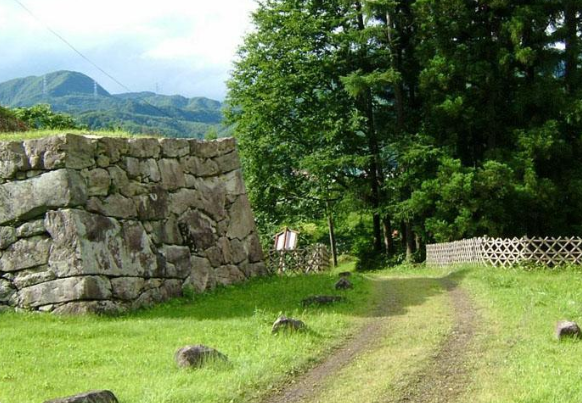
Gamo Ujisato was known as a master castle builder and carried out large-scale renovations of Nihonmatsu Castle. In particular, the high stone walls directly below the main keep were built by Gamo Ujisato, and his high level of skill can still be seen today.
Afterwards, following the rule of the Uesugi clan, Kato Yoshiaki served as the castle lord in 1602. Kato Yoshiaki was also a master castle builder and constructed the high stone walls around the Minowa Gate in the third bailey. The stone walls built by these two renowned generals are the greatest highlight of Nihonmatsu Castle.
The Niwa Clan Era and Development into a Modern Castle
In 1643, Niwa Mitsushige became the first lord of the Nihonmatsu Domain. Niwa Mitsushige was the grandson of Niwa Nagahide, a senior retainer of Oda Nobunaga. The Niwa clan renovated Nihonmatsu Castle into a modern fortress, creating an imposing structure befitting the residence of a large domain with a 100,000 koku (unit of rice production) yield.
The Niwa clan ruled Nihonmatsu for ten generations until the Meiji Restoration, and Nihonmatsu Castle flourished as their residence. The castle town also developed, and Nihonmatsu prospered as a center of culture and economy.
The Boshin War and the Tragedy of the Nihonmatsu Boys’ Corps
In 1868 (Keio 4), when the Boshin War broke out, the Nihonmatsu domain joined the Oshu Reppan Alliance and confronted the new government forces. On July 29th of the same year, a fierce battle raged at Nihonmatsu Castle under a fierce attack by the new government forces.
Particularly tragic in this battle was the death of the Nihonmatsu Boys’ Corps. Composed of sons of samurai, the corps consisted of young men aged 12 to 17, and many were killed in action. Among the casualties, the death of the youngest soldier, Jutaro Kimura (then 12 years old), remains a tragic story passed down through generations.
After a fierce battle, Nihonmatsu Castle fell, and many buildings were destroyed by fire. This battle of the Boshin War is remembered as the most tragic event in the history of Nihonmatsu Castle.
Nihonmatsu Castle After the Meiji Era
In 1872 (Meiji 5), all buildings of Nihonmatsu Castle, including the remaining Minowa Gate and attached turret, were demolished due to the castle demolition order. The castle ruins were in ruins, but development as a park began in the late Meiji period, and cherry trees were planted.
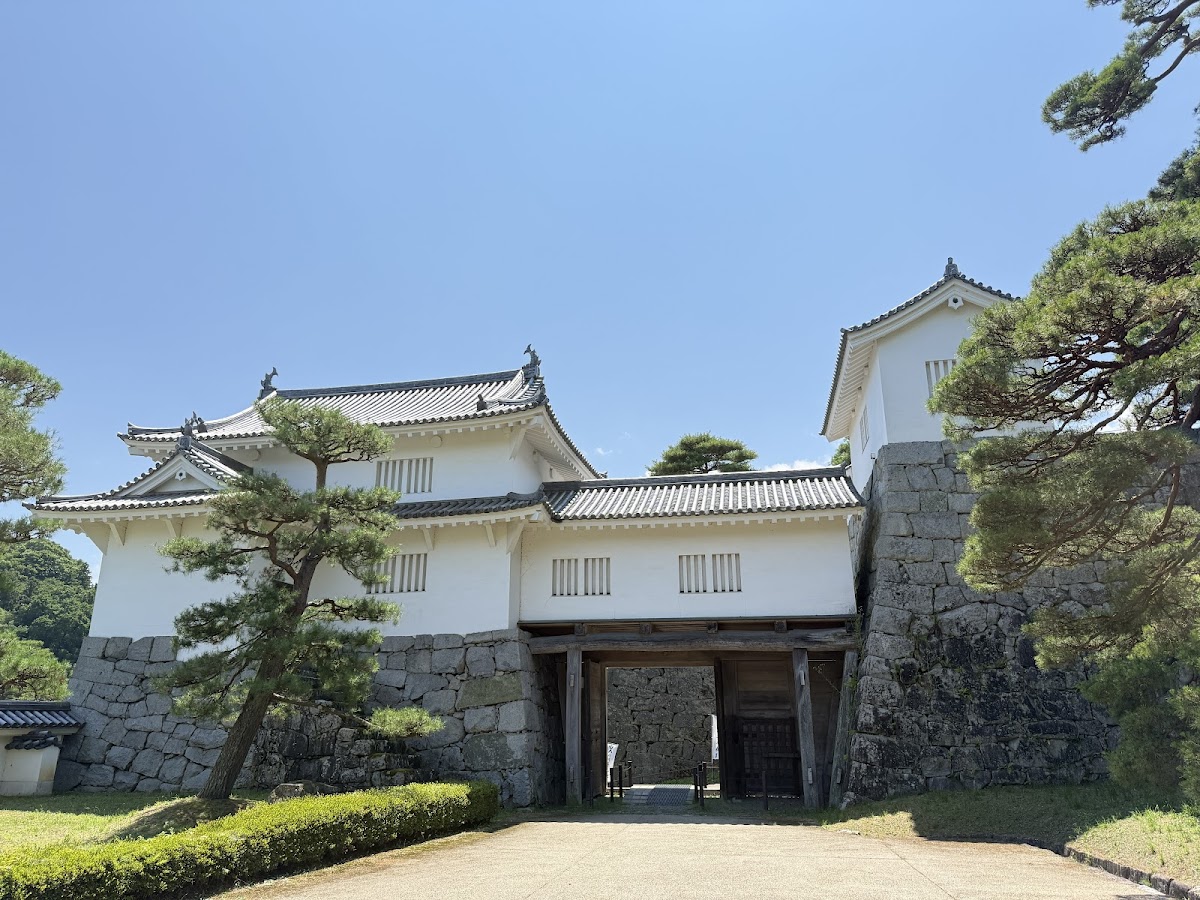
In 1982 (Showa 57), the Minowa Gate and attached turret were restored in wood, reviving a landscape reminiscent of its former glory. In 2007, it was selected as one of Japan’s Top 100 Castles, and in 2008, the stone walls of the main enclosure and the castle tower base were reconstructed.
Currently, the Nihonmatsu Castle ruins are protected as a nationally designated historic site, and continuous maintenance and preservation are being carried out based on the “Nihonmatsu Castle Ruins Historic Site Preservation and Utilization Plan.”
Structure and Characteristics of Nihonmatsu Castle
Structure of a Terraced Hilltop Castle
Nihonmatsu Castle is located north of the Nihonmatsu city center and is a terraced hilltop castle consisting of a residence at the foot of the mountain and a castle built on “Shirahatamine” (345m above sea level). A terraced castle is a structure in which baileys arranged are in a stepped fashion along the slope of a mountain, resulting in a highly defensible structure.
The castle is broadly composed of the following parts:
- Honmaru: Located on the mountaintop, where the castle tower base was built.
- Ninokuruwa: Located below the Honmaru.
- Sannomaru: Further below, where the Minowa Gate is located.
- Karametemon: The rear entrance.
- Yokosaka no Ikan: The residence of the feudal lord.
Highlights of the Stone Walls Built by Famous Generals
The most distinctive feature of Nihonmatsu Castle is its stone walls, built by two renowned generals known for their mastery of castle construction: Gamo Ujisato and Kato Yoshiaki.
High Stone Wall Directly Below the Honmaru (Gamo Ujisato)
The high stone wall built from the north to the east side of the Honmaru was constructed by Gamo Ujisato. This stone wall, reaching a height of approximately 17 meters, was constructed using the Nozurazumi technique, demonstrating the high level of stone wall construction technology at the end of the Sengoku period. Even after more than 400 years, the stone walls, constructed using natural stones without any gaps, remain significantly strong.
High Stone Walls of the Third Bailey (Kato Yoshiaki)
The high stone walls of the Third Bailey around the Minowa Gate were built by Kato Yoshiaki. These walls utilize the uchikomi-tsugi (fitted stone joint) technique, showcasing a more recent technology than those of Gamo Ujisato’s walls. By processing the surface of the stones before stacking, a more stable structure is achieved.
The ability to compare these two different stone walls from different eras is a major attraction of Nihonmatsu Castle.
Restored Minowa Gate and Attached Turret
The Minowa Gate and attached turret, restored in wood in 1982, are important defensive structures protecting the entrance to the Third Bailey. High stone walls rise on both sides of the gate, conveying the castle’s imposing presence to this day.
Minowa Gate is a masugata koguchi (square-shaped entrance gate), and various features designed to prevent enemy intrusion can be seen throughout. During the restoration, old photographs and drawings were used as references to faithfully reproduce it as possible.
Reconstructed Main Keep Base
The main keep base, reconstructed in 2008, is the site where the keep once stood. It is believed that Nihonmatsu Castle had a five-story keep, but detailed records do not remain.
From the current keep base, you can enjoy a panoramic view of Nihonmatsu city, and on a clear day, you can enjoy the magnificent scenery of Mount Adatara and the Azuma mountain range. It is said that the castle earned its nickname, “Kasumigajo” (Mist Castle), because of this spectacular view.
Nihonmatsu Castle Highlights
Nihonmatsu Boys’ Corps Memorial Monument
Within Kasumigajo Park, there is a group statue commemorating the Nihonmatsu Boys’ Corps, who sacrificed their young lives defending their hometown during the Boshin War. This statue was created by sculptor Kentaro Hashimoto, an honorary citizen of Nihonmatsu City, and was erected on July 28, 1996.
The brave battles and tragedy of the Boy Corps are deeply etched in the hearts of the people of Nihonmatsu, and a memorial service is held every year. This monument is a must-see spot when visiting Nihonmatsu Castle.
Former Nihonmatsu Domain Precepts Stone Monument
The former Nihonmatsu Domain Precepts Stone Monument, located below Nihonmatsu Castle, is a stone monument inscribed with a lesson taught by the lord to his retainers about caring for the people. The inscription reads, “Your salary and your stipend are the oil and fat of the people. Though the common people are easy to oppress, Heaven is difficult to deceive,” illustrating the principles of a ruler.
This precepts stone monument is still carefully preserved today as a symbol of the good governance of the Nihonmatsu Domain.
Hikage Well
Located near the main keep, Hikage Well was a vital water source for Nihonmatsu Castle. Securing water was a matter of life and death for mountain castles, and this well played a crucial role even during sieges. It is approximately 15 meters deep and still holds water today.
Chieko’s Wisteria
Nihonmatsu is the birthplace of Chieko, the wife of the poet Kotaro Takamura. Within Kasumigajo Park is a wisteria trellis called “Chieko’s Wisteria,” which blooms beautifully in early May. It’s a spot where you can remember the scenery of Nihonmatsu that Chieko loved.
Senshintei and Teahouse
Within the park is Senshintei, a teahouse where you can enjoy matcha green tea. Enjoying a cup of tea in the tranquil atmosphere of the ruin castles is a special experience.
Nihonmatsu Castle Through the Seasons
Spring: A Famous Cherry Blossom Spot
Nihonmatsu Castle is known as one of Fukushima Prefecture’s leading cherry blossom viewing spots. Approximately 2,500 Somei Yoshino cherry trees are planted in the park, reaching full bloom from mid- to late April.
The view from the main keep is particularly spectacular; the scenery of the castle ruins, Nihonmatsu city, and distant mountains, all enveloped in cherry blossoms, is breathtaking. The castle is also illuminated at night, allowing visitors to enjoy the magical sight of cherry blossoms after dark.
Autumn: Nihonmatsu Chrysanthemum Dolls
Autumn at Nihonmatsu Castle is synonymous with the “Nihonmatsu Chrysanthemum Dolls” festival. This event, which has been held annually since 1955, takes place from October to November and is now in its 70th year.
At Kasumigajo Park, the venue for the festival, chrysanthemum dolls modeled after historical figures and characters from historical dramas are displayed, adorned with thousands of chrysanthemums. The scenery created by the chrysanthemum dolls, autumn leaves, and the stone walls of the ruin castles is truly a condensed representation of the beauty of Japanese autumn.
Winter: Snow-Covered Castle Ruins
In winter, Nihonmatsu Castle presents a serene appearance, covered in snow. The snow piled on the stone walls and the Minowa Gate standing in the freezing air evoke the harsh winters of the Sengoku period. While fewer people visit, it’s a season to quietly feel the history.
Nearby Tourist Attractions
Eiroku-ji Temple
Located within walking distance of Nihonmatsu Castle, Eiroku-ji Temple is the family temple of the Niwa family, the lords of the Nihonmatsu Domain. The temple grounds contain the tombs of successive Niwa family lords, making it an important place for understanding the history of the Nihonmatsu Domain.
Ento-ji Temple
Ento-ji Temple is the temple where the graves of the young soldiers of the Nihonmatsu Boys’ Corps, including its leader, Kimura Jutaro, are located. As an important historical site that conveys the tragedy of the Boshin War, it attracts many visitors.
Koshidai Cherry Blossoms
The Koshidai Cherry Blossoms, located in Nihonmatsu City, are a giant Benihigan cherry tree estimated to be around 400 years old and designated as a national natural monument. Since they bloom at a different time than the cherry blossoms at Nihonmatsu Castle, visiting both is highly recommended.
Mount Adatara
Mount Adatara, visible from Nihonmatsu Castle, is one of Japan’s 100 Famous Mountains. This beautiful mountain, described as having “true sky” in the Chieko-sho anthology, offers opportunities for hiking and sightseeing via ropeway.
Event Information
The 70th Nihonmatsu Chrysanthemum Doll Festival
Held annually from October to November, the Nihonmatsu Chrysanthemum Doll Festival is Nihonmatsu Castle’s largest event. Approximately 50,000 chrysanthemums adorn the venue, and exquisitely crafted chrysanthemum dolls recreate historical scenes. The festival attracts many tourists during this period.
Oshiroyama Marche (Every 4th Saturday and Sunday)
At Kasumigajo Park, the “Oshiroyama Marche” market event is held every 4th Saturday and Sunday of the month. There are stalls selling local specialties, handmade goods, and food, allowing visitors to enjoy interacting with the local community. Visiting in conjunction with a stroll through the castle ruins will allow you to experience the ruin of Nihonmatsu charm even more.
Nihonmatsu Lantern Festival
Held annually in early October, the Nihonmatsu Lantern Festival is a traditional event with a history of over 300 years. Over 300 lanterns are lit on seven taiko drum floats, which parade through the streets of Nihonmatsu. The area around Nihonmatsu Castle is also enveloped in a festive atmosphere.
Access and Stamp Information
Transportation Access
Access by Train
- Approximately 20 minutes on foot from Nihonmatsu Station on the JR Tohoku Main Line
- Approximately 5 minutes by taxi from Nihonmatsu Station
Access by Car
- Approximately 5 minutes from Nihonmatsu IC on the Tohoku Expressway
- Parking: Kasumigajo Park Parking Lot (Free, approximately 200 spaces)
Access by Bus
- Immediately after alighting at “Kasumigajo” bus stop on the Fukushima Kotsu bus from Nihonmatsu Station
Location of the Japan’s Top 100 Castles Stamp
Nihonmatsu Castle is selected as one of Japan’s Top 100 Castles, and many people visit to collect stamps. The stamps are located at the following two locations:
- JR Nihonmatsu Station Tourist Information Center
- Opening Hours: 9:00 AM – 5:00 PM
- Open Year-Round (Except New Year’s Holidays)
- Nihonmatsu Castle Information Center (1F Nihonmatsu History Museum)
- Opening Hours: 9:00 AM – 5:00 PM
- Closed: Tuesdays (or the following day if Tuesday is a public holiday), New Year’s Holidays
*Note: The stamp was previously located at the Nihonmatsu City Historical Museum, but has been moved to the above locations due to its closure. Please check the latest information before visiting.
Visitor Information
- Admission Fee: Free (Kasumigajo Park)
- Visiting Hours: 24 hours (however, no lighting at night)
- Estimated Time Required: Approximately 1-2 hours
- Recommended Visiting Route: Parking Lot → Minowa Gate → San-no-maru → Nino-maru → Honmaru → Tenshudai → Shonentai Memorial Monument
Preservation and Maintenance of Nihonmatsu Castle
Nihonmatsu Castle Ruins Preservation and Utilization Plan
Nihonmatsu City has formulated the “Nihonmatsu Castle Ruins Preservation and Utilization Plan” to promote the appropriate preservation and utilization of the castle ruins. This plan stipulates the preservation of the stone walls, vegetation management, and the continuation of archaeological excavations, and efforts are being made to pass on Nihonmatsu Castle to future generations.
Damage and Repair from the Fukushima Offshore Earthquake
The western side of the high stone wall of Nihonmatsu Castle was damaged by the Fukushima Offshore Earthquake that occurred in 2021 and 2022. Currently, repair work using traditional construction methods is underway to preserve the value of the site as a cultural property.
Information on the repair work is being added and updated regularly on the Nihonmatsu City website, allowing you to check the progress of the construction.
Continuation of Archaeological Excavations
Archaeological excavations are being continuously conducted at the Nihonmatsu Castle Ruins, and new discoveries are being made one after another. In the past, on-site explanatory meetings have been held, providing citizens and history enthusiasts with opportunities to directly view the research findings.
These research results are helping to clarify the history of Nihonmatsu Castle in more detail and are being utilized in future development plans.
Points and Advice for Visitors
Clothing and Items to Bring
Since Nihonmatsu Castle is a mountain castle, comfortable walking shoes are essential if you plan to climb to the main keep. Particular caution is needed after rain, as the stone steps can become slippery.
- Comfortable walking shoes (sneakers or trekking shoes)
-Drinks (especially in summer)
- Hat and sunscreen (some areas have little shade)
- Camera (there are many scenic viewpoints)
- Insect repellent (in summer)
Recommended Photo Spots
- Minowa Gate and Attached Turret: The combination of the restored gate and stone wall is beautiful.
- View from the Main Keep Platform: A panoramic view of Nihonmatsu city and Mount Adatara.
- High Stone Wall Directly Below the Main Keep: Impressive stone wall showcasing the skills of Gamo Ujisato.
- Nihonmatsu Boys’ Corps Memorial: Particularly beautiful during cherry blossom and autumn foliage seasons.
- Minowa Gate from the Third Bailey: The view looking up at the gate is impressive.
Best Time to Visit
- Cherry Blossom Season (mid-to-late April): The most popular time; be prepared for crowds.
- Season of Fresh Greenery (May): Chieko’s wisteria is in full bloom, and the weather is pleasant.
- Chrysanthemum Doll Festival (October-November): Enjoy the autumn scenery.
- Season of Autumn Leaves (Late October-Early November): The contrast between the colorful trees and the stone walls is stunning.
- Weekdays and Early Mornings: Recommended for those who want to enjoy a leisurely visit.
Local Gourmet Information
Nihonmatsu City is also known as a production area for local sake, and there are several sake breweries within the city. You can also enjoy Nihonmatsu’s local cuisine and Fukushima’s specialties.
- Nihonmatsu Local Sake: “Okunomatsu,” “Hinokiya,” etc.
- Frozen Mochi: Nihonmatsu’s traditional preserved food.
- Adatara Soba: Soba noodles made with locally produced buckwheat flour.
- Fukushima Beef: High-quality Japanese beef.
Before or after visiting the castle ruins, we recommend enjoying local flavors at restaurants around Nihonmatsu Station or in the city.
Summary
Nihonmatsu Castle boasts a history of over 600 years, a fascinating historical site where the masterful stonework of its builders, the tragedy of the Boshin War, and the beauty of nature throughout the seasons are harmoniously blended. Its inclusion as one of Japan’s Top 100 Castles is well worth it, making it a recommended spot not only for history buffs but also for nature lovers and photography enthusiasts.
The current Nihonmatsu Castle ruins, developed as the Prefectural Kasumigajo Park, are free to visit and easily accessible. Its convenient location, approximately a 20-minute walk from Nihonmatsu Station, is another attractive feature.
Imagine gazing at the stonework while reflecting on the tragedy of the Nihonmatsu Boys’ Corps, and gazing at Mount Adatara from the main keep’s base. Nihonmatsu Castle offers an experience where history and nature harmonize. When visiting Fukushima Prefecture, be sure to visit Nihonmatsu Castle.
For the latest information n the Nihonmatsu Castle ruins and the status of archaeological excavations, please check the official Nihonmatsu City website, which is updated regularly. Based on the preservation and utilization plan created between the Heisei and Reiwa eras, Nihonmatsu Castle will continue to be carefully protected and maintained.