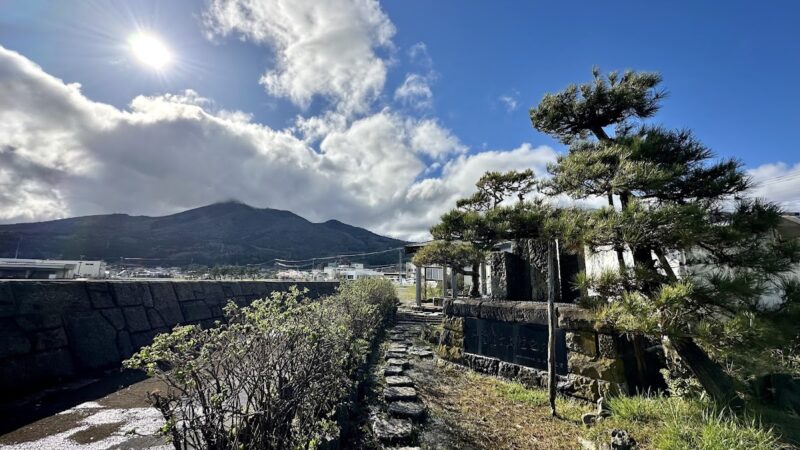
Nakazato Castle, Nakadomari Town (Aomori Prefecture) Complete Guide: The Charm and Highlights of a Historic Site from the Jomon Period to the Middle Ages
Nakazato Castle, located in Nakadomari Town, Kitatsugaru District, Aomori Prefecture, is a valuable historical site that was continuously used by people from the Jomon period to the Middle Ages. Currently, it is maintained as the “Nakazato Castle Historic Site Park,” a tourist spot where visitors can see the reconstruction of an ancient moated settlement and the remains of a medieval castle. This article comprehensively introduces detailed information useful for your visit, from the historical background of Nakazato Castle to specific highlights and access methods.
What is Nakazato Castle?: A Historic Site Called “Yatekko” and “Oshirokko”
The Nakazato Castle ruins are located in the center of Nakadomari Town and have long been affectionately known locally as “Yatekko” and “Oshirokko.” This name indicates that local residents have recognized this place as a special place for generations.
Location and Basic Information
- Location: Nakazato area, Nakadomari town, Kitatsugaru district, Aomori Prefecture
- Designation: Town-designated historical site
- Current Status: Developed as Nakazato Castle Historical Site Park
- Nearest Station: Approximately 10 minutes on foot from Tsugaru Nakazato Station on the Tsugaru Railway
- Opening Hours: Park is open 24 hours (with nighttime lighting)
- Admission Fee: Free
History of Nakazato Castle: Human Activities spanning approximately 5500 years
The greatest feature of Nakazato Castle lies in its long history. The example of a single location being used in various forms across different eras is rare nationwide and holds high archaeological value.
Early Jomon Period (approximately 5500 years ago): Hunting Ground
The oldest traces of use at the Nakazato Castle site date back to the early Jomon period. During this period, it is believed that this area was used as a base for hunting activities. Excavations have unearthed fragments of Jomon pottery and stone tools, providing evidence of the lives of people at that time.
Heian Period (Mid-10th to 11th Century): Establishment of a Moated Settlement
In the mid-Heian period, around the mid-10th century, the Tsugaru Plain began to be developed on a large scale, and many ancient settlements were established. The Nakazato Castle site also began to be used as a settlement during this period.
By the mid-11th century, a moated settlement was formed, surrounded by moats, earthworks, and palisades. This was a defensive structure to protect the settlement from external enemies and wild animals, reflecting the tensions of the social situation at the time. The current historical park has been restored to match its state in the mid-11th century.
Muromachi Period (Early 15th Century): Use as a Castle
During the medieval period, particularly the Muromachi period, Nakazato Castle took on a stronger character as a military base. This period saw intensified armed conflict between the Ando and Nanbu clans.
The Ando Clan and Tosa-minato
Nakazato Castle is believed to have been under the influence of the Ando clan, who had established a presence in Tosa-minato. Tosa-minato was a major trading port in northern Japan during the medieval period, and the Ando clan prospered through northern trade from this base. Nakazato Castle likely functioned as an important military base connecting Tosa-minato with the inland areas.
Pressure from the Nanbu Clan and the Castle’s Abandonment
However, in the latter half of the 15th century, pressure from the Nanbu clan intensified. The Ando clan gradually lost power and was eventually driven towards Hokkaido. It is presumed that with the Ando clan’s departure, Nakazato Castle also ceased to exist and was abandoned.
About the Castle Lord
Regarding the specific lord of Nakazato Castle, historical records are scarce, and details remain unclear. While it is highly probable that a member of the Ando clan or a retainer was appointed as the castle lord, no definitive records remain. This remains a subject for future research.
Highlights of Nakazato Castle Historical Park: Restored Ancient Settlement and Medieval Remains
The current Nakazato Castle Historical Park is a tourist facility that utilizes its historical value while being enjoyed by visitors.
Restored Pit Dwellings
Within the park, pit dwellings from the late Heian period (11th century) have been restored. These buildings are faithful reproductions of their original appearance based on the results of archaeological excavations, making them valuable facilities that allow visitors to concretely imagine the lives of people in ancient times.
The interiors of the pit dwellings are open to visitors, allowing them to observe the structure of the living space up close, including the earthen floor and hearth remains. The building structure and the use of building materials will give visitors a real sense of the high level of ancient architectural technology.
Earthworks and Dry Moats: Defensive Structures of a Medieval Castle
While strolling through the park, you can see earthworks and dry moats, which are remnants of a medieval castle. These are remnants of defensive structures from when the site was used as a castle in the first half of the 15th century.
The earthen ramparts, some reaching several meters in height, are important historical remains that demonstrate the castle-building techniques of the time. The dry moats, dug to prevent enemy intrusion, can still be clearly observed today. By actually walking through these remains, you can experience firsthand how medieval castles were defended.
Observation Deck: Spectacular Views of the Tsugaru Plain and Mount Iwaki
From the observation deck located within the park, you can enjoy a panoramic view of the Tsugaru Plain. On clear days, you can also admire the majestic figure of Mount Iwaki, a symbol of Tsugaru.
The view from the observation deck provides clues to understanding why people in ancient and medieval times considered this area important. Its location on a hill overlooking the surrounding area was ideal as a defensive base and also advantageous for monitoring strategic transportation routes.
Lawn Area and Walking Paths
The historical park features a spacious lawn area, perfect for picnics and relaxation. It’s a great place for families to relax.
The walking paths are lit, making nighttime use possible. Exploring the historical sites in the quiet of the night offers a different experience than during the day. However, please exercise caution regarding safety during nighttime visits.
Information Boards and Explanatory Panels
Information boards and explanatory panels explaining the history and structure of the ruins are installed at key points within the park. Reading these while strolling will allow you to gain a deeper understanding of Nakazato Castle’s history.
Structure and Defensive System of Nakazato Castle
The structure of Nakazato Castle retains the characteristics of two eras: an ancient moated settlement and a medieval castle.
Structure of the Moated Settlement (11th Century)
The 11th-century moated settlement had the following structure:
- Moat: A ditch surrounding the settlement, several meters wide and 2-3 meters deep.
- Earthwork: An earthen wall created by piling up the soil excavated from the moat.
- Pestilence: A wooden fence placed on top of the earthwork.
- Pit Dwellings: Dwellings located inside the fence.
This triple-layered defense system protected the settlement from external enemies.
Structure of the Medieval Castle (15th Century)
When used as a castle in the 15th century, it is believed that the remains of the ancient moated settlement were utilized, and the following modifications were made:
- Reinforcement and expansion of the earthwork
- Expansion of the dry moat
- Installation of watchtowers and turrets (estimated)
- Reorganization of the enclosures (kuruwa)
Further details of the structure are expected to be revealed through future archaeological excavations.
Access Information: How to Get to Nakazato Castle Historical Park
This guide provides detailed directions to Nakazato Castle Historical Park.
Access by Public Transportation
Using the Tsugaru Railway
- Transfer to the Tsugaru Railway at JR Goshogawara Station
- Get off at Tsugaru Nakazato Station (approximately 40 minutes from Goshogawara Station)
- Nakazato Castle Historical Park is approximately a 10-minute walk from the station.
The Tsugaru Railway is also famous as a tourist line that operates the “Stove Train” during the winter. We recommend using it during your visit.
Using the Bus
Konan Bus routes are also available, but since the number of buses is limited, we recommend checking the timetable in advance.
Access by Car
From Aomori City
- Approximately 1 hour via National Route 280
- Approximately 40 minutes from Namioka IC on the Aomori Expressway
From Hirosaki City
- Approximately 50 minutes via National Route 339
From Goshogawara City
- Approximately 20 minutes via National Route 339
Parking
Nakazato Castle Historical Park has a free parking lot. There is space for approximately 20 regular-sized cars.
Address and Navigation Settings
- Address: Nakazato, Nakadomari-machi, Kitatsugaru-gun, Aomori Prefecture
- Car Navigation Settings: Search for “Nakazato Castle Historical Park” or “Tsugaru Nakazato Station”
Nearby Tourist Attractions
When visiting Nakazato Castle Historical Park, we recommend also visiting nearby tourist attractions.
Forest Park
Nakadomari Town boasts a lush forest park where you can enjoy the scenery of each season. Hiking trails are also well-maintained, making it ideal for nature walks.
Shichihira Observatory
This observatory offers panoramic views of the Tsugaru Peninsula. Enjoy the magnificent scenery of the Sea of Japan and the Tsugaru Plain.
Lake Jusan
Lake Jusan, the site of the medieval trading port of Jusan-minato, is famous for its clams. There are restaurants along the lakeshore where you can enjoy fresh clam dishes. It’s a place with deep historical ties to Nakazato Castle, so visiting both is recommended.
Kodomari District
Kobari district, another central area of Nakadomari Town, is known as a place associated with Osamu Dazai. It’s the setting for his novel “Tsugaru,” a must-see spot for literature fans.
Points to Note and Recommended Attire for Your Visit
Clothing and Items to Bring
- Comfortable Walking Shoes: The park has uneven terrain, so comfortable walking shoes such as sneakers are essential.
- Hat and Sunscreen: The sun is strong in summer, so bring a hat and sunscreen.
- Warm Clothing: It gets very cold in winter, so adequate cold weather protection is necessary.
- Insect Repellent Spray: There are many insects in summer, so insect repellent is recommended.
Best Time to Visit
- Spring (April-June): The fresh greenery is beautiful, the weather is mild, and it’s perfect for a stroll.
- Summer (July-August): The greenery is lush, and there are many sunny days. However, heat and insect protection are necessary.
- Autumn (September-November): The autumn leaves are beautiful, and the temperature is pleasant. The most recommended season.
- Winter (December-March): The snowy landscape is magical. However, due to snow cover, it is necessary to check the walking paths.
Estimated Time Required
- Thorough Visit: 1.5-2 hours
- Quick Visit: 30 minutes-1 hour
If you plan to carefully read the information boards and visit the interiors of the reconstructed buildings, it is advisable to allow approximately 1.5 hours.
Archaeological Value of Nakazato Castle and Future Research
The Nakazato Castle site holds significant archaeological value.
Multi-layered Use Across Multiple Periods
It is rare nationwide to find a single location that was continuously used for approximately 5,500 years, from the Jomon period to the Middle Ages. This long history of use indicates that the site was geographically and strategically advantageous.
A Valuable Example of an Ancient Moated Settlement
The 11th-century moated settlement is a valuable example for understanding the settlement forms of the late ancient period in the Tohoku region. It is believed that these moated settlements were formed by local communities for self-defense as the central government’s control weakened.
Contribution to Ando Clan Research
The use of the castle as a medieval fort provides clues to understanding the Ando clan’s sphere of influence and power structure. Further research is needed to determine the role Nakazato Castle played within the Ando clan’s trade network centered around Jusanminato.
Future Archaeological Excavations
To date, the entire site has not been excavated, and unexplored areas remain. Further archaeological excavations may reveal more detailed historical facts.
History and Culture of Nakadomari Town
A brief introduction to Nakadomari Town, where Nakazato Castle is located.
Town Formation
Nakadomari Town was formed on March 28, 2005, through the merger of Nakazato Town and Kodomari Village. Because it was a merger of two towns and villages that were not originally adjacent, it still has an exclave structure, divided into the former Nakazato Town area and the former Kodomari Village area.
Geographical Characteristics
Located in the central part of the Tsugaru Peninsula, it faces Mutsu Bay to the east and the Sea of Japan to the west. It occupies the northern part of the Tsugaru Plain and is a region where agriculture thrives.
Culture and Local Products
- Agricultural Products: Rice, apples, melons, etc. are local specialties.
- Fishery Products: Clams from Lake Jusan, seafood from the Sea of Japan.
- Traditional Culture: Tsugaru culture thrives here, including Tsugaru shamisen and the Nebuta Festival.
Voices of Visitors to Nakazato Castle
The following are comments from people who have actually visited Nakazato Castle Historical Park:
- “The reconstructed pit dwellings were more realistic than I imagined, and I felt a close connection to ancient life.”
- “The view from the observation deck was wonderful, and I could really feel the vastness of the Tsugaru Plain.”
- “The earthworks and dry moats are well-preserved, and I could experience the atmosphere of a medieval castle.”
- “I was surprised that it was so comprehensive despite being free to visit.”
- “I felt that it is a historical site loved by the local people.”
Summary: Nakazato Castle is a valuable spot to experience the history of Tsugaru
Nakazato Castle Historical Park is a valuable historical site with a long history spanning from the Jomon period to the Middle Ages. It boasts numerous attractions, including reconstructed ancient pit dwellings, medieval earthworks and moats, and an observation deck offering panoramic views of the Tsugaru Plain.
It’s free to visit and open 24 hours a day, making it easily accessible. Its convenient location, approximately a 10-minute walk from Tsugaru-Nakazato Station on the Tsugaru Railway, is also a major draw.
For those interested in the history and culture of Aomori Prefecture, those who love castles and ancient ruins, or anyone traveling in the Tsugaru region, Nakazato Castle Historical Park is a must-see. Visiting it in conjunction with other nearby tourist attractions will enhance your Tsugaru trip.
For detailed information and the latest updates, we recommend checking the official website of Nakadomari Town or the tourist information center. Why not experience a journey through time from ancient to medieval Tsugaru at the historically romantic Nakazato Castle?