Mori Castle Complete Guide: History and characteristics of Mori Castles across Japan
In the history of castle forts in Japan, this is the famous “Mori Castle” fort at Aritaza. All of them have the same name, but each city has its own unique history. The full text of the main text is distributed, including the historical background, construction characteristics and current state of Mori castles in various parts of Japan, and comprehensive ranking of Mori castles in the U.S. provinces (Nagano 县), Tosa provinces (Kochi 县), Mikawa provinces (爱智县), and Waka Province (Ishikawa 县).
Memories
- Is this Mori Castle? : Joint name of Taza Castle Fort
- Mori Castle (Shinho Province): Yamato Castle Fort on the shore of Lake Kizaki
- Mori Castle (Tosa Province): Yamashiro in Tosa Town
- Mori Castle (Mikawa Province): Uza Castle Fort in Wayan Castle City, Kutada City
- Mori Castle (Canada): Castle fort ruins in Hebei City
- Dissimilarities in Morishiro area
- Today’s Mori Castle: History of the distant past
- Morishiro transportation and sightseeing information
Is this Mori Castle? : Joint name of Taza Castle Fort
The name “Mori Castle” has been used many times in the history of castles in Japan. Its name is derived from the original surname of the owner of the fort, which is a comprehensive source of geography. The following are some of the main points:
- Shinnokuni Mori Uji Castle (Tsurinomachi Omachi City): A plain castle fort on the shore of Lake Iyu Kizaki
- Moriji Castle, Tosa Province (Tosa Town, Tosa District, Kochi): A mountainous fort in Mt.
- Mori Uji Castle, Mikawa Province (Azhikita City, Heanjo City): Full name of Rinza Castle Fort
- Mori Uji Castle in Canada (Ishikawa Kahoku City): Medieval castle site
The period of construction, the builder, the structure and the history of Japan’s history are different from each other. On the bottom, our general details are Mori Ujijo in each area.
Mori Castle (Shinobu Province): Plain castle fort on the shore of Lake Kizaki
Overview and Geographical Expedition
The Mori castle in Shin’s province is now the plains castle in Omachi City, Nagano. The unique geographical location of Kizaki Lake, the general topography and structure of the half-island area, the fort’s northern and eastern parts cover the lake, and the western part covers the swamp and plateau. Due to its various geographical features, the use of forts and fortifications can be used to create natural rivers, making them easy to defend and use for offensive defense construction.
Nowadays, the site is named “Mori Castle Site”, and it is a memorial monument to Uchiarin Shrine. You can visit the beautiful scenery of Kizaki Lake in the city’s fort, and enjoy the history of its development and history as well as the sights of the world’s tourist attractions.
Castle Lord
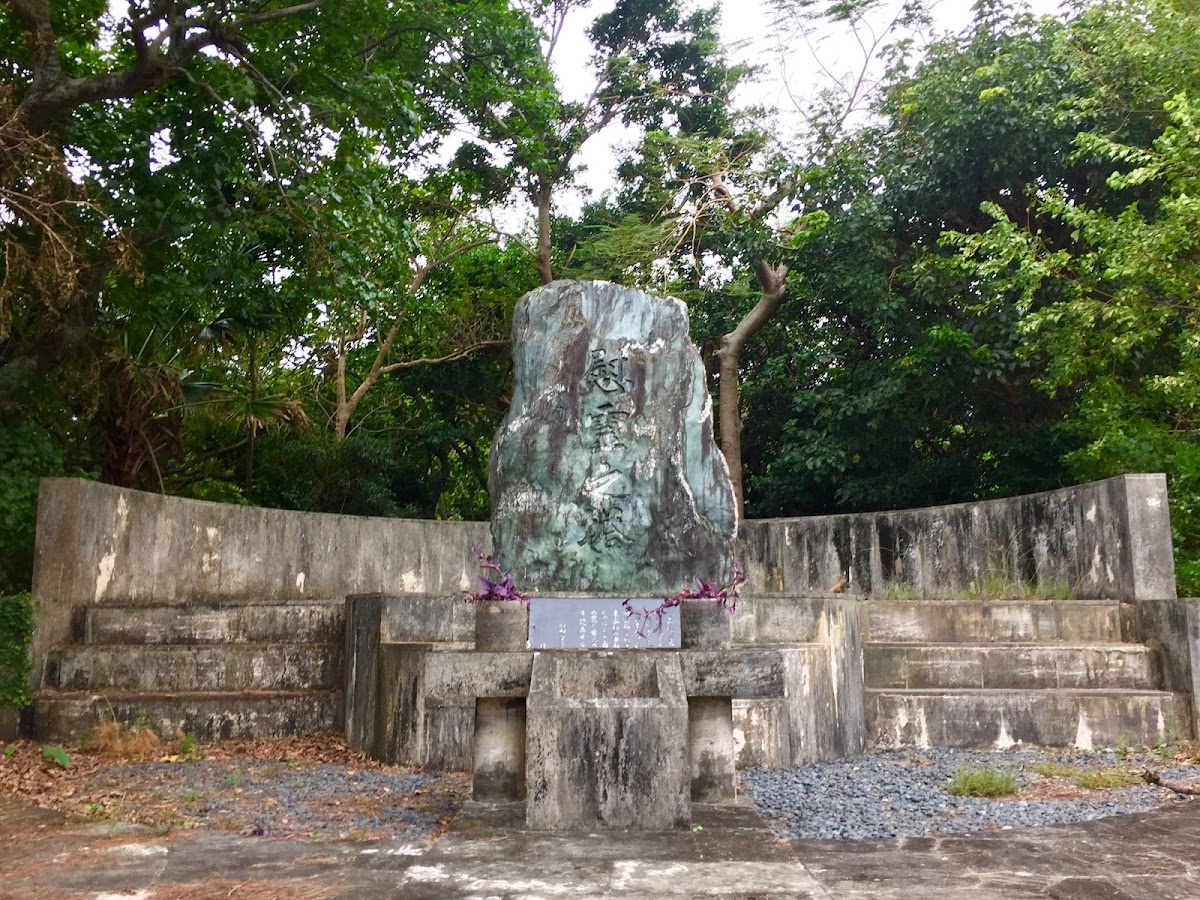
Morishiro Korejin’s residence. The Ninja family is believed to be a strong family in the country. A memorial monument commemorating the accomplishments of Ninna Morijin and other samurai at the castle and castle ruins.
The main castle tower in the castle is located in the north side of the Abe Shrine. This is a family with a long history and a prestigious status, which can be traced back to ancient times.
Castle Pond Structure Features
The special feature of Saiaki Morishiro’s book is the clever use of the land and the natural topography of Lake Kizaki. At that time, the surface of the lake was currently on a cliff, and the fort was built on a half-island-shaped promontory. However, at that time, the lake, the lake, and the marsh were protected, the defense was solidified, and the attack was overcome.
However, the fort’s unique fort shape combined with the elements of the water castle, which is well-known as a national fort construction technique, is a wisdom and a masterpiece.
Current situation
Mori Castle was about to be destroyed, and the work was completed to capture the history of the area. This is the Asakusa Road of the former Ojin Mei Shrine, which is also a must-visit place for those who love the history of Japanese cuisine and local residents. The construction of the castle and the Hijikata process are still perfectly preserved, giving us an image of what it looked like during the heyday of the castle fortification.
Mori Castle (Tosa Province): Yamashiro in Tosa Town
Geolocation and topography
Koreichiza Yamashiro, Tosa Town, Tosa District, Tosa Province. On the mountain of flowers in the northwestern part of Doi, Guanjianyu, Bibenwada. Mori Castle equipment is a typical mountain castle special expedition, and this is a defensive fort using the topographical structure of the castle.
It is recognized that the castle remains within the castle ruins area, and place names such as “Shiroyama” (Shiroyama) and “Shirotsurui” (Shirotsurui) are currently reserved, and important geographical confirmation has been provided. Please note that the name of the place may be extended and the history of the area may be remembered.
History background
This is an important example of the performance of Mori Castle in Tosa Province during the late medieval period. The appearance of small mountain castles built in Tosa Province, Tayama, and Inko’s current area is quite common. Mori Castle is recognized as the center of power in this small area.
The details of the construction period of Yusen Castle and the Japanese castle lord’s details are limited, however, the name of the place where it was located is inferred from the Japanese history, and the castle could have been used directly during the medieval period until the time of the war.
Existence
Right in front of us, Morishiro’s long-lost bunker is buried in the forest. I am sure that it is possible to manage the small castle ruins, but the large-scale excavation and restoration work has not yet been carried out. However, researchers of forts and local history researchers understand that this is an important historical site of medieval castles in Tosa Province.
Mori Castle (Mikawa Province): Uza Castle Fortress, Waanjo City, Kutian City
Mori Castle, Katsuda City
The fortress of Zengyu Ichiza, the famous city of Chengdu, Erzhiguan. The city’s fortress was located in Kamo District, Mikawa Province. Detailed historical materials are rare, but the historical sites of the Mikawa area during the War period are very rare.
Morijo, Anjo City (name of one person in Anjo City)
It’s interesting to know that you know Anjo City, Anjo City, and Anjo City Aritoya is also known as “Mori Castle”. Anjo is an important site of the Matsudaira clan, and is also an important historical castle where Tokugawa Ieyasu’s ancestors lived.
However, it is universally recognized that the surrounding terrain and place names are known. This is an example of the naming conventions of forts in the Middle Ages and other countries, and the same fort could have had multiple names at that time.
Mori Castle (Canada): Fortress ruins in Hebei City, U.
Basic information
Located in Ishikawa, Kahoku City, the castle ruins of Morijo Castle, famous for the Zagaku troupe. Right in front of you, on the top of the mountain, Takeyu Ichiza Shrine. The date of construction of Mori Castle is unknown, however, it was originally built and was used as a defensive fort during the medieval period.
Current situation
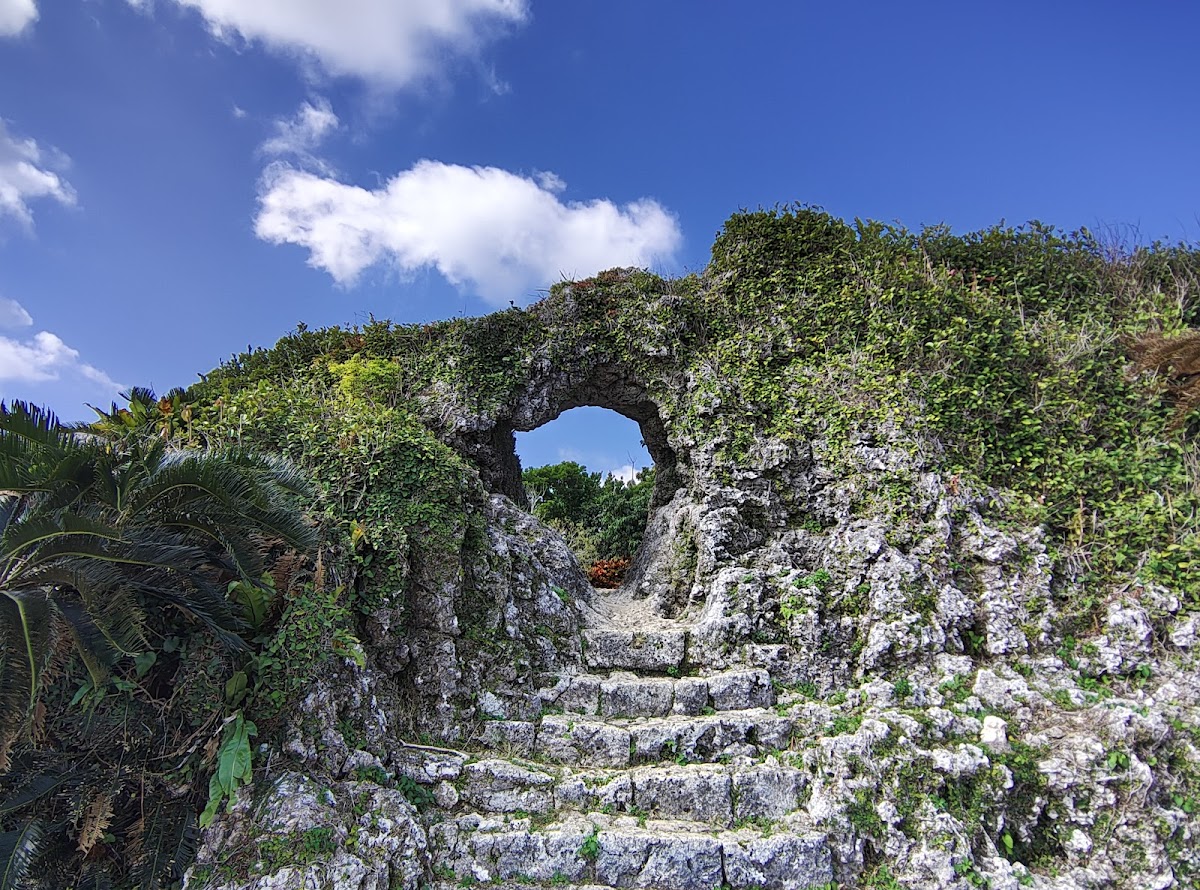
A small remnant wall of the Mori Castle ruins is included, as is the case with the construction of the earthworks. Naturally, people universally understand that it is a small fort and a non-large fort, but it is understood that there are various defensive installations in this country’s history, but it is a historical site for one’s military equipment.
In front of the site, Chengdu Ichiza Shrine, where the local residents carry out religious activities. Shojo Fort Remains Reconstruction Shrine This is a typical visual phenomenon in the history of castle forts in Japan.
Dissimilarity in Morishiro
Similar songs
The existence of Morishiro at different points is similar to the following:
- Cleverly used terrain: The local terrain of Bizamori Castle has been fully utilized. Ingenious land use for protection of natural barriers such as lakes, mountain forests, etc.
- Regional control center: Biza Mori Castle is the center of regional control control. Immediate envoys do not require large-scale fortifications, and the security of the area where they are located is an important function.
- Currently present: A part of the historical ruins of Chengdu Castle preserved in the history of Japan and the history of Chengdu.
Different
On the other hand, there is a difference between Mori Jōnoya and the following:
- Castle type: Mori Castle in Shinho Province is a hillside castle, Mori Castle in Tosa Province is a mountain castle, Mori Castle is a fortress in Canada;
- Example: A small castle fort, an example of a Mori castle in a country, a large fortress;
- Historical meaning: The residence of famous clans who built Mori Castle in the country, but also important historical meanings, but also important historical meanings in their own areas in Mori Castle.
- Current status of preservation: The history of forest castle construction in Shin-Hen province has been successfully preserved, and the forest castle in Tosa province is mostly buried in the forest, but there are differences in the degree of preservation.
Current status of Mori Castle: history and past history
History research field
The castles in various parts of Japan are important historical materials on military structure, fort construction technology, and military strategy during the medieval period in Japan. However, it is a small scale local fort, its construction style and defense concept are completely different from large forts, and the research diversity of the fort is diverse.
Travel resource usage
The country’s forest castles are similar, and a small forest castle is a historical site preserved and opened for travel. Combined with Kizaki Lake’s beautiful natural environment, visitors can also enjoy the historic and natural scenery of this tourist destination.
The route of the “journey to the castle fort” in one small area, the area to be promoted, and the current construction of the forest castle. If you are a history lover in China and want to get lost in a castle, this is a travel destination for you.
The challenge of protection
On the other hand, it was a challenge of lack of security for the ruins of Shitamori Castle. Specially, it is a buried monument in the forest, a timeless invasion and natural damage, and a disappearing style.
The following measures have been taken to meet the demand:
- In-depth academic research record archive
- Local folk development, history education, Japanese awareness, and activities
- Construction appropriate protection management system
- Use of travel and transportation resources
Morishiro traffic reference information
Morishiro, Nobuaki Province (Tsurinomachi City)
Transportation: Travel time approximately 15 minutes from JR Oito Line. A car rides along the shore of Lake Kizaki.
Visiting points: Originated from the visit to Yonina Shrine, the site of Kasho Castle Fortress. The scenery is beautiful, and the beautiful scenery of Kizaki Lake. Construction spring to autumn.
Travel time: Approximately 30 minutes to 1 hour
Mori Castle, Tosa Province (Tosa Town, Tosa District, Kochi)
Transportation: From Kochi City by car approximately 1 hour. Public transportation limited, construction self-driving.
Visiting points: Yuyu is a mountain fort, and the demand is met with appropriate clothing and mountaineering equipment. If you are familiar with the local history, you can go deeper into the fort.
Notes: Since the forest is not yet completed, please read the original information beforehand, and the local travel association will receive information from the local travel association.
Mori Castle (Ishikawakahoku City)
Transportation: Directly accessible from JR Nanao Line “Uno Station”. Yumori Castle is also located at the same time as the shrine, so transportation is convenient.
Visit knowledge: Removed from outside the shrine, you can visit the castle fort inside the castle fortress, and there is a small amount of construction work. The surrounding environment is clear, and the history of the experience is clear.
Reference Fees
Morishiro’s research is developed under the background of research on local history and forts in various regions. Main reference materials:
-《Japanese castle large dragonfly》 (new sacred object large shrine)
- Local history of each city
- Fortress research industry edition single edition essay
- 《Shinho Yamashiro Yoroki》 (Kyodo Publisher)
- 《Tosano Castle》 (Kochi Shinpeisha)
These minor documents are the sources of important information regarding the historical background, structure, and change of Mori castles in each region.
Main issue
The following is an interesting topic for researching the fort and history of Yomori Castle.
- Jina clan: The family of the owner of Mori Castle in Nobuaki Province
- Lake Kizaki: Important geographical special expedition due to the location of Mori Castle in Shinga Province
- Tosayama Castle: Medieval Keiyama Castle Group within Kochi Precincts, Mori Castle in Tosa Province
- Anjo: An important fort in Mikawa Province, also called Tomori Castle
- Hirayama Castle: A lakeside castle similar to Mori Castle
- Medieval area restraint: Small-scale fort-like effect
Conclusion
The famous “Forest Castle” fort has been spread all over Japan, and each city has its own unique history and characteristics. The Mori Castle in the province of Xin, the beautiful Hirayama Castle on the shore of Lake Kizaki; the Mori Castle in the Tosa Province, the Usan District in the province, the Yamashiro in the strategic plan, and the important effects of the various districts in the city.
The castle fort is not the same as the famous castle fortress, but the fort was originally built and used for defensive construction under the local circumstances. However, this is a small excerpt from the history of the world. The history of the castle is rare, the cultural diversity and regional characteristics of Japan’s castle forts have been developed, and the research has been completed to protect them.
Visiting Forest Castle, we can experience the real life of the local community, the daily life of people, and the diverse and colorful history of Japan from the Middle Ages to the end of the country. A unique story from Morijo every time, a new chapter of Japanese history that explores the heart!