All About Mori Castles: A Thorough Explanation of the History and Characteristics of Mori Castles Scattered Across Japan
In the history of Japanese castles, there are several castles named “Mori Castle.” despite sharing the same name, each has forged its own unique history in a different region. This article comprehensively explains the historical background, structural characteristics, and current status of Mori Castles scattered throughout Japan, including those in Shinano Province (Nagano Prefecture), Tosa Province (Kochi Prefecture), Mikawa Province (Aichi Prefecture), and Kaga Province (Ishikawa Prefecture).
##Table of Contents
- What is Mori Castle?: A Name Common to Multiple Castles
- Mori Castle (Shinano Province): A Hilltop Castle on the Shore of Lake Kizaki
- Mori Castle (Tosa Province): A Mountain Castle in Tosa Town
- Mori Castle (Mikawa Province): Two Castles in Toyota City and Anjo City
- Mori Castle (Kaga Province): Fort Ruins in Kahoku City
- Similarities and Differences Among Mori Castles in Various Locations
- Mori Castle Today: Remains and Historical Site Value
- Access and Visiting Information for Mori Castle
What is Mori Castle?: A Name Common to Multiple Castles
The name “Mori Castle” has been used in various regions throughout the history of Japanese castles. The reasons for this naming vary, including its origin in the geographical feature of “Mori” (forest) or the surname of the castle lord. The following are some of the major Mori Castles:
- Mori Castle in Shinano Province (Omachi City, Nagano Prefecture): A flatland castle on the shores of Lake Kizaki
- Mori Castle in Tosa Province (Tosa Town, Tosa District, Kochi Prefecture): A mountain castle on Hanaseyama Mountain
- Mori Castle in Mikawa Province (Toyota City and Anjo City, Aichi Prefecture): A collective name for several castles
- Mori Castle in Kaga Province (Kahoku City, Ishikawa Prefecture): The remains of a medieval fort
Each Mori Castle differs significantly in its construction period, builder, structure, and historical role. Below, we will examine the Mori Castles in each region in detail.
Mori Castle (Shinano Province): A flatland castle on the shores of Lake Kizaki
Overview and Geographical Characteristics
Mori Castle in Shinano Province was a flatland castle located in what is now Omachi City, Nagano Prefecture. Taking advantage of its distinctive location on the shores of Lake Kizaki, it was built utilizing the peninsula-like terrain, with the northern and eastern parts of the castle surrounded by the lake and the western part by a marsh. This geographical advantage allowed it to utilize the lake surface as a natural moat, resulting in a highly defensible castle.
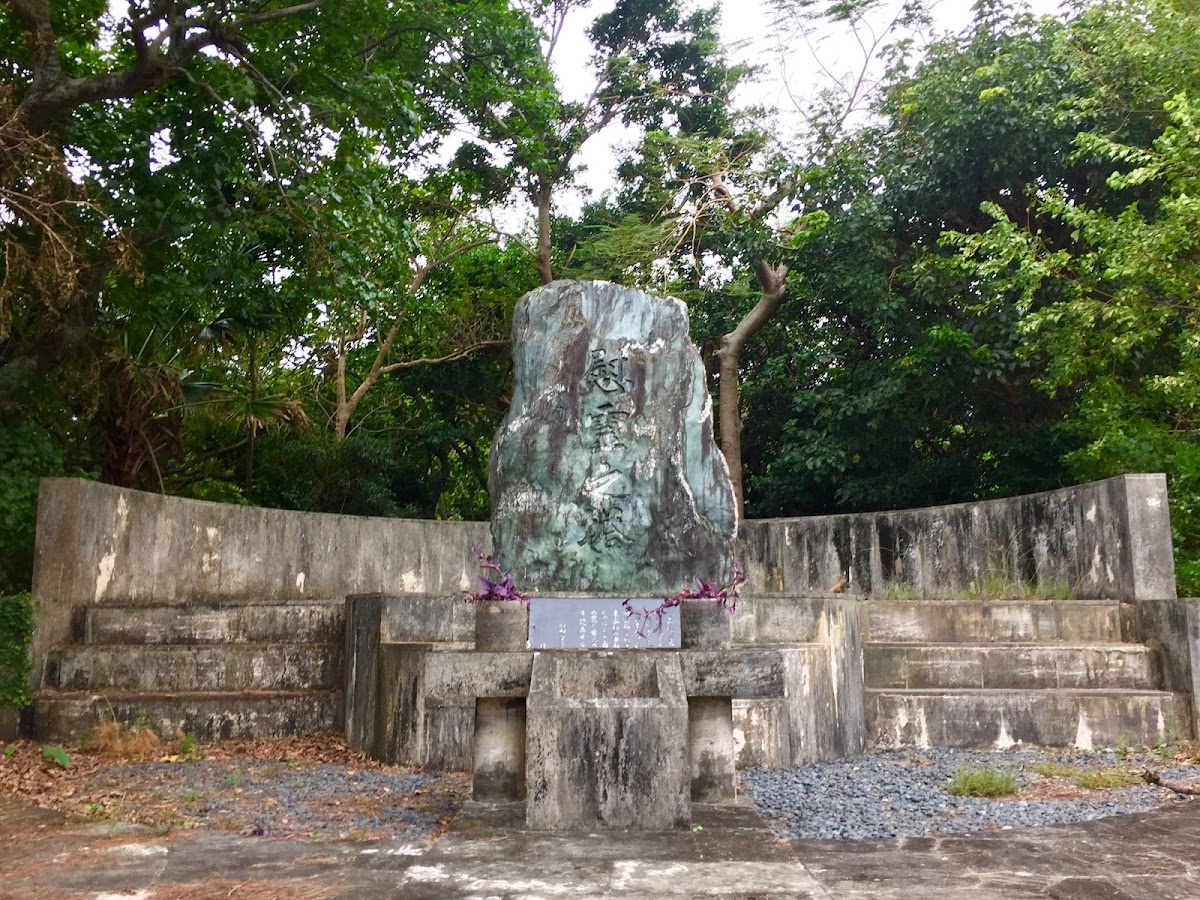
The site is now maintained as “Mori Castle Ruins,” and features the Nishina Shrine and a monument to Nishina Morito. From the castle ruins, one can enjoy a beautiful view of Lake Kizaki, making it a historical site with both historical and tourist value.
History and the Castle Lord
Mori Castle is known as the residence of the Nishina clan. The Nishina clan was a powerful family based in Nishina-go, Shinano Province, and was an important force in the region. Nishina Morito is particularly known as a famous warrior, and a monument commemorating his achievements has been erected at the castle ruins.
To the north of the castle’s main keep, on a lower level, stands the Abe Shrine, which enshrines the ancient Abe clan, considered to be the ancestors of the Nishina clan. This is important evidence that the Nishina clan was a family with a long and distinguished history dating back to ancient times.
Features of the Castle Structure
The most distinctive feature of Mori Castle is its layout, which skillfully utilizes the natural topography of Lake Kizaki. At that time, the lake surface was wider than it is today, and the castle was built on a peninsula-like promontory. While the western side is now connected to the mainland, it was protected by the lake and swamps at the time, making it extremely difficult to attack.
Although classified as a hilltop castle, its unique castle form, incorporating elements of a water castle, is a fine example of the ingenuity and technology of castle construction in Shinano Province.
Current Situation
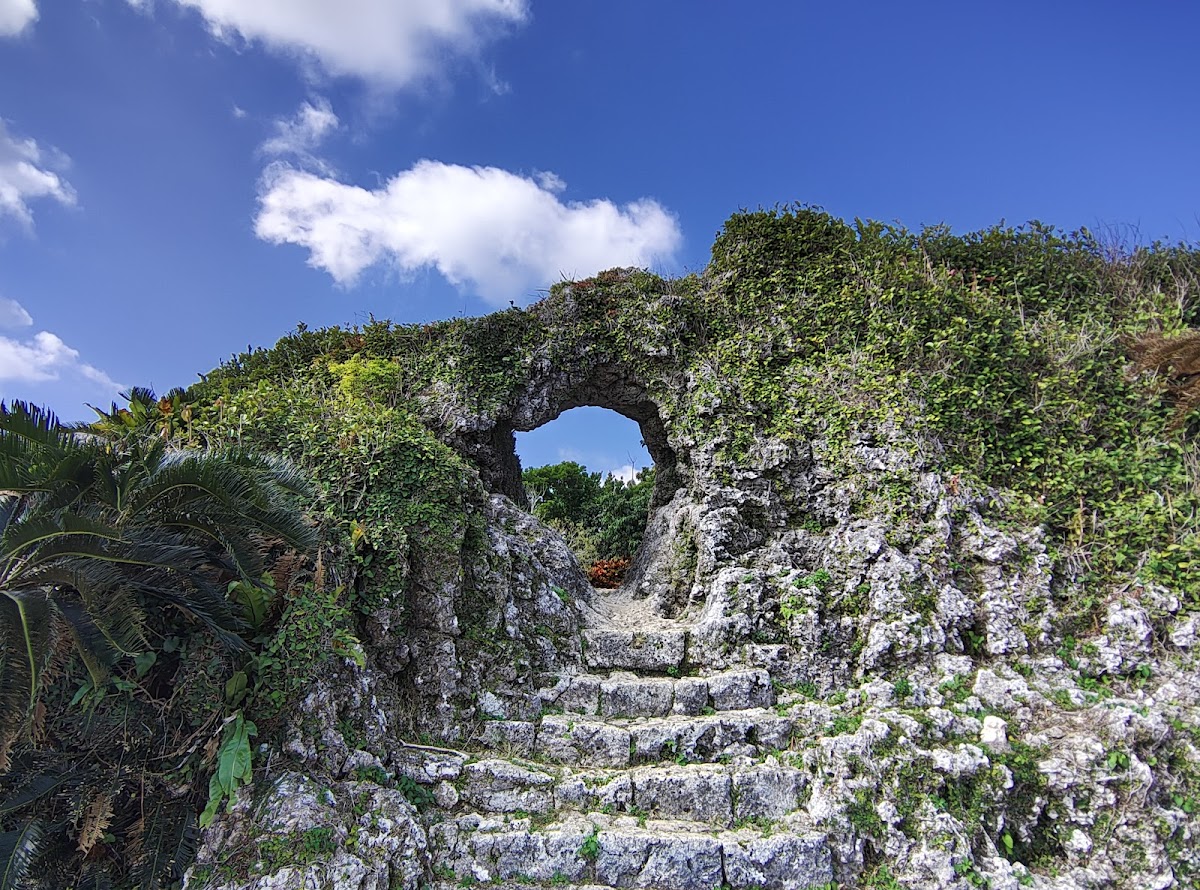
The Mori Castle ruins are currently maintained as a historical symbol of the region. It is used as a pilgrimage route to Nishina Shrine and is a place visited by local residents and history enthusiasts. Remains such as baileys and earthworks still exist, allowing us to imagine the castle’s structure in its heyday.
Mori Castle (Tosa Province): A Mountain Castle in Tosa Town
Location and Topography
Mori Castle in Tosa Province was a mountain castle located in Tosa Town, Tosa District, Kochi Prefecture. It was built on Hanaseyama, northwest of Doi and adjacent to Wada. It possessed typical characteristics of a mountain castle, a defensive fortress that utilized the rugged terrain.
Place names such as “Shiroyama” (Castle Mountain) and “Shirotsurui” (Castle-Tsurui) still remain in the area believed to be the castle site, providing important geographical evidence that a castle once existed here. The persistence of such place names is also evidence that the region’s historical memory is being passed down.
Historical Background
Mori Castle in Tosa Province is thought to have played an important role in the regional power structure of the Tosa region during the medieval period. Tosa Province is largely mountainous, and there was a tendency for small mountain castles to be built throughout the region. Mori Castle is presumed to have functioned as one of these regional power bases.
Detailed records regarding the construction period and the castle lord are limited, but based on place names and remains, it is highly likely that it was in use from the medieval period to the Sengoku period.
Current Status of the Remains
Currently, the remains of Mori Castle are buried in the forest. Although some traces of baileys and moats can be confirmed, large-scale excavations and restoration work have not been carried out. Nevertheless, it is recognized by castle researchers and local history researchers as an important historical site for understanding medieval castles in Tosa Province.
Mori Castle (Mikawa Province): Two castles in Toyota City and Anjo City
Mori Castle in Toyota City
A castle called Mori Castle existed in Toyota City, Aichi Prefecture. Located in Kamo District, Mikawa Province, this castle is thought to have been the residence of a local minor lord. Although detailed records are scarce, it is a valuable historical site for understanding the regional power structure in the Mikawa region during the Sengoku period.
Mori Castle in Anjo City (Another name for Anjo Castle)
interestingly, Anjo Castle, located in Anjo City, Aichi Prefecture, was also sometimes called “Mori Castle.” Anjo Castle is a castle known as an important base for the Matsudaira clan and is a historic important castle where the ancestors of Tokugawa Ieyasu resided.
There are various theories as to why Anjo Castle was called Mori Castle, but it is thought to be related to the surrounding topography and place names. This example illustrates the complexity of castle naming during the medieval and Sengoku periods, where the same castle could be known by multiple names.
Mori Castle (Kaga Province): Fort Ruins in Kahoku City
Basic Information
In Kahoku City, Ishikawa Prefecture, there are fort ruins known as Mori Castle. Currently, the remains are preserved on a hill where a shrine now stands. The year of construction is unknown, but it is presumed to have functioned as a regional defense base during the medieval period.
Status of the Remains
The remains of Mori Castle consist of only small remnants such as baileys and earthworks. While it relatively is thought to have been a small fort rather than a large castle, it is a valuable historical site for understanding the actual state of defensive facilities in local history.
Currently, the site is a shrine and functions as a place of worship for the community. The use of castle ruins as shrines is a common phenomenon in the history of Japanese castles.
Similarities and Differences in Mori Castles in Various Locations
Similarities
The following similarities can be observed among Mori Castles in various locations.
- Skillful Use of Terrain: Each Mori Castle was built making the most of the local terrain. They demonstrate ingenuity in utilizing natural fortifications such as lakes, mountains, and forests for defense.
- Centers for Regional Control: Each Mori Castle functioned as a center of control within its respective region. Even if not a large-scale fortress, it played a crucial role in regional security and governance.
- Passing Down to the Modern Age: Many Mori Castle ruins are preserved as shrines and historical sites, becoming part of the region’s historical identity.
Differences
On the other hand, there are also differences among the Mori Castles, as follows:
- Castle Style: Mori Castles in Shinano Province are castle hills, Mori Castles in Tosa Province are mountain castles, and Mori Castles in Kaga Province are forts; each employs a different castle style.
- Scale: Some, like Mori Castle in Shinano Province, are relatively large fortresses, while others, like Mori Castle in Kaga Province, are small forts.
- Historical Significance: While Mori Castle in Shinano Province, known as the residence of the Nishina clan, is considered historically more important, other Mori Castles are also valuable historical sites in their respective regions.
- Current Status of Preservation: While Mori Castle in Shinano Province is preserved as a historical site, Mori Castle in Tosa Province is largely buried in forest, demonstrating the varying levels of preservation and maintenance.
Current Status of Mori Castles: Remains and Value as Historical Sites
Value in Historical Research
Mori Castles throughout Japan serve as important historical sources for understanding regional power structures, castle construction techniques, and military strategies from the medieval to the Sengoku period in Japan. Smaller, local castles, in particular, exhibit architectural styles and defensive philosophies different from larger castles, enriching the diversity of castle research.
Utilization as a Tourism Resource
Like Mori Castle in Shinano Province, some castles have been preserved as historical sites and utilized as tourism resources. Combined with the beautiful natural environment of Lake Kizaki, it has become a tourist destination where visitors can enjoy both history and nature.
In some regions, “castle tour” routes including Mori Castle are being established to promote regional development. For history enthusiasts and castle fans, these historical sites are valuable destinations.
Challenges of Preservation and Transmission
On the other hand, many Mori Castle ruins face the challenge of insufficient preservation and maintenance. In particular, remains buried in forests are at risk of being lost due to deterioration over time and natural disasters.
To pass on Mori Castle as a regional historical heritage to future generations, the following initiatives are necessary:
- Detailed academic research and record-keeping
- Historical education and awareness-raising for local residents
-Establishment of an appropriate preservation and management system
- Sustainable utilization as a tourism resource
Access and Visiting Information for Mori Castle
Mori Castle, Shinano Province (Omachi City, Nagano Prefecture)
Access: Approximately 15 minutes on foot from Inao Station on the JR Oito Line. Located on the shores of Lake Kizaki, it is also accessible by car.
Highlights of Visiting: You can explore the castle ruins in conjunction with a visit to Nishina Shrine. It’s a superb location with beautiful views of Lake Kizaki. Visiting from spring to autumn is recommended.
Estimated Time Required: Approximately 30 minutes to 1 hour
Mori Castle, Tosa Province (Tosa-cho, Tosa-gun, Kochi Prefecture)
Access: Approximately 1 hour by car from Kochi City. Public transportation is limited, so visiting by car is recommended.
Highlights of Visiting: As it is a mountain castle, appropriate clothing and equipment for hiking are necessary. A deeper understanding can be gained by accompanying a local guide knowledgeable in local history.
Caution: As it is an unmaintained forest, avoid visiting alone and it is recommended to check information with the local tourism association beforehand.
Mori Castle (Kahoku City, Ishikawa Prefecture)
Access: Within walking distance from JR Nanao Line “Unoke Station”. It is relatively easy to access as it is used as shrine grounds.
Points to Note During Your Visit: In conjunction with visiting the shrine, you can observe the few remaining remnants of the castle’s baileys and earthworks. It’s a quiet place where you can feel the history of the region.
References
Research on Mori Castle has progressed within the context of local history and castle research in various regions. The main references are listed below:
- *Nihon Jōkaku Taikei* (Comprehensive Survey of Japanese Castles) (Shin Jinbutsu Ōraisha)
- Municipal and local histories of various regions
- Individual articles in specialized castle research journals
- *Shinano no Yamashiro to Yakata* (Kyōdo Shuppansha)
- *Tosa no Shiro* (Kōchi Shimbunsha)
These documents are important sources of information for understanding the historical background, structure, and changes of Mori Castles in various regions.
Related Topics
The following topics are also interesting research subjects related to castles and historical matters concerning Mori Castle.
- Nishina Clan: A family known as the lords of Mori Castle in Shinano Province
- Kizaki Lake: An important geographical feature characterizing the location of Mori Castle in Shinano Province
- Mountain Castles of Tosa: A network of medieval mountain castles in Kochi Prefecture, including Mori Castle in Tosa Province
- Ansho Castle: An important castle in Mikawa Province, also known as Mori Castle
- Hirayama Castle: A type of lakeside castle like Mori Castle in Shinano Province
- Regional Control in the Middle Ages: The role played by small castles
Summary
Castles bearing the name “Mori Castle” are scattered throughout Japan, each possessing its own unique history and characteristics. Mori Castle in Shinano Province, a beautiful Hirayama castle on the shores of Kizaki Lake, and Mori Castle in Tosa Province, a strategic mountain castle in a mountainous area, each played important roles in their respective regions.
Unlike famous castles with large keeps, these castles were built as practical defensive structures suited to the local conditions. However, their historical value is by no means small. Rather, these castles are valuable historical sites that demonstrate the diversity and regional characteristics of Japanese castle culture, and should continue to be preserved and researched.
By visiting Mori Castle, we can experience the realities of local communities, the lives of people, and the multifaceted nature of history from the medieval to the Sengoku period in Japan. Enjoy the pleasure of discovering new aspects of Japanese history through the unique stories of each Mori Castle.