Complete Guide to Kinoura Castle (Ehime Prefecture) | History and Highlights of a Medieval Coastal Castle Built on Hakata Island
What is Kinoura Castle?
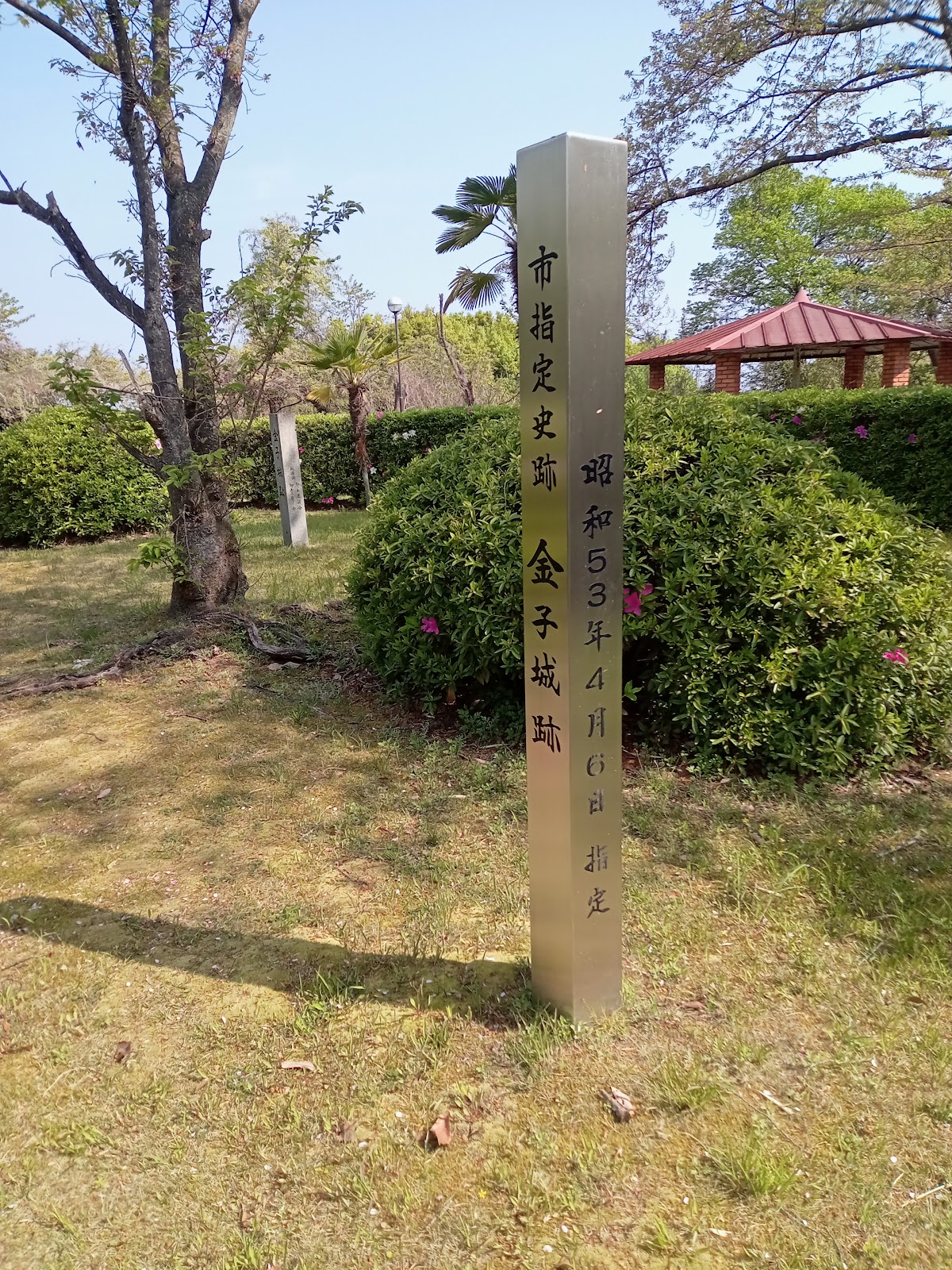
Kinoura Castle (Kinoura-jo) is a medieval mountain castle located in Kinoura, Hakata-cho, Imabari City, Ehime Prefecture. It is a multi-bailey mountain castle built on the summit of Iwagamine Mountain, 90m above sea level (approximately 90m relative height), on Hakata Island in the Seto Inland Sea. It is also written as Kinoura Castle.
Hakata Island is nationally known as the birthplace of “Hakata Salt,” but important coastal castles existed on this island from the medieval period to the Sengoku period. Kinoura Castle is a prime example, functioning as a strategic point for monitoring and controlling maritime traffic in the Seto Inland Sea.
Currently, it is maintained as the “Hakata Furusato Historical Park,” with a replica keep, turrets, and gates, but it is currently closed. Nevertheless, the castle ruins remain, making it a historical site worth visiting for castle enthusiasts.
History of Kiura Castle
Construction and the Era of the Ki Clan
Kiura Castle is believed to have been built around 1170 (Kaō 2). The builders were the Ki clan, who served as retainers (vassals) of Kōno Michinobu, a powerful local lord of Iyo Province. As the Kōno clan’s power expanded, the Ki clan played a key role in controlling the islands of the Seto Inland Sea.
From the late Heian period to the early Kamakura period, control of the Seto Inland Sea was extremely important to the samurai government. Kiura Castle was built during this period as a base to control a crucial point of maritime traffic. Its location facing Hakata Port was ideal for monitoring ship traffic and taking military action when necessary.
The Jōkyū War and the Fall of Kiura Castle
The most important event in the history of Kiura Castle is its fall during the Jōkyū War (1221). This war was a political coup d’état in which Emperor Go-Toba attempted to overthrow the Kamakura Shogunate, but it ultimately ended in a decisive victory for the Shogunate forces.
The Ki clan fought on the side of Emperor Go-Toba alongside their lord, the Kōno clan, but suffered a defeat. Kiura Castle fell to an attack by the Kamakura forces, and it is said that the Ki clan was annihilated. As a result of this incident, Kiura Castle temporarily lost its function.
After the Jōkyū War, the Kōno clan’s power in Iyo Province temporarily declined, but eventually recovered. It is thought that Kiura Castle also regained its position as an important base during this process.
The Sengoku Period and the Murakami Suigun (Murakami Naval Force)
During the Sengoku period, Kiura Castle came under the control of the Murakami Suigun. The Murakami Suigun (Murakami Naval Force) was divided into three branches: the Noshima Murakami, the Kurushima Murakami, and the Innoshima Murakami. They were known as a powerful pirate group (maritime armed force) that controlled the Seto Inland Sea.
During this period, Kiura Castle functioned as an outpost of Hakata Castle (Hakata Honjo). Hakata Castle was a large-scale, complex, multi-bailey coastal fortress, a key stronghold of the Murakami clan, and Kiura Castle formed part of its defense network.
While Noshima Castle and Amasaki Castle are well-known bases of the Murakami Suigun, Kiura Castle also played an important role in monitoring the Seto Inland Sea shipping lanes. It is believed that the Murakami clan controlled the waters around Hakata Island through Kiura Castle, collecting tolls from passing ships and demonstrating their military presence.
Kiura Castle in the Early Modern Period
With Toyotomi Hideyoshi’s conquest of Shikoku and the establishment of the Edo Shogunate, the Murakami Suigun was disbanded. It is presumed that Kiura Castle was abandoned around this time. Afterward, the castle ruins were left neglected for a long time, but they continued to be recognized as a local historical heritage site.
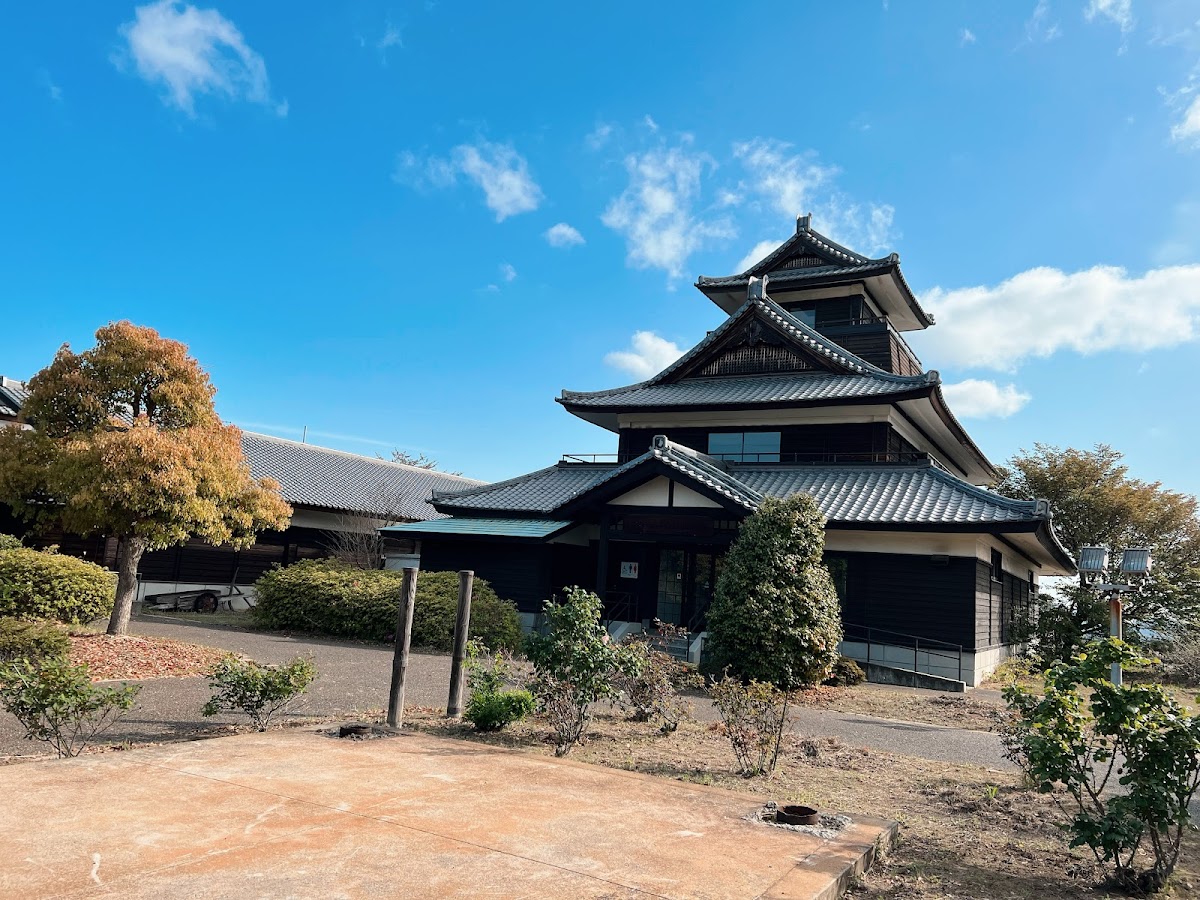
In the latter half of the 20th century, as part of regional development and historical tourism, the “Hakara Furusato Historical Park” was developed on the site of Kiura Castle. In 1994, a reinforced concrete replica of the castle keep (a complex watchtower type, 3 stories, 3 floors) was constructed, and the interior was used as a museum. However, due to maintenance and management issues, the park is currently closed.
Structure and Remains of Kiura Castle
Layout and Castle Structure
Kiura Castle was built as a renkaku-style mountain castle. A renkaku-style castle is a layout in which multiple baileys (kuruma) are arranged in a line around the main bailey (honmaru). This structure is often seen in mountain castles that utilize mountain ridges and is an efficient design in terms of both defense and attack.
The highest point is the summit of Iwagamine Mountain, at an altitude of about 90m, and the baileys are arranged in stages from there. Although relatively small for a mountain castle, it strongly exhibits characteristics of a coastal castle, taking advantage of its location facing the sea.
Existing Remains
The following remains exist at the Kiura Castle site:
Enclosures (Kuruwa)
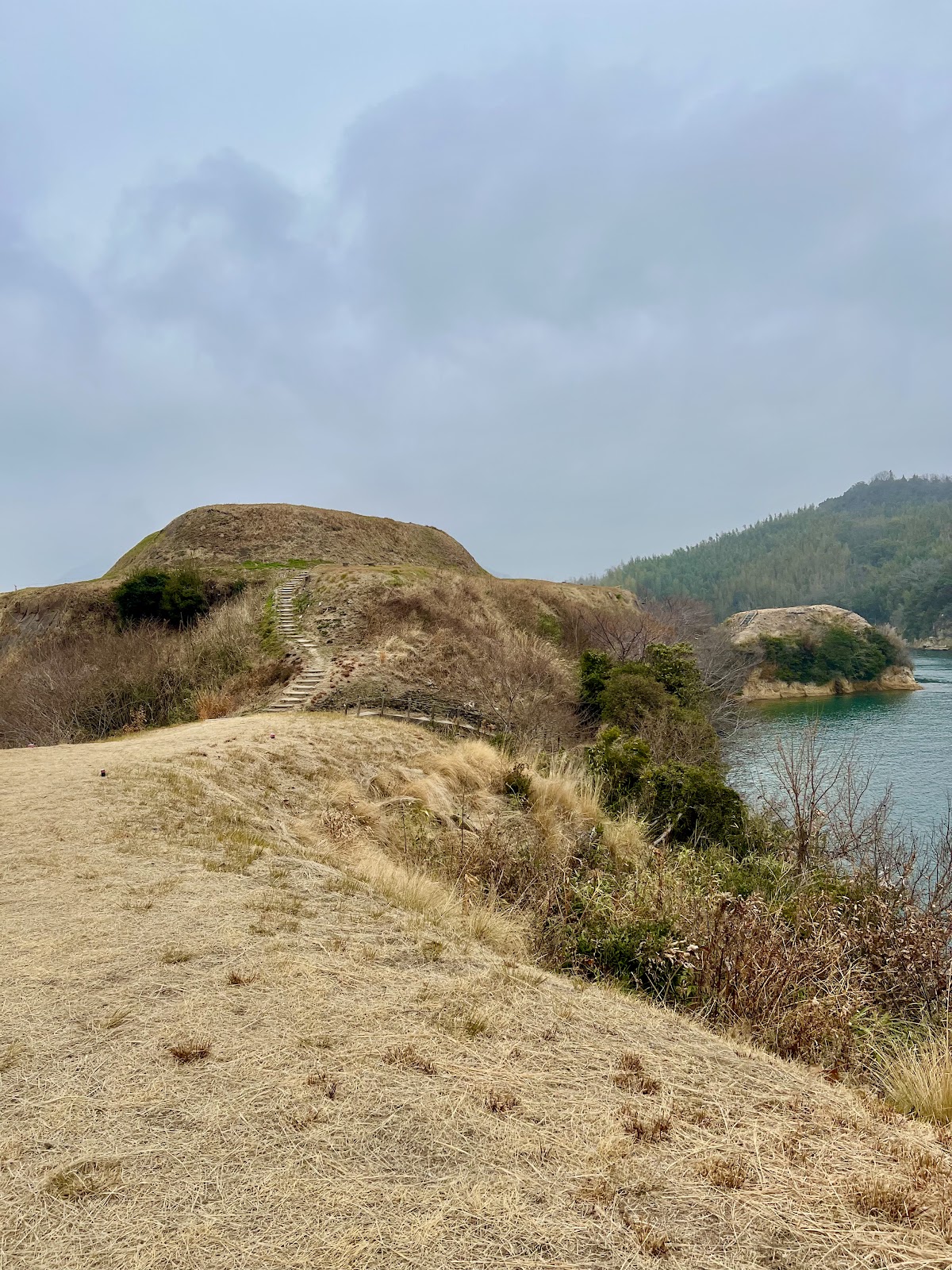
Multiple enclosures (kuruma) can be identified. The terraced arrangement of enclosures, centered around the main enclosure, conveys the layout of the castle at the time. The flat surfaces of the enclosures are relatively well-preserved, allowing us to imagine the traces of buildings that once stood there.
Moat
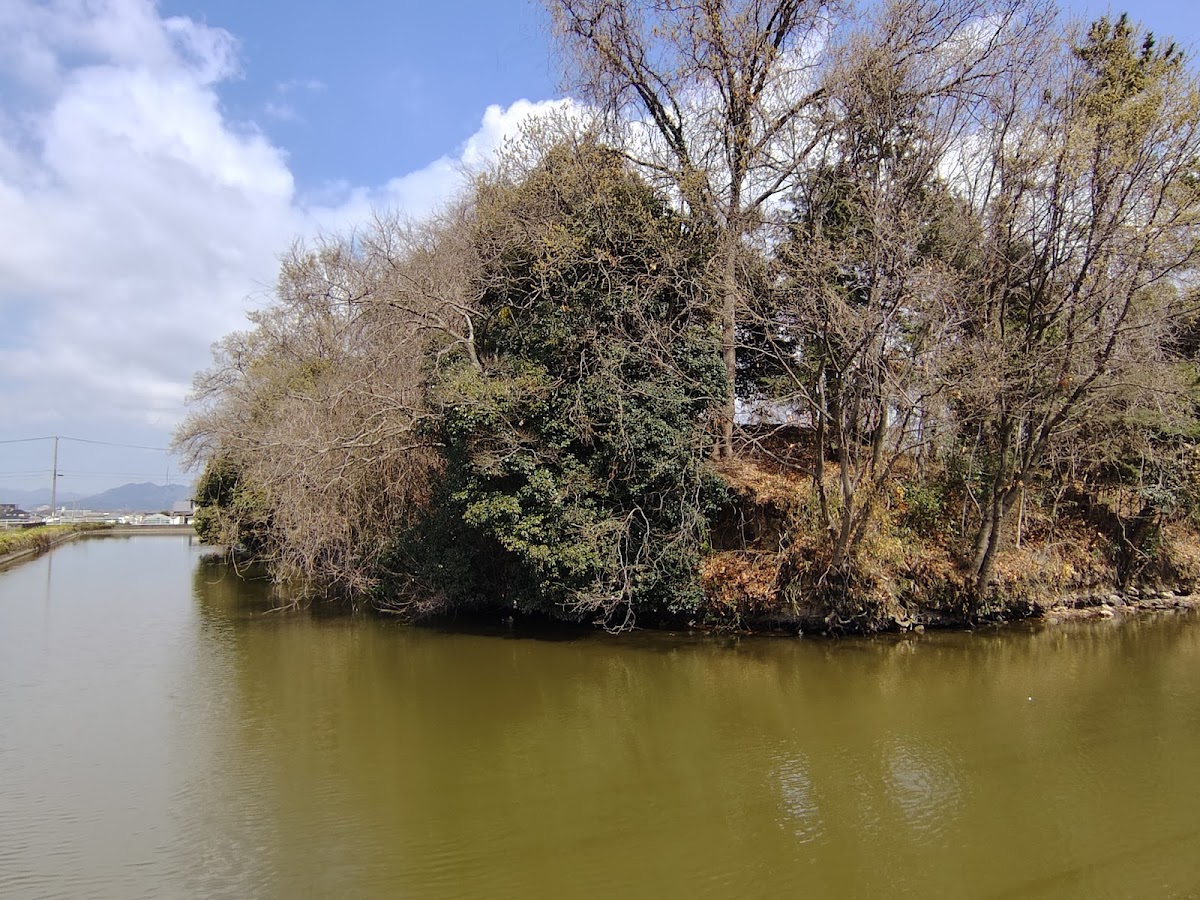
A moat remains, cutting off the ridge to prevent enemy intrusion. Moats are important defensive structures in mountain castles, and it is clear that they were effectively positioned at Kiura Castle.
Stone Walls
Some traces of stone walls remain. Since stone walls were rarely used extensively in medieval mountain castles, these may have been added during renovations in the Sengoku period. It is thought that the stone walls were built during the time of the Murakami clan to enhance the castle’s defensive capabilities.
Repurposing of Burial Mounds
Interestingly, it is believed that burial mounds existed within the grounds of Mokpo Castle. The repurposing of ancient burial mounds as part of a castle was a common phenomenon in medieval castles. This was because utilizing existing elevations reduced the labor required for construction.
Replica Structures
When the area was developed as Hakata Furusato Historical Park, the following replica structures were built:
- Replica Castle Tower: A three-story, three-tiered, complex watchtower-type castle tower. Made of reinforced concrete, the interior was used as a museum. Although not based on historical fact, it was a beloved symbol of Mokpo Castle.
- Replica Turret: A watchtower designed to create the atmosphere of a castle.
- Replica Castle Gate: A castle gate-like structure located at the park entrance.
These replica structures were built prioritizing their role as tourist attractions over historical accuracy. Currently, the park is closed and entry to the interior is not permitted, but the exteriors can be viewed from a distance.
Highlights of Kiura Castle
Spectacular Views of the Seto Inland Sea
The greatest attraction of Kiura Castle is the spectacular view of the Seto Inland Sea from the mountaintop, 90 meters above sea level. On a clear day, you can enjoy a panoramic view of the beautiful archipelago and the blue sea. The castle’s former lords likely gazed upon this view while monitoring maritime traffic and formulating their strategies.
The view towards Hakata Port is particularly magnificent, allowing you to truly appreciate why the castle was built in this location. It’s a spot where you can experience the importance of its location as a coastal castle.
Remains of a Medieval Mountain Castle
While the reconstructed keep and other structures tend to grab attention, the real highlight is the remains of the medieval mountain castle. The layout of the baileys, the depth of the moats, and the construction of the stone walls offer numerous points of interest for castle enthusiasts.
In particular, the moat clearly shows the traces of artificially cutting through a natural ridge, demonstrating the advanced civil engineering techniques of the time.
Connection to the Murakami Suigun (Murakami Naval Force)
Kiura Castle was part of the Murakami Suigun’s castle network. Nearby are other major Murakami Suigun strongholds such as Noshima Castle and Amasaki Castle. Visiting these together allows for an understanding of the Murakami Suigun’s sphere of influence and strategies in the Seto Inland Sea.
The relationship with Hakata Castle (Hakata Honjo) is also important. Since Kiura Castle functioned as an outpost of Hakata Castle, visiting both castles allows for an understanding of the actual medieval castle network.
Development as a Historical Park
Although currently closed, the remnants of the historical park that was once maintained are also a point of interest. While the replica keep is not based on historical fact, its architectural style and (former) exhibits can be appreciated as an attempt to convey the region’s history.
The development as a park, with its walking paths and information boards, makes access to the castle ruins easier, which is a welcome feature for visitors. ## Access Information
Location
Kiura, Hakata-cho, Imabari City, Ehime Prefecture (Hakata Furusato Historical Park)
Transportation Access
Access by Car
Approximately 5 minutes from Hakatajima IC on the Nishiseto Expressway (Shimanami Kaido). Hakatajima Island is located on the Shimanami Kaido, which connects Honshu (Onomichi City, Hiroshima Prefecture) and Shikoku (Imabari City, Ehime Prefecture), making it easily accessible by car.
Access by Public Transportation
Approximately 20 minutes on foot from Hakata Port. However, public transportation on the island is limited, so visiting by car is recommended.
Parking
Hakata Furusato Historical Park has a parking lot. Parking spaces are available even after closing hours, but it is recommended to check the latest information in advance.
Notes for Visitors
- Currently, Hakata Furusato Historical Park is closed, and entry to the interior of the replica castle tower is not permitted.
- While the castle ruins themselves are open to visitors, the state of maintenance may have changed.
- As it is a mountain castle, please wear comfortable shoes and clothing.
- Don’t forget insect repellent in summer and warm clothing in winter.
- While there are information boards and explanatory signs, you can enjoy the site more deeply if you learn about its history beforehand.
Related Castles in the Surrounding Area
When visiting Kiura Castle, we recommend also visiting the related castles in the surrounding area.
Hakata Castle (Hakata Main Castle)
This is the main castle of Kiura Castle. Built on a large scale as a complex coastal castle with multiple enclosures, it strongly reflects its role as a base for the Murakami clan. It is close to Kiura Castle, making it possible to visit both together.
Noshima Castle
This coastal castle was the base of the Noshima Murakami clan, part of the Murakami naval force. It is known as an impregnable castle built on Noshima Island, known for its strong currents. Designated a national historical site, it is a must-see castle for learning about the history of the Murakami naval force. ### Amasaki Castle
This is a sea castle built on a small island in the Kurushima Strait. Its unique location, where access to the island is restricted by the tides, showcases the pinnacle of the Murakami Suigun’s sea castle construction techniques.
Imabari Castle
This is a modern castle built by Todo Takatora, characterized by its moat filled with seawater. While from a different era than Kiura Castle, it is an important castle for understanding the development of castles in Iyo Province.
Kiura Castle and the History of Castles in Iyo Province
Kiura Castle holds an important position in the history of medieval castles in Iyo Province (present-day Ehime Prefecture). Because Iyo Province faced the Seto Inland Sea and included many islands, numerous sea castles were built.
The samurai groups of Iyo, centered around the Kono clan, maintained their power by controlling key points of maritime traffic. Kiura Castle is a typical example and has a history of being involved in the nationwide political event of the Jokyu War.
During the Sengoku period (Warring States period), the Murakami Suigun (Murakami Naval Force) rose to power, and Kiura Castle was incorporated into their network of fortresses. At this time, Iyo Province was in a complex political situation with intertwined maritime and land forces, and Kiura Castle was located on the front lines.
Summary
Kiura Castle (Kiura, Hakata-cho, Imabari City, Ehime Prefecture) is a mountain castle embodying the history of the Seto Inland Sea, having transformed from the residence of the Ki clan after its fall during the Jokyu War to an outpost of the Murakami Suigun during the Sengoku period. Built on a 90-meter-high rocky peak, its multi-bailey layout strongly retains its characteristics as a coastal castle.
Currently, a replica keep stands as part of the Hakata Furusato Historical Park, but the park is closed. Nevertheless, the remains such as baileys and moats are well-preserved, allowing visitors to experience the atmosphere of a medieval castle.
Hakata Island is famous for “Hakata Salt,” but it also boasts the historical heritage of Kiura Castle. Why not stop by while cycling or sightseeing along the Shimanami Kaido? Breathtaking views of the Seto Inland Sea and the romance of medieval history await you.