Kasumigajo Castle (Nihonmatsu City, Fukushima Prefecture) Complete Guide | A Thorough Explanation of History, Cherry Blossoms, and Seasonal Highlights
Kasumigajo Castle, located in Nihonmatsu City in the Nakadori region of Fukushima Prefecture, is a nationally designated historical site also known as Nihonmatsu Castle. Currently maintained as the Fukushima Prefectural Kasumigajo Park, it has been selected as one of “Japan’s 100 Famous Castles” and “Japan’s 100 Best Cherry Blossom Viewing Spots,” making it a representative tourist attraction of Fukushima Prefecture where history and nature harmonize.
This article thoroughly explains everything you need to know before visiting, from the historical background of Kasumigajo Castle to seasonal highlights, surrounding spots, and access information.
What is Kasumigajo Castle? | History and Origin of Nihonmatsu Castle
Origin of the Name Kasumigajo Castle
The name Kasumigajo Castle originates from the beautiful scenery created in spring when cherry blossoms bloom profusely, covering the entire castle grounds as if the castle were enveloped in mist. This fantastical sight has captivated many people since the Edo period and has become established as an alternative name for Nihonmatsu Castle.
The Construction and History of Nihonmatsu Castle
The history of Nihonmatsu Castle dates back to the Muromachi period. In 1643 (Kanei 20), Niwa Mitsushige, the first lord of the Nihonmatsu Domain, took control of the area and spent approximately 10 years extensively developing it into a modern castle. The Niwa clan ruled this region as the lords of the Nihonmatsu Domain, which had a 100,000 koku (unit of rice production) yield.
The castle was built around Shirahata-ga-mine, a peak 345 meters above sea level, and was a sturdy mountain castle consisting of the main keep, second bailey, and third bailey. With its well-maintained stone walls, turrets, and gates, it functioned as one of the largest castles in the Tohoku region.
The Boshin War and the Tragic Story of the Nihonmatsu Boys’ Corps
During the Boshin War of 1868 (Keio 4), Nihonmatsu Castle was positioned as a strategic point for the former shogunate forces (Eastern Army). The Nihonmatsu Domain, valuing its loyalty to the neighboring Aizu Domain, chose to resist the new government forces.
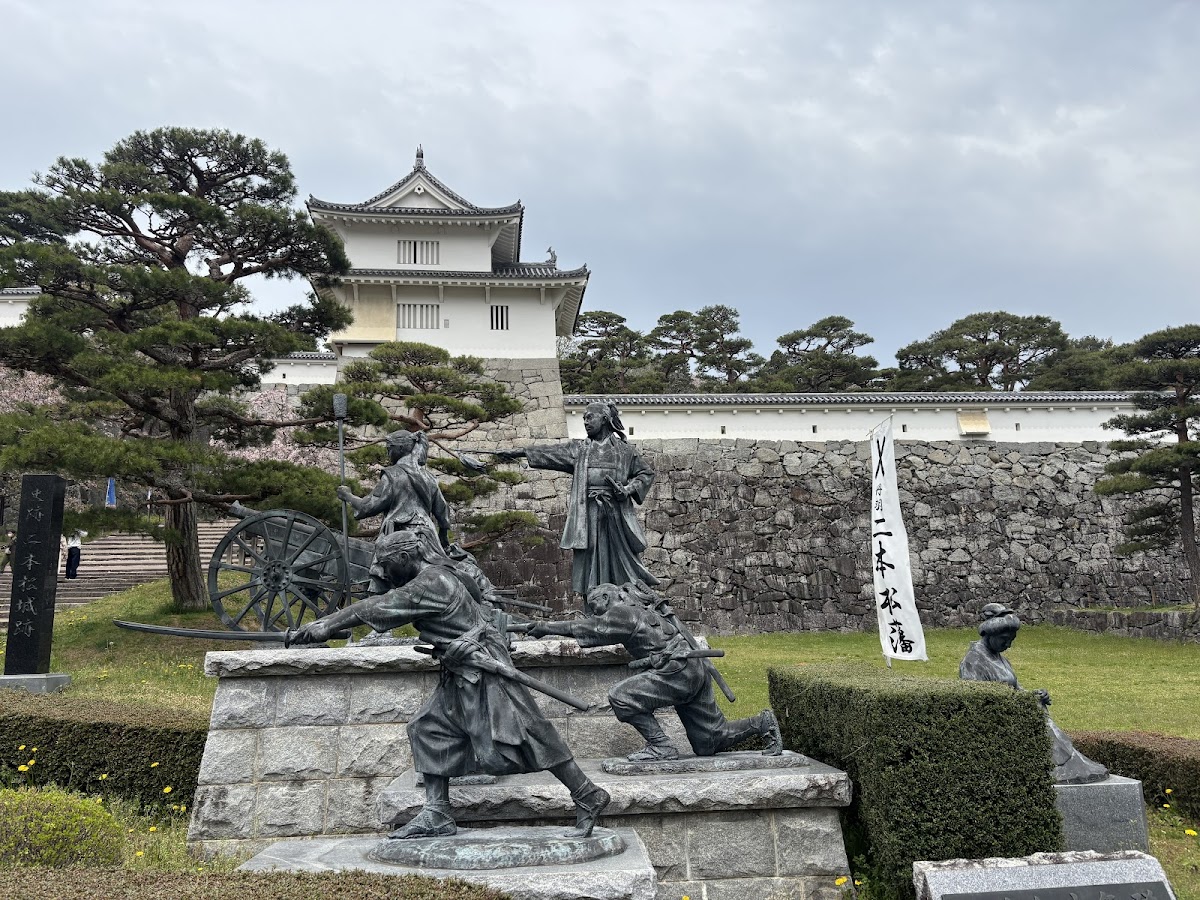
The tragedy of the “Nihonmatsu Boys’ Corps” is particularly well-known from this battle. Because most of the domain’s adult men were away fighting, a unit composed of boys aged 12 to 17 was tasked with defending the castle. Facing overwhelming odds, many young lives were lost, and this tragic story is still told today.
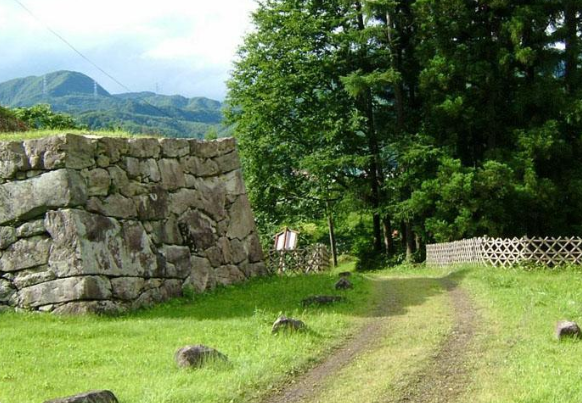
Many of the castle’s buildings were destroyed by fire during the Boshin War, and it was abandoned after the Meiji Restoration. However, the stone walls and the layout of the baileys still retain traces of its former appearance.
Overview of Fukushima Prefectural Kasumigajo Park
Park Development
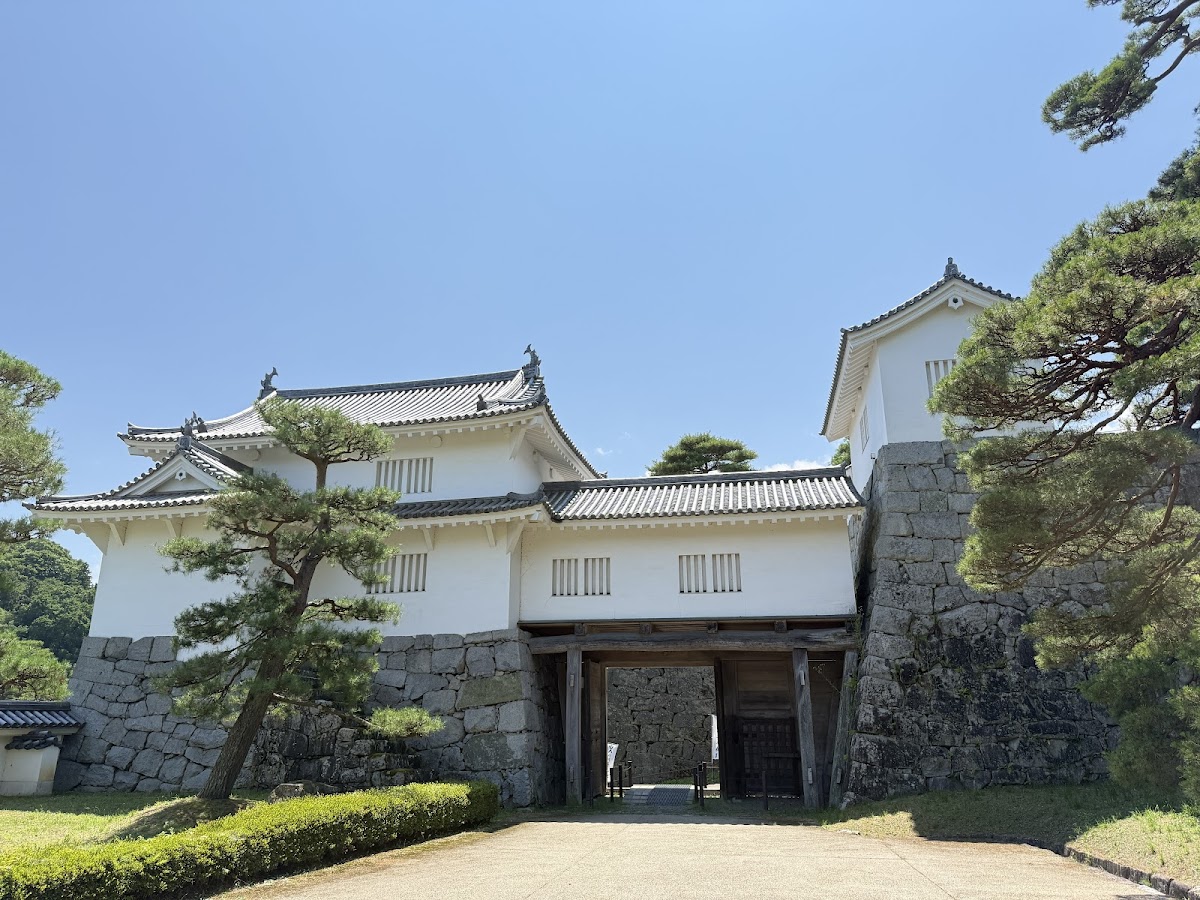
The Nihonmatsu Castle ruins are now developed as “Fukushima Prefectural Kasumigajo Park,” and are popular as a place of relaxation for citizens and a tourist attraction. In 1982 (Showa 57), the Minowa Gate and the two-story turret were reconstructed, allowing visitors to imagine the castle’s former appearance.
Composition of Kasumigajo Prefectural Natural Park
Kasumigajo Prefectural Natural Park consists of two areas: the area surrounding the Kasumigajo Castle ruins, located approximately 1 kilometer north of Nihonmatsu Station, and the Adachigahara area, located approximately 3 kilometers east of the city center.
Within the park, historical remains and garden facilities are scattered, including the remains of the main keep, second bailey, and third bailey, stone walls, the Minowa Gate, the rear gate, the Senshintei pavilion, and Ruri Pond.
Value as one of Japan’s Top 100 Castles
Kasumigajo Castle (Nihonmatsu Castle) is selected as one of “Japan’s Top 100 Castles,” attracting castle enthusiasts and history lovers from all over Japan. It is also designated as a National Historic Site, and its historical and cultural value is highly regarded.
Seasonal Highlights
One of the biggest attractions of Kasumigajo Park is the beautiful scenery that can be enjoyed in each of the four seasons.
Spring Cherry Blossoms | One of Japan’s Top 100 Cherry Blossom Viewing Spots
Kasumigajo Park is a representative cherry blossom viewing spot in southern Tohoku, selected as one of “Japan’s Top 100 Cherry Blossom Viewing Spots.” Approximately 2,500 cherry trees of various sizes, including Somei Yoshino, are planted within the park, and in spring, the entire castle ruins are dyed pink with cherry blossoms.
Best Viewing Period: Mid to late April
Particularly spectacular is the collaboration of the rapeseed fields spreading across the Nishitani rice terraces with the cherry blossoms near the observation deck and the rear gate. The contrast between the yellow rapeseed flowers and the pale pink cherry blossoms is truly a breathtaking sight.
During the cherry blossom festival, the trees are illuminated at night, allowing visitors to enjoy the magical sight of cherry blossoms after dark. The cherry blossoms, illuminated against the backdrop of the stone walls and reconstructed turrets, have a different charm than during the daytime.
Early Summer: Wisteria and Irises
From early to mid-May, wisteria blossoms are in full bloom throughout the park. The wisteria trellis known as “Chieko’s Wisteria” is a must-see.
From mid-May to early June, irises and hydrangeas adorn the park. Around Ruri Pond, you can admire the elegant sight of irises blooming by the water’s edge.
Summer and Autumn: Fresh Greenery and Autumn Leaves
Summer is the perfect season for strolling, with lush green trees creating a cool and refreshing atmosphere. The view from the main keep offers a spectacular vista of Mount Adatara and the Azuma mountain range.
From early October to early November is the season of autumn leaves. Maple and other trees turn red and yellow, creating a beautiful contrast with the stone walls and historical buildings.
Autumn Chrysanthemum Doll Exhibition
Every autumn, the “Nihonmatsu Chrysanthemum Doll Exhibition” is held at Kasumigajo Park. Numerous exquisitely crafted chrysanthemum dolls are displayed throughout Kasumigajo Park, attracting many tourists from all over Japan. The Chrysanthemum Doll Exhibition has become a well-established autumn tradition in Nihonmatsu City, offering an event where visitors can appreciate the beauty of chrysanthemums and the craftsmanship of artisans.
Details of Major Spots in the Park
Minowa Gate
Rebuilt in 1982, the Minowa Gate is a symbolic landmark of Kasumigajo Park. This imposing gate welcomes visitors. During cherry blossom season, the combination of the gate and cherry blossoms makes for an excellent photo opportunity.
Main Keep Ruins
Located on the summit of Shirahata-ga-mine Mountain at an altitude of 345 meters, the main keep ruins offer a panoramic view of Nihonmatsu city. On clear days, you can enjoy views of mountains such as Mount Adatara and the Azuma mountain range, making the magnificent scenery well worth a visit.
Senshintei
Senshintei is a tea-house-style rest facility located within the garden. You can spend a relaxing time while enjoying the garden’s seasonal beauty. Especially during the autumn foliage season, the surrounding scenery is framed like a picture, offering a picturesque view.
Ruri Pond
This pond within the garden is surrounded by seasonal flowering trees and shrubs. The cherry blossoms and autumn leaves reflected on the water’s surface are a popular photo spot.
Kasamatsu (Umbrella Pine)
This magnificent pine tree, estimated to be several hundred years old, is called “Kasamatsu” (Umbrella Pine) because its branches resemble an open umbrella. Even within the garden, which retains traces of history, it is known as a particularly dignified tree.
Former Nihonmatsu Domain Precept Stone Inscription
This stone monument was erected during the feudal period by the feudal lord to demonstrate the proper conduct of his retainers. It bears the Confucian teaching, “Those who become the parents of the people must not oppress them but cherish them,” making it a valuable historical site that conveys the ideals of the rulers of that time.
Located near the site of the third bailey, it is an important cultural asset for understanding the history of the Nihonmatsu Domain.
Hikage Well
This well was used as an important water source within the castle. It is said to have been deep, and cold water gushed forth even in the middle of summer. It played a crucial role during the siege and is one of the remnants that evoke the state of Nihonmatsu Castle during the Boshin War.
The remaining stonework demonstrates the high level of civil engineering technology of the time.
Nearby Attractions to Visit
When visiting Kasumigajo Park, we recommend also visiting the surrounding tourist spots.
Dairinji Temple
This is a Soto Zen Buddhist temple known as the family temple of the Niwa family, the lords of the Nihonmatsu Domain. Located within walking distance of Kasumigajo Park, visitors can see the tombs and gardens of successive lords. The tranquil temple grounds make it an ideal resting spot during a historical walk.
Adachigahara
Another area within Kasumigajo Prefectural Natural Park, Adachigahara is known for its long-standing legend of the “Oniba” (demon hag). With historical sites such as Kanzeji Temple and Kurozuka, it’s recommended for those interested in Japanese folklore and traditions.
Chieko Memorial Museum and Chieko’s Birthplace
The birthplace and memorial museum of Chieko Takamura, wife of poet Kotaro Takamura and also a painter, are located in Nihonmatsu City. It’s a popular spot for literature fans, as it allows visitors to experience the “true sky” that Chieko loved.
Dake Onsen
Dake Onsen, known as the “inner sanctuary” of Nihonmatsu City, is located about 20 minutes by car from Kasumigajo Castle. Situated on the slopes of Mount Adatara, this hot spring resort is perfect for relaxing and unwinding after sightseeing.
Access Information
Access by Train
- Approximately 20 minutes on foot (approx. 1.3 km) from JR Tohoku Main Line “Nihonmatsu Station”
- Approximately 5 minutes by taxi
It’s about a 30-minute walk from Nihonmatsu Station to Kasumigajo Park, even at a leisurely pace. Along the way, you can enjoy a stroll through the charming streets of Nihonmatsu city.
Access by Car
- Approximately 5 minutes (approx. 3 km) from Tohoku Expressway “Nihonmatsu IC”
- Approximately 20 minutes from Tohoku Expressway “Fukushima Nishi IC”
There are several parking lots around the park, and parking is relatively easy except during peak seasons such as cherry blossom season.
Parking Information
Free parking is available around Kasumigajo Park. However, congestion is expected during events such as the Cherry Blossom Festival and the Chrysanthemum Doll Exhibition, so early arrival is recommended.
Best Season and Time Required for Visiting
Best Season
- Cherry Blossom Season: Mid-April to late April (most crowded)
- Fresh Green Season: May to June (relatively less crowded)
- Autumn Foliage Season: Late October to early November
- Chrysanthemum Doll Exhibition: Mid-October to late November
Estimated Time Required
- Strolling through the Park Only: 1-2 hours
- Climbing to the Main Keep: 2-3 hours
- Including Nearby Spots: Half a day to a full day
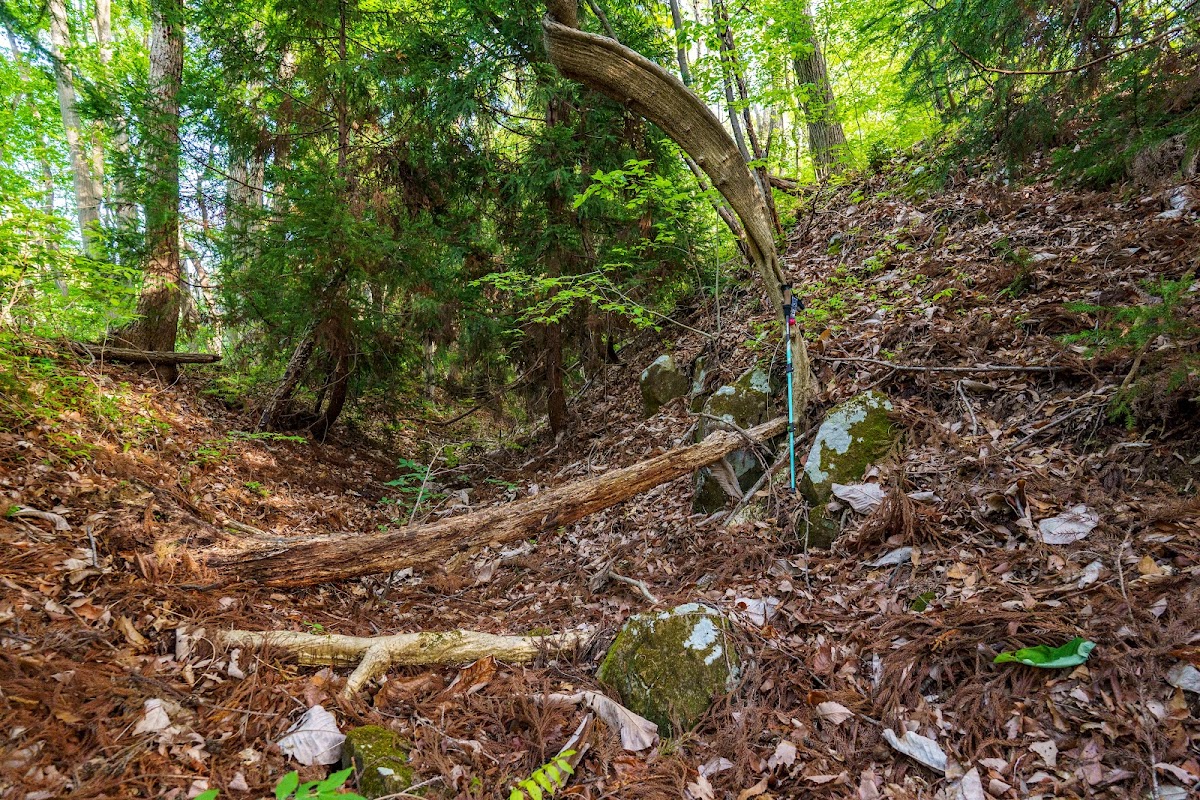
The park has undulating terrain, so comfortable shoes are recommended if you plan to climb to the main keep.
Points to Note and Etiquette When Visiting
Clothing and Items to Bring
- Comfortable walking shoes (especially important if climbing to the main keep)
- Seasonal clothing (the mountaintop is cooler than the city)
- Drinks (especially in summer)
- Camera (many scenic spots)
Etiquette
- As this is a nationally designated historical site, please be careful not to damage the stone walls and other remains.
- Always take your trash with you.
- Breaking cherry tree branches is strictly prohibited.
- Please be considerate of nearby residents during nighttime illuminations.
Contact Information
Nihonmatsu City Tourism Association
- Address: 1-61 Honmachi, Nihonmatsu City, Fukushima Prefecture
- Phone: 0243-55-5122
Nihonmatsu City Hall Tourism Division
- Phone: 0243-55-5154
For the latest information on events and cherry blossom blooming status, please check the official website of the Nihonmatsu City Tourism Association.
Summary
Kasumigajo Castle (Nihonmatsu Castle Ruins), located in Nihonmatsu City, Fukushima Prefecture, is an attractive tourist spot where historical value, conveying the tragedy of the Boshin War, harmoniously blends with the natural beauty of the four seasons.
It deserves its inclusion as one of Japan’s 100 Famous Castles and one of Japan’s 100 Best Cherry Blossom Viewing Spots, offering different scenery depending on the time of year: cherry blossoms in spring, wisteria and irises in early summer, and autumn leaves and chrysanthemum dolls.
Historical remains such as stone walls and the Minowa Gate, historical sites such as the former Nihonmatsu Domain’s Kaiseki-mei monument and the Hikage-no-Ido well, and garden facilities such as the Senshintei and Ruri Pond are scattered throughout the grounds. The view from the main keep is magnificent, offering a panoramic view of Nihonmatsu city and Mount Adatara.
It is easily accessible, within walking distance of Nihonmatsu Station and close to the Nihonmatsu Interchange on the Tohoku Expressway. There are also plenty of other places to visit nearby, such as Dairinji Temple, Adachigahara, the Chieko Memorial Museum, and Dake Onsen hot springs.
Kasumigajo Park is a place that can be enjoyed by a wide range of people, from history buffs to nature and flower lovers, and photography enthusiasts. When you visit Fukushima Prefecture, be sure to stop by.