Jōsenji Castle | A Thorough Explanation of the History of Kondō Tsunahide’s Residence and the Battle for Hachioji Castle
What is Jōsenji Castle?
Jōsenji Castle is a hilltop castle located in Tatemachi, Hachioji City, Tokyo. It is known as the residence of Kondō Dewa-no-kami Sukezane (Kondō Tsunahide), a senior retainer of Hōjō Ujiteru, during the late Sengoku period. Also known as “Kondō Fort,” it played an important role as a subsidiary castle of Hachioji Castle.
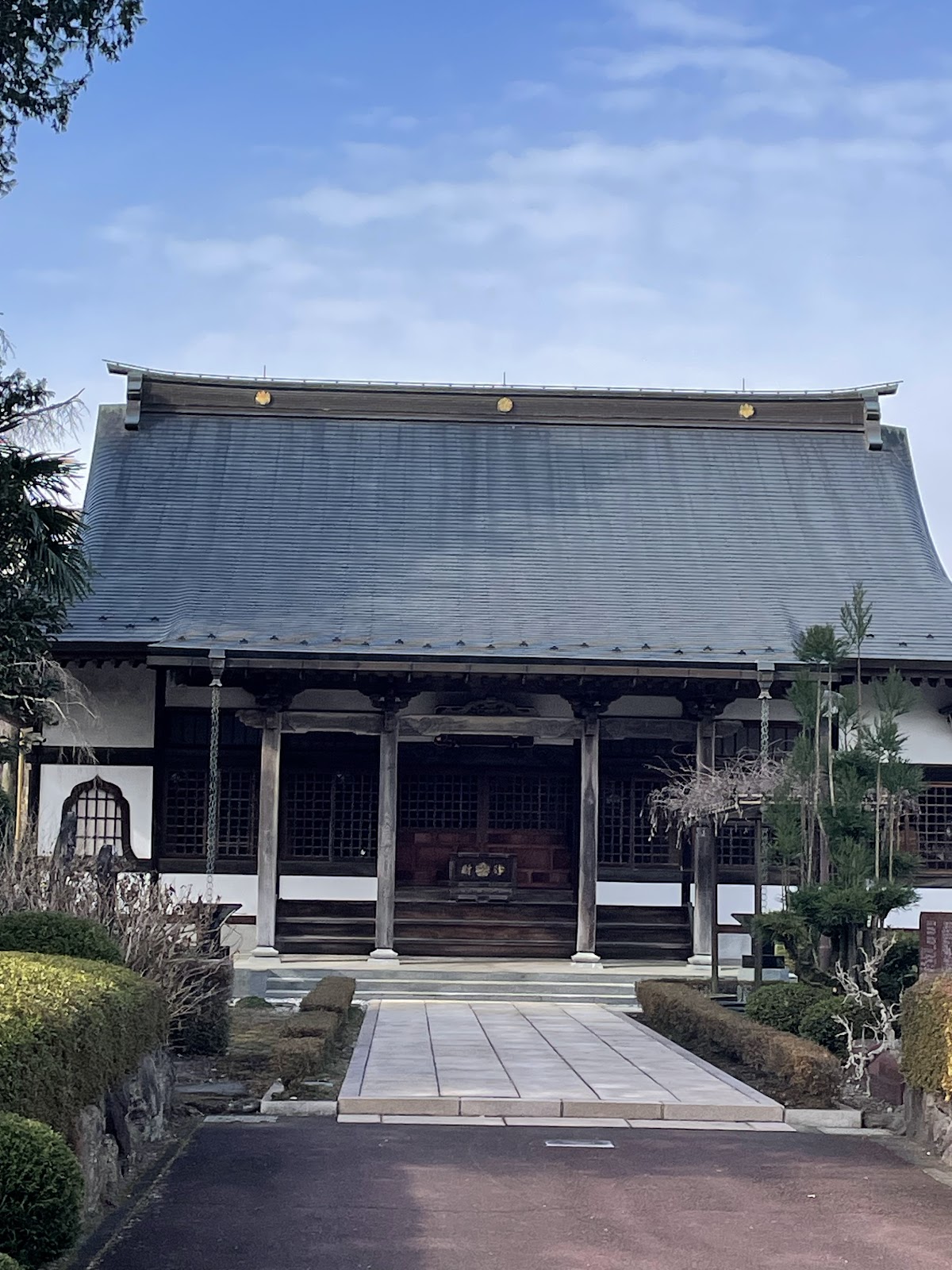
Currently, Jōsenji Temple stands on the castle site, and remnants such as earthworks and dry moats, remnants of the former castle, can still be seen. As a valuable medieval castle ruin remaining in Tokyo, it attracts attention from castle enthusiasts and history buffs.
History of Jōsenji Castle
Background and Period of Construction
While there are no clear records regarding the construction period of Jōsenji Castle, it is believed to have been developed from the mid-to-late 16th century, when Hōjō Ujiteru made Hachioji Castle his base. As a castle that played a key role in the Hojo clan’s network of branch castles centered around Hachioji Castle, it occupied a strategically important position.
About Kondo Dewa-no-kami Sukezane (Kondo Tsunahide)
Kondo Dewa-no-kami Sukezane, the lord of Josenji Castle, was a senior retainer of Hojo Ujiteru, also known as Kondo Tsunahide. The Kondo clan, as hereditary vassals serving the Hojo clan, played a crucial role in supporting the Hojo clan’s control over the Hachioji region.
Kondo Tsunahide was not merely a local lord; he was a warrior highly valued by Hojo Ujiteru as he expanded his power. Particularly noteworthy is the fact that when Hojo Ujiteru gained control of the Oyama territory in Shimotsuke Province (present-day Tochigi Prefecture), Kondo Tsunahide was appointed as the castellan (acting lord) of Enomoto Castle in Shimotsuke. This can be seen as evidence of the deep trust the Kondo clan enjoyed from Hojo Ujiteru.
Enomoto Castle was an important stronghold of the Hojo clan in Shimotsuke Province, and Kondo Tsunahide’s service as its castellan demonstrates his high level of military and political ability. Normally, only vassals who enjoyed absolute trust from their lords were entrusted with important strongholds in remote locations.
Founding of Josenji Temple
Josenji Temple, which remains on the castle site today, is said to have been founded by Kondo Dewa-no-kami Sukezane himself. While it wasn’t uncommon for Sengoku period warlords to establish family temples, in the case of Josenji Castle, it’s believed that the castle and temple existed as an integrated unit.
Such complex facilities of castles and temples served both as defensive strongholds and as religious institutions demonstrating the lord’s authority during the Sengoku period. This offers a glimpse into the Kondo clan’s faith and the Sengoku daimyo’s method of governance, which involved utilizing religious authority in regional control.
The Siege of Odawara and Jōsenji Castle
The most important event in the history of Jōsenji Castle is the “Siege of Odawara” by Toyotomi Hideyoshi in 1590 (Tenshō 18). This battle was a large-scale military operation that determined the fate of the Hōjō clan, and Kondō Tsunahide was thrown into the midst of it all.
Entry into Hachiōji Castle
When the Siege of Odawara began, Kondō Tsunahide left Jōsenji Castle and entered Hachiōji Castle, the base of his lord, Hōjō Ujiteru. Hachiōji Castle was a strong mountain castle built by Hōjō Ujiteru over many years, and was one of the Hōjō clan’s important strongholds in the Kantō region.
Kondō Tsunahide was entrusted with the defense of the “Naka-no-maru” (also known as “Kondō-kuruwa”), a particularly important area within Hachiōji Castle. The fact that this enclosure is called “Kondō-kuruwa” indicates that the Kondō clan played a central role in this defensive line.
The Defense of Nakanomaru (Kondo Kuruwa)
Kondo Tsunahide, along with other senior retainers of Hojo Ujiteru such as Nakayama Ienori and Kano Ichian, defended Nakanomaru. Nakayama Ienori was a well-known warrior and a senior retainer of Hojo Ujiteru, while Kano Ichian is believed to have played a strategic role.
On June 23, 1590, a large army led by Toyotomi forces, including Uesugi Kagekatsu and Maeda Toshiie, attacked Hachioji Castle. Uesugi Kagekatsu was a renowned general of Echigo, and Maeda Toshiie was a key figure in the Toyotomi regime. Their combined force is said to have numbered 15,000 men, representing an overwhelming difference in troop strength.
The End of Kondo Tsunahide
After a fierce battle, Hachioji Castle fell, and Kondo Tsunahide was killed in action. Kondo Tsunahide, Nakayama Ienori, and Kano Ichian, who fought at Nakanomaru, resisted to the end, but were ultimately defeated by the Toyotomi forces’ superior numbers.
With Kondo Tsunahide’s death, Josenji Castle effectively became a ruined castle. Having lost its lord, Josenji Castle never again functioned as a military base, and only the temple of Josenji remained.
Structure and Layout of Josenji Castle
Location and Topography
Josenji Castle is located in Tate-machi, Hachioji City, Tokyo, and has the characteristics of a flatland castle. A flatland castle is a castle built on a hill or plateau between plains and mountains, possessing characteristics intermediate between a flatland castle and a mountain castle.
As it functioned as a subsidiary castle of Hachioji Castle, its positional relationship with Hachioji Castle is also important. Josenji Castle is located north of Hachioji Castle, and is thought to have formed a defensive line against invasions from the north.
Existing Remains
Earthworks
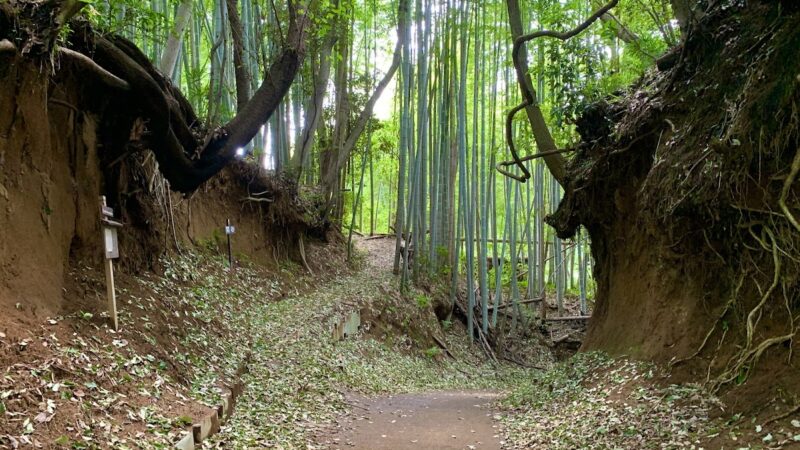
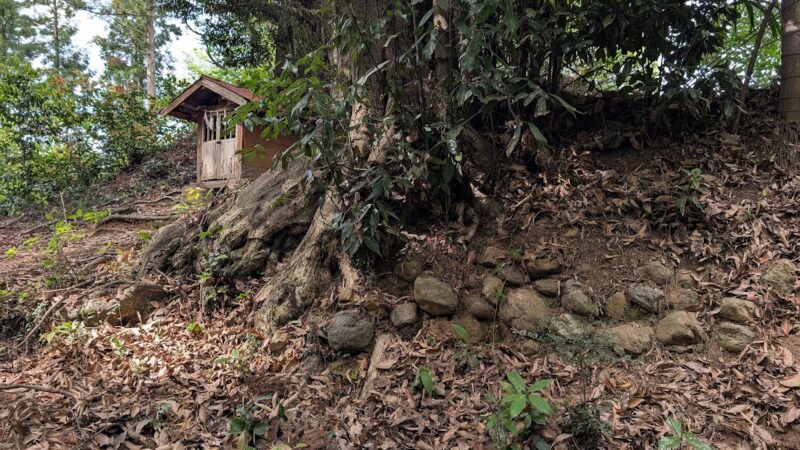
One of the most important remains of Jōsenji Castle is the earthworks. Earthworks are defensive structures built by piling up earth to prevent enemy intrusion, and are a fundamental defensive structure of castles. Traces of earthworks can still be seen within the grounds of Jōsenji Temple, providing clues to the scale of the castle at the time.
The height and shape of the earthworks indicate that Jōsenji Castle was not merely a residence, but a castle with a certain level of defensive function. It can be said to be a valuable remains that reflects the castle construction technology of the Sengoku period.
Dry Moats
Another important remains is the dry moats. Dry moats are moats that do not hold water, and they not only physically prevented enemy intrusion but also functioned as a source of earth for building earthworks.
The dry moats of Jōsenji Castle are thought to have served to demarcate the castle area. By combining dry moats and earthworks, a stronger defensive line was formed. Even today, traces of dry moats can be seen in some areas, allowing us to imagine the layout of the castle at the time.
Characteristics as a Residence Site
Josenji Castle is sometimes described as a “residence site.” This indicates that its scale as a castle was smaller compared to large mountain castles like Hachioji Castle, and that it had a stronger character as a lord’s residence.
During the Sengoku period, the residences of local powerful families were prioritized as everyday living spaces and centers of regional control rather than military fortresses prepared for large-scale battles. Josenji Castle is thought to have been a castle with such characteristics.
However, a dual defensive system was in place, allowing for a siege at Hachioji Castle in times of war, demonstrating the reality of castle management during the Sengoku period, where a residence in peacetime and a main castle in wartime were used interchangeably.
Highlights of Josenji Castle
Castle Remains within the Josenji Temple Grounds
The current grounds of Josenji Temple contain castle remains from the Sengoku period. Even now, as a temple, careful observation reveals traces of earthworks and dry moats.
In particular, remnants of earthworks can be seen around the periphery of the temple grounds, providing clues to the extent of the former castle. The unique landscape, where temple architecture and castle remains coexist, is a charm unique to Jōsenji Castle.
Historical Value
Jōsenji Castle is highly valued for its historical significance as a valuable Sengoku period castle ruin remaining in Tokyo. In the urbanized city of Hachioji, ruins that retain the appearance of the Sengoku period are extremely limited, and Jōsenji Castle is one of the few examples.
In particular, as the residence of Hojo Ujiteru’s retainers, it is an important historical site for studying the Hojo clan’s rule in the Hachioji region. The fact that the name and achievements of a specific castle lord, Kondo Tsunahide, are preserved also enhances its value in historical research.
Connection to Hachioji Castle
When visiting Jōsenji Castle, being aware of its connection to Hachioji Castle will lead to a deeper understanding. Hachioji Castle is a renowned castle designated as a national historical site, boasting a magnificent scale as the base of Hojo Ujiteru.
Josenji Castle functioned as part of Hachioji Castle’s network of subsidiary castles. Visiting both together provides a comprehensive understanding of the castle system and regional governance during the Sengoku period. Visiting the “Kondo Kuruwa” (Kondo Enclosure) of Hachioji Castle, where Kondo Tsunahide met his end, allows you to trace the footsteps of the lord of Josenji Castle.
Access and Visiting Information
Location
Address: 1182 Tate-machi, Hachioji City, Tokyo
The Josenji Castle ruins are located within the current Josenji Temple grounds. Since the temple still functions as a religious site, it is important to observe proper etiquette when visiting.
Access
By Public Transportation
- Take a Nishi-Tokyo Bus from Hachioji Station (JR Chuo Line, Yokohama Line, Hachiko Line) or Keio-Hachioji Station (Keio Line).
- Get off at the “Tatemachi” bus stop and walk approximately 5 minutes.
- Or get off at the “Tategaoka Danchi” bus stop and walk approximately 10 minutes.
By Car
- Approximately 15 minutes from the Hachioji IC on the Chuo Expressway.
- Approximately 20 minutes from the Akiruno IC on the Ken-O Expressway.
Regarding parking, we recommend contacting Josenji Temple directly. Since parking may be unavailable due to temple events, prior confirmation is advisable.
Points to Note During Your Visit
Visiting the Josenji Castle Ruins primarily takes place within the temple grounds. Paying attention to the following points will make your visit more fulfilling.
- Confirming Earthworks: Pay attention to the perimeter of the temple grounds and look for traces of earthworks in slight differences in elevation.
- Traces of Dry Moats: By paying attention to depressions in the terrain within the temple grounds and surrounding areas, you may find remnants of dry moats.
- Imagining the Layout: Imagine the extent of the former castle grounds based on the current terrain.
- Observing the Surrounding Terrain: By observing the relationship between the castle’s location and the surrounding terrain, you can understand its defensive advantages.
Visitor Etiquette
Josenji Temple is a temple that still functions as a religious facility. Please observe the following etiquette when visiting.
- Please be quiet within the temple grounds and be considerate of other visitors.
- Avoid entering buildings without permission.
- Take photographs within reasonable limits and be mindful of privacy.
- Take your trash with you.
- If there is a temple event, please refrain from visiting or keep your visit brief.
Related Historical Sites in the Surrounding Area
Hachioji Castle Ruins
If you visit Josenji Castle, we highly recommend also visiting the Hachioji Castle Ruins. Designated as a national historic site, Hachioji Castle is a magnificent mountain castle built as the base of Hojo Ujiteru, and the “Kondo Kuruwa,” where Kondo Tsunahide met his end, still remains.
Location: 3-2664-2 Moto-Hachioji-cho, Hachioji City, Tokyo
Access: Take a bus from the north exit of JR Takao Station and get off at “Reien-mae” (Cemetery Front), then walk for about 15 minutes.
The Hachioji Castle Ruins also have an administration building and guidance facilities where you can learn more about the history of Hojo Ujiteru and Hachioji Castle. Reaching the main keep requires climbing a mountain trail, but the remains of stone walls and baileys are well-preserved and well worth seeing.
Jofukuji Castle Ruins
Jofukuji Castle, with its similar name, is also a castle ruin located within Hachioji City. This castle was built by the Oishi clan and later used by the Hojo clan as an outpost of Hachioji Castle. While a different castle from Josenji Castle, it also played an important role as part of the Hachioji Castle’s network of subsidiary castles.
Location: Shimo-Ongata-cho, Hachioji City, Tokyo
Access: Take a bus from the north exit of JR Takao Station
The remains of Jofukuji Castle, such as dry moats and earthworks, are relatively well-preserved, making it a valuable historical site for learning about the castle structure of the Sengoku period.
Takiyama Castle Ruins
Another important castle ruin in Hachioji City is Takiyama Castle. This was the base of operations for Hojo Ujiteru before he built Hachioji Castle, and is known as a large earthen castle. It is designated as a national historical site and is maintained as Tokyo Metropolitan Takiyama Park.
Location: Takatsuki-cho, Hachioji City, Tokyo
Access: Take a bus from JR Hachioji Station and get off at “Takiyama Castle Ruins” bus stop.
Takiyama Castle is one of the largest medieval castles in the Kanto region, with its complex layout and cleverly preserved defensive structures. It is worth visiting along with Hachioji Castle to understand the evolution of Hojo Ujiteru’s castle construction.
Josenji Castle and the Hojo Clan’s Castle Network
Castle System in the Hachioji Region
Josenji Castle did not exist in isolation; it functioned as part of the Hojo clan’s castle network centered around Hachioji Castle. In controlling the Hachioji region, Hojo Ujiteru constructed a multi-layered defensive system with Hachioji Castle as the core, surrounded by multiple branch castles.
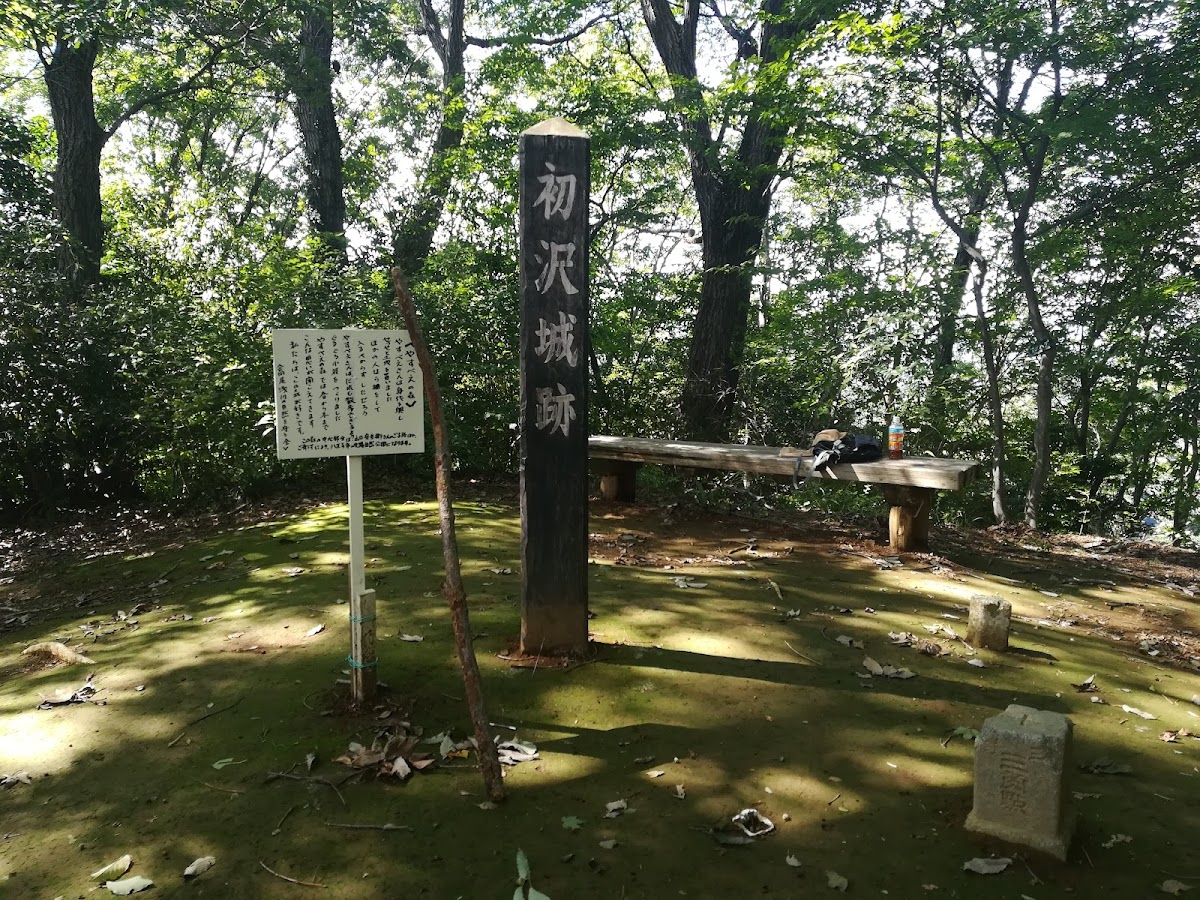
This castle network included, in addition to Josenji Castle, Jofukuji Castle, Takatsuki Castle, and Hatsuzawa Castle. These branch castles monitored and defended the routes of invasion to Hachioji Castle, and also functioned as bases for regional control.
The Role of Subsidiary Castles
Subsidiary castles like Jōzenji Castle served the following roles:
- Frontline Defense: To detect and defend against incursions to Hachioji Castle early on.
- Regional Control: A base for the Kondō clan, the castle lords, to govern the surrounding area.
- Logistical Base: To accumulate troops and supplies to support the main castle.
- Information Gathering: To monitor surrounding developments and report to the main castle.
- Shelter: To function as a refuge for surrounding residents during wartime.
By strategically placing multiple such multi-functional subsidiary castles, Hōjō Ujiteru established a strong system of control over the Hachioji region.
The Hōjō Clan’s Castle Construction Techniques
The Hōjō clan was known for possessing particularly superior castle construction techniques among the Sengoku daimyo. They built numerous castles, primarily earthen castles suited to the topography and soil of the Kanto region, combining ingenious layouts with defensive structures.
The earthworks and dry moats of Jōsenji Castle also demonstrate some of the Hōjō clan’s castle-building techniques. Even though the scale was small, it is believed that ingenious methods were employed to achieve efficient defense.
The Later History of the Kondō Clan
Descendants of Kondō Tsunahide
Kondō Tsunahide was killed in battle at Hachiōji Castle, but the Kondō bloodline is said to have continued. However, with the fall of the Hōjō clan, the Kondō clan lost significant power and disappeared from the historical stage.
Some historical sources indicate that members of the Kondō clan served the Tokugawa clan, but many details remain unclear, and further research is needed.
The Succession of Jōsenji Temple
Jōsenji Temple, founded by Kondō Tsunahide, continued to exist as a temple even after the death of the castle lord, and remains so to this day. The preservation of the temple ensures that the memory of Jōsenji Castle is passed down to future generations.
There is a possibility that historical materials and traditions related to the Kondo clan remain at Josenji Temple, and it is hoped that new historical facts will be revealed through future research.
Current Status and Challenges of Josenji Castle Research
Limitations of Historical Materials
Historical materials concerning Josenji Castle are limited, and many aspects of the castle’s detailed structure and history remain unclear. Since many of the Hojo clan’s records were lost during the Siege of Odawara, it is believed that records of Josenji Castle, a subsidiary castle, were also lost.
Much of the information currently known is based on local histories and genealogies compiled after the Edo period, and lacks sufficient corroboration from primary sources.
The Need for Archaeological Investigation
Archaeological excavation is effective in clarifying the actual state of Josenji Castle. However, because it currently functions as a temple, large-scale excavation is difficult.
In the future, partial investigations during temple renovation work may yield new insights. Using non-destructive surveying methods such as ground-penetrating radar surveys could help understand the condition of the remains.
Position in Regional History Research
Josenji Castle is an important historical site for studying the Sengoku period history of the Hachioji region. Through the actions of the Kondo clan, a specific group of retainers, we can gain insight into the reality of Hojo Ujiteru’s territorial rule.
Future comparative research with Hachioji Castle and surrounding branch castles is expected to clarify the overall picture of the Hojo clan’s castle network.
Summary
Josenji Castle is a Sengoku period hilltop castle located in Tate-machi, Hachioji City, Tokyo. It is known as the residence of Kondo Dewa-no-kami Sukezane (Kondo Tsunahide), a senior retainer of Hojo Ujiteru. It played an important role as a branch castle of Hachioji Castle, forming a defensive line from the north.
During the Siege of Odawara in 1590, the castle lord, Kondo Tsunahide, fought against the forces of Uesugi Kagekatsu and Maeda Toshiie at the inner citadel (Kondo Kuruwa) of Hachioji Castle and was killed in battle. Although Jōsenji Castle was abandoned after this battle, Jōsenji Temple, founded by Kondo Tsunahide, still exists, and remnants of the castle, such as earthworks and dry moats, can be seen within its grounds.
While Jōsenji Castle is not large in scale, it is a valuable historical site that conveys the reality of a local powerful family’s residence during the Sengoku period. Visiting it along with Hachioji Castle and other surrounding castle ruins will allow you to understand the overall picture of Hōjō Ujiteru’s territorial control and castle network.
In modern-day Hachioji, which is undergoing urbanization, Jōsenji Castle, which retains traces of the Sengoku period, is an important cultural heritage that conveys the history of the region, and it is hoped that it will continue to be carefully preserved.