Hanazono Castle (Saitama Prefecture) Complete Guide | A Thorough Explanation of the Fujita Clan’s Mountain Castle Remains and Highlights
What is Hanazono Castle? | A Historic Mountain Castle in Yorii Town, Saitama Prefecture
Hanazono Castle is a medieval mountain castle located in Sueno, Yorii Town, Osato District, Saitama Prefecture. Built on a mountain approximately 200 meters above sea level, this castle served as the residence of the Fujita clan, descendants of the Inomata clan, for 15 generations from the late Heian period to the Sengoku period. As one of the representative mountain castles of the Kanto region, it is highly regarded by castle researchers and mountain castle enthusiasts for its excellent layout and well-preserved remains.
Across the Arakawa River lies Hachigata Castle, an important base of the Later Hojo clan, and Hanazono Castle functioned as a branch castle of Hachigata Castle during the Sengoku period. During Toyotomi Hideyoshi’s siege of Odawara in 1590, Hanazono Castle fell along with Hachigata Castle, bringing its history to an end.
Currently, the Hanazono Castle ruins are protected as a Saitama Prefecture designated historical site. A variety of remains, including the main enclosure, second and third enclosures, vertical moats, trenches, earthworks, and stone walls, are preserved in excellent condition. The four vertical moats running along the southern slope are particularly impressive and are among the most remarkable sights of any mountain castle in the Kanto region.
Basic Information on Hanazono Castle
Location: Sueno, Yorii-machi, Osato-gun, Saitama Prefecture
Alternate Name: Hanazono Fortress
Castle Structure: Mountain Castle
Construction Period: Late Heian Period (Hogen era, around 1156-1159)
Builder: Fujita Masayuki
Main Lords: Fujita clan (15th generation), Hojo Ujikuni (adopted son)
Year of Abandonment: Tensho 18 (1590)
Designated Cultural Property: Saitama Prefecture Designated Historic Site
Elevation: Approximately 200 meters
Relative Height: Approximately 80 meters
History of Hanazono Castle | From the Residence of the 15th Generation of the Fujita Clan to a Branch Castle of the Hojo Clan
Late Heian Period to Kamakura Period: Construction by the Fujita Clan
Hanazono Castle is believed to have been constructed around the Hogen era (1156-1159). The castle’s builder is said to be Fujita Masayuki, a member of the Inomata clan, one of the seven clans of Musashi Province. The Fujita clan, as a powerful local lord in Musashi Province, established their influence in this region.
Originally, Hanazono Castle is believed to have been a small mountain castle built on a strategic location between the Arakawa River and its tributaries. Throughout the Kamakura period, the Fujita clan used this castle as their residence for generations, establishing their control over the surrounding area.
Muromachi Period: As a Senior Retainer of the Kanto Kanrei Uesugi Clan
Entering the Muromachi period, the Fujita clan came to play an important role as a senior retainer of the Kanto Kanrei, the Yamanouchi Uesugi clan. Particularly from the late 15th to the 16th centuries, amidst the complex political situation in the Kanto region involving the Uesugi clan, the Koga Kubo, and the Later Hojo clan, the Fujita clan acted as a powerful supporter of the Yamanouchi Uesugi clan.
During this period, Hanazono Castle is believed to have been gradually expanded and renovated, taking on its current form as a full-fledged mountain castle. It is estimated that the layout of the castle, with its multiple enclosures, and the construction of defensive structures such as vertical moats and trenches, also occurred during this period.
Sengoku Period: Adoption of Hojo Ujikuni and Relocation of the Base to Hachigata Castle
During the Sengoku period, in the Eiroku era (1558-1570), the Fujita clan deepened its relationship with the Later Hojo clan. During the time of Fujita Yasukuni, Hojo Ujikuni, the fourth son of Hojo Ujiyasu, the head of the Odawara Hojo clan, was adopted.
When Hojo Ujikuni succeeded to the headship of the Fujita clan, the base was moved from Hanazono Castle to Hachigata Castle on the opposite bank of the Arakawa River. This was because Hachigata Castle was larger and located in a more strategically important position. After this, Hanazono Castle continued to function as an important subsidiary castle of Hachigata Castle, serving as a defensive base for the Hojo clan in the Musashi and Kozuke regions.
1590 (Tensho 18): Toyotomi Hideyoshi’s Siege of Odawara and the Fall of Hanazono Castle
In 1590 (Tensho 18), when Toyotomi Hideyoshi’s siege of Odawara began, Hanazono Castle was also caught in the flames of war. While the northern army, led by Maeda Toshiie and Uesugi Kagekatsu, besieged Hachigata Castle, Hanazono Castle was also attacked.
On June 14th, when Hachigata Castle surrendered, Hanazono Castle followed suit and fell. This marked the end of Hanazono Castle’s approximately 430-year history. After its fall, Hanazono Castle was abandoned and never used again.
Edo Period and Beyond: Preservation as a Historic Site
During the Edo period, the Hanazono Castle site was left as a forest, but this actually contributed to the preservation of the remains. From the Meiji era onward, the value of Hanazono Castle was re-recognized by local historians and castle researchers, and in the Showa period, it was designated a historical site of Saitama Prefecture.
In recent years, Yorii Town has been carrying out maintenance projects, including improving the access roads and installing information boards. Currently, it is a historical site visited by many castle enthusiasts and history buffs, and is considered one of the representative mountain castles of the Kanto region.
Hanazono Castle’s Layout and Structure | One of Kanto’s Leading Mountain Castle Designs
Hanazono Castle’s layout is a typical multi-enclosure mountain castle, with the main enclosure (honmaru) at the mountaintop and multiple enclosures (ninokuruwa, sanokuruwa, etc.) surrounding it. The enclosures unfold along the ridge from the mountaintop at an altitude of approximately 200 meters, and defensive structures such as vertical moats and trenches are skillfully placed on the slopes.
Main Enclosure (Honmaru)
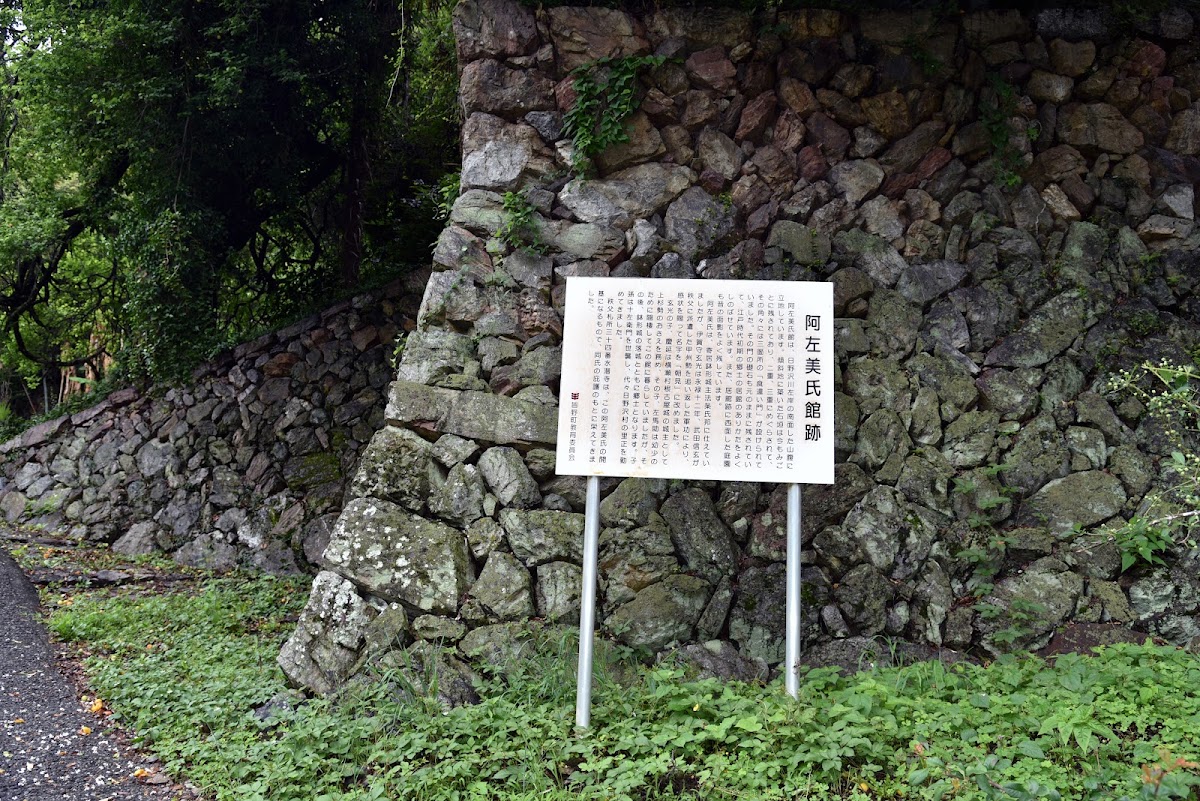
The main enclosure is the central part of Hanazono Castle, located at the highest point of the mountaintop. It measures approximately 40 meters east-west and 30 meters north-south, and is surrounded by earthen ramparts. In the northwestern part of the main enclosure, the remains of a stone wall (ishigaki), which is rare for mountain castles in the Kanto region, can be seen.
This stone wall is constructed using the nozura-zumi method, stacking natural stones, and is approximately 2-3 meters high. In the Kanto region during the Sengoku period, castles with stone walls were limited, making the stone wall of Hanazono Castle a valuable historical relic. From the main enclosure, there are expansive views of the surrounding area, overlooking the Arakawa River and the direction of Hachigata Castle on the opposite bank.
Second and Third Enclosures
The second enclosure is located to the east of the main enclosure, and the third enclosure is located further east. These enclosures are situated at a lower level than the main enclosure and served to defend it. Moats are provided between each enclosure, demonstrating a clever design to prevent enemy intrusion.
It is believed that the second and third enclosures were used as residences for retainers or warehouses during peacetime. Even today, the flat surfaces of the enclosures remain clearly visible, allowing visitors to appreciate the scale of the castle at that time.
Vertical Moats | Hanazono Castle’s Greatest Highlight
The most distinctive feature of Hanazono Castle is the four vertical moats running along the southern slope. These vertical moats extend from the main enclosure down to the foot of the mountain, a difference in elevation of approximately 80 meters. Their scale and excellent state of preservation are among the finest of all mountain castles in the Kanto region.
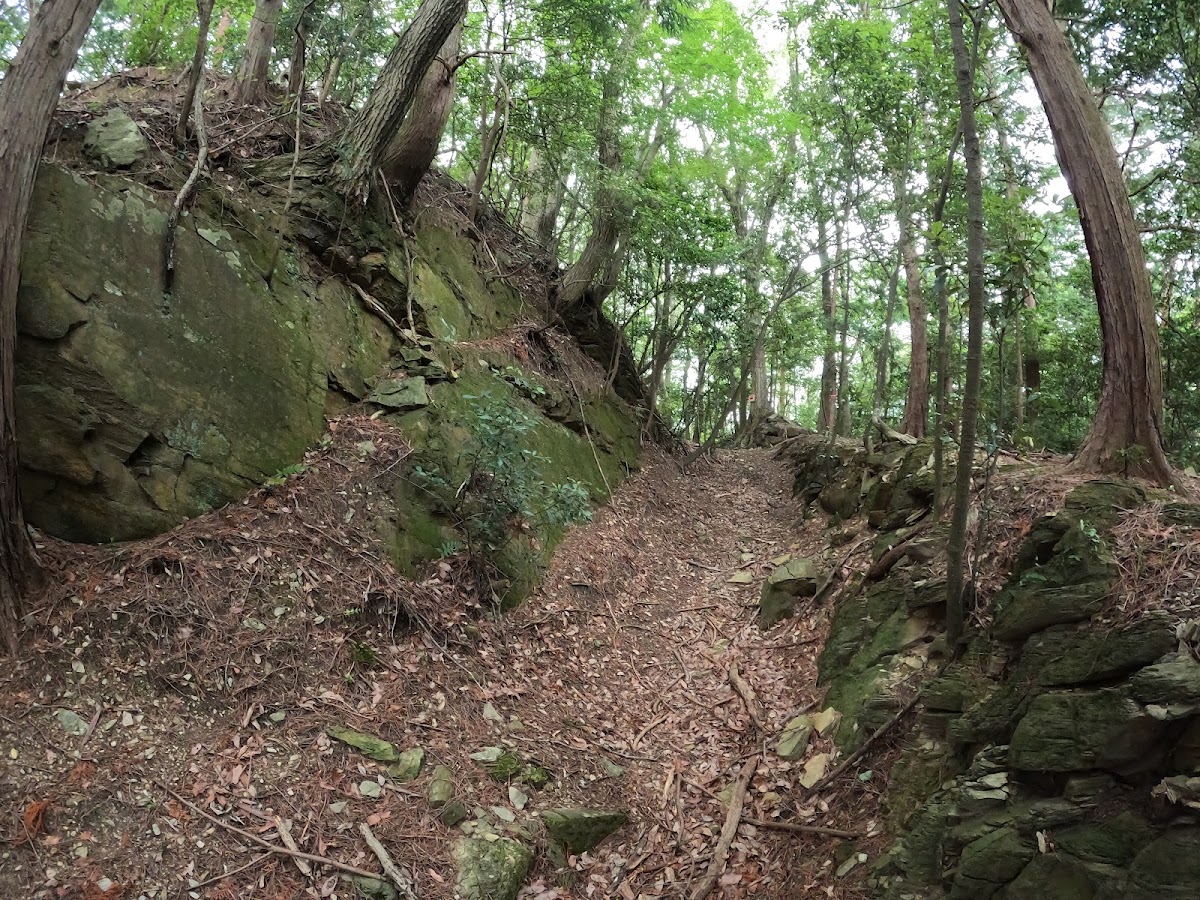
The vertical moats are defensive structures built to prevent enemies from climbing the slopes. They are 3 to 5 meters deep and 5 to 8 meters wide. The sight of the four vertical moats running parallel to each other is impressive, demonstrating the high level of castle-building technology during the Sengoku period.
These vertical moats were not simply trenches dug into the slope; they also utilized the ridges (ridges) between the moats to restrict lateral movement, effectively dividing the attackers. Even today, it is possible to walk along the bottom of the vertical moats, experiencing their depth and length firsthand.
Moats and Horizontal Moats
Hanazono Castle has several moats separating the enclosures. These moats are dry moats dug to cut across the ridges, serving to block enemy advances. The moat between the main enclosure and the second enclosure is particularly large, reaching a depth of 4 to 5 meters.
Furthermore, horizontal moats (belt enclosures) are also positioned around the enclosures. These horizontal moats are dry moats dug horizontally along the slopes, and when combined with vertical moats, they created a three-dimensional defensive network. These remains are still clearly visible today and are valuable resources for learning about castle construction techniques of the Sengoku period.
Entrances (Koguchi)
Multiple entrances (koguchi) to each enclosure have been identified at Hanazono Castle. These entrances are not simple openings; some have a square-shaped structure surrounded by earthworks or stone walls, enhancing their defensive capabilities.
The entrance to the main enclosure, in particular, shows ingenuity in its curved earthworks to prevent direct enemy advances. This type of entrance structure is a common feature of castles from the Sengoku period and provides clues to understanding the construction date and renovation history of Hanazono Castle.
Remains of Hanazono Castle | Traces of the Sengoku Period Observed at the Site
Stone Walls
The stone walls remaining in the northwestern part of Hanazono Castle’s main enclosure are a rare feature among mountain castles in the Kanto region. Built using natural stones in a rough-hewn style, they are only about 2-3 meters high, demonstrating the high level of craftsmanship of the time.
In the Kanto region, castles with stone walls from the Sengoku period are limited, and are mainly found in castles ruled by the Later Hojo clan. It is highly likely that the stone walls of Hanazono Castle were constructed after Hojo Ujikuni became the lord of the castle. Standing before the stone walls, one can feel the skill of stonemasons from over 400 years ago up close.
Earthworks
Earthworks, built by piling up earth, surround each enclosure. These earthworks enhanced the defensive capabilities of the enclosures, and further improved defenses were achieved by constructing fences or walls on top of them.
The earthworks of Hanazono Castle are about 1-2 meters high and remain clearly visible today. The earthworks of the main enclosure, in particular, are well-preserved and retain much of their original appearance. Walking along the earthworks allows for a three-dimensional understanding of the castle’s scale and structure.
Enclosures (Kuruwa)
Hanazono Castle has multiple enclosures arranged around the main enclosure. These enclosures were used for buildings during peacetime and for stationing soldiers during wartime. Even today, the flat surfaces of the enclosures remain clearly visible, allowing for an assessment of their scale.
Each enclosure covers an area of several hundred to a thousand square meters, a standard size for a medium-sized mountain castle. The arrangement and shape of the enclosures provide valuable insights into the castle’s expansion process and defensive strategies, making them invaluable resources for castle research.
Dry Moats, Vertical Moats, and Trenched Moats
The most impressive defensive features of Hanazono Castle are its various moats. Dry moats are moats that are not filled with water, and various forms are employed depending on the terrain, such as vertical moats (moats dug vertically along a slope), trenches (moats cutting across a ridge), and horizontal moats (moats dug horizontally along a slope).
In particular, the four vertical moats on the southern slope are known for their scale and excellent state of preservation, reaching depths of 3 to 5 meters and lengths of over 80 meters. Walking along these moats allows you to appreciate the high level of castle construction technology during the Sengoku period and their effectiveness as defensive structures.
Access and Visiting Information for Hanazono Castle
Access by Train
Nearest Station: Chichibu Railway “Hakure Station” or “Yorii Station”
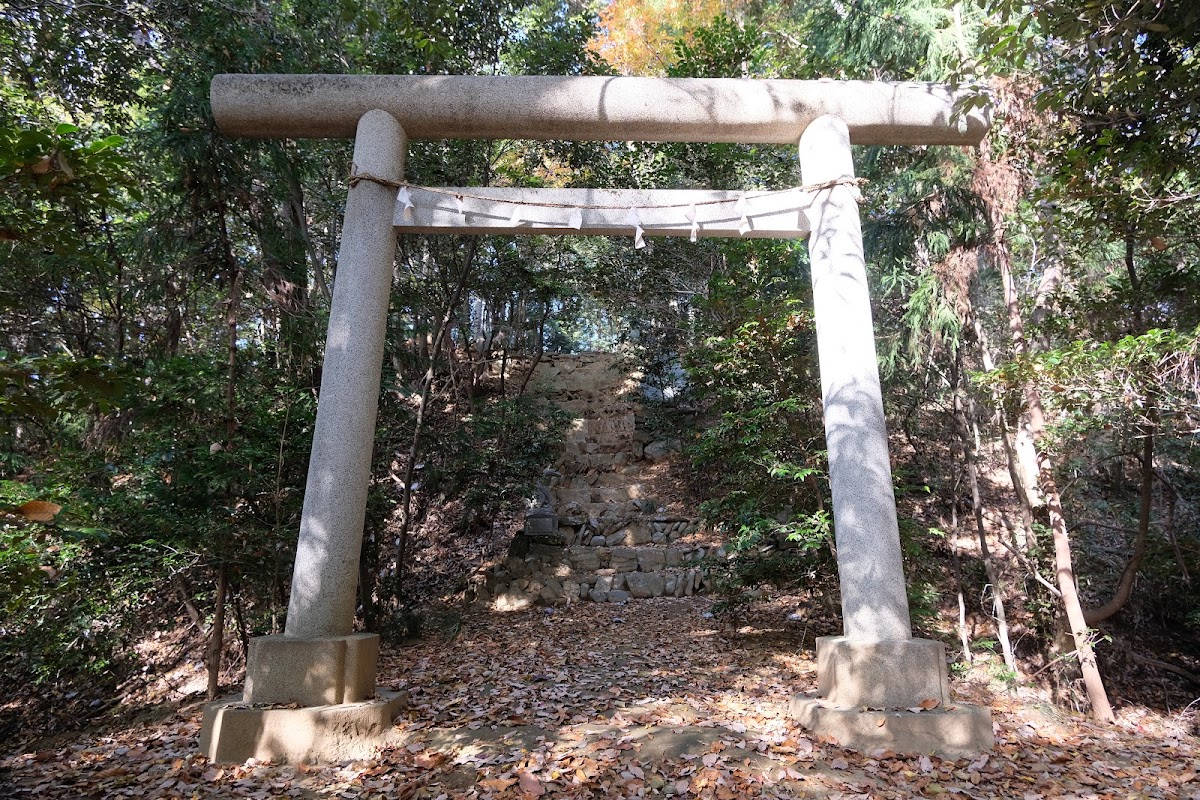
- From Hakure Station: Approximately 30 minutes on foot to the castle entrance (Suwa Shrine)
- From Yorii Station: Approximately 60 minutes on foot to the castle entrance
The Chichibu Railway can be transferred to the JR Hachiko Line and Tobu Tojo Line at Yorii Station. From Hakure Station to the castle entrance, you’ll pass through a residential area and head towards Suwa Shrine. There are few signs at the station or along the way, so it’s recommended to check a map or GPS app beforehand.
Access by Car
Approximately 15 minutes from the Kan-Etsu Expressway “Hanazono IC”
Near the castle entrance, there are a few parking spaces at the entrance to the Suwa Shrine’s approach. However, this is not an official parking lot, so please be considerate of the local residents. There are also a few parking spaces near the cemetery of Zendo-ji Temple, but please note that this is also temple grounds.
There are no free public parking lots, so using public transportation is highly recommended.
Castle Ascent Route
The main route to Hanazono Castle starts from Suwa Shrine.
- Suwa Shrine: The shrine that serves as the castle entrance. The mountain path begins here.
- Hiking Trail: Approximately 30-40 minutes from the shrine to the summit. Guideposts and signs are installed along the way.
- Third Enclosure → Second Enclosure → Main Enclosure: Proceed towards the summit while visiting the enclosures in order.
The hiking trail is well-maintained, but there are steep slopes and rocky areas typical of mountain castles, so we recommend wearing non-slip shoes such as trekking shoes. Also, if you wish to see the vertical moats, you will need to descend further down the slope, so please allow ample time for your visit.
Points to Note When Visiting
- Estimated Time: Approximately 1.5 to 2 hours round trip from the entrance to the main enclosure. If you wish to see the entire site, including the vertical moats, please allow 2.5 to 3 hours.
- Clothing: Appropriate clothing and shoes for mountain hiking are essential. Insect repellent is necessary in summer, and warm clothing is necessary in winter.
- Items to Bring: Drinking water, map, mobile phone, camera, etc.
- Toilets: There are no toilets within the castle ruins. Please use the facilities at the station or near the entrance beforehand. – Admission Fee: Free
- Visiting Hours: No restrictions (however, visiting during daylight hours is recommended)
Related Historical Sites in the Surrounding Area
Hachigata Castle Ruins: An important base of the Later Hojo clan, located on the opposite bank of the Arakawa River. A nationally designated historical site, it also houses the Hachigata Castle History Museum. Visiting it together with Hanazono Castle will provide a deeper understanding of the Sengoku period history of this region.
Shoryuji Temple: A Soto Zen temple containing the graves of Fujita Yasukuni and Hojo Ujikuni and his wife. A Saitama Prefecture designated historical site, it also houses cultural artifacts related to the Hojo clan.
Hanazono Mitake Castle: A subsidiary castle built on Mount Mitake behind Hanazono Castle. It functioned as an integrated castle with Hanazono Castle, and remains of the structure still exist.
Highlights of Hanazono Castle | Must-See Points for Castle Enthusiasts
Four Vertical Moats | Impressive Defensive Structures
The greatest highlight of Hanazono Castle is the four vertical moats running along the southern slope. Extending approximately 80 meters in elevation difference down to the foot of the mountain, these moats reach depths of 3-5 meters and widths of 5-8 meters, making them among the finest examples of stonework in the Kanto region.
Walking along the bottom of the moats allows you to truly appreciate their depth and length, and you’ll be amazed by the advanced castle-building techniques of the Sengoku period. The sight of the four moats running parallel to each other is even more impressive when viewed from above, making it a popular spot for photography.
Rare Stone Walls in Kanto
The stone wall remaining in the northwestern part of the main enclosure is a rare feature among mountain castles in the Kanto region. Built using natural stones in a rough-hewn style, it’s only about 2-3 meters high, but it’s a valuable resource for understanding stonework techniques in the Kanto region during the Sengoku period.
Standing before the stone masonry, one can imagine the stonemasons who meticulously stacked each stone over 400 years ago, evoking a sense of historical romance.
Well-Preserved Enclosures and Earthworks
The various enclosures of Hanazono Castle still retain clearly defined flat surfaces, making it easy to understand the scale and structure of the castle. The earthworks of the main enclosure, in particular, are remarkably well-preserved, retaining much of their original appearance.
Standing atop the enclosure, one can survey the surrounding terrain and the direction of Hachigata Castle on the opposite bank, imagining what the castle lords of the Sengoku period saw from this vantage point.
Combination of Moats and Horizontal Ditches
Hanazono Castle features a skillful combination of moats and horizontal ditches, creating a three-dimensional defensive network. Walking through these remains allows one to appreciate the ingenuity of the layout and the strategic thinking of the castle’s builders.
The moat between the main enclosure and the second enclosure is particularly large, reaching a depth of 4-5 meters. Standing at the bottom of the moat, one can truly appreciate its defensive effectiveness.
View | Overlooking the Arakawa River and Hachigata Castle
From the main enclosure, you can see the Arakawa River and Hachigata Castle on the opposite bank. On a clear day, the view extends to the Chichibu Mountains and the Kanto Plain, allowing you to appreciate the excellent location of Hanazono Castle.
This view served a military surveillance function during the Sengoku period, but today it offers visitors a spectacular view. Especially during the autumn foliage season, the surrounding mountains change color, creating a beautiful landscape.
Relationship between Hanazono Castle and the Fujita and Hojo Clans
Hanazono Castle is a fortress with deep connections to two powerful samurai families: the Fujita clan and the Hojo clan.
Residence of the Fujita Clan for 15 Generations
The Fujita clan was a samurai group belonging to the Inomata clan, one of the seven Musashi clans, and they built their power in this region from the late Heian period to the Sengoku period. Since its construction by Fujita Masayuki, Hanazono Castle served as the residence for 15 generations, and they ruled the surrounding area. The Fujita clan, as important retainers of the Kanto Kanrei (governor of the Kanto region) and the Yamanouchi Uesugi clan, exerted significant influence on the political situation in the Kanto region. Particularly from the late 15th to the 16th century, they played a crucial role amidst the complex relationships between the Uesugi clan, the Koga Kubo (governor of Koga Province), and the Later Hojo clan.
Adoption of Hojo Ujikuni and Relocation to Hachigata Castle
During the Eiroku era (1558-1570), Fujita Yasukuni adopted Hojo Ujikuni, the fourth son of Hojo Ujiyasu, the head of the Odawara Hojo clan. This meant the Fujita clan came under the control of the Later Hojo clan, bringing about a major change in the political situation of the region.
When Hojo Ujikuni succeeded to the family headship, the main base was moved from Hanazono Castle to Hachigata Castle on the opposite bank of the Arakawa River. This was because Hachigata Castle was larger and strategically more important. After this, Hanazono Castle continued to function as an important subsidiary castle of Hachigata Castle, serving as a defensive base for the Hojo clan in the Musashi and Kozuke regions.
Yasukuni Fujita and Ujikuni Hojo
Yasukuni Fujita continued to serve as a senior retainer of the Hojo clan even after adopting Ujikuni Hojo. The graves of Yasukuni and Ujikuni remain at Shoryuji Temple (Yorii Town) and are designated as a Saitama Prefecture historical site.
Shoryuji Temple also houses cultural artifacts such as documents and swords related to the Hojo clan, making it a valuable resource for understanding the history of Hanazono Castle, the Fujita clan, and the Hojo clan.
Comparison of Hanazono Castle and Sugiyama Castle | Two Representative Mountain Castles of Saitama Prefecture
Saitama Prefecture is home to two famous mountain castles, Hanazono Castle and Sugiyama Castle. Both castles are highly regarded by castle researchers and enthusiasts as representative mountain castles of the Kanto region.
Characteristics of Sugiyama Castle
Sugiyama Castle (Arashiyama Town, Hiki District) is known as a mountain castle that embodies the pinnacle of Sengoku period castle construction technology. Its complex layout, numerous baileys, moats, and earthworks are skillfully arranged, earning it the title of “textbook castle construction.” It is a nationally designated historical site and is in good condition.
Characteristics of Hanazono Castle
Hanazono Castle is a mountain castle with unique features, such as four vertical moats and stone walls. Compared to Sugiyama Castle, it may be less complex in terms of layout, but Hanazono Castle has its own unique highlights, such as the scale of its vertical moats and the presence of stone walls.
The Value of Visiting Both Castles
Sugiyama Castle and Hanazono Castle are mountain castles with different characteristics, and visiting both allows you to understand the diversity of castle construction techniques in the Kanto region during the Sengoku period. For castle enthusiasts visiting Saitama Prefecture, both castles are must-see spots.
Current Status of Hanazono Castle Preservation and Development
The Hanazono Castle ruins are protected as a Saitama Prefecture designated historical site, and preservation and development projects are underway by Yorii Town.
Preservation Status of the Remains
The remains of Hanazono Castle are in good condition, thanks to the fact that they were left as forest after the Edo period. The castle features a variety of clearly preserved remains, including the main enclosure, second enclosure, third enclosure, vertical moats, trenches, earthworks, and stone walls, conveying the appearance of a Sengoku period mountain castle to this day.
Maintenance Projects
In recent years, Yorii Town has been carrying out maintenance projects, including improving the access roads, installing information boards, and mowing the grass. This has made it safer and more comfortable to visit the castle ruins than before.
However, the maintenance has been kept to a minimum, and alterations to the remains have been avoided. This is a consideration to preserve the value of the historical site, allowing visitors to experience the Sengoku period mountain castle as it was.
Future Challenges
Several challenges remain in the preservation and utilization of Hanazono Castle. Further improvements to the access roads, more information boards, and securing parking facilities are needed. Furthermore, promoting preservation activities in collaboration with local residents and castle enthusiasts is also important.
In Yorii Town, Hanazono Castle is positioned as a valuable historical asset of the region, and the town plans to continue development projects while balancing preservation and utilization.
Recommended Season for Visiting Hanazono Castle
Hanazono Castle is accessible year-round, but each season offers different attractions.
Spring (March-May)
Spring is the season of fresh greenery, with mountain trails covered in lush green, making for a pleasant hike. The temperature is mild, making it suitable for long mountain walks. However, insects begin to increase from late April to May, so insect repellent is necessary.
Summer (June-August)
Summer is a season of lush greenery and cool shade. However, temperatures and humidity are high, so heatstroke prevention is essential. Also, insect repellent spray and long-sleeved clothing are recommended due to the abundance of insects.
Autumn (September-November)
Autumn is the most recommended season to visit Hanazono Castle. The mild temperatures and beautiful autumn foliage allow you to fully enjoy the atmosphere of the mountain castle. Especially from early to mid-November, the surrounding mountains are adorned with vibrant autumn colors, offering breathtaking views.
Winter (December-February)
Winter is the season when the fallen leaves make the ruins easier to see. While temperatures are low, the air is clear, and the views are excellent. However, there is a possibility of snow and ice, so please check the weather before visiting.
Summary | Hanazono Castle: A Representative Mountain Castle of the Kanto Region
Hanazono Castle is a Sengoku period mountain castle located in Yorii Town, Saitama Prefecture, and flourished as the residence of 15 generations of the Fujita clan. Its diverse remains, including four vertical moats, stone walls, trenches, and earthworks, are well-preserved, and it is highly regarded as one of the representative mountain castles of the Kanto region.
Hanazono Castle, which functioned integrally with Hachigata Castle on the opposite bank of the Arakawa River, is an important historical site for understanding the political and military situation in the Kanto region during the Sengoku period. After falling during Toyotomi Hideyoshi’s siege of Odawara in 1590, Hanazono Castle was abandoned, but its remains still convey the history of the Sengoku period to visitors.
When visiting Hanazono Castle, it is necessary to wear appropriate clothing for mountain hiking, such as trekking shoes, and plan your visit with ample time. Allow approximately 1.5 to 2 hours for the round trip from the entrance to the main enclosure, and 2.5 to 3 hours if you wish to see the entire site, including the vertical moats.
For those interested in mountain castles in the Kanto region, those interested in Sengoku period history, or those who simply want to enjoy hiking in a historic mountain castle, Hanazono Castle is a must-see. Please visit this historic mountain castle and experience the spirit of the Sengoku period.