Dohora Castle (Gifu Prefecture) Complete Guide | A Sengoku Period Mountain Castle that Was the Stage of the Battle of Dohora
What is Dohora Castle?
Dohora Castle (Dohora-jo) is a Sengoku period flatland castle located in Yuta, Tomika-cho, Kamo-gun, Gifu Prefecture. Also known as Dohorayama Castle and Dohora Kakiage Castle, it is etched in history as the stage of the “Battle of Dohora” which took place in 1565.
Built on a mountaintop approximately 192 meters above sea level, this castle was a military base hastily constructed by Saito Tatsuoki’s forces to counter Oda Nobunaga’s conquest of Mino Province. Although it met a dramatic fate, falling in just one day, its short history encapsulates the turbulent events of the Sengoku period.
Currently, much of the castle site has been developed into a golf course, but remnants such as earthworks and moats remain around the main keep, conveying the atmosphere of the Sengoku period.
History of Dodō Castle
Background and Purpose of Construction
The construction of Dodō Castle is rooted in the significant historical context of Oda Nobunaga’s conquest of Mino Province. In 1564, the power dynamics within Mino Province changed dramatically when Sato Tadayoshi, lord of Kajita Castle, secretly sided with Oda Nobunaga.
Saito Tatsuoki built Dodō Castle nearby to attack Kajita Castle, which was held by Sato Tadayoshi, who had allied with Nobunaga. Kishi Kageyu Nobuchika was appointed as the castle lord, and his role was to keep Kajita Castle in check. While there are various theories about the castle’s builder, it is certain that it was a hastily constructed military base ordered by the Saito clan.
The Battle of Dodō in 1565
The most important event in the history of Dodō Castle is the Battle of Dodō, which took place in August 1565. This battle marked a crucial turning point in Oda Nobunaga’s conquest of Mino Province.
Upon receiving a request for reinforcements from Sato Tadayoshi, lord of Kajita Castle, Oda Nobunaga dispatched powerful retainers such as Niwa Nagahide, Kawajiri Hidetaka, and Mori Yoshinari. With the addition of Sato Tadayoshi’s forces, Dodō Castle was surrounded from all sides.
According to the *Shinchō Kōki* (Chronicle of Lord Nobunaga), Dodō Castle had a “tenshu-gamae” (castle tower), suggesting it was a fortress of considerable size for its time. However, due to the overwhelming difference in troop numbers and the fierce attack of the Oda army, the castle fell in just one day. Many of the castle’s defenders, including the lord Kishi Nobuchika, were killed.
This victory solidified Oda Nobunaga’s foothold in the central Mino region, paving the way for his subsequent unification of Mino.
Dodō Castle After its Fall
After its fall in the Battle of Dodō, Dodō Castle was abandoned. However, the history of the castle ruins doesn’t end there.
In 1582, the Honnō-ji Incident occurred, plunging Mino Province into chaos once again. Taking advantage of this chaos, the “Battle of Kajita and Kaneyama” broke out between Saitō Toshitaka and Mori Nagayoshi. During this time, the Dōdō Castle ruins were reused as Mori Nagayoshi’s headquarters during the siege of Kajita.
Although 17 years had passed since the castle was abandoned, the topographical advantages of the Dōdō Castle ruins had not been lost, indicating that it retained its value as a military base.
Structure and Layout of Dōdō Castle
Basic Structure of the Castle
Dōdō Castle was a flatland castle built around the mountaintop at an altitude of approximately 192 meters, with a relative height difference of about 90 meters. The main enclosures, including the Honmaru (main enclosure), Nagaomaru, and Ninomaru, have been identified, and these were defended by earthworks and moats, exhibiting the typical structure of a Sengoku period mountain castle.
The main enclosure (Honmaru) is the core of the castle and is believed to have contained the “Tenshu-gamae” (castle tower structure) described in the *Shinchō Kōki* (Chronicle of Lord Nobunaga). While the exact nature of this “Tenshu-gamae” is unknown, it may have been a rare defensive structure for its time.
Existing Remains
Currently, most of the Dōdō Castle site has been lost due to golf course development, but the following remains are preserved around the Honmaru site:
Earthworks: Parts of these remain around the Honmaru, providing evidence of the original defensive structure. While the height varies depending on the location, they are important remains indicating the outline of the castle.
Moat: Parts of the moat that defended the castle along with the earthworks remain. Although not in its complete form, the traces of the moat allow us to infer the structure of the castle.
Enclosure Sites: The remains of the Honmaru, Nagaomaru, and Ninomaru enclosures are preserved as topographical features, providing clues to the scale of the castle.
Rice Granary Site: According to legend, roasted rice is still excavated from the site where the rice granary once stood. This is believed to be the remains of a fire during the Battle of Dodō.
Highlights of the Main Enclosure
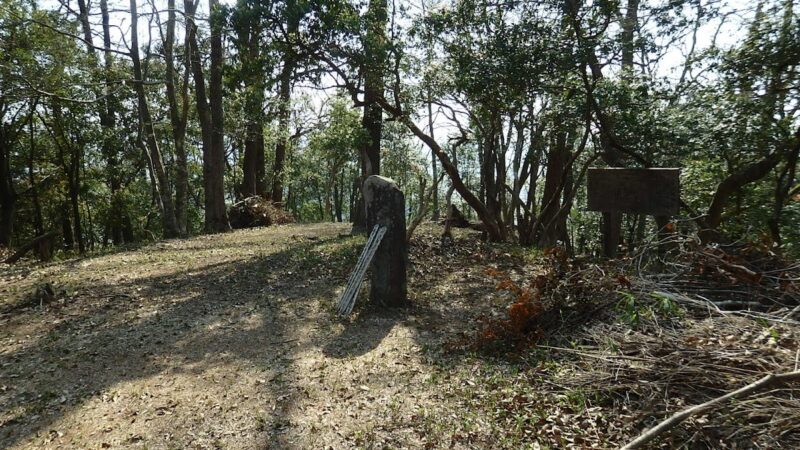
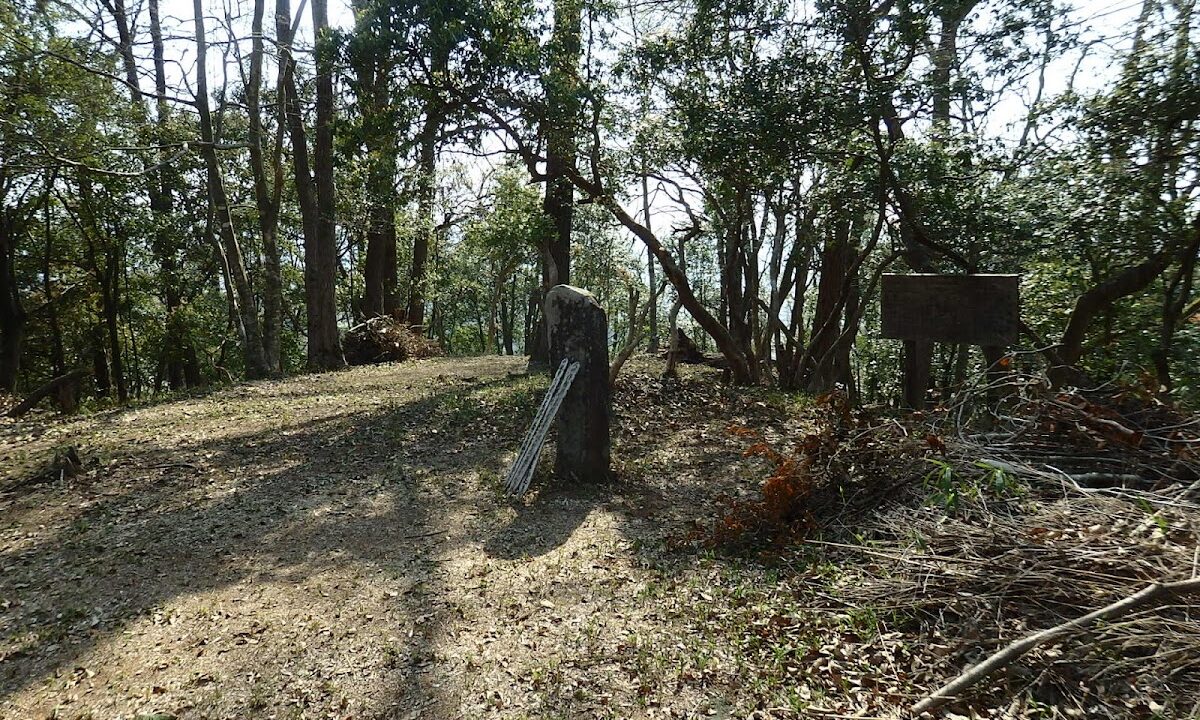
A stone monument stands at the site of the main enclosure, inscribed with “Namu Amida Butsu” (a Buddhist invocation). This monument commemorates the soldiers who lost their lives in the Battle of Dodō and serves as an important memorial to the history of the fierce battle.
An explanatory sign is also installed in the main enclosure, allowing visitors to learn about the history of Dodō Castle and the Battle of Dodō. Because the surrounding area is a golf course, a notable feature is that the remains can be observed in a well-maintained environment.
Access to Dodō Castle
Location
Address: Yūta, Tomika-cho, Kamo-gun, Gifu Prefecture
The Dodō Castle ruins are located northeast of the center of Tomika-cho and are currently within and around the Gifu Seki Country Club golf course.
Access by Car
From Mino-Kamo IC on the Tokai-Kanjo Expressway: Approximately 10 minutes
- Exit the Mino-Kamo IC and head north on National Route 418
- Proceed towards Tomika-cho and follow the signs to the site.
Parking: There is no dedicated parking lot for the castle ruins, but you can park near the nearby Sakuta Shrine. However, please be considerate so as not to disrupt the golf course’s operations.
Access by Public Transportation
From Mino-Ota Station on the JR Takayama Line:
- Approximately 15 minutes by taxi
- Bus services are limited, so please check in advance.
Landmark for the Castle Entrance
The landmark for the entrance to Dodō Castle is Sakuta Shrine. Using this shrine as a landmark will make access to the castle ruins smoother.
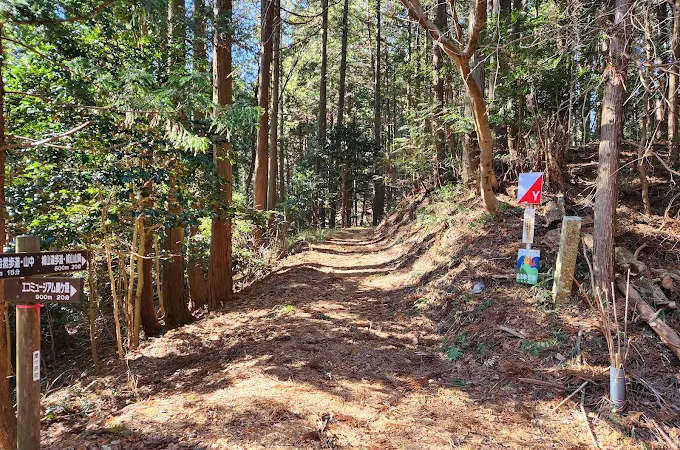
From the entrance, you can reach the main keep on foot, but part of the area is part of the golf course, so please be careful not to enter while golfers are playing. We recommend checking with the golf course in advance.
Hachijoiwa Rock | A Famous Spot Where the Castle Lord Held a Moon-Viewing Banquet
Near the entrance to Dodō Castle is a massive single rock called “Hachijoiwa Rock.” As the name suggests, it is a flat rock about the size of eight tatami mats, and it is said that the castle lord, Kishi Nobuchika, and his soldiers held a moon-viewing banquet on this rock.
It is a valuable historical site that shows that even the warlords of the Sengoku period enjoyed refined pleasures between battles. It still retains traces of that time, making it a must-see spot when visiting Dodō Castle.
From Hachijoiwa Rock, you can overlook the surrounding scenery and relive the view the castle lords saw.
Nearby Tourist Spots and Related Facilities
Tomika Town Local History Museum
This facility displays materials and excavated artifacts related to Dodō Castle, as well as exhibits about the Battle of Dodō. Visiting before visiting the castle ruins will allow you to understand the history more deeply.
Kajita Castle Ruins
Kajita Castle, closely related to Dodō Castle, is located in Kajita, Tomika-cho, adjacent to Tomika-cho. This castle was the catalyst for the construction of Dodō Castle when Sato Tadayoshi secretly sided with Oda Nobunaga. Visiting both castles together provides a deeper understanding of the strategic situation at the time.
Kaneyama Castle Ruins
Kaneyama Castle, the residence of Mori Nagayoshi, is also a castle deeply connected to the history of Dodō Castle. It was the site of the Battle of Kajita-Kaneyama after the Honnōji Incident, making it an important spot for tracing the Sengoku period history of Mino Province.
Sightseeing in Minokamo City
Minokamo City, adjacent to Tomika-cho where Dodō Castle is located, also offers family-friendly tourist facilities such as Nihon Showa Village and Gifu Seiryu Satoyama Park. Visiting these in conjunction with a castle tour is highly recommended.
Summary of Highlights of Dodō Castle (Castle Notes)
Historical Value
- A crucial battleground in Oda Nobunaga’s conquest of Mino: The Battle of Dodō marked a turning point in Nobunaga’s control of central Mino.
- A dramatic history of falling in just one day: A record of a short, decisive battle due to an overwhelming difference in military strength.
- “Tenshu-gamae” (castle tower structure) described in the “Shinchō Kōki” (Chronicle of Lord Nobunaga): A valuable historical document for understanding castle architecture during the Sengoku period.
Characteristics of the Remains
- Earthworks and moats remaining around the main enclosure: Valuable remains that escaped golf course development.
- “Namu Amida Butsu” memorial tower: A stone monument commemorating fallen soldiers conveys the weight of history.
- Burnt rice unearthed from the rice storehouse site: Traces that tell the story of a fire during the battle.
Points to Note When Visiting
- Coexistence with the Golf Course: Many of the remains are located within the golf course, so consideration is necessary when visiting.
- Visiting the Hachijoiwa Rock: A must-see single rock where the castle lord enjoyed moon viewing.
- Use Sakuta Shrine as a landmark: Easy access to the castle entrance.
- Visiting the Tomika Town Local History Museum in conjunction: Prior learning will deepen your understanding.
Points to note when visiting Dodō Castle
Relationship with the Golf Course
Most of the Dodō Castle site is currently a golf course (Gifu Seki Country Club). While major remains such as the main keep are accessible, access may be restricted during golf play.
We recommend checking the golf course’s operating status before visiting and contacting them in advance if possible. Please observe proper etiquette to ensure the safety of players and avoid disrupting operations.
Clothing and Equipment
Since the castle site is located on the mountainside to the summit, the following equipment is recommended.
- Comfortable walking shoes: The path to the castle is well-maintained, but you need to be prepared for walking on mountain trails.
- Seasonal clothing: Insect repellent in summer, and warm clothing in winter.
- Drinking water: Essential, especially in summer.
- Camera: For photographing the ruins and scenery.
Estimated time required for visit
For a visit to the Dodō Castle ruins, allow approximately 30 minutes to 1 hour for a round trip from the entrance to the main keep. If you plan to thoroughly explore the Hachijō-iwa rock and surrounding ruins, it’s advisable to allow an additional 30 minutes.
Sengoku period warlords associated with Dodō Castle
Kishi Kageyu Nobuchika (Castle Lord)
He was a warlord appointed by Saitō Tatsuoki as the lord of Dodō Castle. He was tasked with the important duty of keeping Kajita Castle in check, but was killed in a fierce attack by the Oda army. While his detailed career is unknown, he is remembered as a loyal warlord who tried to defend the castle to the very end.
Oda Nobunaga (Commander-in-Chief of the Siege)
A well-known conqueror of the Sengoku period. The Battle of Dodō was a crucial battle in Nobunaga’s conquest of Mino Province. This victory allowed him to control the central Mino region, leading to the capture of Inabayama Castle (later Gifu Castle) the following year.
Niwa Nagahide (Siege Commander)
A renowned general known as a senior retainer of Oda Nobunaga. He led the main force in the siege of Dodō. Later, he served as the chief retainer of the Oda family and was known by the nickname “Kome Gorōza.”
Kawajiri Hidetaka (Siege Commander)
A hereditary retainer of Oda Nobunaga. He participated in the Battle of Dodō and distinguished himself in battle. He was a general highly trusted by Nobunaga, later being entrusted with the governance of Kai Province.
Mori Yoshinari (Siege Commander)
A senior retainer of the Oda family, known as the father of Mori Ranmaru. After his distinguished service in the Battle of Dodō, he achieved military success in numerous battles, but was killed in action at the Battle of Usayama Castle in 1570.
Satō Tadayoshi (The Defector)
As the lord of Kajita Castle, he secretly defected to Oda Nobunaga, triggering the Battle of Dodō. By betraying the alliance of the three castles of Chūnō (Kajita Castle, Dodō Castle, and Kajita Castle) and siding with Nobunaga, he significantly altered the regional power balance.
Mori Nagayoshi (After the Honnōji Incident)
A warrior who used the Dodō Castle ruins as his headquarters during the chaotic period after the Honnōji Incident and attacked Kajita Castle. He was the second son of Mori Yoshinari and a fierce warrior feared under the nickname “Oni Musashi” (Demon Musashi).
Photo Spots at Dodō Castle
Here are some must-see photo spots when visiting the Dodō Castle ruins.
Memorial Tower at the Main Enclosure
The stone monument inscribed with “Namu Amida Butsu” (a Buddhist invocation) is a symbolic monument of Dodō Castle. Taking a photograph with the surrounding scenery in the background creates a picture that conveys the weight of history.
Remains of Earthworks and Moats
The earthworks and moats remaining around the main enclosure are valuable remains that show the castle structure of the Sengoku period (Warring States period). By taking photographs from different angles, you can document the appearance of the defensive facilities at that time.
Hachijō-iwa (Eight-Tatami Rock)
This single rock, where the castle lord is said to have enjoyed moon viewing, is an important spot that conveys the cultural aspects of Dodō Castle. We recommend photographing both the entire rock and the view from atop it.
View from the Castle Ruins
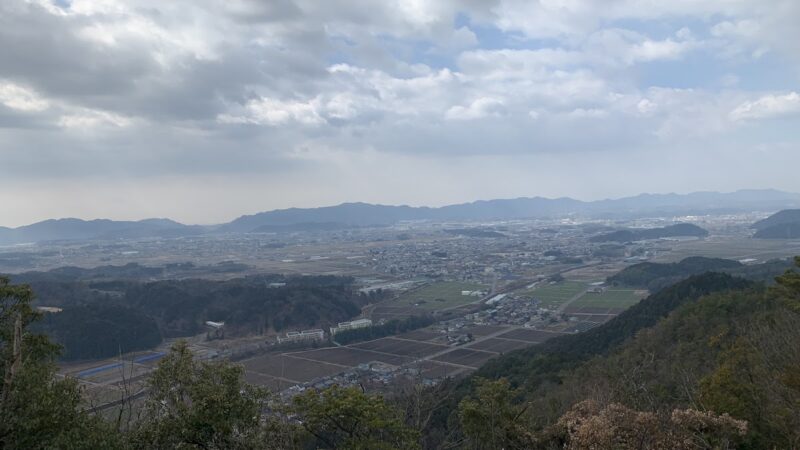
From an altitude of approximately 192 meters, you can overlook the area around Tomika Town. On a clear day, you can see the distant mountains, allowing you to relive the view seen by Sengoku warlords.
Summary: Dodō Castle is a Valuable Historical Site for Learning about the Sengoku Period
Dōdō Castle is a mountain castle from the Sengoku period with a dramatic history, having fallen in just one day. It holds a significant place in Japanese Sengoku history as the site of the Battle of Dōdō, a crucial turning point in Oda Nobunaga’s conquest of Mino Province.
Currently, much of the castle site has been developed into a golf course, but remnants such as earthworks and moats remain around the main keep, allowing visitors to imagine its former appearance. A memorial tower inscribed with “Namu Amida Butsu” (a Buddhist invocation) conveys the history of the fierce battle and the sentiment of solace for those who died in the fighting.
Visiting Dodō Castle in conjunction with other nearby historical sites, including Hachijōiwa (Eight-Tatami Rock), and the exhibits at the Tomika Town Local History Museum will allow for a deeper understanding of its history. Furthermore, visiting related castles such as Kajita Castle and Kaneyama Castle will provide a more comprehensive understanding of the strategic situation and the Sengoku history of Mino Province.
With relatively good access, its location just a 10-minute drive from the Mino-Kamo Interchange on the Tokai-Kanjo Expressway is also a major draw. For those interested in the history of the Sengoku period or those who enjoy visiting castles, Dodō Castle is a must-see spot.
When visiting, please be mindful of the golf course’s operations and take some time to reflect on the Sengoku era. Despite its short history, Dodō Castle played a crucial role in Oda Nobunaga’s path to unifying Japan. Its remains continue to quietly convey the memory of the Sengoku period.