Complete guide to the history and highlights of Tao Castle | Exploring the death of Kagetora Uesugi
Tao Castle is located in Myoko City, Niigata Prefecture, and is an important mountain castle for the troupe. That’s all, Sugi Kagetora’s dead name. Uesugi Kagetora was the son of the Hojo clan, and was in conflict with Uesugi Kagenobu on the throne during the “Daitachi Rebellion”, and was also present at this time. The full text of the main text is here, and I understand everything you need to know in front of Daio Castle, the historical background of the world, and the transportation system that goes all the way to the light point.
Shizuo Castle Summary | Basic information and overview
Tao Castle is a medieval castle, located on the top of a mountain hill in the US, 185 Nori, Minnai District, Myoko City, Niigata Prefecture. It was also named `Yoneyama Castle'' or `Taiwei Castle”, and was recently designated as a national historical monument.
Fortress location and geographical special expedition
The location of the four-tailed castle is Yongyue, overlooking the Kubiki plains. On the top of the mountain hill on the river of Guangzhou on the Hokoku Highway, it is a military fortress that is an important transportation hub for the country of control. The surname of the fortress originally came from Usan, and the shape of the body was very similar to that of the fish and fish tail.
The fort has a distance of 400 meters from the east to the west, a distance from north to south of 250 meters, and a multi-divisional fort structure with a horizontal and vertical fort. The fortifications were built, the defense work was solidified, the natural topography was fully exploited, and the fortification construction techniques of the country’s era were also realized.
History, history, and culture
Siwei Castle Site March 2, 2005 (Heisei 17) Designated national cultural historical monument. Due to the fact that the castle was built on the day of Uesugi Kagetora’s death, it has an important historical significance, and the preservation of the mountain castle during the time of the country is an important cultural asset.
Myoko City has been using the city’s history to preserve its history, and has comprehensively improved its construction work and fortified roads. The local volunteer group is also open to exhibit the history of the country and its current activities, and the mission is to protect the culture and quality of the Chengdu community.
History of the castle | Construction of the castle
Construction history and early period
It was originally built during the construction period of the castle, but it is universally acknowledged that it was constructed between the end of the 14th century and the end of the 15th century. At first, it was a small troupe.
When the era of war arrived, the vice-governor of the Ekkou province, the Nagao clan (the Uesugi clan from the time of its arrival), was forced to attack the Uesugi clan. At the time of his establishment, Uesugi was the lord of the castle, with other vassals such as Horie Munechika and Usa Mitsuko in charge of the capital city.
Uesugi Kagetora’s ending
In 1579 (Tensho 7th year), the name of the 鲛颜城子 was entered into the history of the explosion of the Great Hall. The cause of the war in this area was the sudden death of Uesugi Shinshu in March 1578, which caused an explosion.
The progress of the Great University
At that time, the person in charge of the position. One of them is Kagetori Uesugi, the seventh son of Ujiyasu Odawara Hojo, and one of them is Kagetora Uesugi, the seventh son of Ujiyasu Odawara Hojo. At the beginning of the battle, Kagetora’s prediction was favorable, but after the victory of Takeda and the conclusion of the alliance, the situation was reversed.
In March 1579, Kagetora fled and took up residence in the castle town of Kasugayama, where he was sent to the eastern part of the castle to seek support from the Hojo clan. However, the enemy’s victorious army chased after them, and the castle was the last to escape.
The end of the castle battle
Horie Munechika, the lord of Taisei Castle, initially supported Kagetora, but after the observation station, Tadakage was in effect. On March 24, 1579, Kagethu was in the city and died at the age of 26. Kagetora’s death ended in the Great Rebellion, and Uesugi succeeded as the head of the Uesugi family.
Jinghu’s graveyard is located in the Lianzen Temple at the foot of the city, and has been visited by many history lovers since then. This is the tragic story of samurai Kagetora, which is the largest historical site in the city.
鲛颜城 after the Great Rebellion
After the end of the Great Rebellion, the military fortress was built and the military fortress was built, and Yukamisugi took control. In 1598, the Hori clan moved to Aizu, where the Hori clan entered the country, and the Uzumaki Castle entered the country under the control system.
However, at the beginning of the Jiang Dynasty, the Inokugawa shogunate passed the “one country, one castle” law. After this, the city fort was directly destroyed, and the city was buried in the middle of nature.
鲛颜城遗迹和光Point
It is a monument to the appearance of mountain castles in modern times.
Honmaru
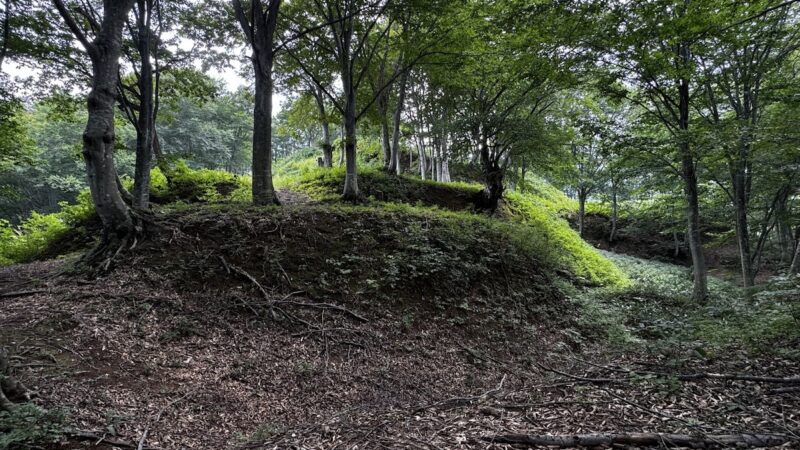
The main enclosure is the central part of the castle fort, and the top of the 185-meter mountain barrel. It is approximately 50 meters in length from east to west, 30 meters from north to south, and is the residence of the castle lord and the location of other major constructions (Ruli Watchtower).
A magnificent panoramic view of the Kubiki plains, from where the castle is located, to the Sea of Japan, to Mt. The beauty of Hikori, Sado Island, and the great importance of its military fortifications.
The surrounding area of the main castle was a long time ago in the construction of the local construction, and the existence of defensive construction was confirmed. The castle gate (small entrance) can be seen clearly, and the mission’s development research is the treasure of the castle’s structure during the country’s time.
Castle defense construction
The area around the main castle has a ladder-like distribution of areas (flat area). This is a small military area that has been used for military and military personnel.
In particular, it is called “Hori-kiri” defensive construction. Horikiri is an artificial river located on the mountain, and the river is dry, and it plays an important role in the invasion of the enemy forces. The number of seats in the castle is currently on hold, and the length of the castle has been proven to be high in defense ability.
You can see inside the castle Tachibori (vertical 护城川). The city was built vertically along the river, preventing the enemy from attacking. This is a small step forward in the history of the world, and it is a treasure trove of castle pond construction technology.
The historical past of Youesugi Kagetora Sokan
The history of Uesugi Kagetora’s relationship with many people is distributed within the ruins of the castle in Tao.
Kagetora Shimizu Spring, installed in the area where Kagetora drinks the last sip of water. The pure spring water is still flowing, and the customers wash their hands.
In addition to this, Kagetora’s position is self-exhausting, and the local government has been established for a long time, and this is a tragic history. Every March, there is a memorial gathering for the city’s most famous people, history enthusiasts and Japanese researchers.
The route and information of the previous journey to the castle
The route was smooth and easy to climb, as was the case with the fortress. It takes about 20-30 minutes to walk from the entrance to the main castle.
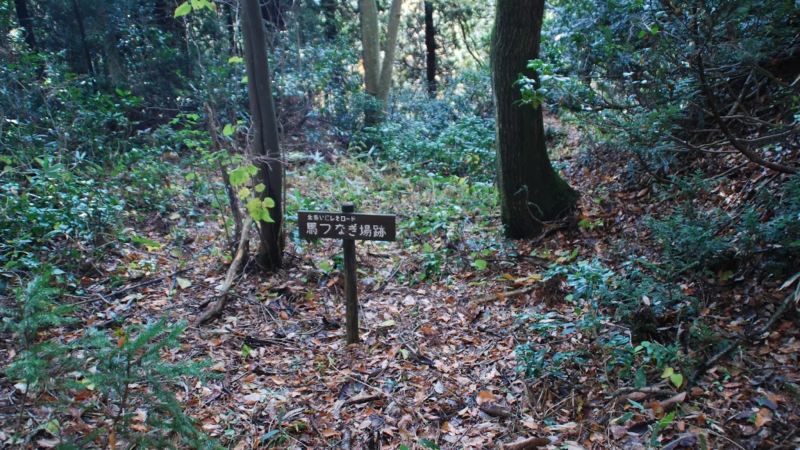
Along the way there are many information plates, information about the history and history of the castle. This is a clear explanation of the progress of the small information board, and it is possible to visit the first visit and understand the history of the castle.
In the past, the path was like a fortress, with a single mountain road, and the construction was made of shoes and Japanese clothing. After the rain, the road is wet and slippery, and I’m nervous about the lack of demand.
The history of the surrounding city
When you visit the castle, you can explore the history of the surrounding area and explore the history of the past.
Renzenji Temple (Uesugi Kagetora Tomb)
The name of Sugi Jingtora’s tomb is located at the foot of Lianchan Temple, Yu Pei Fincheng, and is located at Soto Sozen Temple. Jinghu’s graveyard is located in the graveyard behind the Ujeongjeon Hall, where the spirits of the local residents have been preserved ever since.
He is a member of Zenzenji Temple and Uesugi. The Kasugayama Zen-ji Temple was not the same as the temple in the Buddhist training period of 1995, but the Soto sect of Buddhism was affiliated with the Soto sect, and the origin of the deep roots of the Uesugi family.
The exhibits in the temple hall were accompanied by Keihu and the Tigers, and visitors were able to understand the great uprising. In the quiet temple, people pray for peace, praying for the souls of Jinghu to rest, and the tragic story of the country’s history.
Furukawa Village
It takes about 10 minutes to drive from the ancient village to the castle, and it is a historical park, concentrated on the ancient and medieval sites. The area includes the ruins of the Yayoi era river castle, the ancient mountain castle, and the medieval mountain castle.
In particular, it was the Flying Castle and the Airborne Castle, which was one of the important points of the Uesugi clan at the same time. The information center of the historical village of Chiang Mai, you can visit here to see the exhibition and materials of the historical site, and understand the eternal history of the area.
Kasugayama Castle Ruins
Kasugayama Castle Ruins, which is the name of Uesugi Anobu’s residence, and the distance from the castle is about 30 minutes by car. Nearby is the site of the Great Rebellion—Dadachi Castle ruins, an important historical site that shows the complete story of the Great Rebellion.
Kasugayama Castle is a huge mountain castle, honored as one of Japan’s five great castles, and is currently a popular tourist attraction in the Uesugi era. Take a look at Kasugayama Castle, the castle of Kasuga, and learn more about the history of the Uesugi clan.
Baiyong City Transportation and Visiting Information
Public transportation
Sitting fire car:
- Approximate journey time: 40 minutes from the North Central Railway Station after leaving Vietnam.
- Approximately 10 minutes by shuttle bus from Beijing Central Station
The most visible route is the JR Hokkaido New Line Joetsu-Myoko Station, which is a train that jumps from the train to the North Station. It takes about 20 minutes to reach Joetsu Myoko Station and Hokushinnai Station.
Yuyu Public Transportation Group Co., Ltd., pre-construction timetable.节假日类次减小,请请证识别 Beware.
Self-indulgence
Self-indulgence:
- Depart from Shinetsu Expressway Arai IC, approximately 10 minutes by car
- Departing from Yuzhongyuan IC, approximately 15 minutes by car
There is a free parking lot near the entrance of Tao Castle Site, which can accommodate 20 cars, and there is no regular car parking. However, during the opening period and during the history of the building, there are limited parking locations available.
When using a car as a guide, the construction director should set the destination as `Taiwei Castle Ruins'' or `Airport History Village Information Center”.
Visitor knowledge
Clothing and accessories:
- Optional walking shoes (designed climbing shoes or driving shoes)
- Clothes for Shuai
- Drinking water
- Summer hat with mosquito protection hat
- Winter supplies and warm clothing
Climb time:
- It takes approximately 20-30 minutes to reach the main entrance.
- Return trip (including viewing time) demand 1.5-2 hours
Best season:
- Spring season (April-May): 樱花 blooming, green intention natural
- Autumn season (October-November): Beautiful scenery of autumn leaves
- Winter (December-March): Snow climbing possible
Other notes:
- Yuyu is near the entrance to the mountain fortress and washroom.
- The fort has its own moving goods machine or store, and the necessary goods are ready for purchase.
- Be careful when protecting wild animals (especially bears), construction equipment, irons, and other similar items.
- A collection of plants that have been preserved in the past and have been preserved.
Travel information
Airport Historical Village Combined Information CenterProvided by the exhibition materials of the Zhouden Historical Site (Comprehensive Airport City). Opening hours are 9:00 am to 5:00 pm (extended in winter to 4:30 pm). Shuichi (as the first day of Shuichi, the next day of the new year’s holiday) and the closing of the New Year’s holidays. Free entry.
The information center can be used as a guide for those who want to take part (in front of demand). If you are familiar with the game, you can go deeper into the history of the game.
Understood Uesugi Kagetora
Kagetora Uesugi
Kagetora Uesugi (1554-1579) was the seventh son of Ujiyasu Hojo, a feudal lord of Odawara during the War period. Other original name was Ujihide Hojo, changed name to Kagetora Uesugi in 1569.
Jinghu Wuyi Gaoqiang, knowledgeable Wuyiwa literature, deep receiving knowledge and knowledge. She is also a maid of honor for other wives, and plays an important role in the Uesugi family. However, Kagetora’s fate suddenly changed due to his sudden passing, and the series of events that led to his death.
Impressions of the Uesugi family
After the Great War, the Uesugi family was established and the heavy attack was completed. A vassal of Shuta, a member of the inner war, was attacked and destroyed. In addition to this, Kagetora’s support for others led to the expansion of the Hojo family, the Yotakeda family’s alliance and leadership, and a decline in influence in the eastern region of the country.
On the other hand, Uesugi Keiyoshi, who has been in the battle since then, has shown outstanding military talent. The Uesugi family was appointed as a talented vassal, such as Kaneto Naoe, who was appointed to the throne.
The Uesugi family was not involved in the Great Rebellion, and it had a significant impact on the power status of the country in the later years. I understand that the period when the Tokugawa shogunate was transferred to the Tokugawa shogunate was very important.
History research and new news
Recent archaeological excavation, Japanese history literature research, and a new perspective on the history of modern history.
In the 2000s, the archaeological excavation team showed more details about the fort structure, confirmed the defense design, and the progress of the construction. This is a small castle for the troupe, and it is a complete mountain fortress for the troupe.
In addition, the detailed study of the ancient literature shows the details of the great rebellion, the details of the support of Jinghu, and the details of the victory of the army.
Myoko City Board of Education’s local culinary history research group maintains its current status and develops the research results, and regularly publishes research results. If you are a history lover in China, the historical site will give you the opportunity to learn new knowledge.
Seasonal mode of exploration
Shunten in Shirojo
The scenery of the castle in spring is beautiful, and the oak and wild flowers are in full bloom. In mid-to-late April, the road to the fort was filled with lilac flowers, and the city won a beautiful victory. The beautiful view of Kubiki plains, the scenery is beautiful, and the scenery is beautiful, attracting many movie lovers.
In addition, there are other activities such as a local “Kagetora Festival” held from time to time, a samurai tour, and a Japanese ritual ceremony. This is a great opportunity to experience local history and culture.
Summer weather in Shirojo
In the summer, the castle was surrounded by nature, and while climbing, the Buddha was in the forest, and the people’s hearts were strong. However, the summer temperature is high, the mosquitoes are also high, and this work requires sufficient moisture.
When the building was completed, I climbed the mountain, and when the weather was cool, I added more options. In addition, during the summer of the envoy’s stay, the scenery of the master’s castle was quite magnificent, and the scenery of the plains and mountains of Ikuo and Gunsan was reflected, and the composition was very beautiful.
Autumn Habaikaoku Castle
Autumn is one of the best seasons for exploring Kaoku Castle. From late October to early November, the beautiful autumn colors of the mountains and peaks were covered, and the scenery was breathtaking.
At this time, the weather was mild, the mountain climbing was pleasant, and the atmosphere was refreshing, with a magnificent panoramic view of the mountain range. Walk along the fort’s path through the mountain forest filled with autumn colors, exploring the history of the military and enjoying the complete luxury of nature.
Habaikaoku Castle in winter
In winter, Habai Kaoku Castle is covered with white snow and the mountain climbing becomes more difficult. During the snowy season (December to March), the demand for mountain climbing requires winter mountaineering equipment, which means that there are usually a large number of tourists.
However, due to the lack of snow, the scenery is beautiful and the scenery is beautiful. In this particular season, the cemetery of Uesugi Kagetora, a former Zen temple visitor, is also an unforgettable selection.
Voice of the customer visiting the castle
Impressions from a visitor to the castle.
Thoughts from a history lover:
“This is the tragic story of the Great Rebellion, which was located in the last region of Uesugi Kagetora’s lifetime. The ruins are perfectly preserved, and the reader’s ability is fully able to experience it. It is a historical monument of Yamashiro during the time of the war.”
Thoughts from a mountain climbing enthusiast:
“This is a very difficult route to walk, and an emergency route. The scenery is magnificent as if you were looking out from the castle, and you can see the magnificent panoramic view of the Kubiki plains.
Local residents’ opinions:
“I have been to this area for a long time. After the history of the country, I have visited many foreign places before the start of the tour. The work is a treasure in my area, and I hope that it will be rare and save the country.”
Thinking of movie lovers:
“This is a beautiful place to win, no doubt about the blooming of maple flowers in spring, and red leaves from autumn.
Summary: The charm and charm of a castle
The castle is not Uesugi Kagetora’s burial place, it has important historical significance, and it is also a rare historical example of the mountain castle appearance of the country’s era, which has been perfectly preserved. Not only is it a perfectly preserved monument and a magnificent scenery, but it is also a unique monument that combines tragic history and history, leaving a deep impression on visitors who have stopped visiting the metropolitan area.
There is no need to explore the country’s history, walking, walking in nature, and exploring the charm of each aspect of the country’s historical fort construction.
When you arrive at Niigata City, there is no need to move further. Living in the village, peacefully thinking samurai Uesugi Kagetora’s life, feeling the country’s history, and experiencing the forgetfulness of the general’s success.
Visit the nearby Yuzen Temple, the old village of Kasugayama Castle ruins and other scenic spots, and learn more about the history of the Uesugi clan and the time of war in the Ekkou area. If you want to explore the history of the world, you can feel its unique atmosphere, and you can read the book or read the book without any information. The work is connected to the current bridge, the castle generals are of historical importance, and the historical importance of the current people.