Arai Torisaka Castle (Myoko City, Niigata Prefecture) Complete Guide: Remains and Highlights of the Uesugi Clan’s Border Defense Castle
Arai Torisaka Castle is a Sengoku period mountain castle located in Himekawahara, Myoko City, Niigata Prefecture. Also known as “Torisaka Castle,” “Takajo Castle,” and “Keikan Castle,” it is known as an important mountain castle maintained by the Uesugi clan, who ruled Echigo Province, as a defensive base on the border with Shinano Province. Currently, it is maintained as Takatokoyama Forest Park, and the remains of the Sengoku period, including the main keep, are well preserved. It is designated as a historical site by Myoko City.
History and Strategic Positioning of Arai Torisaka Castle
Background and Period of Construction
The exact construction date of Arai Torisaka Castle is unknown, but the remaining structures are confirmed to date from the Sengoku period. The castle was built on the summit of Torisaka Mountain, at an altitude of 347 meters, on the top of a ridge extending northeast from Takatokoyama Mountain, which rises between the Sekikawa and Katagaigawa rivers. There is a theory that this castle is the same as “Torisaka Castle,” where Shiro Kotaro Sukemori fought against Sasaki Moritsuna of the Kamakura Shogunate in 1201. However, the site of this battle is presumed to be Torisaka Castle (pronounced “Tossaka-jo”) in present-day Tainai City, and is a different castle from Arai Torisaka Castle (pronounced “Torisaka-jo”).
As a border defense base for the Uesugi clan
The greatest strategic value of Arai Torisaka Castle lies in its location. The castle functioned as a stronghold controlling the Iiyama Road, which led from the Shinano border to Kasugayama Castle, the main castle of the Uesugi clan. During the Sengoku period, for the Uesugi clan, who ruled Echigo Province, the border region with Shinano Province (present-day Nagano Prefecture) to the south was a constantly tense front line.
The Iiyama Road was an important route both militarily and economically, and monitoring and defending this road was an indispensable element of the Uesugi clan’s rule over their territory. It is believed that Arai Torisaka Castle played a role in detecting enemy incursions early, transmitting information to Kasugayama Castle, and repelling small-scale invasions from within the castle itself.
Legend of Lord Momoi Sakyo
Local legends persist that Momoi Sakyo, a vassal of the Uesugi clan, resided at the castle. The Momoi clan were local lords with considerable influence within Echigo Province, and were entrusted with regional governance as subordinates of the Uesugi clan. If Momoi Sakyo actually defended this castle, it can be inferred that he was a trustworthy vassal entrusted with the important task of border security.
Flat areas believed to be the remains of residences have been confirmed around the castle, suggesting that the lord and his vassals resided in this area and were responsible for border security even during peacetime.
Layout and Structure of Arai Torisaka Castle
Basic Layout
Arai Torisaka Castle has a typical mountain castle layout, with the main keep (Honmaru) at the center and the baileys arranged in a stepped fashion along the ridge. Multiple baileys are continuously arranged along the ridge from the main keep at the mountaintop, and each bailey is demarcated by earthworks and trenches.
This layout is a common feature of mountain castles from the Sengoku period, and various ingenious methods for maximizing the use of the limited terrain on the ridge to enhance defensive capabilities are evident throughout. Many smaller baileys (koshikuruwa) are positioned around the main baileys, creating a multi-layered defense against enemy attacks.
Characteristics of the Main Keep Site
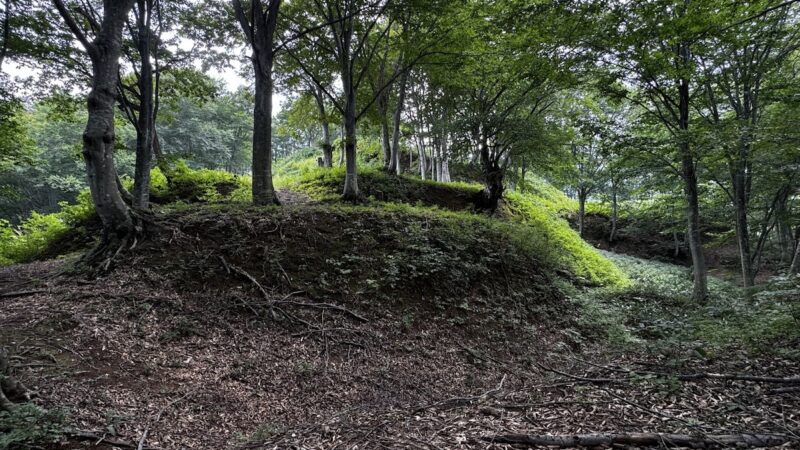
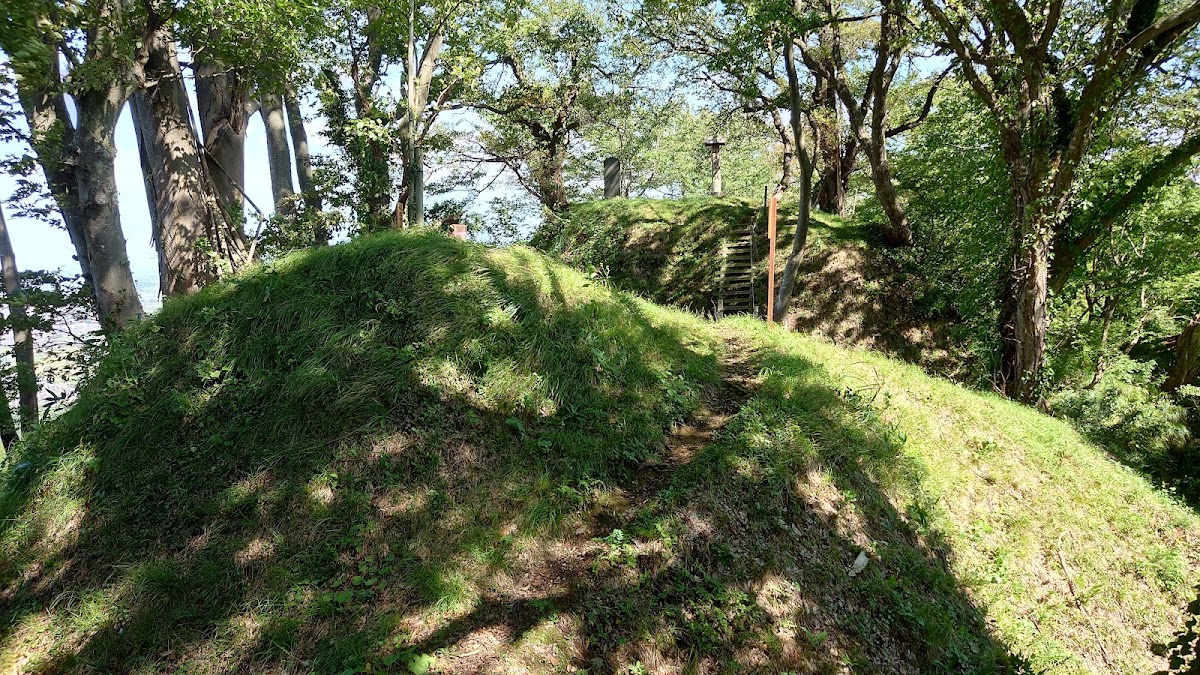
The main keep site, the heart of the castle, was built at the highest point of the mountaintop. The main keep was the most important section, housing the lord’s residence and command post, and was surrounded by earthworks for strong defense. Even today, clear traces of the earthworks remain at the main keep site, conveying the appearance of a Sengoku period castle.
Characteristics of the Main Keep Site From the main keep, one can overlook the surrounding mountains and roads, demonstrating its excellent location for functioning as a surveillance post. On clear days, Mount Myoko and the surrounding mountain ranges can be seen in their entirety, and it is likely that the castle lord at the time enjoyed this view while guarding the border.
Defensive System of Moats and Ridge-Shaped Vertical Moats
One of the highlights of Arai Torisaka Castle is the moats strategically placed throughout. Moats are deep trenches dug to cut across ridges, serving as important defensive structures to prevent enemy advances. Multiple moats can be identified within the castle grounds, all deeply excavated, demonstrating the high level of castle-building technology of the time.
Further noteworthy are the ridge-shaped vertical moats found in several locations. Ridge-shaped vertical moats are defensive structures that make lateral movement difficult for the enemy and limit their attack routes by digging multiple vertical moats parallel to each other on a slope. The ridged vertical moats of Arai Torisaka Castle are well-preserved and are valued as a precious relic demonstrating the development of mountain castle construction techniques during the Sengoku period.
Multiple Defenses with Horizontal Moats and Earthworks
In addition to moats and ridged vertical moats, horizontal moats were also strategically placed within the castle grounds. Horizontal moats, dug horizontally along the slopes, slowed enemy advances and also served as movement routes for the defenders. It is believed that the combination of horizontal moats and earthworks formed a stronger defensive line.
The earthworks surrounding the main enclosures are another highlight. These earthworks, built by piling up earth, protected defenders from enemy arrows and firearms, and also served to block lines of sight within the castle. Traces of these earthworks remain in various places today, allowing us to imagine the defensive system of the time.
Well Remains and Traces of Life
Well remains have also been confirmed within the castle grounds, indicating that water supply was considered during sieges. Securing water was one of the biggest challenges for mountain castles, and the presence of wells was a crucial facility that enabled long-term sieges.
Furthermore, the flat areas believed to be the site of residences suggest that the lord and his retainers had living quarters there. These traces indicate that Arai Torisaka Castle was not merely a military facility, but also a place where people lived during peacetime.
Remains and Restored Structures
Existing Major Remains
Arai Torisaka Castle has a variety of well-preserved remains that are characteristic of mountain castles from the Sengoku period. The main remains are as follows:
Kuruwa (Enclosures): Multiple enclosures can be seen arranged in a stepped pattern along the ridge, centered around the main enclosure. Each enclosure was leveled and used as a building or encampment. Numerous lower enclosures also exist, forming a multi-layered defensive structure.
Earthworks: Earthworks built around the main enclosures remain in various places. The height and shape of the earthworks allow us to understand the defensive thinking of the time.
Moat: Multiple deep moats cutting across the ridge are strategically placed, their depth and scale demonstrating the immense effort required for their construction.
Ridge-shaped Vertical Moats: The ridge-shaped vertical moats carved into the slope are a defensive feature characteristic of mountain castles from the late Sengoku period and provide clues to estimating the construction date of Arai Torisaka Castle.
Horizontal Moats: Horizontal moats dug horizontally along the slope have also been identified, indicating the adoption of a complex defensive system combined with the moats.
Well Remains: The well remains within the castle grounds are evidence of the importance placed on securing a water source during sieges.
These remains have been clarified through archaeological excavations and restoration work, allowing visitors to experience the castle’s structure from the Sengoku period.
Presence of Restored Structures
There are no restored buildings or structures at Arai Torisaka Castle. The castle ruins have been developed as Takatokoyama Forest Park, but the focus is primarily on preserving the remains and maintaining the viewing paths; no buildings have been restored.
This is due to a policy prioritizing the preservation of the remains, allowing visitors to observe the terrain and remains as they were in the past. The absence of restored buildings actually has the advantage of allowing visitors to experience the reality of a mountain castle from the Sengoku period more realistically.
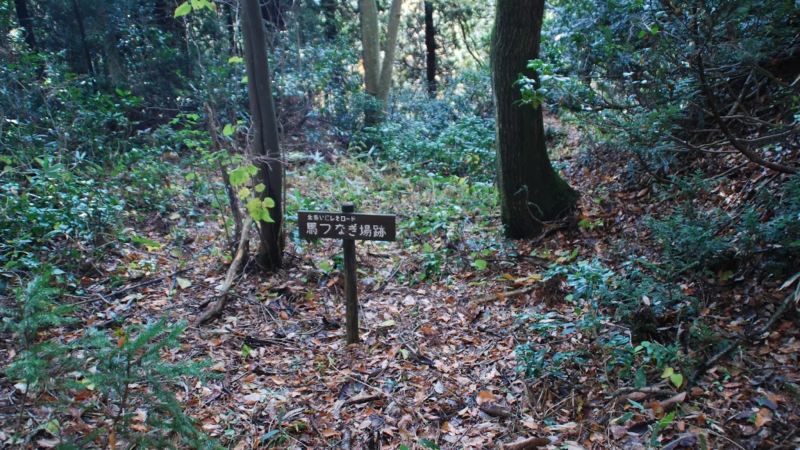
Information boards and explanatory signs are placed at key locations, allowing visitors to learn about how to view the remains and the history of the castle while exploring.
Transportation and Access Information
Location
Arai Torisaka Castle Ruins are located in Torisakayama, Himekawahara, Myoko City, Niigata Prefecture. It is developed as Takatokoyama Forest Park, and an information board is installed at the entrance to the castle.
Access by Car
If using the Joshinetsu Expressway:
- Approximately 10 minutes from Arai Smart IC
- Approximately 15 minutes from Myoko Kogen IC
There is a parking lot near the entrance to the castle, which is free of charge. The castle entrance is a short walk from the parking lot. Searching for “Takatoyama Forest Park” or “Takatoyama Entrance” on your car navigation system will guide you to the vicinity of your destination.
Access by Public Transportation
Using the Echigo Tokimeki Railway:
- Get off at “Arai Station” on the Echigo Tokimeki Railway Myoko Hanema Line.
- Approximately 30-40 minutes on foot from Arai Station to the castle entrance.
- Approximately 10 minutes by taxi.
Access by public transportation is somewhat inconvenient, so we recommend planning with ample time. Renting a car near Arai Station is another option.
Precautions When Visiting the Castle
Arai Torisaka Castle is a mountain castle, and the following points should be noted when visiting:
- Estimated Time: Approximately 30-40 minutes on foot from the entrance to the main keep. Please allow 1 to 1.5 hours including sightseeing inside the castle.
- Attire: Since you will be walking on mountain trails, comfortable clothing and non-slip shoes (hiking boots or trekking shoes recommended) are necessary.
- Season: In winter, climbing the castle is difficult due to snow. Visiting from spring to autumn is recommended.
- Equipment: Bring drinking water, a towel, and insect repellent (in summer).
- Weather: The ground becomes slippery in rainy weather, so visiting on a sunny day is preferable.
Admission Fee and Opening Hours
- Admission Fee: Free
- Opening Hours: No specific restrictions (however, visiting during daylight hours is recommended)
- Closed Days: None (however, climbing the castle is practically impossible in winter due to snow)
Surrounding Facilities and Related Materials
Related Facilities in Myoko City
Myoko City Historical and Folk Museum: This facility allows you to learn about the history and culture of Myoko City, including Arai Torisaka Castle. Materials and excavated artifacts related to the castle may also be on display. Visiting these places before your castle visit will deepen your understanding of the castle.
Arai District Townscape:
The Arai district, which once flourished as a post town, retains its historical streetscape. A stroll through the area in conjunction with a visit to the castle ruins is highly recommended.
Surrounding Castles
Nearby castles associated with the Uesugi clan are scattered throughout the area surrounding Arai Torisaka Castle.
Kasugayama Castle (Joetsu City):
A famous castle known as the residence of Uesugi Kenshin. Located about 30 minutes by car from Arai Torisaka Castle, visiting the Uesugi clan’s base will give you a clearer understanding of Arai Torisaka Castle’s significance. It is designated a national historic site, and numerous remains are preserved within its vast grounds.
Samegao Castle (Myoko City):
A tragic castle where Uesugi Kagetora committed suicide after being defeated in the Otate Rebellion following the death of Uesugi Kenshin. Like Arai Torisaka Castle, it is located in Myoko City, and visiting both together will give you a deeper understanding of the Sengoku period history of this region.
Minokan Castle (Joetsu City):
One of the branch castles of Kasugayama Castle. It is an important castle for understanding the Uesugi clan’s castle network.
By visiting these castles, you can see the overall picture of the Uesugi clan’s territorial control system and border defense system.
Myoko Tourist Spots
You can also enjoy sightseeing in Myoko City in conjunction with visiting Arai Torisaka Castle.
Myoko Kogen:
A highland resort where you can enjoy the beauty of nature in all four seasons. The autumn foliage season is especially spectacular.
Naena Falls:
A famous waterfall selected as one of “Japan’s Top 100 Waterfalls.” You can see the powerful 55-meter-high waterfall up close.
Seki Onsen, Tsubame Onsen, Akakura Onsen:
Hot spring resorts scattered at the foot of Mt. Myoko. Perfect for relaxing after visiting castle ruins.
Imori Pond: A beautiful pond with Mount Myoko in the background. A popular photo spot throughout the seasons.
Related Books and Information Sources
For those who want to learn more about Arai Torisaka Castle, the following resources are recommended:
- *Myoko City History*: A detailed history of Myoko City. It also includes information about Arai Torisaka Castle.
- *Medieval Castles and Fortifications of Niigata Prefecture*: A book comprehensively introducing medieval castles in Niigata Prefecture.
- *Mastering Sengoku Castles*: An introductory book explaining how to view and enjoy Sengoku period mountain castles.
- Castle-related Websites: Websites such as Kojodan, Nippon Jiro Meguri, and Jokaku Hourouki feature numerous accounts and photographs from actual visitors, making them useful for gathering information before your visit.
Highlights and How to Enjoy Arai Torisaka Castle
Points for Observing the Remains
When visiting Arai Torisaka Castle, be sure to pay attention to the following points when observing the remains.
Experience the Depth of the Moat: Seeing the depth of the moat cutting across the ridge allows you to truly appreciate the advanced castle-building techniques of the time. Descending to the bottom of the moat will surely surprise you with its scale.
Imagine the Defensive Effects of the Ridge-Shaped Vertical Moats: Observe the ridge-shaped vertical moats carved into the slope and imagine how difficult it would have been for enemy soldiers to climb this slope. You can understand how the parallel vertical moats would have restricted lateral movement.
Enjoy the View from the Main Enclosure: From the main enclosure ruins, you can see the surrounding mountains and roads. This is a valuable opportunity to experience the view the castle lord had at the time. On a clear day, you can even see Mount Myoko and Mount Kurohime.
Confirm the Arrangement of the Earthworks: By observing the arrangement of the earthworks remaining in each enclosure, you can infer which direction attacks were most anticipated.
Recommended Photo Spots
The castle ruins are also suitable spots for photography.
- Main Enclosure Site: This is the central part of the castle, and you can photograph the surrounding scenery as well.
- Moat: The deeply excavated moat makes for impressive photographs.
- Ridge-shaped Vertical Moat: The ridge-shaped vertical moat carved into the slope can create a sense of depth in photographs if you adjust the angle.
- View from the Ascent Path: You can see the Myoko mountain range from partway up the path to the castle, allowing you to take photographs that combine nature and the castle ruins.
Charms of the Four Seasons
Arai Torisaka Castle shows different faces depending on the season.
Spring (April-May): The fresh greenery is beautiful, making it the perfect season to visit the castle. You can stroll around the castle ruins in the refreshing air after the snow melts.
Summer (June-August): The greenery becomes denser, allowing you to enjoy a forest bath while climbing to the castle. However, insect repellent is necessary due to the abundance of insects.
Autumn (September-November): The autumn foliage is particularly beautiful, with the surrounding mountains ablaze with color. The weather is stable, making this the most visited season.
Winter (December-March): Access to the castle is difficult due to snow. Please wait until the snow melts before visiting.
Experiencing Historical Romance
The greatest appeal of visiting Arai Torisaka Castle is the opportunity to experience the historical romance of the Sengoku period firsthand. During the time of Uesugi Kenshin, samurai guarding the border were stationed at this castle, monitoring enemy movements from the Shinano region.
As you walk through the castle grounds, try to imagine the lives of the castle lords and soldiers of that time. How did they live in this harsh mountainous region, and what were their thoughts and feelings while guarding the border? By imagining this while viewing the remains, history will feel much closer.
Evaluation and Visitor Feedback of Arai Torisaka Castle
Among castle enthusiasts, Arai Torisaka Castle is highly regarded as a well-preserved mountain castle. The clear preservation of remains such as ridged trenches and moats is a particularly noteworthy point.
Many visitors have commented, “I was impressed by how well-preserved the remains were,” “I was surprised by the depth of the moats,” and “The view from the main keep is magnificent.” The average visit time is about 1 to 1.5 hours, and it’s well-received as a fulfilling castle site visit with a moderate amount of exercise.
On the other hand, some have commented, “It would be good if the information boards were more comprehensive,” and “It’s a shame that it can’t be visited in winter,” indicating hopes for future improvements.
Summary: The Charm of Arai Torisaka Castle
Arai Torisaka Castle is a valuable historical site that strongly retains the characteristics of a mountain castle from the Sengoku period. This important castle played a vital role in the Uesugi clan’s border defense system, and its well-preserved remains convey the castle-building techniques and strategic thinking of the time.
Developed as Takatokoyama Forest Park, it offers free admission, making it a recommended spot not only for castle enthusiasts but also for history buffs and nature lovers. Visiting it along with other Uesugi-related castles in the area, such as Kasugayama Castle, will allow you to gain a deeper understanding of Echigo Province during the Sengoku period.
Experience the historical romance of the Sengoku period and the charm of a mountain castle to the fullest at Arai Torisaka Castle, surrounded by the rich nature of Myoko.