Amazaki Castle (Ehime Prefecture) Complete Guide | The History of Japan’s Oldest Naval Castle and the Highlights of the Sea-Parting Phenomenon
What is Amazaki Castle? | The Complete Picture of the Sea Castle Built on Kojojima Island
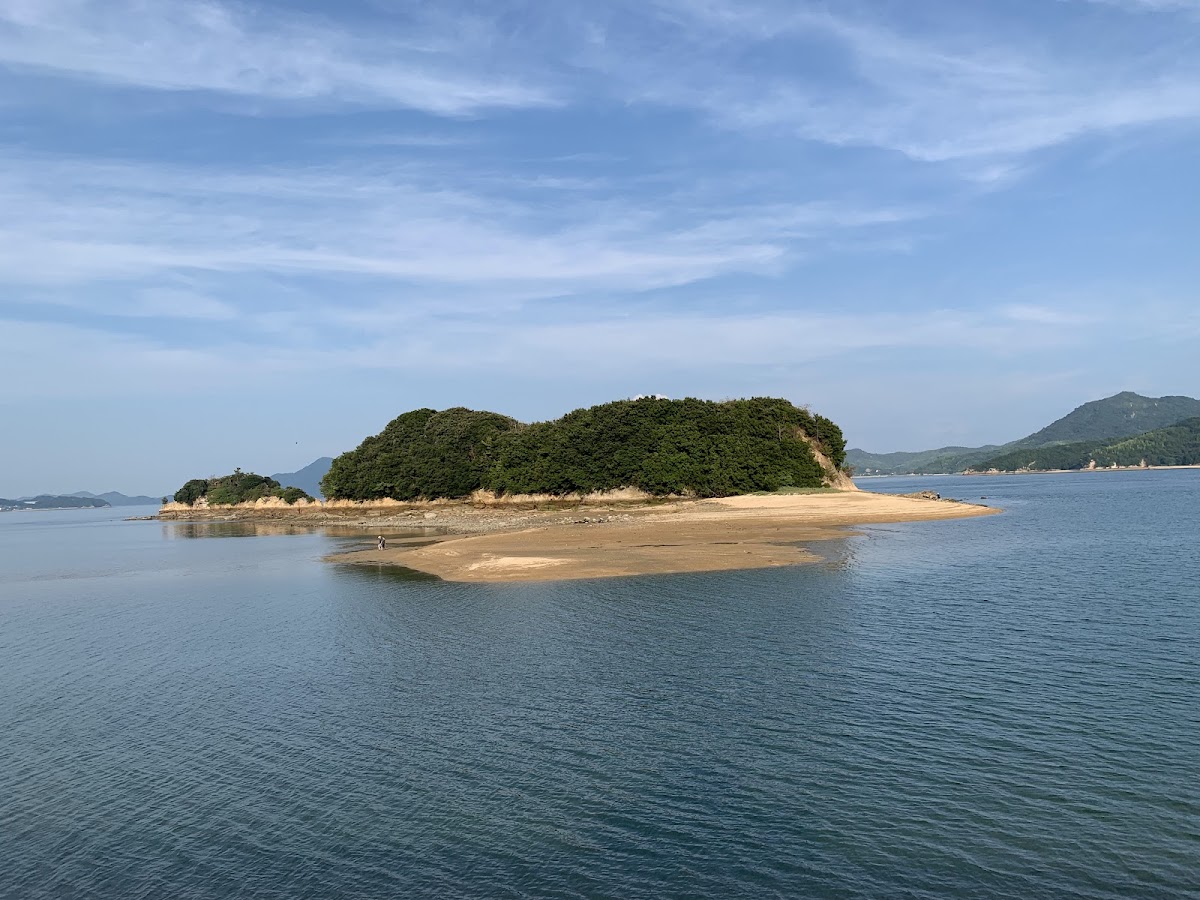
Amazaki Castle is Japan’s oldest naval castle, built on Kojojima Island in Amazaki, Kamiura-cho, Imabari City, Ehime Prefecture. It is a sea castle built on a small island with a circumference of approximately 600 meters, located about 130-200 meters offshore from the eastern end of Omishima Island in the Seto Inland Sea. It is also known as Kojo, Kishinoshiro, Kojinjo, and Amazakijo.
Designated as an Ehime Prefecture Historic Site, this castle is strategically located at a key point controlling the “Hanaguri Seto” (a strait approximately 300 meters wide between Omishima and Hakatajima Island), the shortest route connecting Honshu and Shikoku. It played a crucial role as a base for the Murakami naval force, controlling maritime traffic in the Seto Inland Sea.
Geographical Characteristics of Amazaki Castle
Kojojima is a small island with an elevation of approximately 18 meters, possessing the characteristics of a tombolo (a land-tied island). During spring and autumn tides, a “sea-splitting phenomenon” occurs at low tide, connecting the island to the opposite shore by a sandbar. A sandy path 10 to 30 meters wide appears for a few hours. This natural phenomenon allows for a unique experience not seen at other castle ruins: access to the island on foot, which is normally only accessible by boat.
The entire island is a castle site, and parts of the stone walls, totaling approximately 700 meters in length, that surrounded the island still remain. During the time of Todo Takatora, a large-scale renovation was carried out, transforming it into a formidable sea castle surrounded by a total of 32 rows of stone walls.
History of Amanosaki Castle | From Ancient Times to the Early Modern Period
Founded as Japan’s Oldest Naval Castle
Amanosaki Castle is said to have been built in the 10th year of Emperor Tenji’s reign (671 AD) by the Ochi clan. If this construction date is accurate, it would be Japan’s oldest naval castle.
The background to its construction lies in the Battle of Baekgang in 663 AD. In this battle, the combined forces of Wa (Japan) and Baekje suffered a crushing defeat against the combined forces of Tang China and Silla, making the development of a coastal defense system to prepare for a Tang invasion an urgent necessity. By building a naval castle around Omishima Island, a strategic point in the Seto Inland Sea, they aimed to establish a maritime defense line for western Japan.
Its old name was “Amanosaki,” where “Ama” is thought to mean “fisherman” and “Saki” means “border guard.” In ancient times, it is believed to have functioned as a guardian of the eastern side of the Oyamazumi Shrine, fulfilling a dual role of protecting the sacred area and monitoring maritime traffic.
Medieval Period | Base of the Murakami Suigun (Murakami Naval Force)
During the Kamakura period, a fortress was built to control or protect against sea warriors (ama). Throughout the medieval period, the Ochi clan, Imaoka Minbu-no-taifu and Imaoka Hoki-no-kami of the Imaoka family served as castle lords.
Entering the Sengoku period (Warring States period), Amasaki Castle increased in importance as one of the bases of the Murakami Suigun. In particular, it came under the influence of the Kurushima Murakami clan, and Murakami Yoshitsugu, a senior retainer of the Kurushima Murakami clan, made it his residence. The Murakami Suigun were known as a group of pirates who controlled maritime traffic in the Seto Inland Sea, specializing in maritime transport and security.
The Murakami naval force was divided into three branches: the Noshima Murakami, the Kurushima Murakami, and the Innoshima Murakami. Amasaki Castle was an important maritime fortress within the Kurushima Murakami’s sphere of influence. It is believed to have also served the role of monitoring ships passing through the narrow Hanaguri Strait and collecting tolls.
Early Modern Period | The Era of Todo Takatora and the Castle’s Abandonment
When Toyotomi Hideyoshi seized control of the Seto Inland Sea, Amasaki Castle became a subordinate castle of Todo Takatora. Todo Takatora was a renowned Sengoku period warlord and master of castle construction, and he carried out extensive renovations to Amasaki Castle.
During this period, Todo Yoshikatsu, Takatora’s cousin, became the castle lord, and a major renovation was carried out, transforming the entire island into a modern castle surrounded by stone walls. 32 rows of stone walls encircled the island, creating a magnificent maritime fortress stretching approximately 700 meters. Parts of these stone walls still remain today, demonstrating the high level of castle construction technology of the time.
However, when Todo Takatora was transferred to the Tsu Domain in Ise Province in 1608, Amazaki Castle ceased to serve its purpose and was abandoned. Since then, Kojojima Island has been uninhabited, and only the remains of its stone walls remain.
Structure and Highlights of Amazaki Castle
Characteristics of a Coastal Castle that Fortified the Entire Island
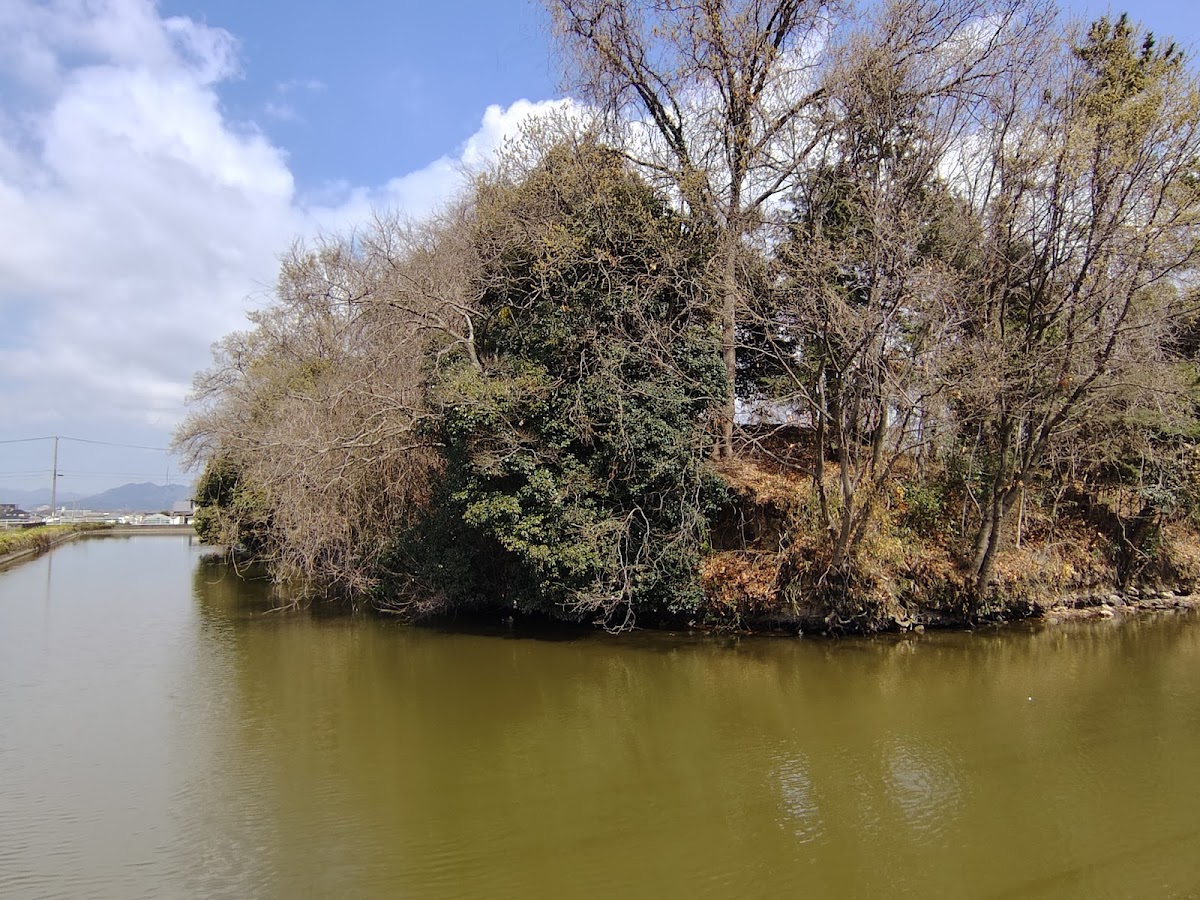
The most distinctive feature of Amazaki Castle is that the entire Kojojima Island, with a circumference of approximately 600 meters, was fortified. Unusually for a coastal castle, it had a thorough defensive structure, completely surrounded by stone walls.
After renovations by Todo Takatora, 32 rows of stone walls were placed around the island, reaching a total length of approximately 700 meters. This length exceeds the circumference of the island, indicating a multi-layered stone wall structure and complex arrangement. Even today, remains of the stone walls can be seen in various parts of the island, and some sections along the coastline remain in relatively good condition.
Existing Remains
Stone Walls: Remains of stone walls can be found in various places around the island. In particular, along the southern and eastern coastlines, parts of the main stone wall from the time of Todo Takatora can be seen in good condition. The technique of using natural stones in a rough-hewn style is evident, allowing for close observation of the castle-building technology of the time.
Kuruwa (Enclosure) Remains: The remains of several enclosures (kuruwa) can be found on the island, and it is believed that the main enclosure was located slightly higher in the center of the island. The ingenuity of the layout, utilizing the topography, can be discerned.
Well Remains: The remains of a well, one of the most important facilities in a coastal castle, have also been confirmed. Securing fresh water on an island surrounded by the sea was a matter of life and death, and the existence of a well was a crucial element enabling a long-term siege.
Sea Parting Phenomenon | Spectacular View at Low Tide
One of the biggest highlights of Amazaki Castle is the “sea parting phenomenon” that can be seen during the spring and autumn tides. At low tide, a sandbar 10-30 meters wide and approximately 130-200 meters long appears between Omishima and Kojojima islands, allowing visitors to walk across the sea.
This phenomenon occurs several times a year, particularly during the spring and autumn equinoxes when the tides are high. The sight of the sea parting to reveal the path is mystical and has attracted many visitors who say it offers an experience akin to Moses’ Ten Commandments. Walking across this illusory path, which only appears for a few hours before and after low tide, to Kojojima and exploring the castle ruins is a truly unique experience.
However, since the tides are only visible for a limited time, it is crucial to check the tide table and allow ample time before visiting. Being stranded at high tide is extremely dangerous, so extreme caution is necessary.
Access and Visiting Guide to Amazaki Castle
Basic Information
Location: Amazaki, Kamiura-cho, Imabari City, Ehime Prefecture
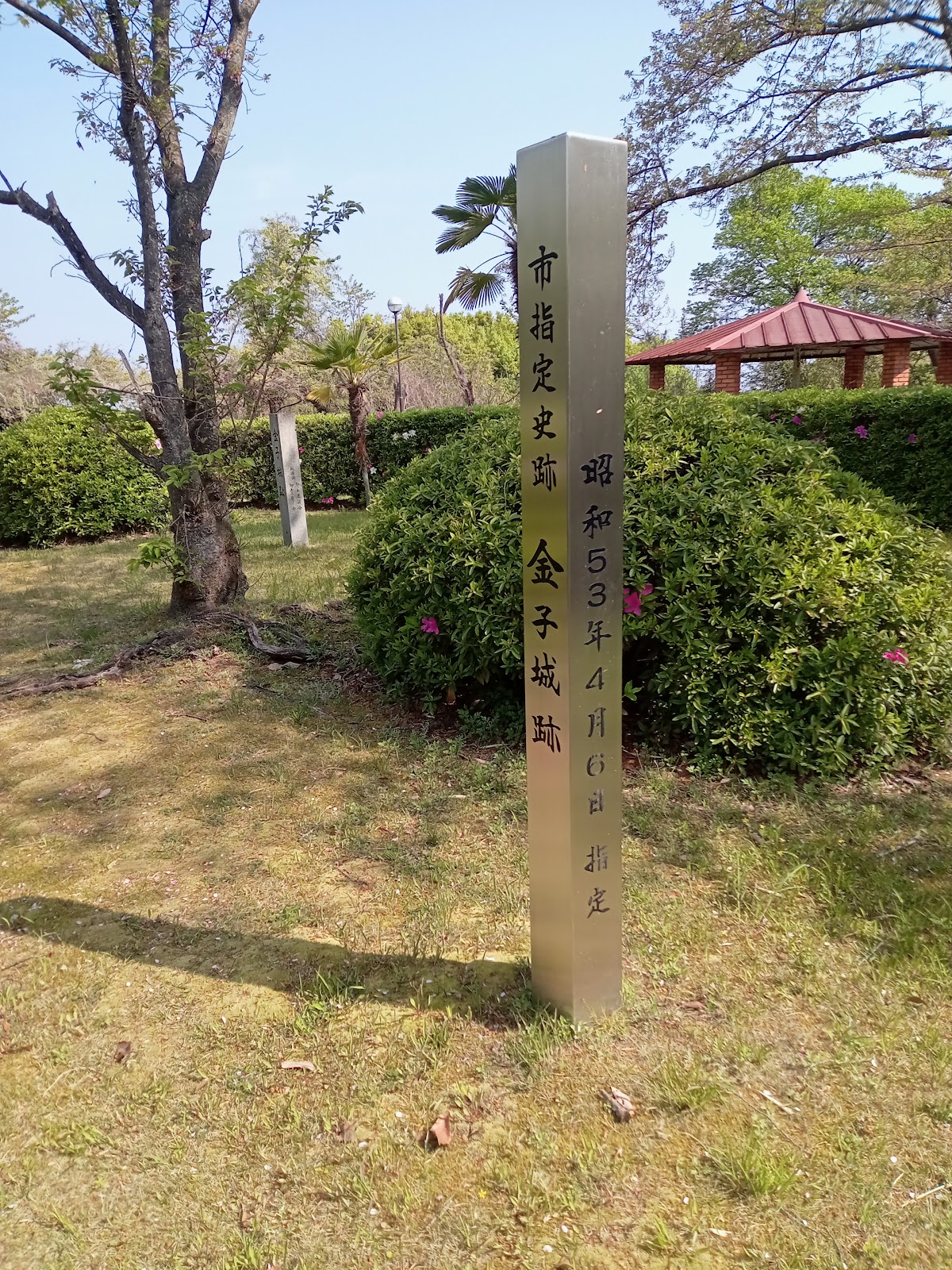
Designation: Ehime Prefecture Designated Historic Site
Access Method:
- Approximately 15 minutes by car from the Shimanami Kaido “Omishima IC”
- You can see Kojōjima Island from the opposite shore of the Amazaki settlement
- It is possible to cross to the island on foot only at low tide (when the sea is parted)
- Normally, access is by boat, but there are no regular ferry services.
Points to Note When Visiting
Sea Parting Phenomenon Period: The best time to visit is mainly during spring tides from April to July and September to October. The sea parting is most noticeable during spring tides around the spring and autumn equinoxes. Check the low tide times in advance on the Imabari City tourism website or local tide tables.
Estimated Time Required: If you cross to the island during a sea parting and walk around the island, allow approximately 1-2 hours round trip. However, it is essential to plan with ample time, taking into account the tides.
Clothing and Equipment:
- Comfortable walking shoes (you will be walking on sandy beaches and rocky areas)
- Hat and sunscreen (there is no shade)
- Drinking water
- Tide table and watch (smartphone is acceptable)
- Camera (there are many scenic spots)
Precautions:
- Be sure to check the high tide time and return with plenty of time to spare
- Be careful as there are slippery areas
- As it is an uninhabited island, there are no toilets or shops
- Please take all your trash with you
- Avoid visiting on days with bad weather
Nearby Tourist Spots
Oyamazumi Shrine
Oyamazumi Shrine, located about 10 minutes by car from Amazaki Castle, is the head shrine of all Yamazumi Shrines and Mishima Shrines nationwide. It houses numerous national treasures and important cultural properties such as armor and weapons, and also displays items related to the Murakami Suigun (Murakami Naval Force). It is a must-visit spot to combine with a visit to Amazaki Castle. ### Castle Ruins Related to the Murakami Suigun (Murakami Naval Force)
Noshima Castle: One of the Murakami Suigun’s strongholds and the residence of the Noshima Murakami clan. It can be visited in conjunction with a tidal current experience.
Kurushima Castle: The Kurushima Murakami clan’s stronghold, which served as their residence for 160 years across 6 generations. It was abandoned after the Battle of Sekigahara.
Visiting these castle ruins will provide a deeper understanding of the overall picture of the Murakami Suigun.
Shimanami Kaido Cycling
Omishima Island is located on the Shimanami Kaido route and is known as a cycling mecca. Visiting Amazaki Castle and cycling around the islands of the Seto Inland Sea is highly recommended.
Historical Value and Cultural Significance of Amazaki Castle
Importance as Japan’s Oldest Naval Castle
The fact that Amazaki Castle is believed to have been built in 671 is extremely important in the history of Japanese castles. While the term “castle” generally evokes images of modern castles from the Sengoku period onward, Amazaki Castle is a valuable historical site that preserves the prototype of Japanese castles as an ancient coastal defense facility.
With its historical context of the development of a national defense system after the Battle of Baekgang, it is highly valued academically as tangible evidence of how important coastal defense was to ancient Japan within the context of East Asian affairs.
A Key Center for Murakami Suigun Research
Amazaki Castle is an indispensable historical site for understanding the reality of the Murakami Suigun, which dominated the Seto Inland Sea from the medieval period to the Sengoku period. It concretely demonstrates the characteristics of a naval castle, such as its unique coastal castle form, its strategy of controlling maritime traffic, and its stone wall defensive structure.
The Murakami Suigun were not merely “pirates,” but a maritime security organization responsible for ensuring the security of maritime transport, and they also engaged in economic activities such as collecting tolls. Amazaki Castle functioned as a base for these multifaceted activities of the naval force.
Todo Takatora’s Castle Construction Techniques
An important feature of Amazaki Castle is that it underwent extensive renovations by Todo Takatora, a renowned castle builder. Takatora was a Sengoku period warlord who built numerous famous castles, including Imabari Castle, Iga Ueno Castle, and Tsu Castle, and was particularly skilled in stonework.
The remaining stone walls of Amazaki Castle are valuable historical documents demonstrating Takatora’s castle-building philosophy and techniques. The thorough defensive plan, surrounding the entire island with 32 rows of stone walls, reflects Takatora’s castle-building philosophy.
Fun Facts for Enjoying Amazaki Castle
Origin of the Castle’s Alternative Names
Amazaki Castle has several alternative names, including “Old Castle,” “Kishi Castle,” “Kojin Castle,” and “Amazaki Castle.”
- Ancient Castle: Meaning a castle that has existed since ancient times, reflecting the legend that it is Japan’s oldest naval castle.
- Castle on the Shore: Due to its geographical feature of being a castle built on the coast (shore).
- Kojin Castle: Possibly related to the Kojin (fierce deity) faith.
- Amazaki Castle: Another spelling of “Amazaki,” meaning “the tip of the sea.”
These names represent different aspects of the castle’s history and characteristics.
Mechanism of Sea Parting
The sea parting phenomenon occurs due to tidal action caused by the gravitational pull of the moon and sun. During low tide at spring tides, the sea level drops significantly, exposing sandbars that are normally submerged. There is a shallow sandbar on the seabed between Kojojima and Omishima, and when the conditions are right, it connects to form land.
This phenomenon is called a “tombolo” (land-tied sandbar) and can be seen all over the world, but examples that function as an access route to castle ruins are rare, making it a major attraction of Amazaki Castle.
Best Photo Spots
- The Path of the Parting Sea: A view of Kojojima Island from the Omishima side allows you to capture people walking along the sea and the castle ruins together.
- View from the Island: The view of Omishima Island and the islands of the Seto Inland Sea from Kojojima Island is spectacular.
- Details of the Stone Walls: Close-up shots of the stone wall construction from the time of Todo Takatora reveal the high level of castle building technology.
- Evening View: The parting of the sea at sunset is particularly magical and makes for great photos.
Summary | The Charm of Amazaki Castle
Amazaki Castle in Imabari City, Ehime Prefecture, is a historically valuable site built in 671 as Japan’s oldest naval castle. It evolved from a base for the Murakami naval force to a sea castle with entirely stone walls built by Todo Takatora.
The unique structure of Kojōjima Island, which was fortified as a castle, the surviving remains of the stone walls, and above all, the natural wonder of the “sea parting phenomenon” that can be seen during spring and autumn tides, continue to fascinate visitors. Walking across the sea at low tide and exploring the castle ruins on the uninhabited island is a precious experience unlike any other.
When visiting Ōmishima Island via the Shimanami Kaido, be sure to check the tide table and time your visit to coincide with the sea parting to experience this historically romantic sea castle. You will be able to feel the beauty of the Seto Inland Sea and the weight of history that has continued since ancient times.
Amagasaki Castle is a valuable cultural heritage that Ehime Prefecture is proud of, and as an important historical site that conveys the history of the Murakami Suigun (Murakami Naval Force), it will continue to fascinate many history buffs and tourists.