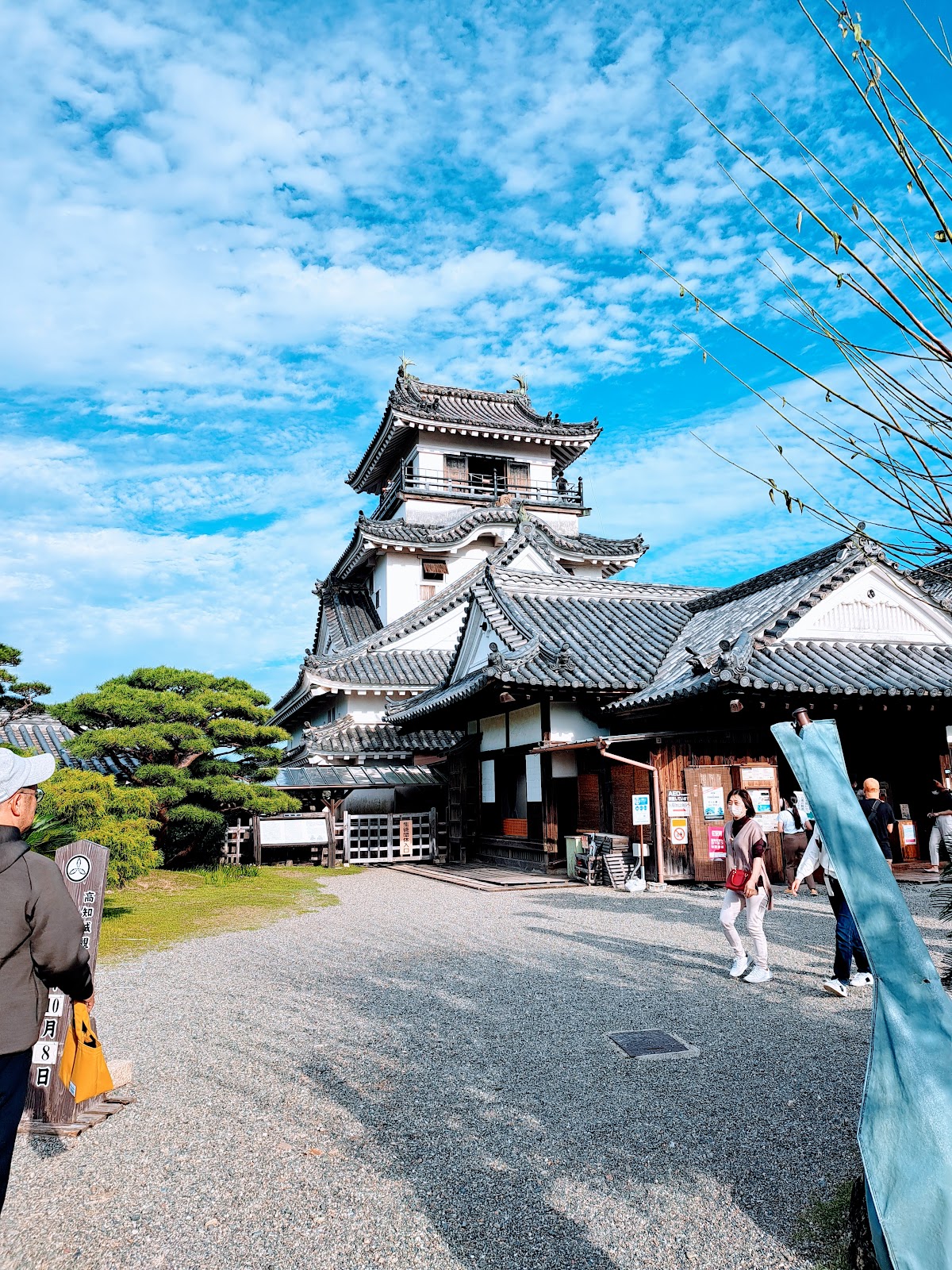
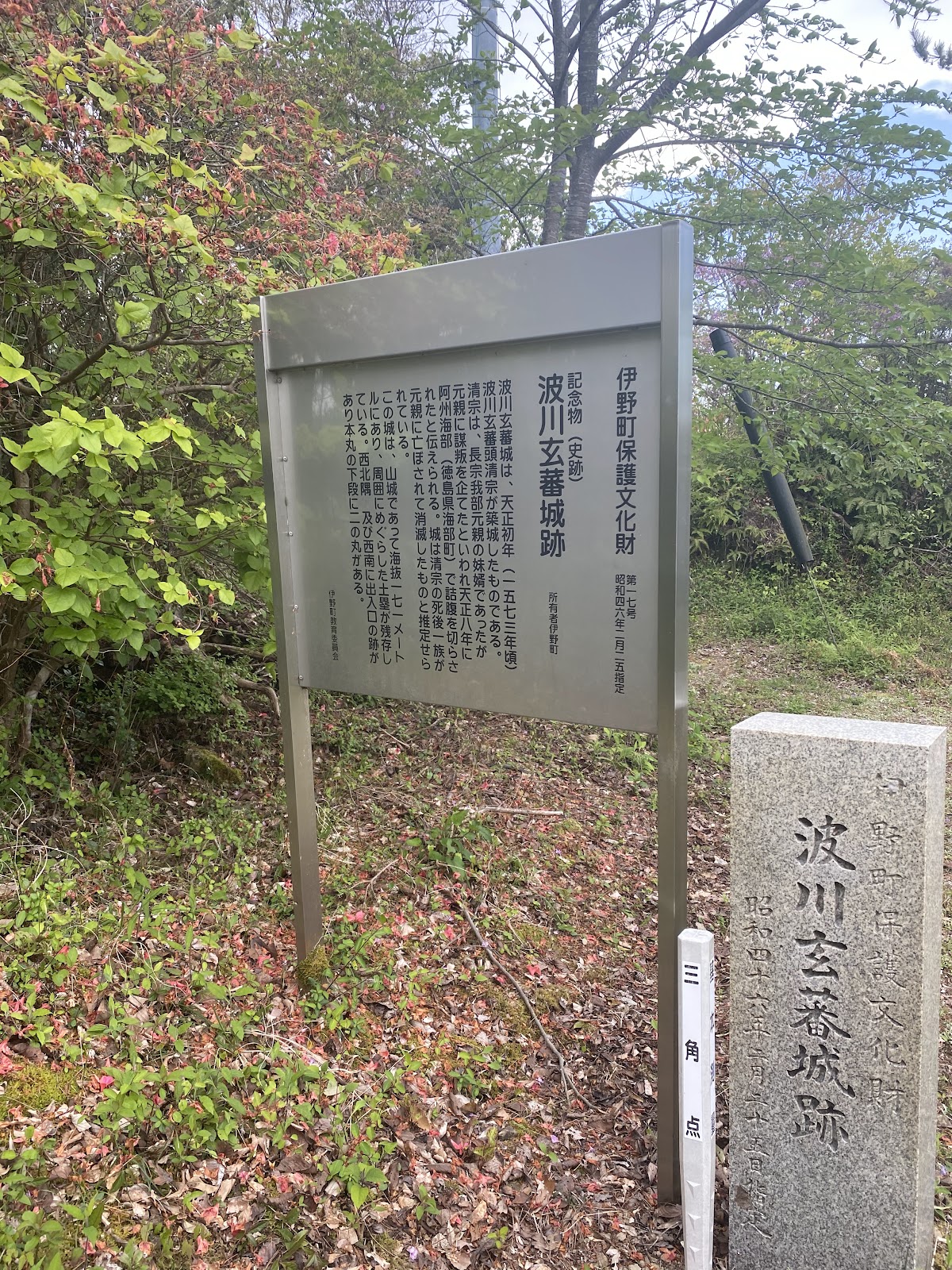
Complete Guide to Aki Castle (Kochi Prefecture): A Historical Heritage Site in Eastern Tosa from the Sengoku Period to the Present
Located in Doi, Aki City, Kochi Prefecture, Aki Castle is an important fortress that functioned as the political and military center of eastern Tosa from the Kamakura period to the Edo period. Currently preserved as a designated historical site of Aki City, the castle ruins house the Tosa Domain’s chief retainer’s study and the Aki City Historical and Folk Museum, conveying the atmosphere of its former glory. This article provides a detailed introduction to Aki Castle, from its history to its current attractions and surrounding tourist spots.
History of Aki Castle: From the Kamakura Period to the Edo Period
Construction and the Era of the Aki Clan (1308-1569)
Aki Castle is said to have been built in the first year of the Enkei era (1308). It was a flatland castle built as the base of the Aki clan, who entered this area in the late Kamakura period. It was also known as Aki Castle, Aki Doi, and Aki Doi.
The Aki clan ruled eastern Tosa Province for approximately 260 years as a powerful local family. During the Sengoku period (Warring States period), Aki Kunitora served as the head of the clan, defending the castle and maintaining their power in eastern Tosa. Aki Castle was not merely a military base, but also functioned as the political and economic center of the region, and a castle town developed around it.
Capture by Chosokabe Motochika (1569)
In 1569 (Eiroku 12), Chosokabe Motochika’s forces, aiming to unify Tosa, attacked Aki Castle. Aki Castle fell in this battle, marking the end of the Aki clan’s rule. From then on, Aki Castle came under the control of the Chosokabe family and became one of the important bases for the unification of Tosa.
Chosokabe Motochika, in the process of unifying Shikoku, valued Aki Castle, a strategic point in eastern Tosa, and appointed his retainers to govern it. It is believed that the castle’s structure was also modified during this period.
The Yamauchi Family Era and the Goto Clan’s Rule (1600-Meiji Period)
After the Battle of Sekigahara in 1600, when Yamauchi Kazutoyo entered Tosa Domain as its lord, Aki Castle was given to Goto Kuranosuke Tameshige, a chief retainer of the Yamauchi family. The Goto clan governed the Aki region for generations and maintained and improved the castle as the Aki Doi (Aki Castle).
During the Edo period, Aki Castle functioned as an important base for governing the eastern part of Tosa Domain. The Goto clan ruled over approximately 10,000 koku and contributed to the development of the castle town. During this period, samurai residences were developed, forming the foundation of the historical townscape that remains today.
After the Meiji Restoration, Aki Castle was abolished due to the castle demolition decree, but the remains such as the moats and earthworks were relatively well preserved and remain to this day.
Structure and Layout of Aki Castle
Characteristics as a Hilltop Castle
Aki Castle is classified as a hilltop castle, built on relatively low hills. Its structure, surrounded by a moat and surrounded by earthen ramparts, is typical of castles in Tosa Province. The castle’s location overlooks the Aki Plain, a strategically chosen location for both defense and governance.
Masugata and Castle Gate
Aki Castle featured a defensive structure called a masugata. A masugata is a square space created in front of the castle gate to trap intruders and allow for attack. Traces of this masugata can still be seen today when walking around the castle ruins.
Moat and Earthen Ramparts
The most prominent remains of Aki Castle are the outer moat and earthen ramparts. The outer moat, in particular, still holds water, and in summer, white lotus flowers bloom beautifully. These white lotus flowers are a well-known symbol of Aki Castle, attracting many tourists and photography enthusiasts.
The moat is approximately 10 to 15 meters wide, conveying the scale of the castle in its heyday. Parts of the earthworks remain, allowing visitors to trace the outline of the castle.
Facilities within the Castle
The castle grounds included various enclosures such as the main keep and the second bailey. The current castle site features a relocated and restored Tosa Domain chief retainer’s study, built during the Edo period, offering insight into the architectural style of samurai at that time. Additionally, the Aki City Historical and Folk Museum is located here, exhibiting the history of Aki Castle and cultural artifacts of the Aki region.
Highlights of the Current Aki Castle Site
Tosa Domain Chief Retainer’s Study
The Tosa Domain chief retainer’s study, relocated to the castle site, is a valuable example of Edo period samurai architecture. The shoin-style building exudes a dignified presence, evoking the lifestyle and political affairs of the chief retainer at that time. The building’s interior is open to the public, allowing visitors to see the tatami-floored rooms, alcoves, and transoms up close.
Aki City Historical and Folk Museum
Located within the castle grounds, the Aki City Historical and Folk Museum features exhibits on the history of Aki Castle, as well as materials related to the Aki and Goto clans, and the history and culture of eastern Tosa. Artifacts unearthed during archaeological excavations, ancient documents, and weapons are on display, allowing visitors to gain a deep understanding of the history of Aki Castle and the Aki region.
White Lotuses in the Outer Moat
In the summer (July to August), the outer moat of Aki Castle is covered in white lotus flowers, making it the castle ruins’ greatest attraction. Because lotus flowers open in the early morning and close in the afternoon, visiting in the morning is recommended. The sight of the moat filled with white and pink lotus flowers is truly spectacular and a popular spot for photography.
Samurai Residences
Around the Aki Castle ruins, the streets of samurai residences from the Edo period remain. This area, known as Doikachu, features scattered white-walled earthen fences and samurai residences, conveying the atmosphere of the feudal era. Exploring this area along with the castle ruins allows for a deeper appreciation of history.
Aki Castle Photo Spots
Lotus Flowers in the Outer Moat and the Castle Ruins
The most popular photo spot is the lotus flowers in the outer moat. Especially in the early morning light, the lotus flowers, glistening with dew, shine beautifully. You can take photos from various angles while walking around the moat. Using a telephoto lens, close-ups of the lotus flowers are also captivating.
Tosa Domain Chief Retainer’s Study and Garden
The study building and surrounding garden are also excellent photo spots. The scenery, a harmonious blend of the beauty of Japanese architecture and the well-maintained garden, displays different expressions in each of the four seasons. The contrast between the buildings and nature is particularly beautiful during the fresh green season and the autumn foliage season.
View from the Castle Ruins
From the hilltop of the castle ruins, you can overlook the city of Aki and the Aki Plain. On a clear day, you can even see the Pacific Ocean, allowing you to relive the view seen by the former castle lords. Taking photos at sunset is also recommended, as the sight of the city lights coming on is magical.
Access and Tourist Information for Aki Castle
Access Methods
By Public Transportation:
- Approximately 15 minutes on foot from Aki Station on the Tosa Kuroshio Railway Gomen-Nahari Line
- Aki City Bus is also available from Aki Station (get off at Doi bus stop)
By Car:
- Approximately 50 minutes from Nankoku IC on the Kochi Expressway via National Route 55
- Parking: Free parking available around Aki Castle ruins (approximately 20 spaces)
Opening Hours and Admission Fees
Tosa Domain Chief Retainer’s Study / Aki City Historical and Folk Museum:
- Opening Hours: 9:00 AM – 5:00 PM (Last entry at 4:30 PM)
- Closed: Mondays (or the following day if Monday is a public holiday), New Year holidays
- Admission Fee: 300 yen for adults, free for high school students and younger
Strolling the Castle Ruins:
- Free strolling is permitted (24 hours)
- Free
Estimated Visiting Time
A visit to the Aki Castle ruins, including the museum, should take approximately 1 to 1.5 hours. If you plan to explore the surrounding samurai residence district, allow about 2 hours.
Tourist Attractions Around Aki Castle
Iwasaki Yataro’s Birthplace
Located about a 5-minute drive from Aki Castle, Iwasaki Yataro’s birthplace is the home where the founder of the Mitsubishi zaibatsu, Iwasaki Yataro, was born and raised. This simple farmhouse with a thatched roof still retains a graffiti Yataro drew as a boy: “The dawn of Japan.” In the garden of the birthplace, there are stones arranged in a style reminiscent of the family crest, which is said to have inspired Yataro’s “Mitsubishi” logo.
Ioki Cave
Located in the northern part of Aki City, Ioki Cave is a sea cave formed by wave erosion of geological layers approximately 3 million years old. Emerging from the cave, a mystical space unfolds, filled with a primeval fern forest. Designated a national natural monument, it boasts over 40 species of ferns. The cave remains cool even in summer, making it a precious spot to enjoy the beauty of natural formations.
Aki Station Jibasan Market
Adjacent to Aki Station, the “Jibasan Market” is a direct sales market showcasing Aki City’s specialty products. A wide variety of fresh vegetables, fruits, seafood, and processed goods are available, attracting both local shoppers and tourists. Particularly popular are Aki City’s specialty eggplants, yuzu products, and boiled dried sardines. It’s a great place to stop by during sightseeing and enjoy local flavors.
Nora Clock
Known as a symbol of Aki City, the Nora Clock is a clock tower built in the 1880s by local clockmaker Genma Hatanaka, who taught himself clockmaking. It continues to keep accurate time today, and its presence amidst the rural landscape is a representative sight of Aki City. It’s about a 10-minute drive from Aki Castle.
Uchiharano Pottery Museum
This facility offers an experience of Uchiharano ware, a traditional craft of Aki City. In the pottery workshop, you can enjoy authentic pottery making using a potter’s wheel. You can also purchase works by local artists in the exhibition and sales corner.
History and Culture of Aki City
As the Center of Eastern Tosa
Aki City has long developed as the center of eastern Tosa. Following the formation of a castle town centered around Aki Castle, and the rule of the Goto clan during the Edo period, it played a central role as an administrative center after the Meiji Restoration, with the establishment of a county office.
Even today, as a core city in the eastern region of Kochi Prefecture, it is home to a concentration of medical facilities such as Kochi Prefectural Aki General Hospital, commercial facilities, and educational institutions.
Charm as a “Little Kyoto”
Aki City is also known as “Little Kyoto of Tosa,” and many samurai residences and historical buildings remain. It is a member of the All-Japan Kyoto Conference, and urban development utilizing historical and cultural assets is underway. Aki City possesses a unique charm, harmoniously blending the tranquil atmosphere characteristic of a castle town with the open natural environment facing the Pacific Ocean.
The birthplace of the founder of Mitsubishi
Aki City is known as the birthplace of Yataro Iwasaki, and his birthplace and related historical sites are scattered throughout the area. The story of Yataro, who, born into a poor family of samurai, founded the Mitsubishi zaibatsu after the Meiji Restoration, is a source of pride for Aki City. Events commemorating Yataro’s achievements are held annually.
Points to note when visiting Aki Castle
Best season
The best season to visit Aki Castle is from July to August, when the lotus flowers in the outer moat are in bloom. The peak viewing period is especially from mid-to-late July. Early morning (around 6:00 AM to 9:00 AM) is the most beautiful time to see the lotus flowers in full bloom.
Spring’s fresh greenery and autumn’s autumn foliage are also suitable times for strolling through the castle ruins. Winter offers a relatively mild climate, fewer tourists, and a quieter, more historical experience.
Clothing and Items to Bring
While the castle ruins have paved walking paths, there are some steps and slopes, so comfortable walking shoes are recommended. During the summer, the sun is strong, so it’s a good idea to bring a hat, parasol, and drinking water. If your purpose is to photograph the lotus flowers, insect repellent spray is also useful.
Combining with Nearby Facilities
By combining a visit to Aki Castle with other attractions such as the birthplace of Yataro Iwasaki, Ioki Cave, and Nora Clock, you can comprehensively enjoy the history and nature of Aki City. A plan that allows you to leisurely explore for a full day is recommended.
Furthermore, you can experience the charm of Aki City more deeply by purchasing local specialties at the Aki Station Jibasan Market or enjoying local cuisine at restaurants in the city.
Preservation and Utilization of Aki Castle
Preservation Activities as a Historic Site
Aki Castle ruins are protected as a historical site designated by Aki City, and maintenance of remains such as moats and earthworks is carried out. Regular mowing, cleaning, and water quality management of the moat are carried out to maintain the site in good condition.
In recent years, archaeological excavations have been conducted, leading to the discovery of new remains and progress in understanding the castle’s structure. These research findings are made available to visitors through exhibits at the museum and the installation of explanatory panels.
As a Place for Local Education and Cultural Activities
Aki Castle Ruins are also used as a place for local history education. Local elementary and junior high schools conduct local history lessons, and history lectures for citizens are held here, making it a hub for learning about the region’s history.
Furthermore, it functions as a venue for cultural activities, such as a photo contest held during the lotus blooming season.
Summary: Experiencing the History of Eastern Tosa at Aki Castle
Aki Castle is a valuable historical site with a history of over 700 years, from its construction in the Kamakura period to the present day. Its history, functioning as the center of Eastern Tosa under different rulers—the Aki clan, the Chosokabe clan, and the Goto clan—can be said to be the very history of this region.
The remaining moats and earthworks, the relocated Tosa Domain chief retainer’s study, and the white lotus flowers that bloom in summer are precious legacies that convey the appearance of the past. Visiting Aki Castle in conjunction with learning at the Aki City Historical and Folk Museum will allow you to gain a deeper understanding of the history and culture of eastern Tosa.
When visiting Kochi Prefecture, be sure to extend your trip to Aki City and explore Aki Castle, the surrounding historical townscape, and other tourist spots such as the birthplace of Iwasaki Yataro and Ioki Cave. You’re sure to fully experience the charm of Aki City, known as the “Little Kyoto of Tosa.”