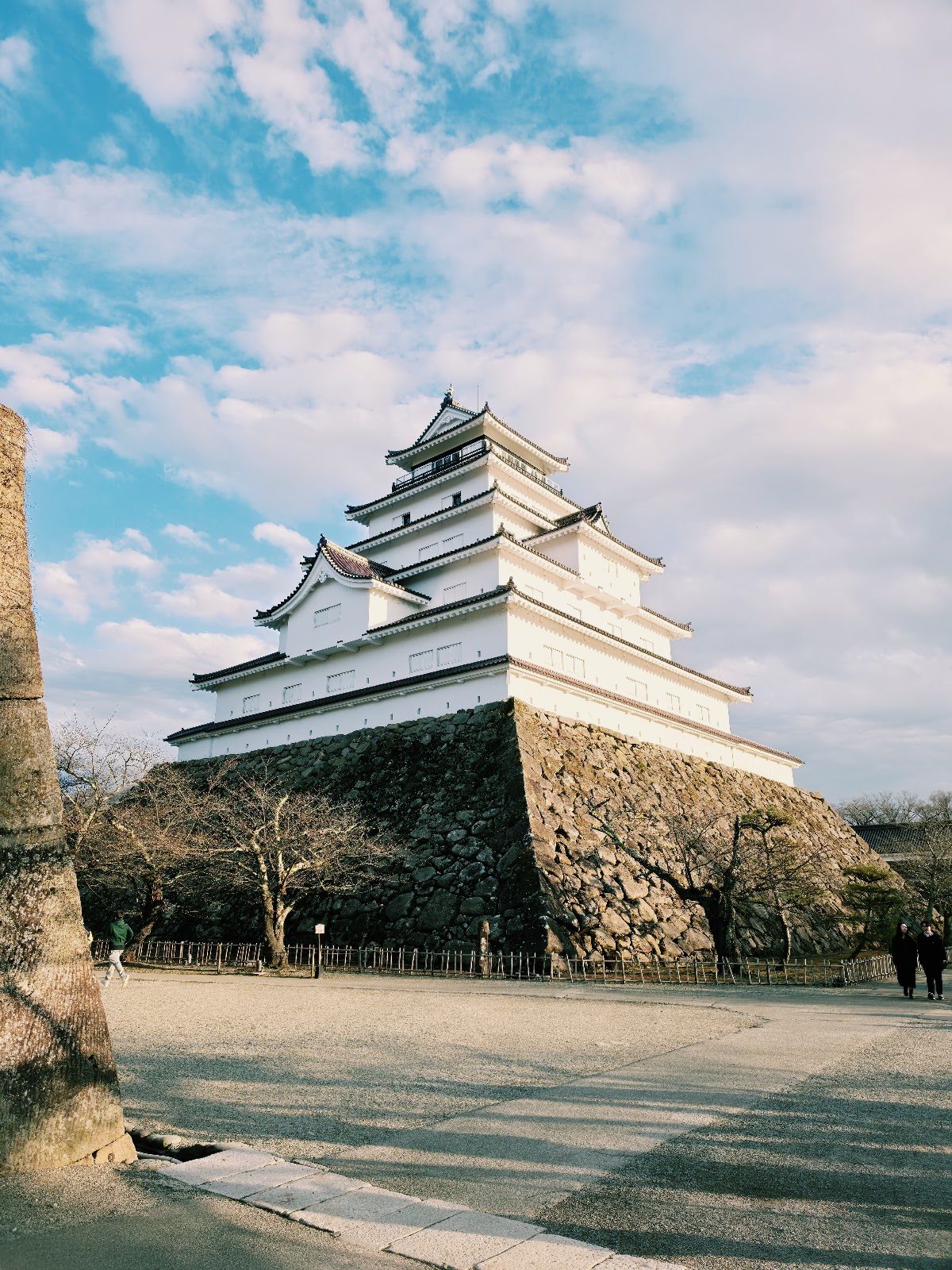
Aizu-Wakamatsu Castle (Tsuruga Castle) Complete Guide: A Thorough Explanation from History to Tourist Information and Highlights
Aizu-Wakamatsu Castle, majestically standing in Aizu-Wakamatsu City, Fukushima Prefecture, is a famous castle affectionately known locally as “Tsuruga Castle.” This castle, boasting the only red-tiled keep in Japan and having withstood fierce battles during the Boshin War, is one of Japan’s Top 100 Castles and a symbol of Aizu, attracting many tourists throughout the year.
This article comprehensively covers everything you need to know before visiting Aizu-Wakamatsu Castle, from its more than 600-year history to current highlights, access methods, and event information.
What is Aizu-Wakamatsu Castle?: Basic Information and Overview
Aizu-Wakamatsu Castle is a hilltop castle located in Otemachi, Aizu-Wakamatsu City, Fukushima Prefecture. Its official name is “Wakamatsu Castle,” but due to its elegant appearance, it is also called “Tsuruga Castle,” and is known nationwide as “Aizu-Wakamatsu Castle.”
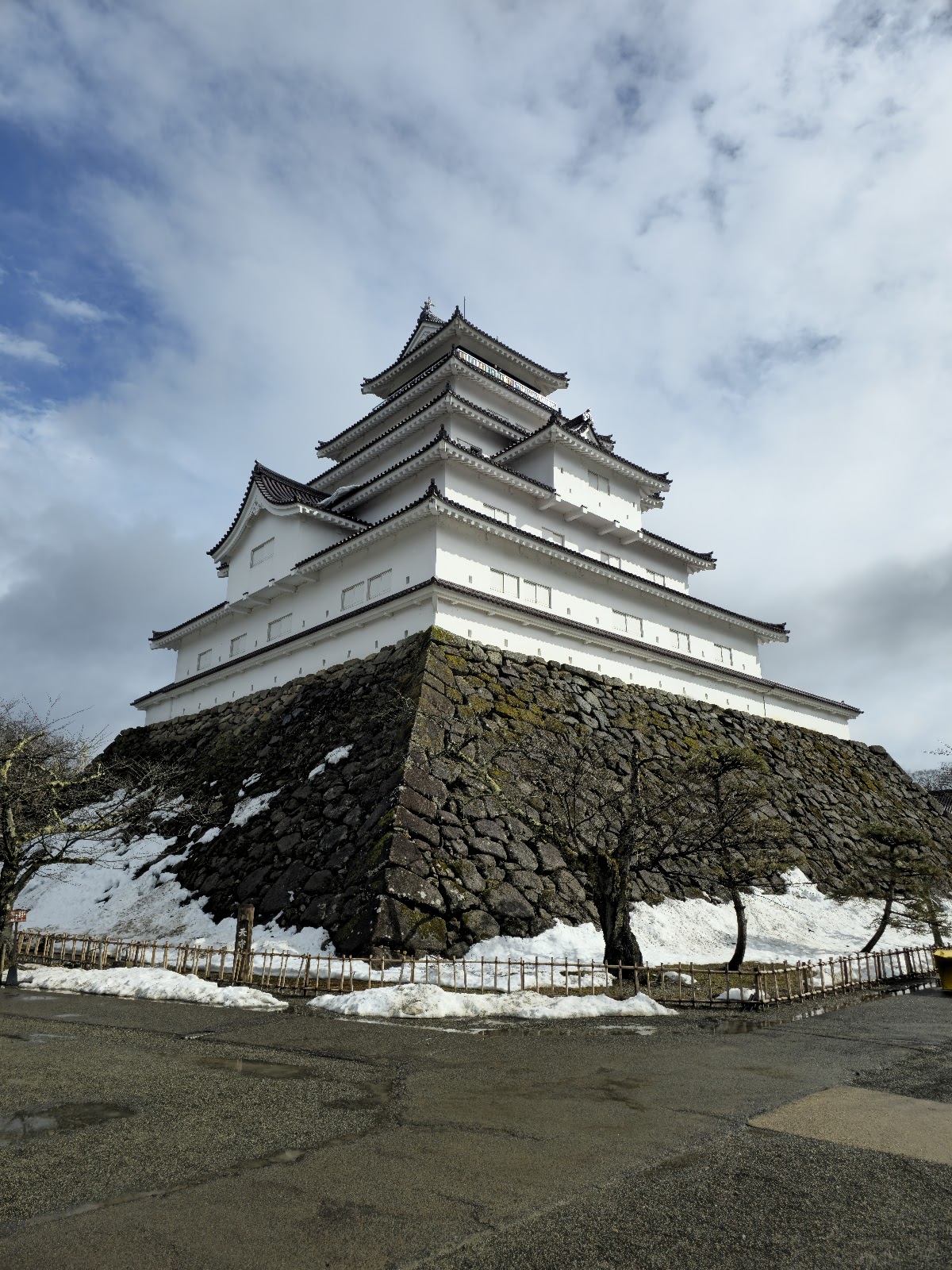
The current castle ruins are protected as a nationally designated historical site, “Wakamatsu Castle Ruins.” The castle tower was reconstructed in reinforced concrete in 1965, and its interior is open to the public as the Wakamatsu Castle Castle Tower Local History Museum. In 2011, the roof was re-tiled with red tiles to recreate its appearance from the late Edo period, attracting attention as the only castle tower in Japan with red tiles.
Castle Scale and Structure
Aizu-Wakamatsu Castle is a flatland castle built on Odagaki Hill in the alluvial fan of the Yukawa River, situated at a strategic point where the five main roads of the Aizu Basin converge. It consists of the main keep, second keep, third keep, north outwork, and west outwork, with a total area of approximately 230,000 square meters.
The castle tower is a five-story tower-type keep, standing approximately 28 meters above ground level. Including the stone walls, it reaches a height of approximately 40 meters, making it an excellent viewpoint offering panoramic views of Aizu-Wakamatsu city.
History of Aizu-Wakamatsu Castle: From Construction to the Present
Kurokawa Castle Era (Muromachi Period)
The history of Aizu-Wakamatsu Castle dates back approximately 630 years to 1384 (Shitoku 1). It is believed to have begun when Ashina Naomori, the lord of Aizu, built the Higashi-Kurokawa Manor. At that time, a river flowed through the surrounding area, so the region was called “Kurokawa,” and the castle was also called “Kurokawa Castle.”
The Ashina clan ruled Aizu for seven generations, expanding their power from Kurokawa Castle. However, in 1589 (Tensho 17), they were defeated by Date Masamune in the Battle of Suriagehara, and the Ashina clan was destroyed.
Major Renovations by Gamo Ujisato (Azuchi-Momoyama Period)
In 1590 (Tensho 18), following Toyotomi Hideyoshi’s pacification of Oshu, Aizu was taken from Date Masamune, and Gamo Ujisato was appointed as the lord of Aizu. Ujisato entered the castle as a daimyo with a domain of 420,000 koku, and in 1592 (Bunroku 1), he began major renovations of Kurokawa Castle.
This renovation transformed the castle into a modern fortress with a seven-story (some sources say five-story) keep, and the castle town was also developed. Ujisato is also said to have changed the place name from “Kurokawa” to “Wakamatsu” and renamed the castle “Tsuruga Castle.” It was during this period that the foundation of present-day Aizu-Wakamatsu was laid.
The Era of Uesugi Kagekatsu and Naoe Kanetsugu
In 1598 (Keicho 3), when the Gamo clan was transferred to Utsunomiya, Uesugi Kagekatsu was appointed to Aizu with a domain of 1.2 million koku. He appointed the renowned general Naoe Kanetsugu as his chief retainer, and Aizu became the Uesugi clan’s base.
However, in the Battle of Sekigahara in 1600 (Keicho 5), the Uesugi clan sided with the Western Army, and after the war, their domain was reduced to 300,000 koku in Yonezawa.
The Re-establishment of the Gamo Clan and the Era of the Kato Clan (Early Edo Period)
After the Battle of Sekigahara, Gamo Hideyuki again entered Aizu, but the Gamo clan became extinct in 1627 (Kanei 4). Subsequently, in 1627, Kato Yoshiaki was appointed, and large-scale renovations were carried out during the time of his son, Akimasa.
Between 1639 (Kanei 16) and 1643 (Kanei 20), Kato Akimasa remodeled the castle tower to its current five-story form, strengthened the stone walls, and improved the moat. This form became the basic structure of Aizu-Wakamatsu Castle, which remained until the end of the Edo period.
The Aizu Matsudaira Family Era (Mid-Edo Period to the End of the Edo Period)
In 1643 (Kanei 20), Hoshina Masayuki, a grandson of Tokugawa Ieyasu, was granted a domain of 230,000 koku in Aizu. The Hoshina family was later permitted to use the Matsudaira surname, and the “Aizu Matsudaira Family” ruled Aizu for nine generations until the end of the Edo period.
The Aizu Matsudaira Family is known as one of the most loyal collateral branches of the Tokugawa shogunate, and played an important role in supporting the shogunate during the turbulent period of the end of the Edo period, including serving as the Kyoto Shugoshoku (Kyoto Guardian).
The Boshin War and the Aizu War (Late Edo Period)
In 1868 (Keio 4 / Meiji 1), the Boshin War broke out during the reign of the 9th lord, Matsudaira Katamori. The Aizu Domain, which had led the Shinsengumi as Kyoto Shugoshoku (Kyoto Guardian) to suppress the Sonno Joi (Revere the Emperor, Expel the Barbarians) faction, was declared an “enemy of the court” by the new government forces and became a target of attack.
On August 23rd of the same year, the new government forces launched a full-scale attack on Aizu-Wakamatsu Castle. A fierce siege ensued for approximately one month. During this time, the tragedy of the Byakkotai (White Tiger Corps), composed of boys aged 16 to 17, committed suicide on Iimoriyama Mountain.
Aizu-Wakamatsu Castle was bombarded with state-of-the-art Armstrong guns and other weapons, but its strong stone walls and castle structure prevented it from falling. However, on September 22nd, Lord Matsudaira Katamori decided to surrender, ending the approximately one-month siege.
Through its valiant efforts in the Boshin War, Aizu-Wakamatsu Castle became known throughout Japan as an “impregnable fortress.”
After the Meiji Restoration: Dismantling and Restoration
In 1874 (Meiji 7), following the Meiji government’s policy, the structures of Aizu-Wakamatsu Castle were dismantled. The keep, turrets, gates, and other structures were all demolished, leaving only the stone walls and moats.
In 1965 (Showa 40), thanks to the enthusiasm of the citizens, the keep was restored to its original appearance using reinforced concrete. The interior was renovated into a local history museum, serving as a facility that conveys the history of Aizu.
In 2001 (Heisei 13), the Hoshii-yagura (dried rice turret) and Minami-hashiri-nagaya (southern longhouse) were restored in wood, and in 2011 (Heisei 23), the roofing was replaced with red tiles from the late Edo period. These red tiles are highly durable and suited to the cold climate of Aizu, faithfully reproducing the appearance of the castle during the late Edo period.
Aizu-Wakamatsu Castle Highlights: Must-See Spots
The Castle Tower and Aizu-Wakamatsu Castle Museum
The greatest highlight of Aizu-Wakamatsu Castle is undoubtedly its red-tiled castle tower. Restored in 2011, the red tiles are unique among existing and restored castle towers in Japan, and its beautiful appearance captivates many photography enthusiasts.
The interior of the castle tower is open to the public as the Aizu-Wakamatsu Castle Museum, showcasing the history of Aizu across five floors.
Exhibits on Each Floor:
- 1st Floor: Overview of Aizu’s History and Special Exhibition Space
- 2nd Floor: The Era of Gamo Ujisato and the Development of the Castle Town
- 3rd Floor: History of the Aizu Matsudaira Family and Domain Administration
- 4th Floor: Details of the Boshin War and the Aizu War
- 5th Floor: Observation Floor (View of Aizu-Wakamatsu City and Mount Bandai)
The exhibits on the Boshin War are particularly extensive, featuring weapons and documents from the time, as well as exhibits related to the Byakkotai (White Tiger Corps). From the observation floor on the top floor, you can enjoy a 360-degree panoramic view of the Aizu Basin, Mount Bandai, Mount Iimoriyama, and more.
Tea Room Rinkaku
Located within Tsuruga Castle Ruins Park, the Tea Room Rinkaku is a valuable tea room associated with Shoan, the son of Sen no Rikyu. It is said that this castle was built in 1591 (Tensho 19) when Gamo Ujisato sheltered and invited Sen no Shoan, the son of Sen no Rikyu, who had incurred the wrath of Toyotomi Hideyoshi and been ordered to commit seppuku (ritual suicide), to Aizu.
Although it was once relocated to another location within the city due to the Meiji-era decree abolishing castles, it was restored to its current location in 2000 (Heisei 12). Its thatched-roof style architecture is a valuable building that conveys the tea ceremony culture of the Sengoku period (Warring States period).
At the Rinkaku tea room, you can actually enjoy matcha tea and sweets (for a fee), experiencing the atmosphere of the tea ceremony in a historical space.
Tsuruga Castle Ruins Park
The entire castle site, centered around the keep, is maintained as Tsuruga Castle Ruins Park, where you can enjoy beautiful scenery throughout the seasons.
Spring: Approximately 1,000 cherry trees bloom, and it has been selected as one of “Japan’s Top 100 Cherry Blossom Viewing Spots.” At night, the castle is illuminated, creating a magical contrast between the red-tiled keep and the cherry blossoms.
Summer: The red-tiled keep stands out beautifully against the lush green trees and blue sky, making it a popular photo spot.
Autumn: The autumn leaves color the castle ruins, and the area around the moat is a particularly spectacular viewpoint.
Winter: The snow-covered keep is exceptionally beautiful, with a striking contrast of white and red.
Stone Walls and Moat
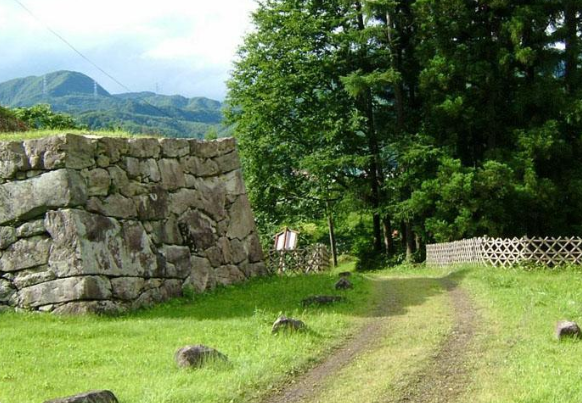
The stone walls of Aizu-Wakamatsu Castle were strengthened during the time of Kato Akimasa and are a sturdy structure that withstood the bombardment of the Boshin War. The high stone walls of the main keep are particularly impressive, showcasing the high level of castle-building technology of the time.
The moat still holds water, and the reflection of the keep on the water’s surface makes it an excellent photo spot.
Hoshii Yagura (Dried Rice Tower) and Minami-hashiri Nagaya (Southbound Long House)
The Hoshii Yagura (Dried Rice Tower) and Minami-hashiri Nagaya (Southbound Long House), restored in wood in 2001, are valuable structures recreated using Edo period architectural techniques. The interior is open to the public, allowing visitors to see the original tower structure up close.
Tsuruga Castle Museum Shop
On the first floor of the castle tower is a museum shop selling traditional Aizu crafts and goods related to Aizu-Wakamatsu Castle. You can purchase Aizu-specific souvenirs such as Aizu lacquerware, Aizu cotton, and local sake.
Visitor Information: Opening Hours, Admission Fees, and Access
Opening Hours and Closing Days
Opening Hours:
- 8:30 AM – 5:00 PM (Last entry 4:30 PM)
Closing Days:
- Open every day (year-round)
*Temporary closures may occur due to weather or facility maintenance.
Admission Fees
Castle Tower Only:
- Adults: 410 yen
- Elementary and Junior High School Students: 150 yen
Combined Ticket for Castle Tower and Rinkaku Tea House:
- Adults: 520 yen
- Elementary and Junior High School Students: 150 yen
Group Discount (30 or more people):
- Adults: 360 yen
- Elementary and Junior High School Students: 135 yen
Annual Passport:
- Adults: 1,030 yen
- Elementary and Junior High School Students: 370 yen
*Free admission for persons with disabilities (one caregiver also admitted free of charge)
*Tickets can be purchased in advance.
Access
Access by Train:
From JR Aizu-Wakamatsu Station:
- Approximately 20 minutes by the “Haikara-san” or “Akabee” city loop bus, get off at “Tsuruga-jo Iriguchi” bus stop, 5-minute walk.
- Approximately 15 minutes by local bus, get off at “Tsuruga-jo Kita-guchi” bus stop, immediately adjacent.
- Approximately 10 minutes by taxi.
- Approximately 15 minutes by rental bicycle.
Access by Car:
- Approximately 15 minutes from the Ban-etsu Expressway “Aizu-Wakamatsu IC”
- Approximately 1 hour via the Tohoku Expressway “Koriyama JCT” and Ban-etsu Expressway.
Parking
Nishidemaru Parking (Paid):
- 200 regular cars
- Fee: 200 yen for the first hour, 100 yen for each subsequent hour
- Business Hours: 7:30 AM – 6:00 PM (may vary depending on the season)
East Entrance Parking / South Entrance Parking (Paid):
- Fee: 200 yen per hour
Free Parking:
- San-no-maru Parking Lot (38 spaces)
- Tsuruga Castle Gymnasium Parking Lot (143 spaces) *Approximately 10-minute walk
*Due to expected congestion during peak tourist seasons and weekends, we recommend using public transportation.
Event and Exhibition Information
Aizu-Wakamatsu Castle hosts various events and exhibitions throughout the year.
Regular Events
Tsuruga Castle Cherry Blossom Festival (Early to Mid-April):
Held to coincide with the cherry blossom season, the castle is illuminated at night. The sight of approximately 1,000 cherry trees and the red-tiled castle tower is breathtaking.
Aizu-Wakamatsu City Tsuruga Castle Half Marathon (October):
A marathon starting and finishing at Tsuruga Castle, allowing you to fully enjoy the autumn of Aizu.
Aizu Picture Candle Festival (February):
Traditional Aizu picture candles are lit at Tsuruga Castle and various locations throughout the city, creating a magical atmosphere.
Tsuruga Castle Autumn Leaves Light-up (Late October – Early November):
Nighttime illumination is held to coincide with the autumn leaves season, allowing visitors to enjoy a different, more magical view than during the day.
Special Exhibitions
The local history museum inside the castle tower regularly holds special exhibitions. The themes are diverse, including Aizu’s history and culture, and features on the Boshin War.
The latest event and exhibition information can be found on the official website of the Aizu-Wakamatsu Tourism Bureau.
Nearby Tourist Spots
Iimoriyama
Iimoriyama, known as the tragic site where the Byakkotai committed suicide, is about a 10-minute drive from Tsuruga Castle. From the mountaintop, you can enjoy a panoramic view of Aizu-Wakamatsu city and Tsuruga Castle, and there are many sights to see, including the Byakkotai Memorial Museum, Itsukushima Shrine, and Sazaedo Temple.
Oyakuen Garden
This Japanese garden was built as a villa for the Aizu Matsudaira family and is a nationally designated scenic spot. You can enjoy beautiful scenery throughout the seasons, and you can also enjoy matcha tea in the tea room. It’s about a 15-minute walk from Tsuruga Castle.
Nanokamachi Street
This is the central shopping street of Aizu-Wakamatsu, retaining a retro atmosphere, with many storehouse-style buildings. Traditional craft shops selling Aizu lacquerware and Aizu cotton, as well as cafes and restaurants, line the street, making it a pleasant place to stroll.
Aizu Samurai Residence
This facility is a reconstruction of the residence of Saigo Yorimoto, a chief retainer of the Aizu domain, allowing visitors to experience the life of a samurai during the Edo period. Within the vast grounds, in addition to the samurai residence, a rice mill and tea room have also been recreated.
Photo Spots and Best Season
Recommended Photo Spots
- The Castle Tower from Kitademaru: A classic spot to capture the entire castle tower from the front.
- Across the Moat of Nishidemaru: The castle tower reflected on the water is beautiful.
- From the Rinkaku Tea House: You can photograph the tea house and the castle tower together.
- From Inside the Honmaru (Main Enclosure): You can photograph the impressive castle tower.
- Nighttime Illumination during Cherry Blossom Season: A fantastic collaboration of cherry blossoms and the castle tower.
Best Season
Spring (Early to Mid-April):
The cherry blossom season is the most popular time, offering a spectacular view worthy of being one of Japan’s Top 100 Cherry Blossom Viewing Spots. The illuminated cherry blossoms at night are a must-see.
Autumn (Late October to Early November):
The autumn leaves are beautiful, and the contrast of colors with the red-tiled castle tower is magnificent.
Winter (January-February):
The snow-covered castle tower is exceptionally beautiful, with a striking contrast of white and red. The Aizu Picture Candle Festival is especially recommended.
Trivia about Aizu-Wakamatsu Castle
Why is it called “Tsuruga Castle”?
It is said that Gamo Ujisato named it “Tsuruga Castle” because the castle resembles a crane spreading its wings. Another theory suggests that it was named “Tsuruga” (crane) to complement Kamega Castle (Inawashiro Castle) located southeast of the castle.
The Secret of the Red Tiles
The red tiles of Aizu-Wakamatsu Castle are a reproduction of the appearance during the late Edo period. They were chosen because they are more suitable for cold climates and more durable than the common black tiles. These red tiles are unique among existing and reconstructed castle towers, making them a distinctive feature of Aizu-Wakamatsu Castle.
Traces of Artillery Fire from the Boshin War
There are traces of artillery fire from the Boshin War remaining in the current stone walls. These are preserved as witnesses to history, conveying the fierce battles of that time.
Relationship with the Byakkotai
The Byakkotai members who committed suicide on Iimoriyama are said to have mistakenly believed that Tsuruga Castle had fallen upon seeing the burning castle town. In reality, the castle remained intact, but this tragedy is recounted as a symbol of the Aizu War.
Important Information and Tips for Visiting Aizu-Wakamatsu Castle
Clothing and Items to Bring
- The stairs inside the castle tower are steep, so we recommend wearing comfortable shoes.
- The sun is strong in summer, so bring a hat and sunscreen.
- It is very cold in winter, so take proper precautions against the cold.
- Don’t forget to charge your camera and smartphone.
Estimated Time Required
- Castle Tower Only: Approximately 1 hour
- Castle Tower + Rinkaku Tea House: Approximately 1 hour 30 minutes
- Strolling Through the Entire Castle Park: Approximately 2-3 hours
Accessibility Information
There is no elevator inside the castle tower, and there are steep stairs, making it difficult to visit in a wheelchair. However, it is possible to stroll through the castle park, and some ramps are available.
Useful Information
- Free Wi-Fi: Available in some areas within the castle park
- Coin Lockers: Located near the entrance to the castle tower
- Restrooms: Located in several locations within the castle park (including multipurpose restrooms)
- Bicycle Rental: Available for rent in front of Aizu-Wakamatsu Station, allowing for efficient sightseeing of the city
Contact Information
Aizu-Wakamatsu Tourism Bureau (General Incorporated Foundation)
- Address: 1-1 Ekimae-cho, Aizu-Wakamatsu City, Fukushima Prefecture 965-0041 (Inside Aizu-Wakamatsu Station)
- Phone: 0242-23-8000
- FAX: 0242-23-9000
- Business Hours: 8:30 AM – 5:00 PM
Summary: The Charm of Aizu-Wakamatsu Castle
Aizu-Wakamatsu Castle boasts a history of over 600 years and, as a famous castle that withstood the fierce battles of the Boshin War, continues to fascinate many people today. Aizu-Wakamatsu Castle, with its unique red-tiled keep (the only one of its kind in Japan), beautiful scenery throughout the seasons, extensive historical exhibits, and atmosphere that embodies the spirit of Aizu’s samurai code, deeply impresses visitors.
When visiting Aizu-Wakamatsu, be sure to allocate ample time to fully appreciate the history and beauty of Tsuruga Castle. The views from the keep, a cup of tea at the Rinkaku tea house, a stroll through the castle park, and visits to surrounding historical sites will provide a valuable experience of Aizu’s history and culture.
Aizu-Wakamatsu Castle displays different faces with each season—cherry blossoms in spring, lush greenery in summer, vibrant autumn leaves, and snowscapes in winter. With new discoveries to be made with each visit, and a popularity as a photo spot, this castle is one of the best tourist destinations to experience Japanese history and culture.