
跡--1360x720.png)
Saimyoji Castle (Tochigi Prefecture) Complete Guide: History and Highlights from a Formidable Fortress of the Southern Court to the Downfall of the Mashiko Clan
What is Saimyoji Castle?
Saimyoji Castle is a medieval mountain castle located in Mashiko Town, Haga District, Tochigi Prefecture. Also known as “Takadate Castle” or “Mashiko Castle,” it is known as a large-scale mountain castle built around the summit of Mount Takadate, which is 302 meters above sea level.
As the residence of the Mashiko clan, important retainers of the Utsunomiya clan, it functioned as an important base in eastern Shimotsuke Province (present-day Tochigi Prefecture) for approximately 400 years, from the Kamakura period to the Sengoku period. In particular, during the Nanboku-cho period, it was counted as one of the “Six Castles of Kanto,” and it has made its mark in history as the northernmost base of the Southern Court.
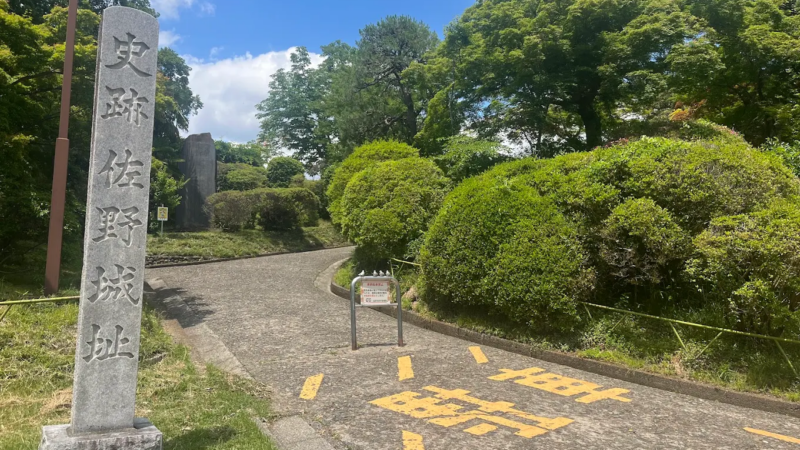
Currently, the castle ruins are part of the grounds of Saimyoji Temple, and the remains are well preserved. As a designated historical site of Mashiko Town, it is highly regarded by history enthusiasts and castle fans.
History of Nishimyoji Castle
Origins and Construction of the Mashiko Clan
The history of Nishimyoji Castle dates back to the late Heian period. According to the most widely accepted theory, it began during the Kohei era (1058-1064) when Ki no Gon no Kami Masataka moved from Kyoto and established his base on Takadateyama.
The Ki clan later adopted the name Mashiko and came to occupy an important position as vassals of the Utsunomiya clan. The Mashiko clan, of Kii surname, along with the Kiyohara-surnamed Haga clan, were known as the “Ki-Kiyo Ryōtō” (Ki-Kiyo Two Parties) and played a significant role as important retainers of the Utsunomiya clan from the Kamakura period to the Nanboku-chō period.
Nanboku-chō Period: Role as one of the Six Castles of Kanto
Nishimyoji Castle comes to the forefront of history during the Nanboku-chō period. During this time, Nishimyoji Castle was counted as one of the “Six Castles of Kanto” and served as a base for the Southern Court. The Six Castles of Kanto refer to the six castles in the Kanto region that continued to resist the Southern Court until the very end.
Nishimyoji Castle was located at the northernmost point of the Six Castles of Kanto and resisted attacks by the Northern Court for a long period. However, in 1352, it finally fell. This was the last of the Six Castles of Kanto to fall, and this event marked the end of organized resistance by the Southern Court in Kanto.
The Mashiko Clan in the Sengoku Period
Even after the end of the Nanboku-cho War, the Mashiko clan maintained their power as important retainers of the Utsunomiya clan. Entering the Sengoku period, the Mashiko clan contributed to the expansion of the Utsunomiya clan’s power as a powerful local lord in eastern Shimotsuke Province.
During this period, Nishimyoji Castle functioned as a fortified outpost, and it is believed that during peacetime, administrative affairs were conducted at the old Mashiko Castle at the foot of the mountain. Nishimyoji Castle, located on the summit of Mount Takadate, continued to be maintained as a refuge castle in times of emergency.
The Downfall of the Mashiko Clan and the Abandonment of the Castle
In 1589 (Tensho 17), a turning point arrived for the Mashiko clan. Utsunomiya Kunitsuna, in collusion with Haga Takasada and others, assassinated Mashiko Iemune. This incident resulted in the confiscation of the Mashiko clan’s territory, bringing an end to the Mashiko clan, which had lasted for approximately 500 years.
Later, in 1597 (Keicho 2), when the Utsunomiya clan was dispossessed by Toyotomi Hideyoshi, Seimyoji Castle was completely abandoned. The castle ruins were incorporated into the grounds of Seimyoji Temple, where they remain today.
Structure and Layout of Seimyoji Castle
Overall Layout
Seimyoji Castle is a large-scale mountain castle centered on the summit of Takadateyama Mountain, with numerous baileys arranged along ridges extending to the north, south, and west. The castle grounds are extremely vast, with defensive facilities not only in the main area but also on the subsidiary ridges, making it one of the largest and most representative mountain castles in Tochigi Prefecture.
The castle features a central enclosure at the mountaintop, with smaller enclosures arranged in a stepped pattern along the ridge. This arrangement cleverly utilizes the terrain, with each enclosure clearly demarcated by moats and earthworks.
Main Enclosure
The main enclosure, located at the mountaintop, functioned as the central part of the castle. Earthworks surround the main enclosure, and these are still clearly visible today. From the main enclosure, one can see a panoramic view of the town of Mashiko and the surrounding mountains, demonstrating its strategically important location.
Multiple enclosures surround the main enclosure, creating a multi-layered defensive structure. These enclosures showcase ingenious designs designed to progressively prevent enemy incursions.
Moats and Earthworks
The greatest highlight of Nishimyoji Castle is its well-preserved moats and earthworks. The moats, which divide the ridge, are deeply and sharply excavated, and are highly regarded as typical defensive structures of a medieval mountain castle.
In particular, multiple trenches are continuously constructed along the ridges leading from the main enclosure to each subsidiary ridge. These trenches served to hinder enemy advances and clearly demarcate the castle grounds.
Earthworks were built along the edges of the enclosures, varying in height, but in well-preserved sections, they remain over 1 meter high. From the top of the earthworks, one can look down on the interior of the enclosures, demonstrating their defensive advantages.
Arrangement of Enclosures
Several dozen enclosures of varying sizes have been identified at Nishimyoji Castle. These enclosures are arranged as follows:
North Ridge: Enclosures are arranged in stages along the ridge extending north from the main enclosure. This direction faces the town of Mashiko and was one of the most important defensive lines.
South Ridge: Multiple enclosures are also constructed along the ridge extending south, providing defense in the direction of Nishimyoji Temple.
Western Ridge: A group of enclosures extended along the western ridge, protecting the western side of the castle grounds.
These enclosures functioned as independent defensive units, yet collectively formed a single castle system.
Access Routes and Entrances
While multiple access routes to the castle are believed to have existed, the main entrance currently identifiable is the route from the Seimyoji Temple side. This route winds through the enclosures, showcasing numerous defensive features.
The entrances (koguchi) are complex structures combining earthworks and moats, designed to make enemy intrusion difficult.
Highlights of Seimyoji Castle
Preservation of Remains
The greatest appeal of Seimyoji Castle is the excellent state of preservation of its remains. Despite more than 400 years having passed since its abandonment, major remains such as moats, earthworks, and enclosures remain clearly visible.
In particular, the moat retains its depth and sharpness, making it a valuable historical site that allows visitors to experience the actual defensive structures of a medieval mountain castle. The earthworks also show little collapse, allowing visitors to imagine their original appearance.
Information Boards and Walking Trails
Walking trails are maintained at the castle site, allowing for efficient viewing of the main remains. The path to the castle begins beside the main hall of Seimyoji Temple, and information boards are installed, making it easy for first-time visitors to navigate without getting lost.
Explanatory information boards are placed at key points, allowing visitors to learn about the names and functions of each structure. These boards are extremely useful for understanding the structure of the castle.
Views
The views from the main enclosure at the mountaintop are another major attraction of Seimyoji Castle. On a clear day, you can see not only the city of Mashiko, but also the surrounding mountains and plains. This view gives a real sense of the castle’s military and strategic importance.
Relationship with Seimyoji Temple
One of the unique features of this castle is that the castle site is located within the grounds of Seimyoji Temple. Nishimyoji Temple is an ancient Shingon Buddhist temple with deep historical ties to the castle. Visiting Nishimyoji Temple in conjunction with a tour of the castle ruins will allow you to gain a deeper understanding of the history of this area.
Access and Visiting Information
Location
Mashiko Takadate, Mashiko-machi, Haga-gun, Tochigi Prefecture
Transportation Access
Access by Car:
- Approximately 20 minutes from the Mooka IC on the Kita-Kanto Expressway
- Prefectural Road 262 goes almost to the summit, allowing you to drive to the parking lot
- Parking is available near the castle entrance
Access by Public Transportation:
- Approximately 10 minutes by taxi from Mashiko Station on the Mooka Railway
- Approximately 40-50 minutes on foot from Mashiko Station
Visiting Hours
The castle ruins are always open, but since it is a mountain castle, visiting during daylight hours is recommended. Allow approximately 1 hour 30 minutes to 2 hours to see all the main remains. If you plan to thoroughly explore the entire castle grounds, we recommend allocating at least three hours.
Points to Note When Visiting
- As it is a mountain castle, comfortable shoes and clothing are essential.
- Don’t forget insect repellent during the summer months.
- Bring drinking water with you.
- Be careful as the ground can be slippery during and after rain.
- While there are information boards, bringing a map of the castle layout will enhance your understanding.
Nearby Attractions
Mashiko Old Castle
At the foot of Nishimyoji Castle, there is believed to have been the site of a residence called Mashiko Old Castle. Although no clear remains exist today, it was an important place for the Mashiko clan’s daily life.
Mashiko Pottery Village
Mashiko Town is famous for its pottery, “Mashiko ware.” In addition to visiting the castle ruins, you can enjoy touring Mashiko pottery kilns and experiencing pottery making. Many kilns and galleries are scattered throughout the town, allowing you to experience the charm of traditional crafts.
Seimyoji Temple
Seimyo-ji Temple, which serves as the entrance to the castle ruins, is a Shingon Buddhist temple with a long history. The temple grounds contain old buildings and stone structures, offering a peaceful atmosphere for worship.
Historical Significance of Seimyoji Castle
Seimyo-ji Castle is historically significant for the following reasons:
Importance in the History of the Northern and Southern Courts: As one of the six castles of the Kanto region, its history as the last stronghold of the Southern Court is crucial for understanding the political and military situation in Kanto during the Northern and Southern Courts period.
Typical Example of a Medieval Mountain Castle: It retains typical medieval mountain castle structures, such as moats, earthworks, and the arrangement of baileys, in excellent condition, making it a valuable site for castle research.
Position in Regional History: As the base of the Mashiko clan, a local powerful family, it is indispensable for understanding the medieval history of eastern Shimotsuke Province.
Research on the Utsunomiya Clan’s Sphere of Influence: It provides an important case study for understanding the structure of the Utsunomiya clan’s retainers and the reality of their sphere of influence.
Nishimyoji Castle and the Culture of the Mashiko Clan
The Mashiko clan is believed to have been more than just a samurai group; they were also involved in cultural activities. Considering their connection to Nishimyoji Temple and their origins as the Ki clan, who migrated from Kyoto, it can be inferred that they were a family with a certain level of cultural refinement.
Archaeological remains such as daily necessities and weapons have been discovered at the castle site, providing clues to the lifestyle of the time.
Summary
Nishimyoji Castle (Takadate Castle) is a masterpiece of medieval mountain castle remaining in Mashiko Town, Tochigi Prefecture. It is historically significant as one of the six castles of the Kanto region during the Nanboku-cho period and functioned as the residence of the Mashiko clan for approximately 400 years.
The well-preserved remains, such as moats, earthworks, and baileys, are valuable resources for understanding the structure of medieval mountain castles. The view from the mountaintop is also magnificent, allowing visitors to appreciate the castle’s strategic importance.
While well-maintained walking paths and information boards make it accessible even for beginners, numerous impressive remains remain for castle enthusiasts. When visiting Mashiko, a town famous for its Mashiko pottery, be sure to also visit this historic mountain castle ruin.
More than 400 years have passed since the fall of the Mashiko clan in 1589 and the abandonment of the castle in 1597, but Nishimyoji Castle continues to quietly watch over the land of Mashiko. Its presence is a valuable cultural asset that conveys the history of medieval Shimotsuke Province and deserves to be preserved for future generations.
--765x450.png)
跡--800x450.png)
