History and Remains of Nishikata Jinya (Tochigi Prefecture): A Thorough Explanation of the Fujita Clan’s Jinya Site Located on the Site of Nijo Castle
What is Nishikata Jinya?
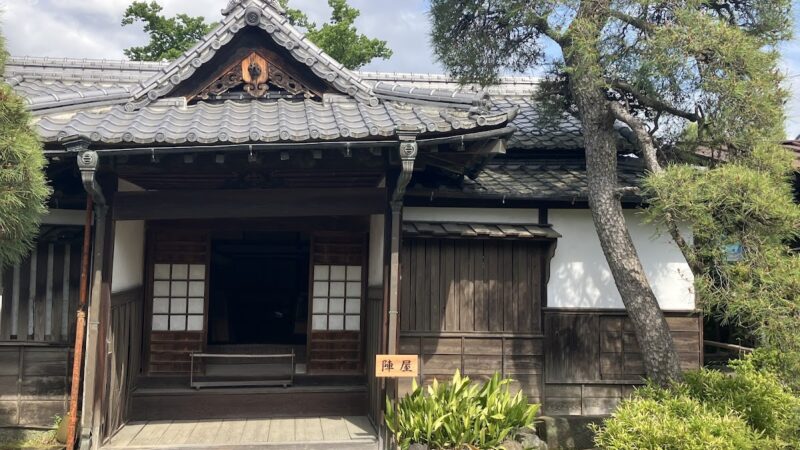
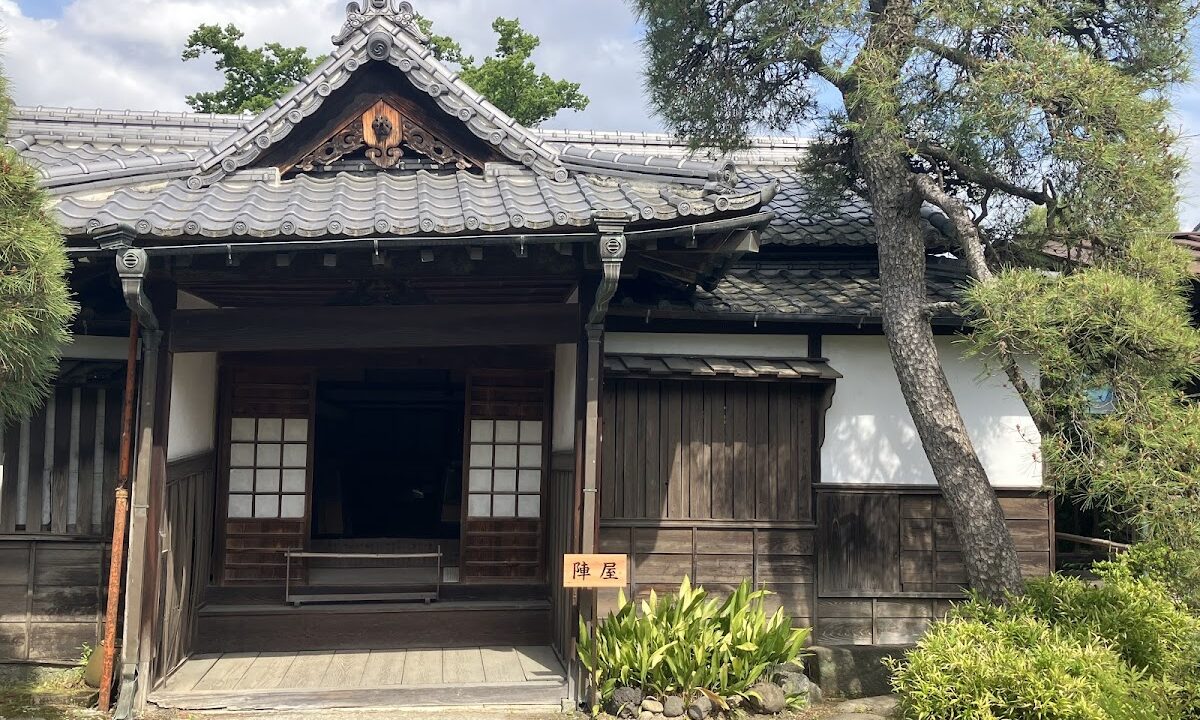
Nishikata Jinya was an Edo period jinya (fortified residence) located in what is now Nishikata-cho, Tochigi City, Tochigi Prefecture. As the administrative center of the Nishikata Domain of Shimotsuke Province, it played a central role in the region’s politics and administration.
A jinya was an administrative facility established during the Edo period by small domains or hatamoto (direct retainers of the shogun) with territories between 10,000 and 100,000 koku. While not as large as a castle, it was an important base for governing the domain. Nishikata Jinya is unique in that it was established on the site of Nijo Castle, built during the Sengoku period, giving it an interesting position in the history of jinya in Tochigi Prefecture.
The Establishment of the Nishikata Domain and the Fujita Clan
Fujita Nobuyoshi and the Establishment of the Nishikata Domain
The history of the Nishikata Domain begins with the arrival of Fujita Nobuyoshi. Fujita Nobuyoshi was a samurai from Kōzuke Province (present-day Gunma Prefecture). Originally a retainer of the Hōjō clan, he later served the Uesugi clan and then the Tokugawa clan.
Having distinguished himself on the Tokugawa side in the Battle of Sekigahara (1600), Nobuyoshi was granted 15,000 koku of land in Nishikata, Shimotsuke Province in 1601, establishing the Nishikata Domain. This meant the Fujita clan became daimyo (feudal lords) ruling the Nishikata region.
Construction of Nijō Castle and Establishment of a Jinya (fortified residence)
When Fujita Nobuyoshi took control of Nishikata, he built a new castle southeast of the existing Nishikata Castle. This castle came to be known as “Nijō Castle.” While there are several theories regarding the origin of the name “Nijō Castle,” the most plausible is that it is a corruption of “Niijō” (新城), meaning “new castle.” In other words, it is believed that the meaning evolved over time to “Nijō Castle.”
When the Nishikata Domain was established during the time of Fujita Notonokami, the domain’s administrative headquarters (jinya) was located on the site of Nijo Castle. The jinya served as both the lord’s residence and the administrative office for the domain’s affairs.
Structure and Scale of the Nishikata Jinya
Location and Geographical Characteristics of the Jinya
The Nijo Castle site where the Nishikata Jinya was located was situated around present-day Honjo, Nishikata-machi, Tochigi City. This area was close to the Omoigawa River basin and was an important transportation hub.
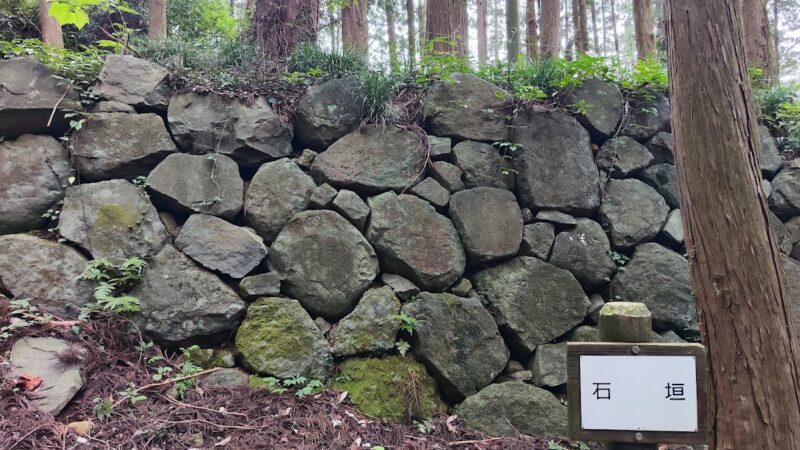
Because it was based on Nijo Castle, built during the Sengoku period, it is presumed that the jinya also possessed certain defensive capabilities. However, in the peaceful Edo period, administrative functions became more important than military functions.
Facility Composition of the Jinya
The Nishikata Jinya is thought to have had the following facilities:
Lord’s Residence: This building housed the lord and his family, forming the core of the jinya.
Government Office: An administrative facility for conducting the domain’s affairs. Duties such as tax collection, judicial proceedings, and maintaining public order were carried out here.
Samurai Residences: A group of residences where samurai lived. It is presumed that these were located around the domain’s headquarters.
Storehouse: A facility for storing tax rice and other goods. It was an important building supporting the domain’s finances.
Unfortunately, detailed records of the specific building layout and scale are not available, making a complete reconstruction difficult. However, comparisons with other domain headquarters of the same period suggest that facilities befitting a domain of 15,000 koku (a unit of rice production) were certainly in place.
History and Changes of the Nishikata Domain
The Fujita Clan’s Rule
The Nishikata Domain was ruled by the Fujita clan for approximately 60 years. The first lord, Fujita Nobuyoshi, dedicated himself to the development of Nishikata until his death in 1613 (Keicho 18).
Nobuyoshi was succeeded by his adopted son, Fujita Nobuyo, but he died without an heir in 1627, resulting in the temporary confiscation of the Fujita clan’s Nishikata domain.
Later, Nobuyoshi’s biological son, Fujita Nobuyoshi, was allowed to restore the Nishikata domain with a 10,000 koku stipend in 1632, and the Fujita clan’s rule over Nishikata continued. However, when Nobuyoshi died in 1658, the Fujita clan’s Nishikata domain became extinct again due to the lack of an heir.
The Abolition of the Nishikata Domain and its Aftermath
After the extinction of the Fujita clan, the Nishikata area was divided and governed as a direct territory of the shogunate and other daimyo territories. It is believed that the domain’s function as a fortified residence was lost, and the Nijo Castle site gradually fell into disrepair.
During the late Edo period, this area sometimes came under the jurisdiction of other jinya (fortified residences) within Tochigi Prefecture (such as the Tochigi Jinya). With the Meiji Restoration and the abolition of the feudal domains, the jinya completely ceased to function.
Relationship between Nishikata Castle Ruins and Nijo Castle Ruins
History of Nishikata Castle
Nishikata Castle is an older fortress than Nijo Castle. During the Sengoku period, this area was within the sphere of influence of the Odawara Hojo clan, and Nishikata Castle is thought to have functioned as a branch castle of the Hojo clan.
The exact construction date of the castle is unclear, but it is estimated to have been built between the 15th and 16th centuries. It seems that local powerful families and vassals of the Hojo clan served as castle lords.
Positional Relationship with Nijo Castle
When Fujita Nobuyoshi took control of Nishikata, there is thought to be a reason why he built Nijo Castle to the southeast of the existing Nishikata Castle, rather than constructing the existing one.
One reason is that while Nishikata Castle had the characteristics of a mountain castle from the Sengoku period, a location closer to flat land was more suitable for governance during the Edo period. Another reason is the need to build a new castle to demonstrate the authority of the new ruler.
Currently, both the Nishikata Castle ruins and the Nijo Castle ruins are recognized as historical sites of Tochigi City and are important legacies that tell the story of the region’s history.
Current Status of the Nishikata Jinya Site and Remains
Current State of Remains
Unfortunately, the buildings of the Nishikata Jinya no longer exist. Due to development after the Meiji era and the passage of time, the buildings of the Jinya were lost.
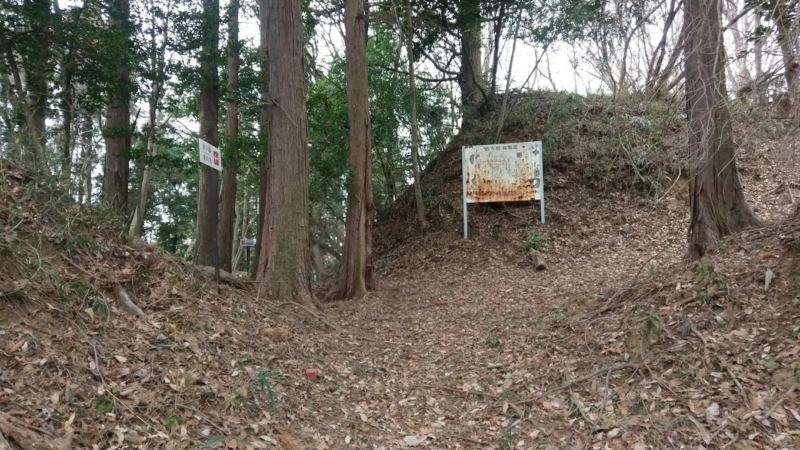
The area around the current Nijo Castle ruins is mainly residential and farmland, making it difficult to imagine its former appearance. However, there is a possibility that slight traces of the time remain in the topography and road layout.
Status of Castle Site Development
Tochigi City designates the Nishikata Castle Site and Nijo Castle Site as local historical assets, and they are listed in the Tochigi City Tourism Association’s information. However, currently, no full-scale archaeological excavations or development as a historical park have been carried out.
Research by local historians and history enthusiasts continues, and there remains a possibility that new historical materials and remains may be discovered in the future.
Access Information
Access to the Nishikata Jinya Site (Nijo Castle Site) is as follows:
Location: Around Honjo, Nishikata-cho, Tochigi City, Tochigi Prefecture
Public Transportation: Approximately 20 minutes by car or bus from Tochigi Station on the JR Ryomo Line and Tobu Nikko Line
Car: Approximately 15 minutes from Tochigi IC on the Tohoku Expressway
Parking: There is no dedicated parking lot, but nearby public facilities are available.
When visiting, please be considerate of the residential area and avoid disturbing local residents.
Comparison with Other Jinya in Tochigi Prefecture
Tochigi Jinya
The Tochigi Jinya was built around 1789 as an outpost by the Toda clan, the lords of the Ashikaga Domain. It was a facility established by the Toda clan to govern Tsuga District, and dates later than the Nishikata Jinya.
Initially, the Tochigi Jinya was located within Tochigi Castle, but was later moved to the area near the current courthouse. While the Nishikata Jinya functioned as the domain’s administrative center, the Tochigi Jinya had a stronger character as an outpost.
Hatakeyama Jinya
The Hatakeyama Jinya is a rare type of Jinya, built within the residence of the local prominent Okada family, by the Hatakeyama clan, a high-ranking samurai family. The magistrate’s residence still remains today as the Okada Memorial Museum, making it an important historical heritage site of Tochigi City.
In contrast to the Nishikata Jinya, which was established on an independent castle site, the Hatakeyama Jinya utilized an existing private residence.
Ashikaga Jinya
The Ashikaga Jinya was one of the jinya (fortified residences) established by the Toda clan, and it functioned as a governing base for the Ashikaga region. Similar to the Tochigi Jinya, it served as a branch office of the domain.
Compared to these jinya, the Nishikata Jinya held a more important position, as it was established as the administrative center of an independent domain.
Historical Background of the Nishikata Region
Nishikata from Ancient to Medieval Times
The Nishikata region developed as part of Shimotsuke Province from ancient times. The fertile land of the Omoigawa River basin was suitable for agriculture, and people settled there early on.
In the medieval period, this region was included in the sphere of influence of powerful samurai clans such as the Utsunomiya and Oyama clans, and later came under the influence of the Odawara Hojo clan. Records show that it frequently became a battlefield during the turbulent Sengoku period.
Development in the Early Modern Period
With the establishment of the Nishikata Domain in the Edo period, this region, though a small domain, underwent its own unique development. A castle town-like settlement formed around the Jinya (fortified residence), and commerce and handicrafts flourished.
In particular, its location near the Nikko Kaido and Reiheishi Kaido roads allowed it to thrive as a transportation hub. The Nishikata market attracted products from surrounding farming villages, becoming the center of the regional economy.
Changes since the Modern Era
After the Meiji Restoration, Nishikata became Nishikata Village in Kamitsuga District, and later became Nishikata Town. On October 1, 2011, it merged with Tochigi City, and is now Nishikata Town, Tochigi City, writing a new chapter in its history.
The Nishikata Regional Development Promotion Division has been established, and town development that leverages the region’s unique characteristics is underway. The preservation and utilization of historical heritage is also positioned as an important element of regional development.
Historical Significance of the Nishikata Jinya
As a Center for Regional Governance
The Nishikata Jinya functioned as the political and administrative center of this region from the early to mid-Edo period. Although it was a small domain with a rice production of 15,000 koku, the lord and samurai dedicated themselves to maintaining local security, collecting land tax, and developing infrastructure.
The governing system centered around the jinya (fortified residence) embodied the Edo shogunate’s governing system at the local level, making it a valuable example for understanding the realities of local governance in early modern Japan.
Position in Castle History
The Nishikata Jinya is also interesting from a castle history perspective, as it was established on the foundation of a Sengoku period castle (Nijo Castle). It is a good example of how military facilities from the Sengoku period were repurposed as administrative facilities in the Edo period.
Furthermore, while many jinya existed in Tochigi Prefecture, detailed records of most of them do not remain. Historical materials for the Nishikata Jinya are also limited, but future research may reveal new facts.
As a Core of Regional Identity
Although the buildings of the Nishikata Jinya have now been lost, its history lives on in the memories and pride of the local people. The Nishikata Castle and Nijo Castle ruins are important elements in shaping the historical identity of the region.
In the Nishikata area of Tochigi City, efforts are being made to develop the community by utilizing these historical heritage sites, including their use as tourism resources and for educational purposes.
Towards Future Preservation and Utilization
Re-evaluating the Value as a Historic Site
Currently, the Nishikata Jinya (fortified residence) site does not have many noticeable remains, so it is not widely known to the public. However, as a fortified residence from the early Edo period and a valuable historical site that tells the story of the region, its value needs to be re-evaluated.
If the exact location, size, and structure of the fortified residence can be clarified through archaeological excavations and documentary research, its value as a historical site will further increase.
Utilization as a Regional Resource
The history of the Nishikata Jinya has the potential to be utilized as a regional tourism and educational resource. Efforts to convey the history to visitors through the installation of information boards, the creation of explanatory pamphlets, and the training of local guides can be considered.
Furthermore, incorporating it as a subject for local history lessons in local schools can foster children’s attachment to their region.
Collaboration with Other Historical Sites
In addition to the Nishikata Castle Ruins and Nijo Castle Ruins, Tochigi City has many other historical sites, including the Tochigi Castle Ruins and the Hatakeyama Jinya Ruins. Establishing historical walking routes connecting these sites can enhance the overall appeal of the region.
Furthermore, building a network with other Jinya and castle ruins within Tochigi Prefecture and developing themed tourism such as a “Tochigi Jinya Tour” is another option.
Summary
The Nishikata Jinya (Tochigi Prefecture) was a Jinya (fortified residence) established on the Nijo Castle Ruins in the early Edo period as the administrative center of the Nishikata Domain, founded by Fujita Nobuyoshi. Although it was a small domain with a stipend of 15,000 koku, it functioned as the political and administrative center of the region for approximately 60 years.
Currently, no Jinya buildings remain, but its history is preserved as an important regional heritage. The Nishikata Jinya (fortified residence) holds historical significance as an example of how a Sengoku period castle was repurposed as an administrative facility during the Edo period, and as a clue to understanding the realities of local governance in the early modern period.
In the Nishikata area of Tochigi City, community development is underway that utilizes these historical assets, and future preservation and utilization are anticipated. Learning about the history of the Nishikata Jinya will not only provide insights into the region’s past but also offer suggestions for future urban development.
For history enthusiasts, we encourage you to visit the Nishikata area when you come to Tochigi City and experience the atmosphere of the place where the Jinya once stood. While there may be few visible remains, you will surely feel the weight of history etched into the land.
--765x450.png)