Ruiopirachashi (Hokkaido) Complete Guide: History and Highlights of Ainu Cultural Heritage
What is Ruiopirachashi?
Ruiopirachashi is one of the important cultural heritage sites of the Ainu people remaining in Hokkaido. “Chashi” means “fence” or “fortress” in the Ainu language, and refers to defensive structures and places of worship built by the Ainu people. Among the hundreds of chashi sites scattered throughout Hokkaido, Ruiopirachashi is a notable site due to its state of preservation and historical value.
Chashi were not merely military facilities; they also served as centers of politics, religion, and economy in Ainu society. By visiting Ruiopirachashi, we, living in the modern age, can experience firsthand the rich culture and history of the Ainu people.
Historical Background of Ruiopirachashi
Relationship between the Ainu People and Chashi
The Ainu people were an indigenous people who lived mainly in Hokkaido, the Kuril Islands, Sakhalin, and northern Honshu. They possessed their own unique language, culture, and religious beliefs, and built a lifestyle in harmony with nature.
The construction period of the Chashi (fortified settlements) is mainly believed to be from the 13th to the 18th centuries, with a particularly large number built between the 15th and 17th centuries. This period saw increased trade between Ainu society and the Wajin (Japanese from Honshu), but also a rise in conflicts over territory and trading rights.
Characteristics of Ruiopirachashi
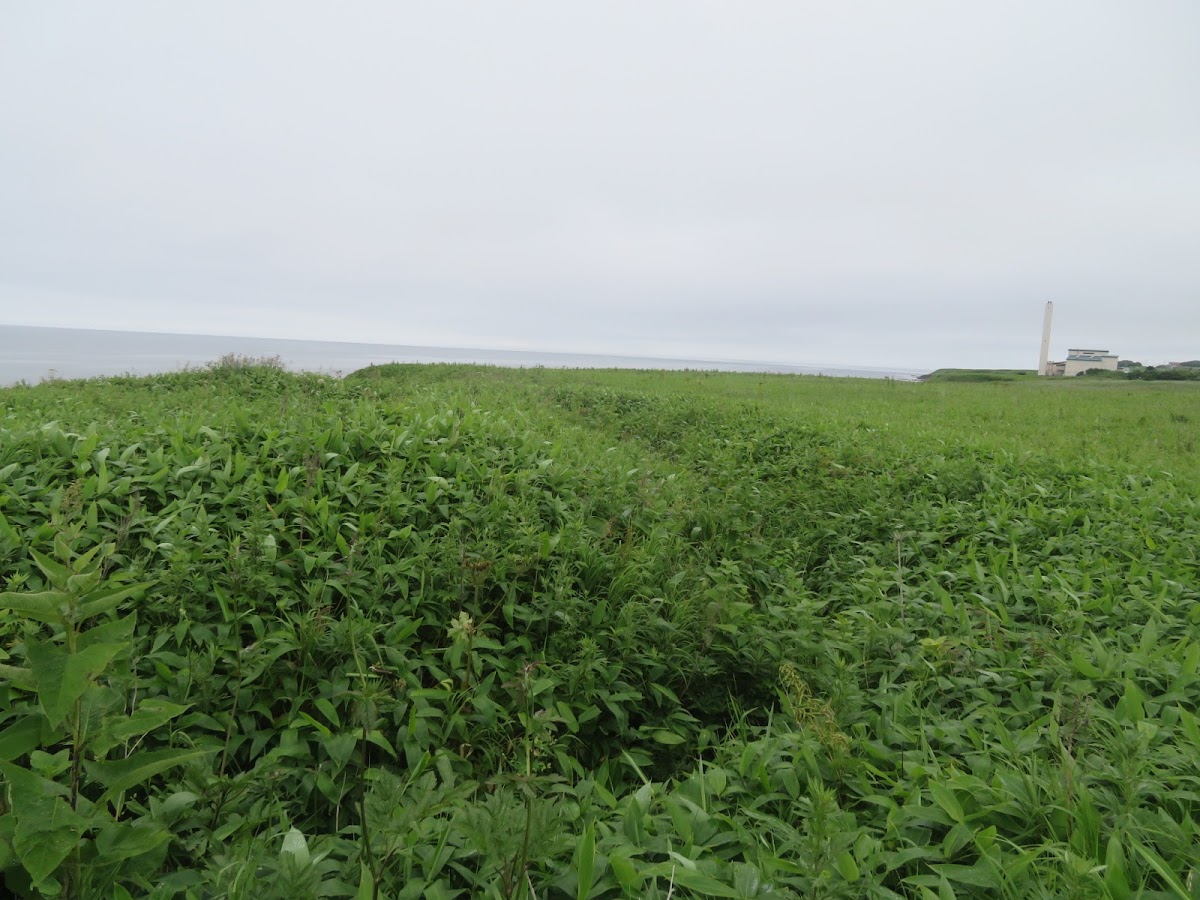
Ruiopirachashi is known for its defensive structure that skillfully utilizes the terrain. Many Chashi were built on coastal cliffs or high ground facing rivers, with the natural terrain serving as a defensive wall.
The following features have been identified from the ruins:
- Remains of earthworks and moats: Defensive structures to prevent enemy intrusion
- Remains of watchtowers: High places for monitoring the surroundings
- Remains of living spaces: Evidence of daily life being conducted
- Artifacts related to rituals: Possibility of religious ceremonies being performed
Cultural Value of Ruiopirachashi
Connection to World Heritage Sites
Hokkaido is home to the “Jomon Prehistoric Sites in Hokkaido and Northern Tohoku,” which were registered as a World Cultural Heritage site in 2021. Ainu cultural heritage sites also possess similarly high historical value. Chashi sites are indispensable archaeological materials for understanding the social structure and lifestyle of the Ainu people.
In particular, the chashi (fortified settlements) in Hokkaido, including Ruiopirachashi, are considered important for the following reasons:
- Proof of Architectural Technology: Advanced construction techniques using wood and earth
- Unraveling Social Organization: The existence of a community centered around the chashi
- Evidence of Trade Networks: Traces of exchange with Honshu and the continent
- Cultural Continuity: Historical continuity leading to modern Ainu culture
Deepening Understanding of Ainu Culture
Visiting Ruiopirachashi is not merely about viewing ruins, but also an opportunity to experience the Ainu worldview and values. The Ainu people believed that “kamuy” (gods) resided in everything in the natural world, and they valued harmony with nature.
This view of nature is reflected in the selection of chashi locations. Many chashi were built in places suitable for fishing and hunting, or at key points on trade routes, demonstrating wisdom in making the most of the natural environment.
How to Access Rui’opira Chashi
Location and Basic Information
When planning a visit to Rui’opira Chashi, it is important to check the exact location and visiting conditions in advance. Many chashi sites may have restricted access for preservation purposes.
Common Access Methods:
- Car: The most convenient mode of access. Use car navigation or smartphone map apps.
- Public Transportation: Walk from the nearest bus stop or train station, or take a taxi.
- Sightseeing Tours: Use guided tours specializing in Ainu culture.
Points to Note When Visiting
When visiting Ruiopirachashi, please note the following:
- Protection of Cultural Property: Do not damage the ruins or take any artifacts.
- Respect for Private Property: Some chashi are located on private property; do not enter without permission.
- Conservation of the Natural Environment: Always take your trash with you and do not disturb the vegetation.
- Preparation for Weather: Hokkaido’s weather is unpredictable; prepare appropriate clothing and equipment.
- Bear Precautions: There is a possibility of encountering brown bears in Hokkaido; take precautions such as using a bell.
Nearby Tourist Spots
Ainu Cultural Facilities
Visiting the following Ainu cultural facilities in conjunction with your visit to Ruiopirachashi will provide a deeper understanding:
Upopoy (National Ainu Museum and Park)
A cultural complex centered around the National Ainu Museum in Shiraoi Town. It is a state-of-the-art facility where you can comprehensively learn about Ainu history, culture, and art. A variety of content is available, including demonstrations of traditional songs and dances, exhibitions of crafts, and hands-on programs.
Ainu Cultural Exchange Center (Sapporo)
A facility in Sapporo where you can experience Ainu culture. Ainu language courses and workshops on traditional crafts are also held.
Natural Scenic Spots
Around Ruiopirachashi lies a rich natural environment that has served as the Ainu people’s living space:
- Coastline Scenery: The cliffs along the coast where the chashi (fortified settlement) was built offer spectacular views.
- Rivers and Forests: Rivers where salmon migrate upstream and forests that served as hunting grounds.
- Wildlife Observation: Animals endemic to Hokkaido, such as Ezo deer and red foxes.
Learning Ainu Wisdom at Ruiopirachashi
Architectural Techniques and Defensive Strategies
The Ainu people demonstrated advanced architectural techniques with limited tools and materials. The structure of Ruiopirachashi reveals the following ingenious features:
Utilization of Topography: They utilized natural cliffs and steep slopes as defensive walls, minimizing the use of artificial structures. This allowed them to build effective defensive facilities with minimal effort.
Use of Wood: They utilized Hokkaido’s abundant forest resources to construct fences and buildings. Wood has the advantage of being easy to process and repair.
Multifunctional
Chashi served not only as military facilities but also as living spaces, warehouses, and places of worship. This multifunctionality demonstrates the efficient resource utilization of Ainu society.
Coexistence with Nature
The location and structure of Ruiopirachashi reflect the Ainu people’s view of nature. They chose to live as part of nature rather than conquer it.
Sustainable Living
The Ainu people emphasized sustainability in hunting and fishing. For example, in salmon fishing, they had the wisdom to avoid overfishing, thus protecting resources for the following year.
Respect for Kamuy
The belief that gods (Kamuy) reside in everything in the natural world led to the practice of environmental protection. This worldview is highly insightful for considering modern environmental issues.
Preservation and Future of Ruiopirachashi
Cultural Heritage Protection Efforts
Hokkaido is focusing on the preservation of Ainu cultural heritage, including Chashi ruins. Specific initiatives include:
- Continuation of academic research: Archaeological excavations and preservation of records
- Environmental improvement: Creating an environment where visitors can safely visit
- Information dissemination: Installation of explanatory signs and creation of guidebooks
- Collaboration with local residents: Conservation activities by the local community
Passing on to the next generation
Passing on cultural heritage like Ruiopirachashi to future generations is the responsibility of all of us. What is needed for this:
Enhancing educational programs
Increasing opportunities to learn about Ainu culture in school education and lifelong learning settings is important. Experiential learning through actual visits to Chashi sites is particularly effective.
Building a digital archive
Efforts are underway to record and preserve Chashi sites as digital data using technologies such as 3D scanning and drone photography. This will allow detailed records to be left for future generations even as physical deterioration progresses.
Balancing tourism and preservation
The challenge is to balance the use of the site as a tourism resource with the protection of cultural properties. A system is needed to protect the site while providing opportunities for many people to experience Ainu culture under appropriate management.
The Significance of Visiting Ruiopirachashi
Visiting Ruiopirachashi has meaning beyond mere tourism. It is also about paying respect to the history and culture of the indigenous people who have long lived on the Japanese archipelago, and demonstrating an attitude of respecting diversity.
A Step Towards a Multicultural Society
Modern Japan is transforming into a society where people with diverse cultural backgrounds live together. Learning about Ainu culture leads to the development of the ability to understand and respect different cultures and values.
Sites like Ruiopirachashi remind us that the nation of “Japan” is not composed of a single culture. A correct understanding of the history and culture of the Ainu people is the foundation for building a more inclusive and just society.
Re-evaluating History
For a long time, the history of the Ainu people was not sufficiently told. However, in recent years, the value of Ainu culture has been re-evaluated, and movements toward its preservation and transmission have become more active.
In 2019, the “Act on the Promotion of Measures to Realize a Society Where the Pride of the Ainu People is Respected” (Ainu Policy Promotion Act) was enacted, clearly establishing the promotion and dissemination of Ainu culture as a national responsibility.
Visiting Ruiopirachashi and learning about its history is also a way of participating in this social change.
Summary: What We Can Learn from Ruiopirachashi
Ruiopirachashi is the memory of the Ainu people etched into the land of Hokkaido. From this site, we can learn many things:
- Technology and Wisdom: The technology to build effective structures with limited resources
- Harmony with Nature: A sustainable lifestyle in harmony with the environment
- Cultural Diversity: The history of cultural diversity in the Japanese archipelago
- Importance of Inheritance: The responsibility to pass on cultural heritage to future generations
When visiting Ruiopirachashi, don’t just look at the ruins; feel the depth of the history and culture embedded within. The rich culture built by the Ainu people contains much wisdom that we, living in the modern age, can learn from. If you have the opportunity to visit Hokkaido, I highly recommend visiting Ainu cultural heritage sites, including Ruiopirachashi. The experience will deepen your understanding of Japanese history and culture and broaden your perspective.
The preservation and transmission of Ainu culture is a challenge that we all must address. By protecting precious cultural heritage sites like Ruiopirachashi and passing them on to future generations, we can build a richer and more diverse society.