Nambata Castle (Saitama Prefecture) Complete Guide | Thorough Explanation of History, Highlights, and Access
What is Nambata Castle?
Nambata Castle is the site of a medieval flatland castle located in Minamihata, Fujimi City, Saitama Prefecture. Designated as a Saitama Prefecture historical site in 1961, it is now maintained as “Nambata Castle Park.” Built in a corner of the Arakawa lowlands, this castle is a full-fledged fortress estimated to be over 5 hectares in size, and was one of the important bases in Musashi Province during the Sengoku period.
The park covers approximately 17,000 square meters and is divided into the “Castle Ruins Zone” on the east side and the “Old House Zone” on the west side, centered around the Nambata Castle Museum. Combining historical value and cultural appeal, it is a representative tourist spot in Fujimi City.
History of Nambata Castle
Establishment in the Kamakura Period
The origins of Nambata Castle date back to the Kamakura period. It is believed that the Nanbata clan originated when Takanori, son of Kaneko Ienori (a member of the Kaneko clan of the Murayama clan), was granted this land, adopted the place name as his surname, and established a residence. The Murayama clan was a powerful samurai group in Musashi Province, and the Kaneko clan was one of the most influential families within it.
The Nanbata clan expanded their power from this base, growing into an important local lord in southern Musashi Province. Initially, the residence was merely a dwelling with defensive features, but it is thought that its functions as a castle were strengthened over time.
The Nanbata Clan in the Sengoku Period
During the Sengoku period (Warring States period), the Nanbata clan served as important retainers of the Ogigayatsu Uesugi clan. The Ogigayatsu Uesugi clan was a powerful branch of the Uesugi clan, comparable to the Yamanouchi Uesugi clan (who held the position of Kanto Kanrei), and exerted influence primarily in Musashi Province. As vassals of the Ogigayatsu Uesugi clan, the Nanbata clan played a military and political role in Musashi Province. During this period, Nambata Castle had developed from a mere residence into a full-fledged fortress functioning as a strategic base. It is presumed that defensive structures such as baileys, moats, and earthworks were constructed, establishing its form as a flatland castle.
The Battle of Kawagoe and a Turning Point for Nambata Castle
In 1546 (Tenbun 15), the Battle of Kawagoe, a battle that dramatically altered the fate of Musashi Province, took place. This was a large-scale battle fought between the combined forces of the Ogigayatsu Uesugi, Yamanouchi Uesugi, and Koga Kubo forces and the Odawara Hojo clan.
Nambata Norishige, the head of the Nambata clan, participated in this Battle of Kawagoe but was killed in action. This defeat dealt a devastating blow to the Ogigayatsu Uesugi clan, and marked a major turning point for the Nambata clan.
Renovations under Hojo Clan Rule
After the Battle of Kawagoe, Nambata Castle came under the control of the Hojo clan. The Hojo appointed Ueda Suo-no-kami as the castle lord and carried out renovations. It is believed that these renovations transformed Nambata Castle into a more formidable fortress.
The renovations by Ueda Suo-no-kami included expanding the moats, strengthening the earthworks, and rearranging the baileys, resulting in a flatland castle that reflected the Hojo clan’s castle-building techniques. For the Hojo clan, Nambata Castle was one of their important bases for controlling southern Musashi Province.
Toyotomi Hideyoshi’s Siege of Odawara and Abandonment
In 1590, Toyotomi Hideyoshi launched the Siege of Odawara. This battle led to the downfall of the Hojo clan, and the Kanto region came under the control of Tokugawa Ieyasu. Nambata Castle was abandoned during this period and lost its function as a castle.
After the castle was abandoned, the site of Nambata Castle was converted into farmland, and the castle’s remains gradually disappeared. However, parts of the earthworks and moats remained as part of the topography, becoming valuable traces that conveyed the existence of the castle to future generations.
Overview of Nambata Castle Park Facilities
Overall Park Structure
The current Nambata Castle Park is a historical park, providing visitors with a place to experience a medieval castle and the rural landscape of the Edo period. The park covers an area of approximately 17,000 square meters and stretches long and narrow from east to west, with the Nambata Castle Museum located in the center.
The park is divided into three main areas:
- Nambata Castle Museum: A core facility serving as both an exhibition space and an administration building.
- Castle Ruins Zone: An area recreating the appearance of Nambata Castle during the Sengoku period.
- Traditional House Zone: An area recreating rural landscapes from the Edo to Meiji periods.
This configuration allows visitors to experience both medieval castle culture and early modern rural culture within a single park.
Nambata Castle Museum
The Nambata Castle Museum is an exhibition facility located in the center of the park. Inside, exhibits include materials related to the history of Nambata Castle and the Nambata clan, as well as artifacts unearthed during archaeological excavations. The permanent exhibition provides detailed explanations of the castle’s transformation, the situation in Musashi Province during the Sengoku period, and the relationship between the Nambata clan and the Ogigayatsu Uesugi clan.
The museum also regularly holds special exhibitions, allowing visitors to enjoy displays that delve into themes related to the history and culture of Fujimi City. The museum also sells castle stamps, which are a popular souvenir for castle enthusiasts.
The museum staff are friendly and provide detailed explanations about the history of Nambata Castle and Fujimi City. You can gain a deeper understanding not only by viewing the exhibits but also by engaging in conversation with the staff.
Castle Ruins Zone
The Castle Ruins Zone is located on the east side of the park and is an area that recreates the appearance of Nambata Castle during the Sengoku period. In this zone, basic defensive structures of the castle, such as baileys, moats, and earthworks, are reproduced, allowing you to see and understand the structure of a medieval flatland castle.
Baileys are the central sections of the castle, with multiple baileys arranged around the main bailey (honmaru). The restored baileys allow you to experience their size and layout as they were at the time.
Moats are defensive structures surrounding the castle, playing a crucial role in preventing enemy intrusion. It is evident that the castle utilized the topography of the Arakawa lowlands, drawing in abundant water to create the moats. The restored moat faithfully recreates its appearance at the time, and the reflections of the earthworks and trees on the water’s surface create a beautiful landscape.
Earthworks are defensive walls built by piling up earth, and were constructed around the baileys. The restored earthworks reach several meters in height, and visitors can actually walk on top of them. From the top of the earthworks, you can overlook the entire park and gain a three-dimensional understanding of the castle’s defensive system.
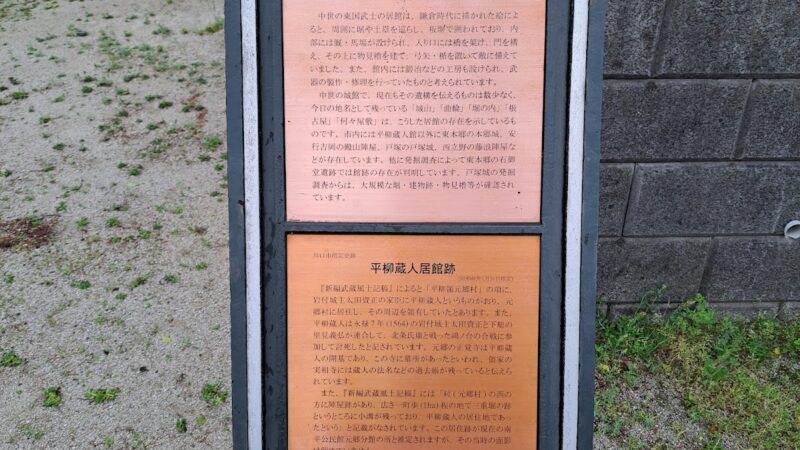
Information boards are placed throughout the castle ruins zone, providing detailed explanations of the role and historical background of each facility. Walking paths are also maintained, allowing visitors to leisurely stroll and enjoy the atmosphere of a Sengoku period castle.
Old House Zone
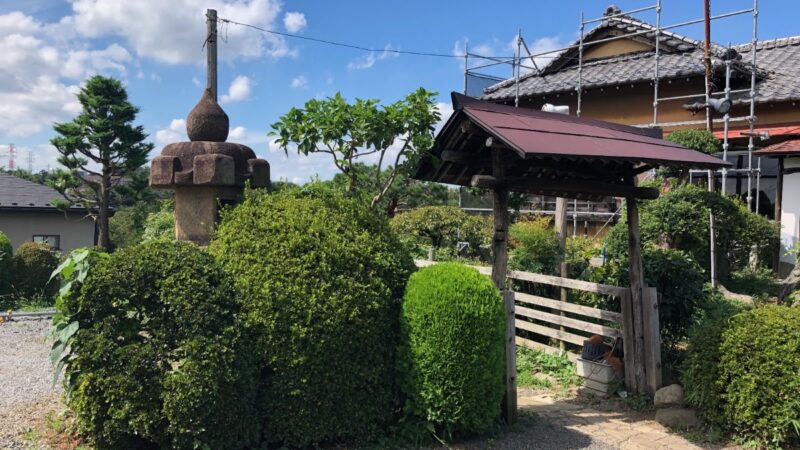
The Old House Zone is located on the west side of the park and is an area where old houses that were originally built in Fujimi City have been relocated and restored. This zone recreates a rural landscape from the Edo period to the Meiji period, allowing visitors to experience the lives of people from that time.
Two old farmhouses, the Former Osawa Residence and the Former Kaneko Residence, have been relocated and restored, and both are designated as city cultural properties. These old farmhouses are typical farm buildings, with their thatched roofs, earthen floors, and hearths preserved as they were in their original state.
The interiors of the old farmhouses are open to the public and can be freely explored. Farming tools are displayed in the earthen floor, and everyday household items from that era are arranged in the tatami rooms. A fire is occasionally lit in the hearth, and the rising smoke gives the feeling of having traveled back in time.
A Nagaya-mon (long gatehouse) has also been relocated and restored, allowing visitors to see the dignified gatehouse that belonged to a wealthy farming family during the Edo period. The Nagaya-mon was not just a gate; it had rooms on both sides and was used as living quarters for servants and as a storage area.
The old farmhouse zone also features fields and gardens, where visitors can enjoy different crops and flowers depending on the season. In spring, rape blossoms bloom; in summer, sunflowers; and in autumn, rice stalks sway in the wind—scenery that can be described as quintessential Japanese landscapes.
Highlights of Nambata Castle Park
Restored Moat and Earthworks
The greatest highlight of Nambata Castle Park is the meticulously restored moat and earthworks. These structures, faithfully reproduced based on the results of archaeological excavations, concretely demonstrate the defensive system of a medieval flatland castle.
The moat is approximately 10 meters wide and 2 meters deep, encircling the castle. The water’s surface reflects the scenery of each season, displaying different appearances in spring (cherry blossoms), summer (greenery), autumn (autumn leaves), and winter (snowscapes).
The earthworks are approximately 3-4 meters high, surrounding the baileys. A walking path has been developed along the top of the earthworks, allowing visitors to understand the castle’s structure while strolling. The view of the moat from the earthworks is a popular photo spot for visitors.
Nature Through the Seasons
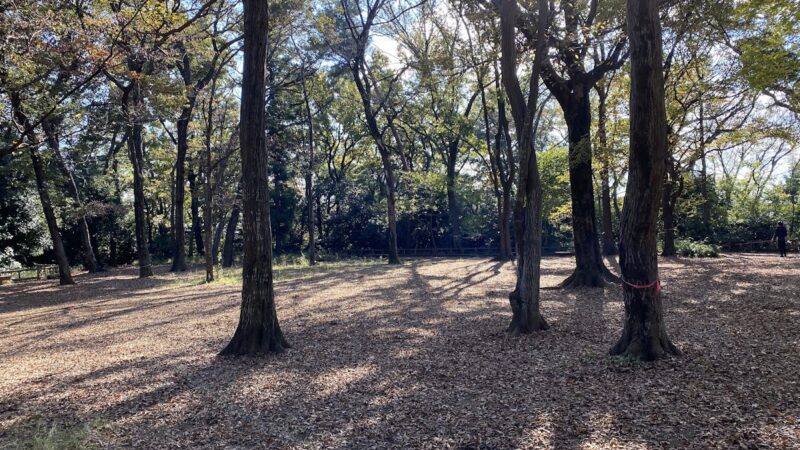
Nambata Castle Park is both a historical site and a park where you can enjoy abundant nature. Various trees and flowers are planted within the park, allowing you to enjoy beautiful scenery throughout the seasons.
Spring: Cherry blossoms bloom in profusion, and the area around the moat is bustling with cherry blossom viewers. Approximately 50 cherry trees, mainly Somei Yoshino, are planted, creating a magnificent spectacle when in full bloom.
Summer: The greenery deepens, and you can enjoy the cool scenery of the moat amidst the sound of cicadas. Summer vegetables grow in the fields of the old farmhouse zone, allowing you to experience a traditional rural summer.
Autumn: The autumn foliage is beautiful, especially the maple and zelkova trees. You can also see the rice harvest in the old farmhouse zone, enjoying the quintessential Japanese autumn landscape.
Winter: The snow-covered castle ruins and old farmhouses create a magical atmosphere. Winter, with its fewer crowds, is the perfect season to quietly reflect on history.
Experiential Events and Special Exhibitions
Nambata Castle Park hosts a variety of experiential events and special exhibitions throughout the year. In the old farmhouse zone, agricultural experiences such as rice planting, rice harvesting, and mochi pounding are held, making it particularly popular with families.
The museum regularly holds special exhibitions on the history of Nambata Castle and Fujimi City. These exhibitions showcase the latest findings from archaeological excavations and new discoveries related to local history, making them enjoyable even for repeat visitors.
Traditional cultural experience events are also abundant, allowing visitors to experience Japanese annual events such as calligraphy in New Year’s, Tanabata decorations, and moon-viewing parties in autumn. These events provide valuable opportunities to introduce children to traditional Japanese culture.
Castle Stamp Sales
Castle stamps, popular among castle enthusiasts, are sold at the Nambata Castle Museum. The castle stamp of Nambata Castle is a beautiful design featuring the Nambata clan’s family crest and an illustration of the castle, and many people purchase it as a memento of their visit.
Besides the regular version, seasonal and special editions of the castle stamp are sometimes issued, making them must-have items for collectors. The museum staff can provide detailed information about the castle stamps currently on sale.
Access Information
Access by Train and Bus
Nambata Castle Park can be accessed using public transportation.
From Tsuruse Station on the Tobu Tojo Line:
- Take the Tobu Bus “Mizutani Higashi Loop” or “Urawa Misono Station West Exit” from the East Exit.
- Get off at the “Nambata Castle Park” bus stop and it’s a short walk.
- Travel time: Approximately 10 minutes
From Fujimino Station on the Tobu Tojo Line:
- Take the Tobu Bus “Tsuruse Station West Exit” from the West Exit.
- Get off at the “Nambata Castle Park” bus stop and it’s a short walk.
- Travel time: Approximately 15 minutes
Buses run approximately 2-3 times per hour during the daytime, so we recommend checking the timetable in advance.
Access by Car
Access by car is also convenient. The park has a free parking lot.
From the Kan-Etsu Expressway “Tokorozawa IC”:
- Approximately 20 minutes via National Route 463
From the Outer Ring Expressway “Wako-Kita IC”:
- Approximately 15 minutes via the Prefectural Road
The parking lot has space for approximately 30 cars and is usually not crowded, but it may be full during cherry blossom season or when events are held. In that case, you can use the parking lots of nearby public facilities.
Combining with Nearby Facilities
There are other points of interest around Nambatada Castle Park. Public facilities such as Fujimi City Hall and Fujimi City Library, as well as historical sites such as Mizuko Shell Mound Park, are nearby. Visiting them in combination will allow you to gain a deeper understanding of Fujimi City’s history and culture.
There are also restaurants and cafes nearby, so you can enjoy a meal or a break before or after exploring the park. Some restaurants serve dishes made with local ingredients, so experiencing Fujimi City’s food culture is also recommended.
Opening Hours and Admission Fees
Opening Hours
- Park: Always open (No lighting at night, so daytime visits are recommended)
- Nambata Castle Museum: 9:00 AM – 5:00 PM (Last entry at 4:30 PM)
- Traditional House: 9:00 AM – 5:00 PM
Closed Days
- Mondays (If Monday is a public holiday, closed the following weekday)
- New Year’s Holidays (December 28th – January 4th)
Admission Fees
- Park: Free
- Museum: Free
- Traditional House: Free
All facilities are free to use, making it easy to visit.
The Charm and Value of Nambata Castle
Historical Value
Nambata Castle possesses high historical value as a typical example of a medieval castle in Musashi Province. As the castle of a local lord from the Kamakura period to the Sengoku period, it is an important historical site that tells the story of the region.
Archaeological excavations have revealed the castle’s structure and changes over time, providing a valuable example of how political changes affected castles, such as the differences between the Ogigayatsu Uesugi and Hojo periods.
Educational Value
Nambata Castle Park plays an important role as a place for history education. By visiting the reconstructed castle facilities, visitors can learn concretely about the structure of medieval castles, which is difficult to understand from textbooks alone.
In the old farmhouse zone, children can experience and learn about rural life in the early modern period, providing a valuable learning opportunity. Many schools use it as a field trip site, contributing to local history education.
Cultural Value
Nambata Castle Park has high cultural value because it preserves and utilizes cultural heritage from different eras—castle ruins and old farmhouses—in an integrated manner. This facility, where visitors can experience both medieval samurai culture and early modern rural culture simultaneously, is rare nationwide and serves as an important place for understanding the diversity of Japanese history and culture.
Traditional events and experiential activities held throughout the year play a role in passing on local culture to future generations, and the park also functions as a cultural hub for the community.
Value as a Tourist Resource
Nambata Castle Park is a representative tourist spot in Fujimi City, attracting many visitors from outside the city. It is supported by a wide range of people, including castle enthusiasts, history buffs, and families, and maintains a stable number of visitors throughout the year.
As a facility offering high-quality historical experiences free of charge, it is also highly regarded as a cost-effective tourist destination. There are many reviews and photo posts on social media, and the scenery of the moat and earthworks, in particular, is popular with younger generations as an “Instagrammable” spot.
Points to Note When Visiting
Required Time
If you want to thoroughly explore Nambata Castle Park, it is recommended to allocate 2-3 hours. This amount of time is necessary to view the museum exhibits, stroll through the castle ruins zone and the old farmhouse zone, and enjoy the seasonal scenery.
Even if you’re in a hurry, you should aim to allocate at least one hour. If you efficiently visit only the main points of interest, you can fully enjoy the park in one hour.
Clothing and Items to Bring
While there are paved paths within the park, there are also unpaved areas, such as on top of the earthen ramparts, so we recommend wearing comfortable shoes. Particular caution is needed after rain, as the ground can be slippery.
In summer, the sun is strong, so it’s a good idea to bring a hat, sunscreen, and drinks. While there is plenty of shade in the old farmhouse zone, the castle ruins zone has many open areas, so heatstroke prevention is important.
In winter, it can be windy, so be sure to dress warmly. There is no heating inside the old farmhouses, so warm clothing is necessary for your visit.
Photography
Nambata Castle Park is an ideal place for photography. The park offers an abundance of photographic subjects, from the earthworks and trees reflected in the moat, to the thatched roofs of old houses and seasonal flowers.
Particularly recommended photo spots include:
- The earthworks viewed across the moat (morning sunlight is recommended)
- A panoramic view of the park from atop the earthworks
- The exterior of the old house (thatched roof and surrounding nature)
- The hearth inside the old house (the rising smoke is particularly picturesque)
Photography is permitted inside the museum, but flash photography is prohibited. It’s best to check with staff before photographing exhibits.
Accessibility Information
Nambata Castle Park is also designed with accessibility in mind. The museum has wheelchair ramps, and the interior is barrier-free.
While some of the park’s walking paths are wheelchair accessible, there are also areas with steps, such as on top of the earthworks. If you are planning a visit in a wheelchair, it is recommended to contact the museum in advance to confirm accessible routes.
Multipurpose restrooms are also available, making it a safe and convenient visit for those with young children or the elderly.
How to Enjoy Nambata Castle Park
Historical Walking Course
For those interested in history, we recommend starting with a visit to the museum. First, learn about the history of Nambata Castle and the Nambata clan at the museum, then visit the actual ruins in the castle site zone. Viewing the castle ruins with the knowledge gained from the museum will lead to a deeper understanding.
In the castle site zone, observe the layout of the baileys and the structure of the moats and earthworks, and imagine how a castle from the Sengoku period (Warring States period) functioned. A leisurely stroll while reading the explanatory signs will bring to life the lives and battles of medieval samurai.
Family-Friendly Course
For families, we recommend a course centered around the old farmhouse zone. Children can learn about history while having fun exploring the old farmhouses and seeing old tools.
Family-Friendly Course Visiting on a day when seasonal events are being held allows you to participate in activities such as rice planting, rice harvesting, and mochi pounding, making for a more fulfilling experience. Event information can be found on the Fujimi City website and at the museum.
The park is spacious, making it ideal for a picnic. You can enjoy cherry blossom viewing in the spring and autumn leaf viewing in the fall, spending a day enjoying nature.
Course for Photography Enthusiasts
If your purpose is photography, choosing the right season and time of day is crucial. Nambatada Castle Park, with its different expressions in each season—spring cherry blossoms, summer greenery, autumn leaves, and winter snowscapes—offers new discoveries with every visit.
Early morning visits are also recommended. The moat shrouded in morning mist and the old houses illuminated by the morning sun create a magical atmosphere. Since the park is always open, you can also time your photography to coincide with sunrise.
The thatched roofs of the old houses illuminated by the setting sun in the evening are also beautiful, making it perfect for golden hour photography. However, since there is no lighting at night, it is recommended to leave the park before sunset.
Course for Castle Enthusiasts
For castle enthusiasts, the course that allows you to observe the details is recommended. By closely observing the restored castle facilities, such as the shape of the moat, the structure of the earthworks, and the arrangement of the baileys, you can understand the castle-building techniques of the medieval period.
There are also many explanatory panels showing the results of the archaeological excavations, so if you stroll around while reading them, you can enjoy the castle from an archaeological perspective. The museum also sells excavation reports and related books, so those who want to learn more should consider purchasing them.
If you are collecting castle stamps, don’t forget to purchase them at the museum. If you ask the staff, they may be able to tell you more about the history of Nambata Castle.
Summary
Nambata Castle (Saitama Prefecture) was a flatland castle that served as the residence of the Nambata clan from the Kamakura period to the Sengoku period, and is now maintained as Nambata Castle Park. This is a full-fledged castle site spanning over 5 hectares, built in the Arakawa lowlands, and was designated a Saitama Prefecture historical site in 1961.
The park is divided into two zones: the “Castle Ruins Zone,” which recreates the castle from the Sengoku period, and the “Old House Zone,” which recreates the rural landscape of the Edo period, centered around the Nambata Castle Museum. Castle facilities such as moats, earthworks, and baileys have been meticulously restored, allowing visitors to concretely understand the structure of a medieval flatland castle.
The Nambata clan served as important retainers of the Ogigayatsu Uesugi clan, but after Nambata Norishige was killed in the Battle of Kawagoe, the castle came under the control of the Hojo clan. After renovations by Ueda Suo-no-kami, it was abandoned during Toyotomi Hideyoshi’s siege of Odawara.
Currently, Nambata Castle Park plays a multifaceted role as a place for historical education, a tourist spot, and a regional cultural hub. As a facility offering high-quality historical experiences free of charge, it is supported by a wide range of people, including castle enthusiasts, history lovers, and families.
Easily accessible by bus from Tsuruse Station or Fujimino Station on the Tobu Tojo Line, and also a short drive from the Kan-Etsu Expressway or Gaikan Expressway. Free parking is available.
Nambata Castle Park is packed with attractions to keep visitors entertained, including seasonal nature, year-round experiential events, and the sale of castle stamps. When visiting Fujimi City, be sure to stop by. A valuable historical park awaits you, where you can experience both medieval samurai culture and early modern rural culture simultaneously.