Ogura Castle (Tokigawa Town, Saitama Prefecture) Complete Guide | A Thorough Explanation of the Highlights and History of this National Historic Site
What is Ogura Castle Ruins? | A National Historic Site Representative of the Hiki Castle Ruins Group
Ogura Castle Ruins are a Sengoku period mountain castle located on Shiroyama, Taguro, Tokigawa Town, Hiki District, Saitama Prefecture. Designated a national historic site in 2008, it is known as part of the “Hiki Castle Ruins Group” along with Sugaya Castle Ruins, Sugiyama Castle Ruins, and Matsuyama Castle Ruins.
The most distinctive feature of these castle ruins is the stonework using chlorite schist, which is extremely rare for castles of the Sengoku period in the Kanto region. Stone walls constructed by stacking large quantities of flat green schist, the same type used for stone steles, remain throughout the site, making it a valuable historical site of national interest.
Kokura Castle was located midway between the Kamakura Kaido (Upper Route) and the Yamane-suji (Road leading to Joshu via Hachioji and Hachigata), and the Tsuki River flowing behind it was a key point for river transportation. As a strategically important location controlling both land and water transportation, it played a crucial role in the Kanto region during the Sengoku period.
History of Kokura Castle | Various Theories Regarding the Builder and Lord
Mystery of the Construction Period and Builder
Since no reliable contemporary documents related to the Kokura Castle ruins have been discovered, there are various theories regarding the construction period and builder. Excavations of the main enclosure have yielded artifacts such as blue and white porcelain and Tenmoku tea bowl fragments, and based on these artifacts, the castle ruins are estimated to date to the 16th century.
Legends Regarding the Lord
The Edo period’s “Shinpen Musashi Fudoki-ko” (New Compilation of the Topography of Musashi Province) records the Toyama clan, a senior retainer of the Odawara Hojo clan (Later Hojo clan), who dominated the Kanto region during the Sengoku period, as the castle lord. The theory that Toyama Mitsukage was the lord of the castle is particularly strong.
On the other hand, the *Musashi-shi* (History of Musashi Province) mentions either the Toyama clan or the Ueda clan, lords of Matsuyama Castle. The Ueda clan theory suggests that the Ueda clan, whose base was Matsuyama Castle, built Kokura Castle as a subsidiary castle.
History of the Castle’s Abandonment
It is believed that Kokura Castle was abandoned during the Azuchi-Momoyama period, following Toyotomi Hideyoshi’s siege of Odawara in 1590 (Tensho 18). It met the same fate as many castles in the Kanto region that were under the influence of the Hojo clan.
Location of Kokura Castle | A Mountain Castle Utilizing Natural Fortifications
Geographical Characteristics
Kokura Castle is located at the boundary between the mountainous region of Outer Chichibu and the Kanto Plain. It was built as a natural fortress, skillfully incorporating the meandering Tsuki River and the natural topography of the mountainous area.
The castle’s north and west sides are bordered by the Tsuki River, which forms a deep valley, while the south and east sides are protected by steep mountains. This topographical advantage made it a strong fortress capable of defense even with a small force.
Importance as a Transportation Hub
Kokura Castle’s location was important not only as a defensive base but also as a transportation hub. It was situated midway between two major roads, the Kamakura Kaido (Upper Road) and the Yamane-suji (Yamane Road), and also controlled river traffic on the Tsuki River.
This location was extremely advantageous for monitoring and controlling the flow of goods and military movements, making it a strategically valuable castle for feudal lords during the Sengoku period.
Kokura Castle’s Layout | A Clever Parallel Enclosure Structure
Basic Structure
Kokura Castle’s layout employs a “parallel enclosure” system, arranging Enclosure 1 (equivalent to the main enclosure) and Enclosure 2 (equivalent to the second enclosure) side-by-side. This arrangement demonstrates a design philosophy that treats the two main enclosures as equally important. ### Arrangement and Function of Each Enclosure
Enclosure 1 is separated from the southeast by a moat, and Enclosure 2 from the southwest by a moat, with Enclosures 3 and 4 located there. Furthermore, from Enclosure 5 to Enclosure 11, the enclosures are skillfully arranged according to the terrain, creating a multi-layered defensive system.
Each enclosure is positioned utilizing the difference in elevation, allowing for overlooking lower enclosures from higher ones. This design ensures that the defenders can always defend from higher ground against attackers.
Moats and Earthworks
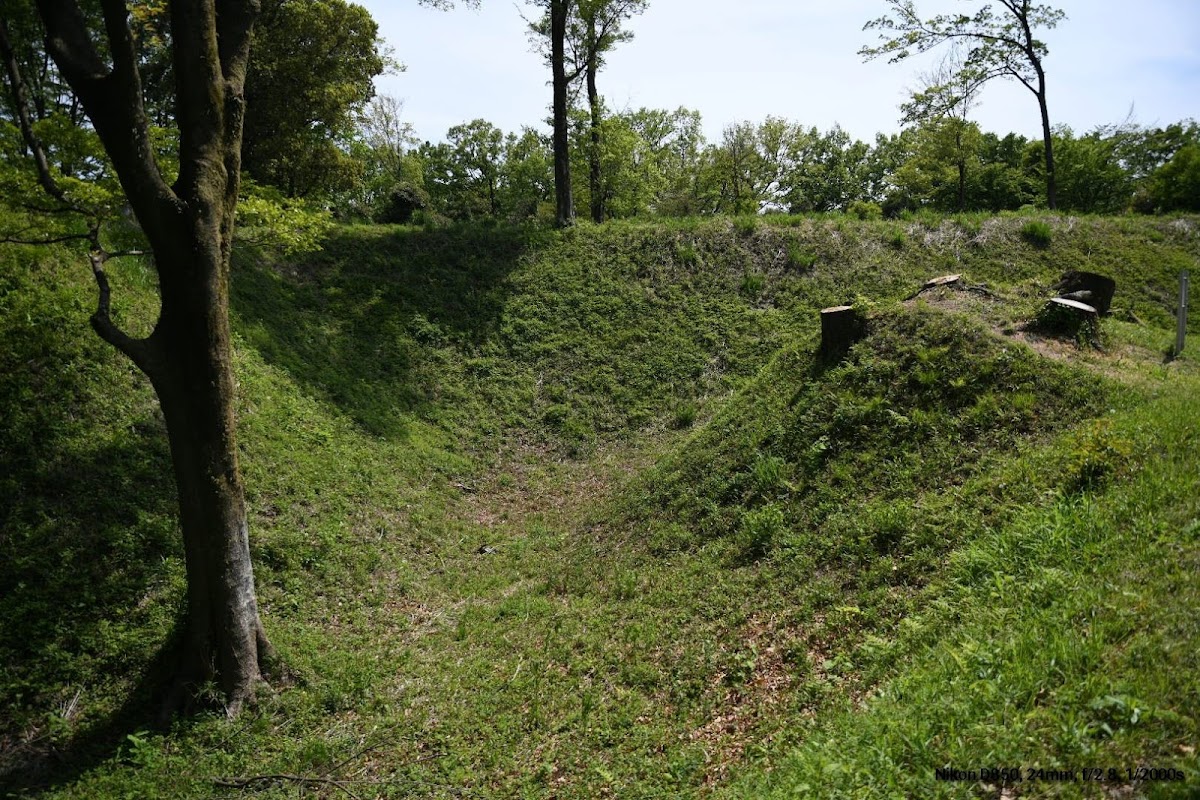
Moats are provided between the enclosures, serving to prevent enemy intrusion. Earthworks are also built around each enclosure, enhancing defensive capabilities. These remains are still well-preserved today.
The Most Unique Feature of Kokura Castle | Nationwide Rare Stone Masonry Remains
Stone Masonry Using Chlorite Schist
The most unique feature of this historical site is its nationwide rare stone masonry remains. While examples of stone walls are rare in castles from the Sengoku period in the Kanto region, Kokura Castle features numerous examples of stonework using chlorite schist.
Chlorite schist is a flat, green stone used as a material for stone tablets (itabi). This indicates that the castle utilized locally sourced stone and developed unique stonework techniques.
The Reality of the Stonework Revealed by Archaeological Excavations
Excavations conducted from 1999 to 2006 first confirmed stonework surrounding enclosure 3 in a U-shape. Subsequent investigations uncovered stonework in enclosures 1, 2, and 4, revealing extensive use of stonework throughout the castle.
Tiered Set-Back Stonework
Particularly noteworthy is the tiered set-back stonework structure. By stacking the stones in a stepped, recessed manner, stability is enhanced, while also creating a visually imposing structure.
This technique demonstrates the high level of stonework technology at the time and indicates that the builders of Kokura Castle possessed considerable technical skill and financial resources.
Highlights of Kokura Castle Ruins | Remains Visible on-site
Main Enclosure (Enclosure 1)
Enclosure 1, corresponding to the main keep, is the central space of the castle. Excavations have unearthed ceramic fragments, including blue and white porcelain and Tenmoku ware, confirming traces of the castle lord and his retainers’ lives. The flat, well-preserved shape of the enclosure remains.
Enclosure 2 (Second Enclosure)
Enclosure 2, parallel to Enclosure 1, is thought to have functioned as the second enclosure. It is roughly the same size as Enclosure 1 and may have housed important facilities.
Stonework Remains
The stonework remains, visible throughout the castle grounds, are the main highlight of a visit to Kokura Castle Ruins. The stacked green schist creates a unique landscape not seen in other castles in the Kanto region.
The stonework around Enclosure 3, in particular, is remarkably well-preserved, allowing for close observation of the stonework techniques of the time.
Moats
The moats separating the enclosures are also important historical remains. These deeply excavated moats functioned as strong defensive structures to prevent enemy intrusion. They remain clearly visible as part of the terrain today.
Earthworks
The earthworks surrounding each enclosure also retain much of their original form. Walking along the earthworks allows you to experience the castle’s defensive system firsthand.
How to Enjoy Kokura Castle Ruins | Sightseeing and Visiting Points
Enjoying it as a Mountain Castle Hiking Trip
Since Kokura Castle Ruins is a mountain castle, it can be enjoyed as a hiking trip. The moderate incline and the opportunity to explore history while experiencing nature are its main attractions.
While the climbing path is well-maintained, it is a mountain trail, so comfortable shoes and clothing are recommended. A thorough visit takes approximately 1 to 2 hours.
Learning While Visiting with Information Boards
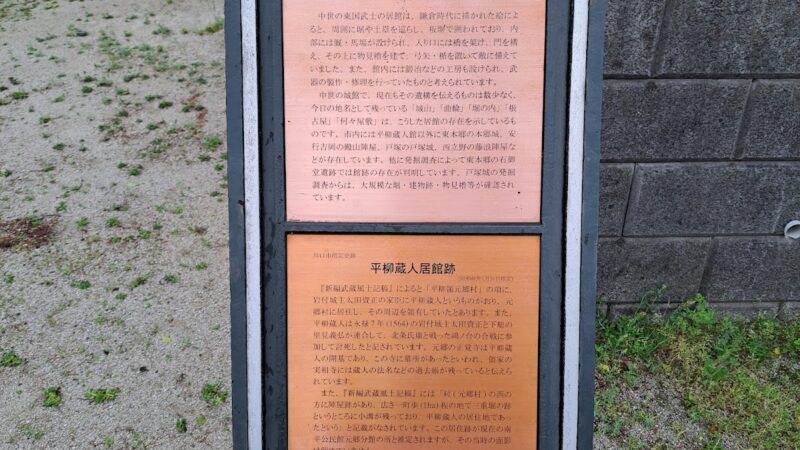
Information boards explaining the history and structure of Kokura Castle are installed within the castle grounds. These boards allow visitors to learn in detail about the castle’s history and structure. Plans and bird’s-eye views are also displayed, enabling visitors to understand the overall structure of the castle while exploring.
Touring the Hiki Castle Ruins
Kokura Castle is one of the Hiki Castle Ruins. Visiting it along with Sugaya Castle Ruins, Sugiyama Castle Ruins, and Matsuyama Castle Ruins will provide a deeper understanding of the characteristics of medieval castles in the Hiki region.
Each castle has different characteristics, and comparing them while visiting will allow you to appreciate the diversity of castle architecture during the Sengoku period.
Collecting Castle Stamps
In Tokigawa Town, castle stamps for Kokura Castle are sold. For castle enthusiasts and castle stamp collectors, these are valuable items to commemorate your visit. Collecting castle stamps from all four castles in the Hiki Castle Ruins is another enjoyable activity.
Participating in a Guided Tour
The Tokigawa Town Tourism Association sometimes holds guided tours, including experiential events navigated by Mutsumi, the “Mountain Castle Girl.” Participating in these events, which involve a deep exploration of Kokura Castle over three hours, allows you to gain a deeper understanding of the castle’s charm.
Access Information | How to Get to Kokura Castle Ruins
Access by Public Transportation
By Train and Bus
From Musashi-Arashiyama Station (West Exit) on the Tobu Tojo Line, take the Tokigawa Town bus “bound for Seseragi Bus Center via Juodo-mae (Route 02)” and get off at the “Taguro” bus stop. From there, it’s about a 20-minute walk (approximately 1.4 km).
Since bus services are limited, it is recommended to check the timetable in advance.
Access by Car
From the Kan-Etsu Expressway
It’s about 15 minutes from the Arashiyama-Ogawa Interchange on the Kan-Etsu Expressway. From the Arashiyama Valley entrance intersection on National Route 254, proceed approximately 2.5 km towards Tokigawa Town.
Parking
There is free parking near Daifuku-ji Temple. From here, you can access the castle ruins on foot. Parking space is limited, so caution is advised during busy times.
Address and Basic Information
- Location: Shiroyama, Taguro, Tokigawa-machi, Hiki-gun, Saitama Prefecture
- Admission Fee: Free
- Visiting Hours: No specific restrictions (however, visiting during daylight hours is recommended)
- Inquiries: Tokigawa Town Board of Education
Nearby Tourist Spots | Attractions of Tokigawa Town
Daifuku-ji Temple
This temple is located near the entrance to the Kokura Castle ruins. Parking is also available here. It is a quiet temple nestled in the mountains, suitable for visiting in conjunction with a visit to Kokura Castle.
Seseragi Bus Center
One of Tokigawa Town’s tourist hubs. You can obtain local specialties and tourist information here.
Tsukigawa Valley
The Tsukigawa River, flowing north of Kokura Castle, boasts a beautiful valley landscape. The scenery is particularly stunning during the autumn foliage season.
Other Hiki Castle Sites
- Sugiyama Castle Site: A mountain castle often described as “the finest example of Sengoku period castle architecture.”
- Sugaya Castle Site: A flatland castle known as the residence of Hatakeyama Shigetada.
- Matsuyama Castle Site: One of the key castles in the Hiki region.
These castle sites are also designated as national historic sites and are highly recommended for anyone interested in medieval castles.
Preservation and Utilization of Kokura Castle Site | Cultural Property Value
Protection as a National Historic Site
Kokura Castle Site was designated a national historic site in 2008 and is appropriately protected as a cultural property. Tokigawa Town has formulated a preservation and management plan for the historic site, aiming to balance the protection and utilization of the remains.
Results of the Archaeological Excavation
The archaeological excavation conducted from 1999 to 2006 revealed the detailed structure of the stone masonry remains and the layout of the castle. These findings provide valuable insights into the study of castles in the Kanto region during the Sengoku period.
Future Utilization Plans
Tokigawa Town is working to utilize the Ogura Castle ruins as a valuable local historical resource by improving the viewing environment and strengthening information dissemination. Efforts are being made to create a safe and comfortable environment for visitors, including the installation of explanatory signs and the improvement of the access roads.
Important Points to Note When Visiting Kokura Castle Ruins
Clothing and Equipment
Since Kokura Castle Ruins is a mountain castle, the following equipment is recommended:
- Footwear: Comfortable athletic shoes or trekking shoes
- Clothing: Comfortable clothing, long-sleeved shirt and long pants (to prevent insect bites)
- Items to Bring: Drinking water, towel, insect repellent spray
- Seasonal Attire: Hat and sunscreen in summer, warm clothing in winter
Safety Precautions
- Be careful as the ground can be slippery during and after rain.
- There are some steep slopes, so please walk carefully.
- Visiting in a group is recommended over visiting alone.
- Checking your cell phone signal strength beforehand is recommended.
Visitor Etiquette
- As this is a nationally designated historical site, please do not damage or take any remains.
- Please take all your trash with you.
- Collecting plants is prohibited.
- The use of fire is strictly prohibited.
Research on Kokura Castle and Future Challenges
Clarifying the Castle Lord Problem
There are two theories regarding the lord of Kokura Castle: one involving the Toyama clan and the other the Ueda clan. Due to the lack of definitive historical evidence, the debate continues. Further discoveries of new historical materials and comparative studies with surrounding castles may shed light on the lord problem.
Research on Stone Masonry Techniques
The stone masonry remains of Kokura Castle are an important example for considering the development of stone wall technology in castles during the Sengoku period in the Kanto region. Further research is needed, including technical analysis of the stone’s origin and construction methods, and comparative studies with stone walls in other regions.
Relationship with Surrounding Archaeological Sites
The relationship between Kokura Castle and surrounding castles and roads is also a subject for future research. A more detailed understanding of Kokura Castle’s role within the medieval castle network of the entire Hiki region is awaited.
Summary | The Charm and Significance of Visiting Ogura Castle Ruins
Ogura Castle Ruins is a nationally designated historical site proudly located in Tokigawa Town, Hiki District, Saitama Prefecture, and is a valuable historical site for understanding the Sengoku period in the Kanto region. It boasts many points of interest, including its unusual stonework using chlorite schist, its skillful layout that utilizes the natural terrain, and its strategic location as a transportation hub.
As part of the Hiki Castle Ruins group, visiting Ogura Castle Ruins together with Sugiyama Castle Ruins, Sugaya Castle Ruins, and Matsuyama Castle Ruins allows you to experience the evolution of castles from the medieval period to the Sengoku period.
Ogura Castle Ruins, where you can enjoy nature and learn about history as part of a mountain castle hike, is a recommended spot not only for castle enthusiasts but also for those interested in history and those who enjoy nature walks. When you visit Tokigawa Town, be sure to visit this valuable historical site.
The Tokigawa Town Tourism Association provides detailed tourist information and guided tour information regarding Ogura Castle Ruins. Furthermore, the Tokigawa Town official YouTube channel also features videos such as “TOKIGAWA Sky Hiking: Kokura Castle Ruins,” which can be used for preparation before your visit.
Kokura Castle Ruins is an important historical site indispensable for understanding the Kanto region during the Sengoku period. By visiting the site and seeing the stone structures and layout firsthand, you can get a real feel for the technical skills and strategic thinking of the people of that time.