Complete Guide to Nakamura Gosho (Kochi Prefecture): History, Highlights, and Access Information
Located in Shimanto City (formerly Nakamura City), Kochi Prefecture, Nakamura Gosho is a historical site known as the remains of a residence built by the Tosa Ichijo clan during the Sengoku period. As a valuable historical site that conveys the footsteps of the Ichijo clan, who brought Kyoto’s aristocratic culture to Tosa, it attracts attention from history enthusiasts and tourists alike.
This article provides a detailed explanation of everything you need to know before visiting Nakamura Gosho, from its historical background to its current appearance, highlights, and access methods.
What is Nakamura Gosho?: The Remains of the Tosa Ichijo Clan’s Residence
Nakamura Gosho is the site of the residence of the Tosa Ichijo clan, who ruled Hata District in Tosa Province (present-day Nakamura area, Shimanto City, Kochi Prefecture) from the late Muromachi period to the Sengoku period. As a branch family of the Ichijo family, a Kyoto-based regency family, the Ichijo clan moved to this area and brought Kyoto’s aristocratic culture to the southwestern tip of Shikoku. The name “Gosho” (御所) indicates the high status of the Ichijo clan, a noble family, and reflects the fact that this region was a cultural center at the time, even being called “Little Kyoto of Tosa.”
Location and Size of Nakamura Gosho
Nakamura Gosho was built on a plain along the Nakasuji River, a tributary of the Shimanto River. It was a relatively large residence for the medieval period, and it is believed to have had defensive features, such as moats and earthen ramparts surrounding it.
It is located in the center of the current Nakamura district of Shimanto City, and the area around Ichijo Shrine is believed to have been the former center of the Gosho. Traces of the city planning from that time can still be seen in the current street layout.
History of the Tosa Ichijo Clan: From Kyoto to Tosa
To understand the history of Nakamura Gosho, it is important to know the origins of the Tosa Ichijo clan.
Ichijo Norifusa’s Descent to Tosa
The founder of the Tosa Ichijo clan was Ichijo Norifusa. It is believed that Norifusa moved to Hata District in Tosa Province around 1471 to escape the chaos in Kyoto caused by the Ōnin War (1467-1477).
Norifusa was born the second son of Ichijō Kaneyoshi, who served as regent, and was of noble lineage, belonging to the Sekkan family. It is thought that his move to Tosa was not only to escape the turmoil of war, but also for economic reasons, such as stabilizing the management of his estates.
Reasons for Choosing Nakamura
There were several reasons why Ichijo Norifusa chose Nakamura:
- Existence of a Manor: The Ichijo family owned a manor called Nakamura-sho in Hata-gun, providing an economic base.
- Geographical Factors: Convenient water transport via the Shimanto River system and relatively flat land.
- Political Distance: Being far from Kyoto made it less susceptible to being caught up in wars.
- Relationship with Local Powers: A cooperative relationship could be established with local lords.
Prosperity of the Tosa Ichijo Clan
After Ichijo Norifusa, the Tosa Ichijo clan ruled this area for four generations:
- First Generation: Ichijo Norifusa (Arrived around 1471)
- Second Generation: Ichijo Fusaie
- Third Generation: Ichijo Fusafuyu
- Fourth Generation: Ichijo Kanesada
Especially during the reigns of the second generation Fusaie and the third generation Fusafuyu, Nakamura flourished culturally as “Tosa’s Little Kyoto.” Many court nobles and cultural figures visited from Kyoto, and waka and renga poetry gatherings were held, allowing Kyoto’s elegant culture to take root in this area.
The Decline and Downfall of the Ichijo Clan
During the time of the 4th Ichijo Kanesada, the Ichijo clan’s position gradually weakened due to the expansion of the power of Chosokabe Motochika, a Sengoku daimyo of Tosa Province.
In 1575, Kanesada was forced to flee to Bungo Province (present-day Oita Prefecture) due to a rebellion by his retainers. He later returned with the support of the Chosokabe clan, but effectively became a puppet of the Chosokabe.
In 1581, Kanesada was exiled again, and the Tosa Ichijo clan effectively perished. Nakamura Palace also came under the control of the Chosokabe clan, marking the end of the Ichijo clan’s rule.
Remains and Current State of Nakamura Palace
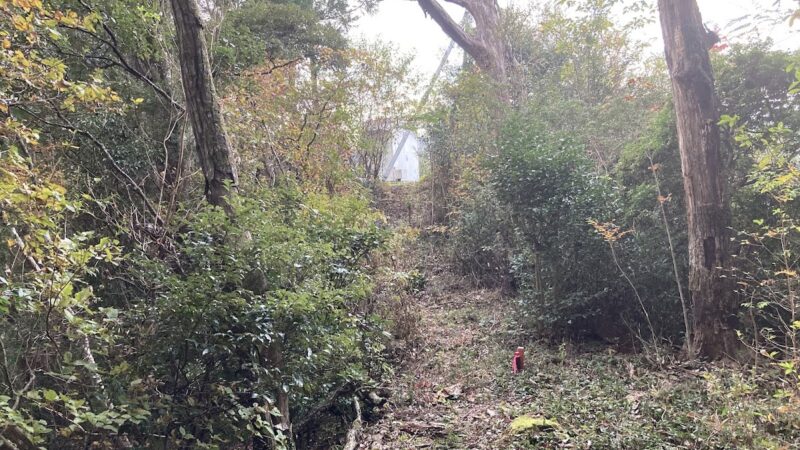
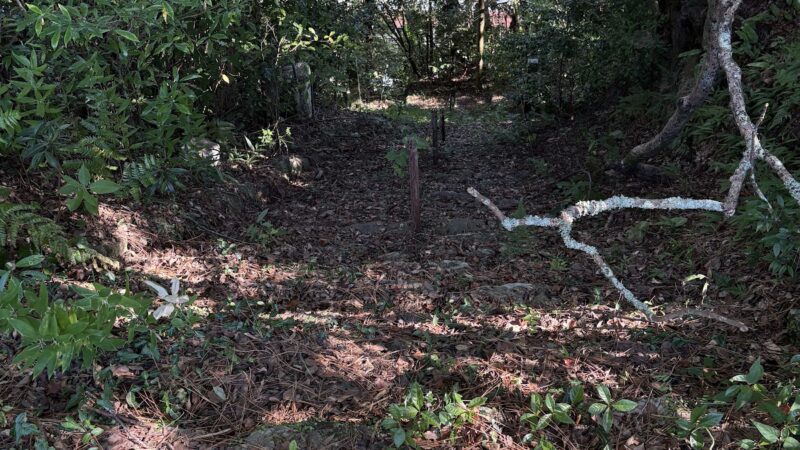
While only a limited number of the Nakamura Palace remains clearly visible today, historical sites and place names that convey the atmosphere of the time remain in the surrounding area.
Ichijo Shrine
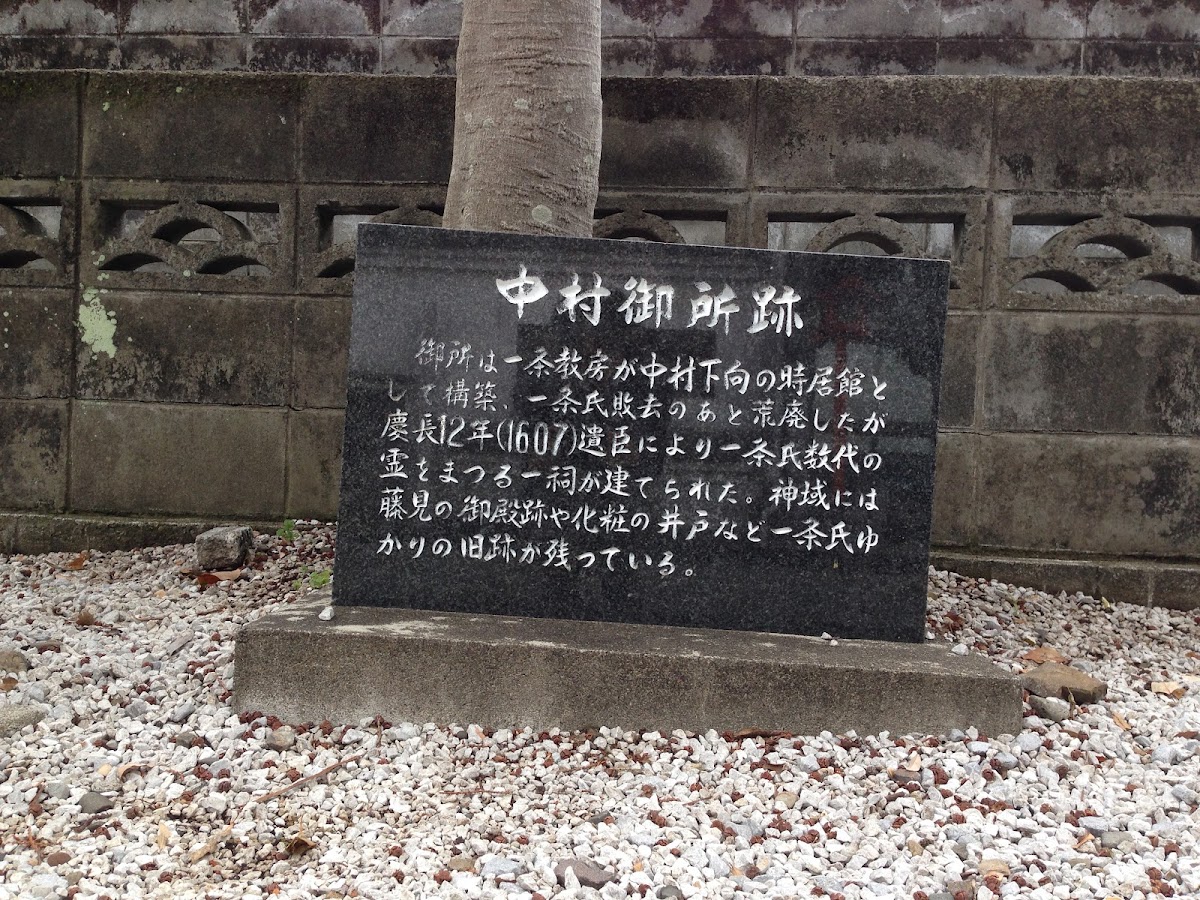
Located in the heart of the Nakamura Palace site is Ichijo Shrine. This shrine was built to enshrine the Tosa Ichijo clan and serves as an important landmark indicating the palace site.
Within the grounds of Ichijo Shrine, there are explanatory plaques and stone monuments related to the Ichijo clan, conveying the historical background to visitors. A festival commemorating the Ichijo clan is held annually.
Tamamatsu Park (Ichijo Clan Residence Site)
The area around Tamamatsu Park in the Nakamura district of Shimanto City is considered to be the site of the former Ichijo clan residence. Within the park, there are topographical features that appear to be traces of earthworks, giving a glimpse into its former scale.
The park is maintained as a place of relaxation for citizens, but historical explanatory plaques are also installed, allowing visitors to learn about history while strolling through the park.
The Streetscape and Urban Planning of Nakamura
Although the Nakamura Imperial Palace itself no longer exists, the street layout developed by the Ichijo clan still influences the present-day Nakamura city center. Traces of the grid-like street plan, modeled after Kyoto, can be seen in some areas.
In particular, the arrangement of major roads running east-west and north-south shows evidence of being inspired by Kyoto’s urban planning, explaining why it was called “Little Kyoto of Tosa.”
Related Historical Sites in the Surrounding Area
Near the Nakamura Imperial Palace, there are several historical sites associated with the Ichijo clan:
- Maeyama-ji Temple: One of the Ichijo clan’s family temples
- Fuwa Hachimangu Shrine: A shrine revered by the Ichijo clan
- Nakamura Castle Ruins: The remains of a castle built after the fall of the Ichijo clan
By visiting these historical sites, one can gain a comprehensive understanding of Nakamura’s history from the Ichijo era to the end of the Sengoku period.
Highlights of Nakamura Imperial Palace
Here are some of the main highlights when visiting the Nakamura Imperial Palace site.
Historical Value
The greatest highlight of Nakamura Imperial Palace lies in its historical value. As a valuable example showing how Kyoto’s aristocratic culture spread and took root in the provinces, it occupies an important position in the study of Japanese history.
The example of a member of the Sekkan family (regent family) settling as a provincial lord is rare, making it a historical site rich in insights into cultural exchange between the central and provincial areas.
Atmosphere of “Little Kyoto of Tosa”
The Nakamura district of present-day Shimanto City still retains the atmosphere of “Little Kyoto of Tosa.” The cultural foundation formed during the time of the Ichijo clan was passed down to subsequent eras, creating a unique and elegant atmosphere in the town.
In particular, a stroll around Ichijo Shrine will allow you to feel the cultural atmosphere of that time.
Relationship with the Shimanto River
Nakamura Imperial Palace developed thanks to the benefits of the Shimanto River system. Visiting the site in conjunction with the scenic beauty of the Shimanto River, renowned for its clear waters, allows you to truly understand why the Ichijo clan chose this location.
The sightseeing route combining the natural beauty of the Shimanto River with the historical townscape of Nakamura is popular with many visitors.
How to Access Nakamura Imperial Palace
We will guide you on how to access the Nakamura Imperial Palace ruins (around Ichijo Shrine).
Access by Train
Use the Tosa Kuroshio Railway Nakamura Line.
- Nearest Station: Nakamura Station (the current central station of Shimanto City)
- From Kochi Station: Approximately 2 hours by express train
- From the Station to the Imperial Palace Ruins: Approximately 15 minutes on foot, or approximately 5 minutes by taxi
Nakamura Station is developed as the gateway to Shimanto City and has a tourist information center.
Access by Car
If using the Kochi Expressway:
- Exit at Shimanto-cho Chuo IC
- Head west on National Route 56 for approximately 40km (about 50 minutes)
- Proceed to Nakamura town center
Parking: There are public parking lots around Ichijo Shrine. There is also parking space at Tamamatsu Park.
Access by Bus
Route buses operated by Kochi Seinan Kotsu run from Kochi city center. However, the number of buses is limited, so it is recommended to check the timetable in advance.
Points to Note When Accessing
- Nakamura area is located in western Kochi Prefecture and is a distance from Kochi city center (approximately 100km)
- Public transportation is limited, so checking the timetable in advance is important
- Access by car is the most convenient, but the route passes through mountainous areas, so caution is required while driving.
Tourist Spots Around Nakamura Imperial Palace
Here are some nearby tourist spots you might want to visit when you visit the Nakamura Imperial Palace ruins.
Shimanto River
Known as Japan’s last remaining pristine river, the Shimanto River is the greatest attraction of Nakamura tourism. Numerous bridges without railings, known as “chinkabashi” (submersible bridges), span the river, creating a unique landscape.
- Canoe Experience: A popular activity allowing you to experience the clear river up close.
- Yakatabune (Houseboat): Enjoy a leisurely river cruise.
- Chinkabashi Tour: Popular photo spots, including the Sada Chinkabashi Bridge.
Shimanto City Local History Museum
A facility where you can learn about the history and culture of Shimanto City. There are also exhibits related to the Tosa Ichijo clan, allowing for a deeper understanding of the historical background of Nakamura Gosho.
Fuwa Hachimangu Shrine
A shrine revered by the Ichijo clan, located close to Nakamura Gosho. Its historical shrine buildings and tranquil atmosphere are its charm.
Nakamura Shopping Street
This shopping street, which retains the atmosphere of “Tosa’s Little Kyoto,” offers local specialties and dishes made with the bounty of the Shimanto River.
Recommended Itinerary for Visiting Nakamura Imperial Palace
Here are some example sightseeing plans centered around the Nakamura Imperial Palace ruins.
Day Trip Plan
Morning
- Arrive at Nakamura Station
- Visit Ichijo Shrine and Nakamura Imperial Palace Ruins (1 hour)
- Shimanto City Local History Museum (1 hour)
Afternoon
- Tour of Shimanto River Submersible Bridges (2 hours)
- Lunch and Stroll in Nakamura’s Shopping Street (1.5 hours)
- Return Trip
2-Day/1-Night Plan
Day 1
- Arrive in Nakamura
- Visit Nakamura Imperial Palace Ruins and Ichijo Shrine
- Stroll through Tamamatsu Park
- Visit Fuwa Hachimangu Shrine
- Stroll through Nakamura town
- Stay at an inn along the Shimanto River
Day 2
- Canoe experience or houseboat ride on the Shimanto River
- Tour of Submersible Bridges
- Shimanto City Local History Museum
- Lunch featuring local cuisine
- Return Trip
The Historical Significance of Nakamura Palace
Nakamura Palace holds historical significance far beyond that of a mere local lord’s residence.
A Witness to Cultural Transmission
Nakamura Palace is a valuable example of how Kyoto’s aristocratic culture spread and took root in the provinces. The Ichijo clan invited many cultural figures from Kyoto and engaged in cultural activities such as waka poetry, renga (linked verse), tea ceremony, and incense ceremony.
These cultural influences spread to local samurai and merchants, forming a unique cultural foundation for Nakamura. This cultural heritage continues to influence cultural activities in present-day Shimanto City.
The Relationship Between the Central and Local Governments
The history of Nakamura Palace offers important insights into the relationship between the central and local governments during the transitional period from the medieval to the early modern period. It allows us to specifically trace how Kyoto’s authority functioned in the provinces and how that authority transformed with the rise of local daimyo (feudal lords).
A Pioneering Example of Urban Planning
The urban planning project for Nakamura by Mr. Ichijo is noteworthy as a practical example of planned urban development in a regional area, modeled after Kyoto. Its grid-like street layout and the placement of shrines and temples make it an interesting example from the perspective of urban planning history.
Notes and Etiquette for Visitors
Here are some notes to keep in mind when visiting the Nakamura Imperial Palace Site.
Considerations for the Preservation of Historic Sites
- Do not enter areas where historical remains remain unnecessarily.
- Be careful not to damage the terrain, such as earthworks.
- Always take your trash with you.
Manners for Visiting Shrines
When visiting Ichijo Shrine, please observe general shrine etiquette:
- Bow before passing through the torii gate.
- Walk along the sides of the path, as the center is considered the path of the gods.
- Cleanse your hands and mouth at the water basin.
- Worship using the two bows, two claps, and one bow ritual.
Regarding Photography
- Photography is generally permitted within the grounds of Ichijo Shrine, but consideration is needed during festivals.
- Unauthorized entry onto private property is strictly prohibited.
- Respect the privacy of local residents.
Summary: The Historical Weight Conveyed by Nakamura Imperial Palace
Although the architectural remains of Nakamura Imperial Palace are limited, it is a valuable historical site that conveys the history of the Tosa Ichijo clan and the cultural heritage of “Tosa’s Little Kyoto.”
This place quietly tells the story of a miraculous era when Kyoto’s aristocratic culture flourished at the southwestern tip of Shikoku, and the dramatic history of how that glory came to an end amidst the turmoil of the Sengoku period.
Visiting this site in conjunction with the clear waters of the Shimanto River will allow you to fully appreciate the charm of Shimanto City, where nature and history harmonize. It is a must-visit spot for history buffs, those interested in regional Japanese culture, and those who want to enjoy historical exploration along with sightseeing along the Shimanto River.
Visiting the Nakamura Imperial Palace ruins will be more than just a historical site visit; it will be a valuable experience that allows you to feel firsthand the cultural and political movements during Japan’s transition from the medieval to the early modern period.