Shimotsui Castle (Okayama Prefecture) Complete Guide | History and Highlights of a Coastal Castle Overlooking the Seto Inland Sea
What is Shimotsui Castle? | A Hilltop Castle Built at a Strategic Point in the Seto Inland Sea
Shimotsui Castle is a hilltop castle located in Shimotsui, Kurashiki City, Okayama Prefecture, and is designated as an Okayama Prefecture Historic Site. Built on a hill 89 meters above sea level, this castle served as a strategic point facing the Seto Inland Sea, playing a vital role in maritime traffic and military affairs in the Bisan Seto Inland Sea.
Today, the stone walls remain in excellent condition, and in spring, it is known as a famous cherry blossom viewing spot with approximately 300 Somei Yoshino and mountain cherry trees in full bloom. Furthermore, the castle ruins are a popular spot for its spectacular panoramic views of the Seto Ohashi Bridge and the many islands of the Seto Inland Sea.
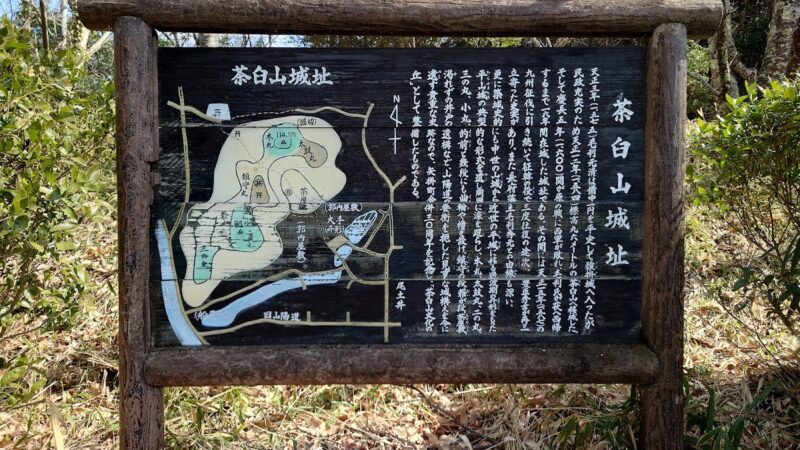
Shimotsui Castle, with its unique layout featuring a series of interconnected enclosures, boasts a distinctive structure where the Nishinomaru, Ninomaru, Honmaru, Sannomaru, Nakanomaru, and Higashinomaru are arranged linearly from west to east. A key characteristic is that almost the entire castle is constructed of stone walls.
History of Shimotsui Castle | From the Ukita Clan to the Ikeda Clan
Ukita Clan Era | As an Outpost of Okayama Castle
The origins of Shimotsui Castle date back to the 16th century. It is believed to have been built by Ukita Hideie, known as one of Toyotomi Hideyoshi’s Five Elders, as an outpost (branch castle) of Okayama Castle. Even then, Shimotsui was a strategic point for maritime transport and military operations in the Seto Inland Sea, functioning as an important base for protecting Okayama Castle.
The Ukita clan, as daimyo ruling Bizen Province, established a fortress in Shimotsui to secure control of the Seto Inland Sea. At this time, Shimotsui Castle had not yet reached its completed form as a modern castle, but it played a role in monitoring maritime traffic and preparing for threats from western Japan.
During the era of Kobayakawa Hideaki | Appointment of Hiraoka Yorikatsu as Castle Lord
After the Battle of Sekigahara in 1600, Kobayakawa Hideaki was granted Bizen Province. At this time, Hiraoka Yorikatsu, Hideaki’s chief retainer, became the lord of Shimotsui Castle and was in charge of its management. However, Kobayakawa Hideaki died young in 1602 without an heir, and the Kobayakawa family was dispossessed of their domain.
During the era of the Ikeda clan | Development into a modern castle
In 1603, Ikeda Tadatsugu was granted Bizen Province as the lord of Okayama Domain. At this time, Ikeda Nagamasa, a chief retainer of Okayama Domain, became the lord of Shimotsui Castle, and the full-scale development of the castle into a modern castle began.
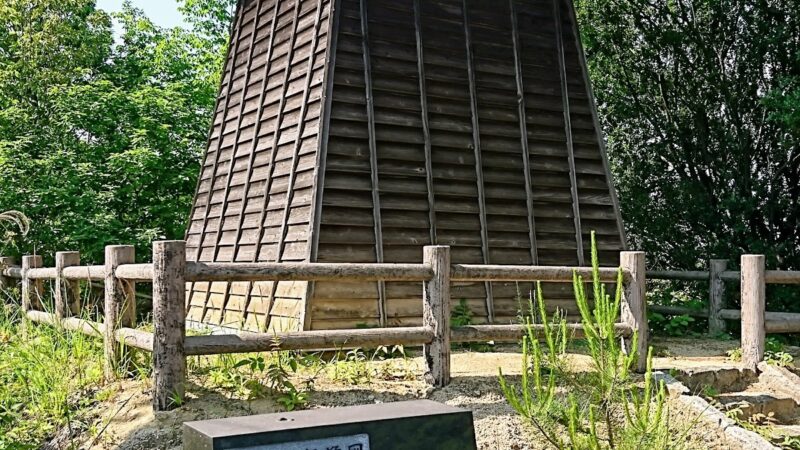
Mr. Ikeda spent four years carrying out a large-scale renovation of Shimotsui Castle. This renovation resulted in a robust castle with extensive use of stone walls, strengthening its function as a base against daimyo from western Japan. A small castle tower base was also constructed in the northwest corner of the main enclosure, becoming a symbol of the castle’s grandeur.
The One Castle Per Province Decree and Castle Abolition
In 1615, the Edo shogunate issued the One Castle Per Province Decree. This decree restricted each province (domain) to one castle, leading to the abolition of many branch castles. However, Shimotsui Castle was initially allowed to remain due to its importance.
However, in 1639, Shimotsui Castle was finally abolished. Even after its abandonment, remnants such as stone walls remained, preserving its original appearance to this day. Even now, approximately 380 years after its abandonment, the stone walls are well-preserved, making it a valuable historical site for studying the history of Japanese castles.
Layout and Structure of Shimotsui Castle
Concentric Enclosure Arrangement
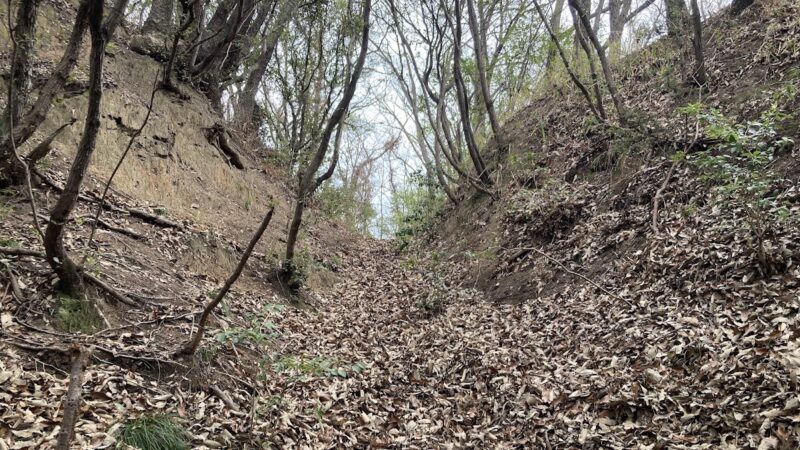
Shimotsui Castle is a concealed hill castle built on a ridge extending east to west. The Nishinomaru (West Enclosure), Ninomaru (Second Enclosure), Honmaru (Main Enclosure), Sannomaru (Third Enclosure), Nakanomaru (Middle Enclosure), and Higashinomaru (Eastern Outpost) are arranged linearly from west to east, with each enclosure separated by stone walls. This arrangement is a rational design that makes maximum use of the ridge’s terrain.
The remains of a horse training ground also exist, indicating its importance as a facility supporting the castle’s military functions. The conccentric enclosure layout has the advantage of allowing for gradual defense against enemy incursions at each enclosure, demonstrating the characteristics of castle construction techniques from the Sengoku period to the early Edo period, which efficiently utilized limited terrain.
Honmaru and Tenshudai (Castle Tower Base)
The Honmaru is located in the center of the castle, and a Tenshudai (castle tower base) is situated in the northwest corner. Although small, the Tenshudai is built with stone walls, suggesting that a castle tower or turret once stood here. Although the castle tower itself no longer exists, the stone walls of the tower base are well-preserved, allowing visitors to observe the castle construction techniques of the time up close.
From the main enclosure, one can enjoy a panoramic view of the Seto Inland Sea, highlighting its ideal location for monitoring maritime traffic. Standing on the castle base, one can see ships traversing the Bisan Seto Strait, demonstrating Shimotsui Castle’s strong character as a coastal castle.
Features of the Stone Walls
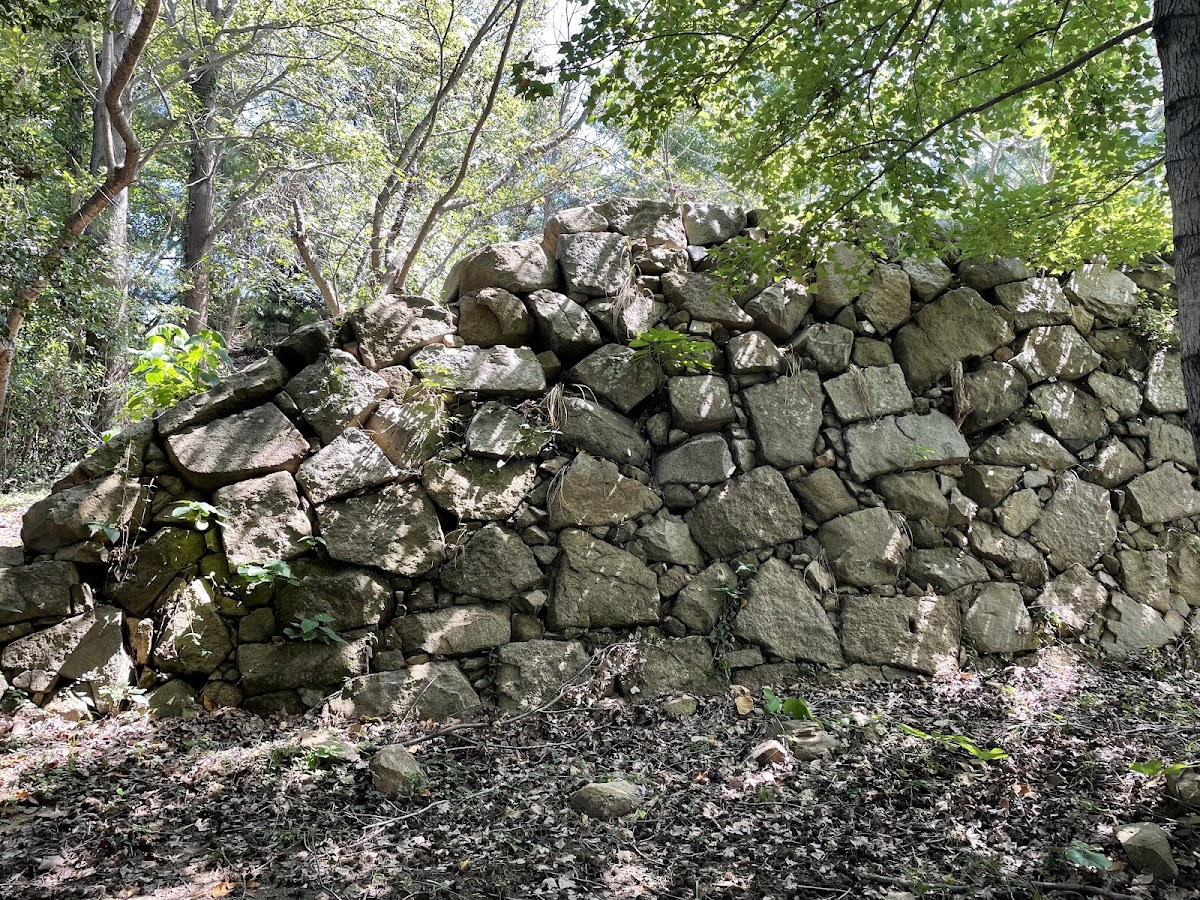
The greatest highlight of Shimotsui Castle is the remaining stone wall structure, which stretches almost the entire site. Various construction methods, such as rough-hewn stonework and fitted stonework, showcasing early Edo period stonework techniques, can be observed. The stone walls around the main enclosure are particularly tall, conveying the castle’s imposing presence at the time.
The stone walls utilize locally sourced granite, and their continued existence for nearly 400 years, despite exposure to the sea breeze of the Seto Inland Sea, speaks to the high level of stonemasonry skill of the era. The stone walls, which demarcate each enclosure, served not only a defensive function but also as a symbol of authority.
Highlights of Shimotsui Castle | Points to Enjoy on-Site
Observing the Stone Wall Remains
When visiting Shimotsui Castle, first carefully observe the stone walls remaining in each enclosure. The construction methods and types of stones used differ in each enclosure, such as the main keep, second enclosure, and third enclosure, allowing you to discern traces of the castle’s construction period and renovations.
The stone walls around the main keep’s base are particularly well-preserved, allowing you to see advanced stonework techniques, such as the sanuki-zumi (a type of blockwork) at the corners, up close. It’s also a popular spot for photography among stone wall enthusiasts.
Spectacular Views of the Seto Ohashi Bridge and the Seto Inland Sea
From the Shimotsui Castle ruins, you can enjoy a close-up view of the Seto Ohashi Bridge, which connects Honshu and Shikoku. The Shimotsui Seto Ohashi Bridge (Shimotsui Bridge) is the first bridge crossing to Shikoku, and the view of its magnificent form from the castle ruins is breathtaking.
The scenery created by the islands floating in the Seto Inland Sea and the Seto Ohashi Bridge creates a unique landscape where modernity and history intersect. Especially at sunset, the silhouette of the Seto Ohashi Bridge and the Seto Inland Sea illuminated by the setting sun is beautiful, making it the perfect time for photography.
As a Cherry Blossom Spot
In spring, approximately 300 Somei Yoshino and mountain cherry trees bloom at the Shimotsui Castle ruins. The contrast between the stone walls and the cherry blossoms is beautiful, attracting many visitors for cherry blossom viewing. The cherry blossoms typically bloom from late March to early April, and during this time, the area is bustling with locals and tourists.
You can enjoy the cherry blossoms while walking along the castle ruins’ promenade, making it a valuable spot where you can enjoy historical sightseeing and cherry blossom viewing at the same time. The view of the Seto Ohashi Bridge through the cherry blossoms is a spring tradition unique to Shimotsui Castle.
View from Washuzan Mountain
Shimotsui Castle is located at the foot of Washuzan Mountain. Washuzan Mountain is part of the Setonaikai National Park and is known as a scenic spot offering panoramic views of the Seto Ohashi Bridge and the many islands of the Seto Inland Sea from its summit.
When visiting Shimotsui Castle, we recommend extending your trip to Washuzan Mountain as well. From the summit, you can look down on the ruins of Shimotsui Castle and gain a bird’s-eye view of the castle’s location and layout. The sunset and night views are particularly magnificent, and combined with the illumination of the Seto Ohashi Bridge, a fantastical landscape unfolds.
Tourist Spots Around Shimotsui Castle
Shimotsui Townscape
To the south of Shimotsui Castle lies the townscape of Shimotsui, which once flourished as a port of call for Kitamae-bune (northern route trading ships). Old townhouses and storehouses from the Edo and Meiji periods remain, conveying the atmosphere of a port town.
The narrow alleys and cobblestone streets create a timeless atmosphere, making it perfect for a stroll. Shimotsui is famous for its octopus, and there are many restaurants serving fresh octopus dishes. Enjoying local cuisine before or after visiting the castle ruins is highly recommended.
Seto Ohashi Bridge Memorial Park
The Seto Ohashi Bridge Memorial Park is the access point to Shimotsui Castle. This park has a parking lot, and you can walk to the Shimotsui Castle ruins from here.
The park also has an exhibition facility related to the Seto Ohashi Bridge, where you can learn about the bridge’s construction history and technology. You can also get a close-up view of the Seto Ohashi Bridge from the park, making it a popular spot for commemorative photos.
Former Shimotsui Shipping Agent
This museum is a reconstruction of a shipping agent that flourished from the Edo period to the Meiji period. You can learn about the history of Shimotsui, which prospered through Kitamae-bune (northern route ship) trade, and gain insight into the lifestyle of merchants and the state of the shipping industry at that time.
Visiting this facility is also worthwhile for understanding the background of why Shimotsui Castle was considered an important point for maritime traffic. The exhibits and buildings allow you to feel the history of the prosperous port town of Shimotsui.
Tadoura-za Shrine
This ancient shrine in the Shimotsui area has been worshipped by locals as a god protecting safety at sea. From the shrine, you can enjoy views of the Seto Inland Sea, and worship in a peaceful atmosphere.
When visiting the history of Shimotsui Castle, visiting these local shrines and temples will allow you to gain a deeper understanding of the land’s history and culture.
Access and Visiting Information for Shimotsui Castle
Access by Train
If using JR:
- Get off at Kojima Station on the JR Seto-Ohashi Line
- Take the Shimoden Bus “Tokohai-go” for approximately 20 minutes and get off at the “Shimotsui Port” bus stop
- From the bus stop, it’s about a 15-minute walk to the castle ruins entrance.
Taxis are also available from Kojima Station, taking approximately 15 minutes to the vicinity of Shimotsui Castle. Since public transportation is limited, it is recommended to check the timetable in advance.
Access by Car
If using a private car:
- Approximately 10 minutes from the Kojima Interchange on the Seto-Chuo Expressway
- Take National Route 430 towards Shimotsui
- Use the parking lot at the Seto Ohashi Bridge Memorial Park (free)
It’s about a 10-15 minute walk from the parking lot to the castle ruins (horse riding grounds). There are guide signs along the way, so you won’t get lost.
Visiting Hours and Fees
- Visiting Hours: Open 24 hours
- Admission Fee: Free
- Estimated Time Required: Approximately 1-2 hours for a leisurely tour of the entire castle site
The castle site is maintained as a historical park and is freely accessible. However, it gets dark at night, so daytime visits are recommended.
Points to Note When Visiting
- Watch Your Step: There are many stone walls and steps, so wear comfortable shoes.
- Weather: The stone walls become slippery in rainy weather, so be careful.
- Summer: There is little shade, so bring a hat and drinks.
- Winter: The sea breeze is strong and cold, so dress warmly.
- Toilets: There are no toilets within the castle ruins, so use the facilities at the Seto Ohashi Bridge Memorial Park beforehand.
Photo Spots at Shimotsui Castle
Recommended Photo Spots
- Main Keep Platform: The best position to photograph the stone walls and the Seto Ohashi Bridge simultaneously.
- View from the Second Bailey: An angle overlooking the Seto Inland Sea and the townscape of Shimotsui.
- Details of the Stone Walls: Close-ups documenting the construction of the stone walls in each bailey.
- Cherry Blossom Season: Collaboration of Stone Walls and Cherry Blossoms (Late March to Early April)
- Dusk: The silhouette of the Seto Ohashi Bridge and the sunset create a beautiful scene.
Best Time for Photography
- Morning: Ideal for capturing the texture of the stone walls in direct sunlight.
- Evening: Ideal for photographing the Seto Ohashi Bridge and the sunset.
- Spring (Cherry Blossom Season): The castle ruins are at their most vibrant.
- Autumn (Autumn Leaves Season): Allows for capturing landscapes with subdued colors.
Background Information for Enjoying Shimotsui Castle
Characteristics as a Coastal Castle
Shimotsui Castle possesses the characteristics of a typical coastal castle (naval castle). Taking advantage of its location facing the sea, its main purpose was the monitoring and control of maritime traffic. Controlling the Seto Inland Sea was an extremely important strategic challenge from the Sengoku period to the early Edo period, and Shimotsui Castle was a crucial element in this.
The One Castle Per Province Decree and Shimotsui Castle
In 1615, the One Castle Per Province Decree led to the abandonment of many branch castles, but Shimotsui Castle was initially permitted to remain. This indicates that the strategic importance of Shimotsui was highly valued. However, it was ultimately abandoned in 1639, bringing its short history of approximately 36 years to an end.
The Relationship Between Okayama Domain and Shimotsui Castle
Shimotsui Castle functioned as an outpost (branch castle) of Okayama Castle and was a key point in the western defense of the Okayama Domain. After the Ikeda clan became the lords of the domain, senior retainers of the chief retainer class served as castle lords, indicating its importance to the domain. Even after its abandonment, Shimotsui continued to function as an important port town for the Okayama Domain.
Research and Preservation Activities of Shimotsui Castle
Protection as an Okayama Prefecture Designated Historic Site
The Shimotsui Castle ruins are protected as an Okayama Prefecture designated historic site. The stone wall remains are well-preserved and regularly maintained. Local cultural property preservation groups and history enthusiasts also conduct tours and cleaning activities, contributing to the preservation of the historical site.
Archaeological Excavations and New Discoveries
Several archaeological excavations have been conducted in the past, unearthing artifacts that reveal the castle’s structure and daily life. These findings have greatly contributed to understanding the history of Shimotsui Castle, and continued research is expected.
Connection with the Community
The Shimotsui Castle ruins are affectionately known as “Shiroyama” (Castle Mountain) by local residents and are used as a regular walking route. It is also used as a venue for local events, such as the spring cherry blossom festival, demonstrating how this historical heritage continues to thrive within the modern community.
Summary | The Charm of Shimotsui Castle and the Significance of Visiting
Shimotsui Castle, built at a strategic point in the Seto Inland Sea, is a castle that, despite its short history, left a significant mark on the region. Shimotsui Castle Ruins is a historical site with diverse attractions, including a history passed down through the Ukita, Kobayakawa, and Ikeda clans, well-preserved stone wall remains, and breathtaking views of the Seto Ohashi Bridge and the Seto Inland Sea.
Currently protected as a prefectural designated historical site, it is an open historical spot that anyone can freely visit. It’s a place that can be enjoyed by castle enthusiasts, history buffs, those who want to enjoy the scenery of the Seto Inland Sea, and those who want to visit a famous cherry blossom spot—for a variety of purposes.
When you visit Okayama Prefecture, be sure to visit Shimotsui Castle Ruins and experience the history and spectacular scenery of the Seto Inland Sea. The 400-year-old castle-building techniques etched into the stone walls, the modern landscape with the Seto Ohashi Bridge, and the unchanging beauty of the Seto Inland Sea are sure to leave a deep impression on visitors.