Kozutsumi Castle (Watari Town, Miyagi Prefecture) Complete Guide | History and Highlights Passed Down from the Takeshi Clan to the Watari Clan
What is Kozutsumi Castle?
Kozutsumi Castle is a hilltop castle located in Izumigairi, Watari Town, Watari District, Miyagi Prefecture. Also known as “Daiyuji-kan,” the castle ruins now lie within the grounds of Daiyuji Temple. From the late Kamakura period to the Sengoku period, it functioned as the residence of the Takeshi clan (later the Watari clan), who ruled this area, and was the political and military center of the Watari region.
When Takeshi Munetane, a descendant of Chiba Tsunetane, came to control Watari District, he expanded his power using Kozutsumi Castle as his base. Later, during the time of the 7th generation, Takeshi Hirotane, the clan adopted the name Watari clan, and the castle served as the Watari clan’s base for approximately 300 years.
Currently, Daioji Temple serves as the family temple of the Watari Date clan, preserving valuable historical assets, including the mausoleum of Date Shigezane, a prefecturally designated cultural property. Remains of the castle, such as earthworks and parts of the baileys, can be seen, allowing visitors to imagine its former glory.
History of Kozutsumi Castle
Construction by the Takeshi Clan
While there are various theories regarding the construction date of Kozutsumi Castle, it is generally believed to have been built by the Takeshi clan around 1302 (Ken’en 1) during the late Kamakura period. The Takeshi clan were descendants of Chiba Tsunetane, a well-known retainer of Minamoto no Yoritomo.
Due to their achievements in the Oshu War (1189), in which Minamoto no Yoritomo defeated the Oshu Fujiwara clan, the Chiba clan received territories in the Tohoku region. Among them, Takeshi Munetane was granted Watari County, and this marked the beginning of the Takeshi clan (later the Watari clan). It is believed that Munetane Takeishi initially established a residence in this Kozutsumi area, and later strengthened its defensive capabilities, developing it into a castle.
Renaming and Development of the Watari Clan
The Takeishi clan adopted the name “Watari Clan” during the time of the 7th generation, Hirotane Takeishi. This name change, derived from the place name, indicates that their control over the region had become firmly established. The Watari Clan, with Kozutsumi Castle as their base, controlled the entire Watari County and maintained their power from the Kamakura period through the Muromachi period and into the Sengoku period.
The Watari Clan reigned as a powerful local clan for generations, governing the surrounding local lords and farmers. Kozutsumi Castle functioned not only as a military base but also as a political and economic center, and it is presumed that the castle town contained residences for retainers and residential areas for townspeople.
Turmoil in the Sengoku Period
With the arrival of the Sengoku period, the Watari Clan was forced to survive in the face of conflict with surrounding daimyo powers. The relationship with the Date clan, who vied for supremacy in southern Oshu, is particularly important.
In the latter half of the 16th century, during the time of Date Masamune, the Watari clan came under the Date clan’s control. However, with Toyotomi Hideyoshi’s pacification of Oshu in 1590, the Watari clan lost their territory, and Kozutsumi Castle was abandoned. At this time, the Watari clan’s rule over Kozutsumi Castle, which had lasted for approximately 300 years, came to an end.
Date Shigezane and the Relocation to Watari Castle
In 1602, Date Shigezane, a senior retainer of Date Masamune, was granted Watari County and built Watari Fortress (later Watari Castle). Date Shigezane was Masamune’s cousin and a particularly trusted warrior within the Date family.
In 1604, Date Shigezane relocated Daioji Temple to the site of Kozutsumi Castle to commemorate his father, Date Sanemoto. As a result, the site of Kozutsumi Castle was transformed into a temple grounds, and thereafter played an important role as the family temple of the Watari Date clan.
Daiyuji Temple houses the mausoleum of Date Shigezane, as well as the tombs of successive heads of the Watari Date family, and remains an important historical site that conveys the history of the Watari Date family.
Structure and Layout of Kozutsumi Castle
Castle Location
Kozutsumi Castle is classified as a hilltop castle. Located near the Aikuma River, a tributary of the Abukuma River, it was built on a slightly elevated area overlooking the surrounding plains. This location combined the convenience of water transport with defensive advantages, making it an ideal location for a medieval castle.
The north and east sides of the castle were low-lying wetlands, which are thought to have functioned as natural moats. Artificial defensive structures were built on the south and west sides, creating a comprehensive defensive system.
Existing Remains
Currently, the main remains that can be identified as Kozutsumi Castle are as follows:
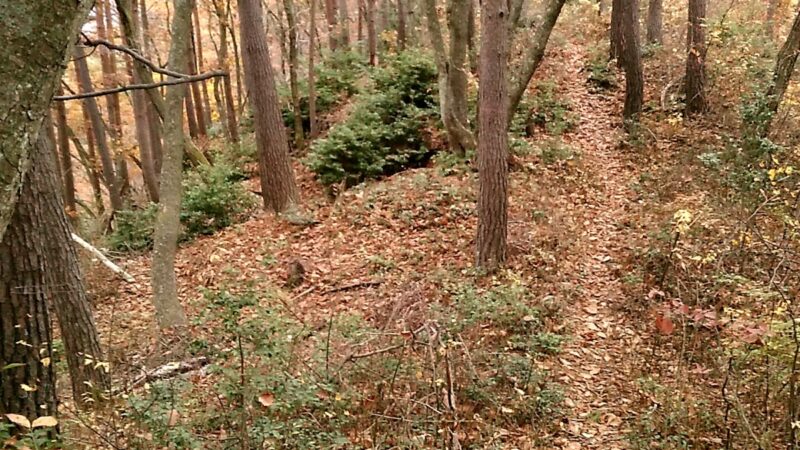
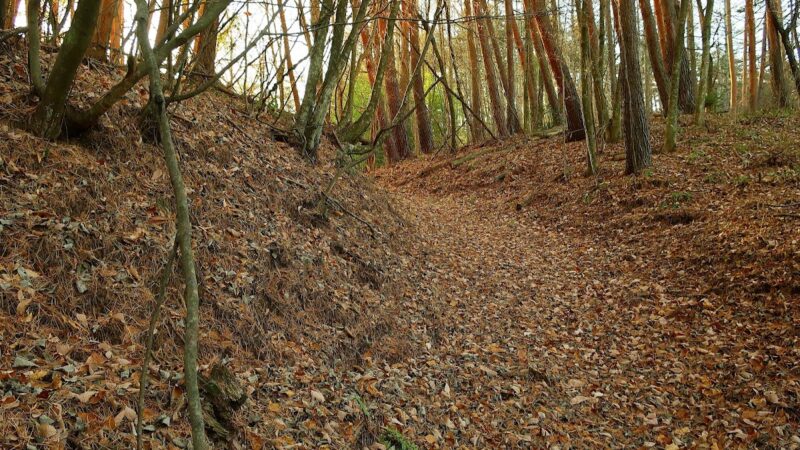
Earthworks: Earthworks remain in good condition within the grounds of Daiyuji Temple, particularly from the south to the east. The height varies depending on the location, but the best-preserved section is approximately 2-3 meters high. These earthworks formed the outer perimeter of the castle and were an important defensive structure to prevent enemy intrusion.
Enclosures: The area around the main hall of Daiyuji Temple is presumed to be the main enclosure (honmaru). Due to the differences in elevation, it has been suggested that multiple enclosures may have been arranged, but many parts have been altered by the construction of the temple, and the detailed structure remains unclear.
Around the Temple Gate: Near the temple gate of Daiyuji Temple, there are topographical features that may be remnants of the former castle entrance. Traces of the castle era may remain in the layout of the approach path and the structure of the stone steps.
Castle Scale
While historical records are limited regarding the exact size of Kozutsumi Castle, it is estimated that the entire grounds of Daiyuji Temple (approximately 1 hectare) constituted the castle area. This is considered a standard size for a medieval local lord’s residence.
It is believed that the castle consisted of a main enclosure, with second and third enclosures containing the residences and warehouses of retainers, and a castle town-like settlement likely formed around it. However, unlike the large-scale early modern castles of the Sengoku period, it is presumed to have been a castle with a stronger character as a manor house.
Highlights of Kozutsumi Castle
Earthworks within Daiyuji Temple Grounds
The biggest highlight when visiting Kozutsumi Castle is the earthworks remaining within the grounds of Daiyuji Temple. In particular, the continuous earthworks extending from the south to the east of the main hall are still clearly visible even more than 700 years after the castle’s construction.
Walking along the earthworks allows visitors to experience the scale and defensive mechanisms of the castle at that time. The height, width, and curves of the earthworks offer insights into the construction techniques of medieval castles.
In spring, cherry blossoms bloom along the earthworks, creating a beautiful scene where historical landscapes and natural beauty harmonize.
Mausoleum of Date Shigezane (Prefectural Designated Cultural Property)
Daioji Temple preserves the mausoleum of Date Shigezane, a senior retainer of Date Masamune. This mausoleum is a designated cultural property of Miyagi Prefecture and is a valuable cultural asset that conveys the architectural style of the early Edo period.
The mausoleum has a hipped roof, and a wooden statue of Date Shigezane is enshrined inside. The carvings and decorations utilize advanced techniques of the time, demonstrating the authority and wealth of the Watari Date family.
Date Shigezane served Masamune, achieving numerous military successes, and ruled the Watari region as the first lord of Watari Fortress (Watari Castle). This mausoleum is an indispensable historical site for commemorating his achievements.
Watari Date Family Cemetery
Daiyuji Temple houses the burial grounds of successive heads of the Watari Date family, including Date Shigezane. It is an important historical site that allows us to trace the history of the Watari Date family, who ruled Watari throughout the Edo period.
The cemetery is enveloped in a serene atmosphere, conveying a sense of historical weight. Each tombstone is inscribed with the name and year of death of the head of the family, allowing us to trace the lineage of the Watari Date family.
Daiyuji Temple Main Hall and Grounds
Daiyuji Temple is a Soto Zen Buddhist temple, relocated to its current location in 1604 by Date Shigezane. The main hall, built in the mid-Edo period, is large for a regional temple, reflecting its high status.
The temple grounds are lined with ancient trees estimated to be several hundred years old, creating a solemn atmosphere. The scenery created by the trees and earthen ramparts on either side of the path leading from the temple gate leaves a deep impression on visitors.
Daiyuji Temple Main Hall and Grounds ### Castle Ruins Marker and Information Board
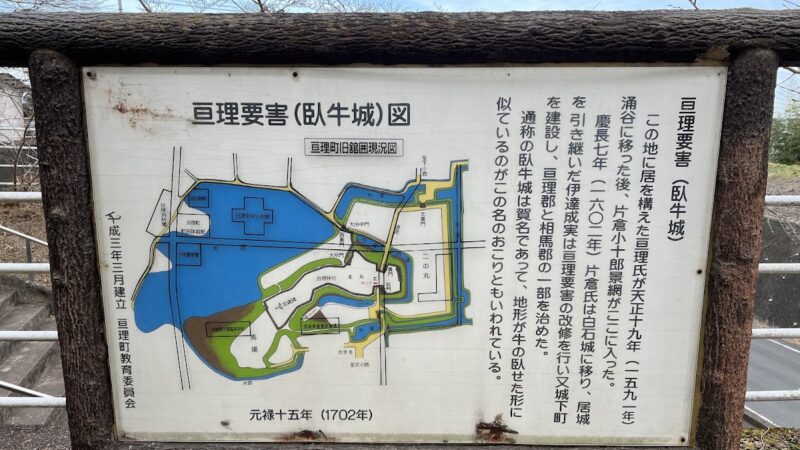
Near the entrance to Daiyuji Temple, there is a marker and information board indicating the “Kozutsumi Castle Ruins.” The information board contains explanations about the history of Kozutsumi Castle and the Takeishi clan (Watari clan), allowing even first-time visitors to understand the castle’s overview.
Access Information
Location
Address: 88 Izumigairi, Watari-cho, Watari-gun, Miyagi Prefecture (Daiyuji Temple)
Access by Public Transportation
- From JR Joban Line “Watari Station”: Approximately 25 minutes on foot, approximately 5 minutes by taxi
- By Bus: Town buses (depending on the route) may be available from Watari Station. Please contact Watari Town Hall for details.
Access by Car
- From Joban Expressway “Watari IC”: Approximately 10 minutes
- From central Sendai City: Approximately 50 minutes via National Route 4
Parking
Daiyuji Temple has parking spaces for visitors. However, please note that the temple may be unavailable due to temple events, etc. We recommend checking in advance.
Points to Note During Your Visit
- Daioji Temple is an active temple. Please observe proper temple etiquette and visit in silence.
- For visits to the main hall and mausoleum, we recommend contacting the temple in advance to obtain permission.
- The remains, such as the earthworks, are valuable cultural assets. Please be careful not to damage them when climbing, and avoid harming the vegetation.
- Photography is permitted, but please be considerate of the situation, such as refraining from taking photos during religious services.
Nearby Attractions
Watari Castle Ruins (Watari Fortification Ruins)
Located approximately 600 meters southwest of Kozutsumi Castle, the Watari Castle Ruins were built in 1602 by Date Shigezane. Currently, the Watari Town Local History Museum stands on the site, where you can see exhibits on the history of Watari and Date Shigezane.
Watari Castle was the successor to Kozutsumi Castle and served as the residence of the Watari Date family throughout the Edo period. Parts of the earthworks and moats remain, and visiting both Kozutsumi Castle and Watari Castle provides a comprehensive understanding of the castle history of this region.
Shōmyōji Temple (Grave of Date Shigezane)
Shōmyōji Temple, located in Watari Town, houses the grave of Date Shigezane. Along with the mausoleum at Daiyūji Temple, it is a historical site associated with Date Shigezane and well worth a visit.
Arahama Fishing Port and Watari Town’s Seafood
Watari Town faces the Pacific Ocean, and fresh seafood is landed at Arahama Fishing Port. Surf clams and flounder are particularly famous, and “harako-meshi” (salmon roe rice) is a well-known local dish of Watari. Enjoying the local food culture after visiting the castle ruins is highly recommended.
Torinoumi (Lake Tori)
Torinoumi, a lagoon located on the coast of Watari Town, is a scenic spot known as a migratory bird sanctuary. Although damaged by the Great East Japan Earthquake, reconstruction is progressing, and the site has been developed into a park.
The Genealogy of Kozutsumi Castle and the Takeshi/Watari Clans
From the Chiba Clan to the Takeshi Clan
Understanding the genealogy of the Takeshi (Watari) clan is crucial to understanding the history of Kozutsumi Castle. The ancestor of the Takeshi clan was Chiba Tsunetane, who was active from the late Heian period to the early Kamakura period.
Chiba Tsunetane participated early in Minamoto no Yoritomo’s uprising and distinguished himself in the Jisho-Juei War (Genpei War). He played a particularly important role in the Oshu War, and as a result of his achievements, his family was granted territory in the Tohoku region.
Takeshi Munetane, a descendant of Chiba Tsunetane, was granted Watari County, and the Takeshi clan began when he established a residence there. The Takeshi clan used the Chiba clan’s family crest, the “Moon and Star Crest,” and took pride in their connection to the Chiba clan.
Establishment of the Watari Clan
During the time of the 7th head of the family, Takeshi Hirotane, the clan changed its name to “Watari Clan,” establishing its own unique identity. The Watari Clan maintained its power throughout the Muromachi period, and during the Sengoku period, it sought survival by repeatedly forming alliances and conflicts with surrounding local lords.
Successive heads of the Watari Clan dedicated themselves to the development and governance of Watari County, based at Kozutsumi Castle. They are believed to have contributed to regional development through agricultural promotion, flood control projects, and road improvements.
Relationship with the Date Clan and its End
In the late Sengoku period, the relationship with the Date Clan, which rapidly expanded its power in southern Oshu, would determine the fate of the Watari Clan. Initially, the Watari Clan sought to maintain an equal relationship with the Date Clan, but under the rule of Date Masamune, they were forced into submission due to the Date’s overwhelming military power.
In 1590, during Toyotomi Hideyoshi’s pacification of Oshu, the Watari clan was dispossessed of their lands, bringing an end to their approximately 300-year rule over Kozutsumi Castle. Subsequently, in 1602, Date Shigezane was granted Watari, marking the beginning of a new history.
Cultural Value of Kozutsumi Castle
Significance in the Study of Medieval Tohoku Castles
Kozutsumi Castle is a typical example of a castle built as the residence of a local powerful family in the Tohoku region during the medieval period. Unlike early modern castles with large stone walls and keeps, it is composed primarily of earthworks and moats, clearly demonstrating the characteristics of a medieval castle.
While many medieval castles in the Tohoku region were lost due to the wars of the Sengoku period and development during the Edo period, Kozutsumi Castle’s remains were relatively well preserved because it became part of a temple grounds. Therefore, it is a valuable case study in the study of medieval castles.
Importance in Local History
Ozutsumi Castle is a historical site symbolizing the transition from the medieval to the early modern period in the Watari region. The change of rulers from the Takeshi clan (Watari clan) to the Date clan, and the relocation of the base from Ozutsumi Castle to Watari Castle, marked a major turning point in the history of this region.
Its continued presence in the community as Daiyuji Temple is also significant. The castle ruins are not merely historical remains, but a living cultural asset cherished by the local people, preserving the memory of history.
Challenges in Preservation and Utilization
Currently, the Ozutsumi Castle ruins do not have any legal protection measures (such as historical site designation), but they are carefully managed by Daiyuji Temple. In order to make the historical value of Ozutsumi Castle known to more people in the future, improvements such as enhanced information boards and the development of viewing paths are desirable.
Furthermore, because sufficient academic archaeological excavations have not been conducted, many aspects of the detailed structure and changes of the castle remain unknown. Further research and investigation are hoped for in the future.
Best Season to Visit and How to Enjoy It
Spring (Late March to May)
Spring is the perfect season to visit the ruins of Kozutsumi Castle. In early April, the cherry blossoms in the temple grounds bloom, creating a beautiful landscape along the earthen ramparts. The historical atmosphere and the vibrant spring scenery harmonize perfectly, making it ideal for photography.
In the season of fresh greenery, the trees in the temple grounds are enveloped in vibrant green, allowing you to enjoy a refreshing stroll in the crisp air.
Summer (June to August)
In summer, the greenery deepens, and the temple grounds are enveloped in deep shade. Even on hot days, it will be relatively cool. However, insect repellent is necessary.
Autumn (September to November)
Autumn is a beautiful season for autumn foliage. From late October to November, the trees in the temple grounds change color, adorning the earthen ramparts and burial grounds. The weight of history and the autumnal atmosphere combine to create a serene and tranquil ambiance.
Winter (December to February)
In winter, there are fewer visitors, allowing you to quietly reflect on history. On snowy days, the castle ruins, enveloped in white, present a fantastical landscape. However, be careful as the ground can be slippery.
Photography Tips
- The series of earthworks: Photographing the earthworks from the south to the east from a low angle, looking up, conveys their height and scale.
- The main gate and approach: The approach from the main gate to the main hall is a good spot to capture the atmosphere of the castle ruins.
- The mausoleum of Date Shigezane: As a cultural heritage building, pay attention to the details of the decorations when photographing.
- Seasonal scenery: During cherry blossom or autumn foliage season, aim to capture the combination of historical buildings and natural beauty.
Summary
Ozutsumi Castle is a valuable medieval castle ruin remaining in Watari Town, Miyagi Prefecture. This historical site was built by the Takeshi clan, descendants of Chiba Tsunetane, and later became the base of operations for the Watari clan for approximately 300 years.
Currently, it is the grounds of Daioji Temple, and the remains, such as the earthworks, are well-preserved. Furthermore, there are many cultural assets associated with the Watari Date family, including the mausoleum of Date Shigezane, making it a historical site where you can experience the flow of history from the medieval to the early modern period.
Visiting this site in conjunction with the Watari Castle ruins will allow you to gain a deeper understanding of the castle history of this region. It is recommended not only for history enthusiasts but also for those who want to enjoy the tranquil atmosphere of a temple.
With easy access, about an hour’s drive from Sendai, please consider visiting the Kozutsumi Castle ruins as part of your historical exploration of Miyagi Prefecture. You will be able to touch upon the traces of a castle built over 700 years ago and the lives of the people who lived there.