Kiyoshiki Castle (Kagoshima Prefecture) Complete Guide: History and Highlights of the Irikiin Clan’s Mountain Castle and the Samurai Residences at its Foot
Kiyoshiki Castle is a medieval mountain castle located in Uranoma, Iriki-cho, Satsumasendai City, Kagoshima Prefecture. Designated a national historic site, it is known as the base of the Irikiin clan, a powerful local family in Satsuma Province. The defensive structures, skillfully utilizing the unique topography of the Shirasu plateau, and the samurai residences spreading out below the castle, together convey the samurai culture of Satsuma from the medieval to the early modern period.
History of Kiyoshiki Castle: From the Shibuya Clan to the Irikiin Clan
The Shibuya Clan’s Descent and the Establishment of Kiyoshiki Castle
The history of Kiyoshiki Castle begins in 1247 (Hōji 1) with the Shibuya clan, who migrated from Sagami Province to Irikiin in Satsuma Province. The Shibuya clan had established roots in the area since the Kamakura period, and established their control over the region. While there are no clear records of the construction date of Kiyoshiki Castle, it is believed that its basic structure was completed around the end of the Nanboku-cho period.
The Iriki documents mention “Kiyoshiki-dono,” suggesting that it was already functioning as a military base around the Eiwa era (1375-1379). During this period, the Shibuya clan, as lords of Irikiin, expanded their power from Kiyoshiki Castle.
The Irikiin Clan and its Relationship with the Shimazu Clan
In the mid-Muromachi period, the Shibuya clan began to call themselves the “Irikiin clan.” The Irikiin clan maintained their power while repeatedly engaging in conflicts with other local lords within Satsuma Province, and during the Sengoku period, they chose to become subordinate to the Shimazu clan. By joining the Shimazu clan, the Irikiin clan’s territory was secured, and they continued to rule the area for approximately 600 years.
Throughout the Sengoku period, Kiyoshiki Castle continued to function as the Irikiin clan’s base. Even during the Shimazu clan’s unification of Kyushu, the Irikiin clan played an important role as a branch castle force.
Abandoned Castle and Present Day
In 1613 (Keicho 18), the Irikiin clan relocated to Kagoshima, and Kiyoshiki Castle was abandoned. While the castle facilities were lost throughout the Edo period, the samurai residences at the foot of the mountain continued to function as the center of the region. After the Meiji Restoration, the Irikiin clan’s rule came to an end, but their legacy remains strongly evident in the townscape of Irikifumoto and the ruins of Kiyoshiki Castle.
Structure and Characteristics of Kiyoshiki Castle
A Mountain Castle Utilizing the Shirasu Plateau
Kiyoshiki Castle was built on a section of the Shirasu plateau extending from west to east, with its highest point at approximately 100 meters above sea level on the left bank of the Kiyoshiki River, protruding to the northeast. The castle grounds were vast, measuring approximately 750 meters east-west, 550 meters north-south, and with a circumference of about 3.5 kilometers. The Kiyoshiki River surrounded the castle, functioning as a natural moat.
The most distinctive feature is the defensive structure utilizing the unique geological features of the Shirasu plateau. Shirasu is a layer of volcanic ejecta that easily forms vertically sheer cliffs. Kiyoshiki Castle made maximum use of this characteristic to construct a defensive system that made enemy intrusion difficult.
Arrangement of the Enclosures
Kiyoshiki Castle is composed of multiple enclosures (kuruwa), the main ones being:
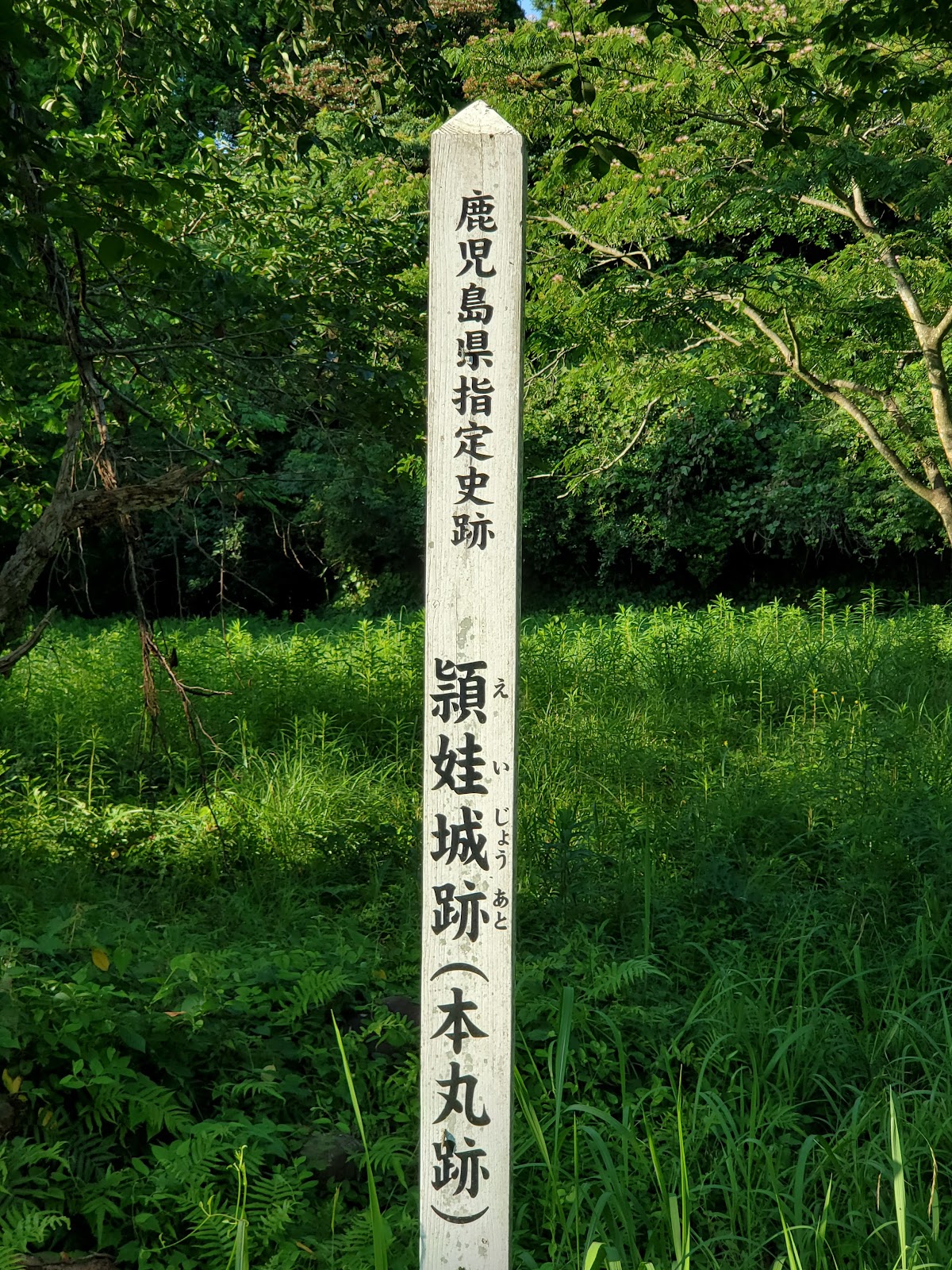
- Honmaru: The main enclosure at the center of the castle
- Nakanojo: An important enclosure supporting the Honmaru
- Matsuojo: A key defensive enclosure
- Kyumonjijo: An enclosure with a distinctive name
- Nishinojo: An enclosure responsible for the western defense
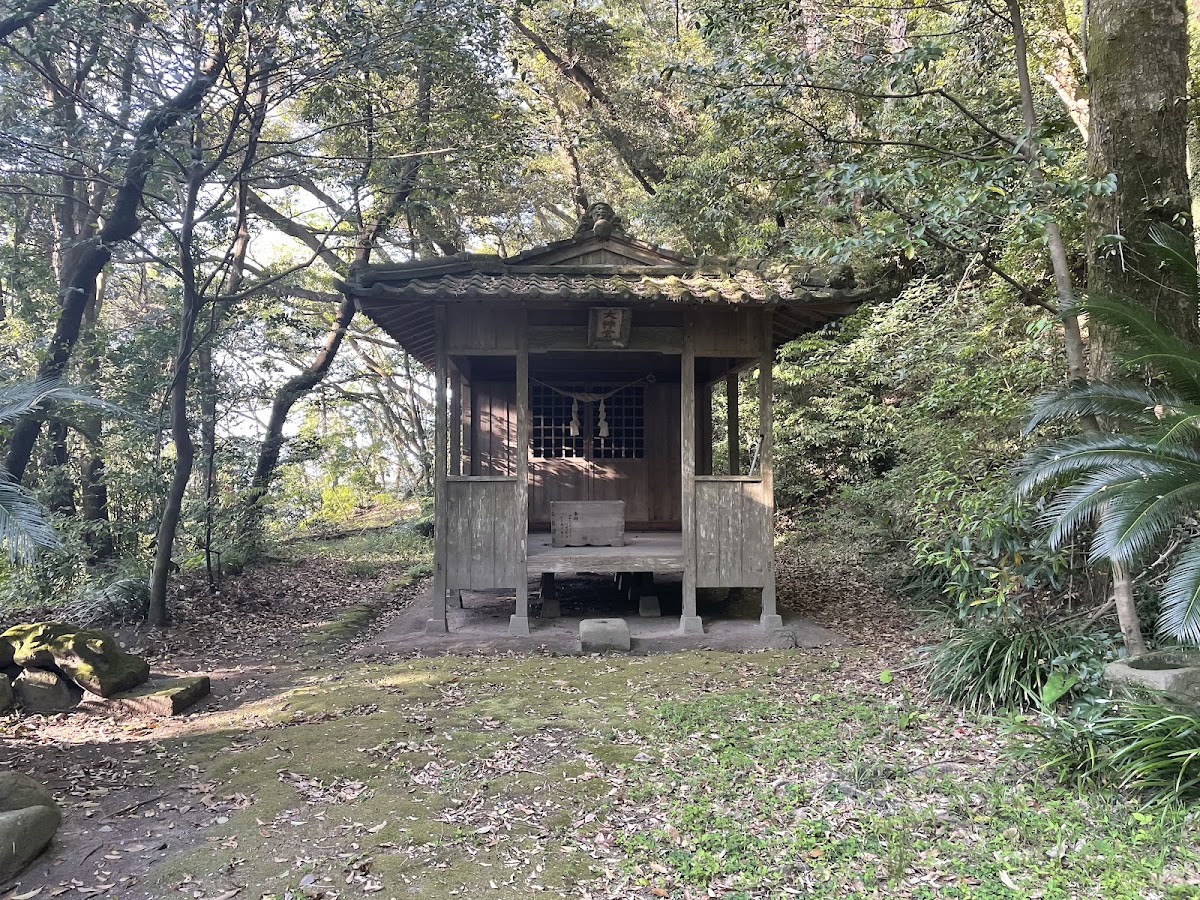
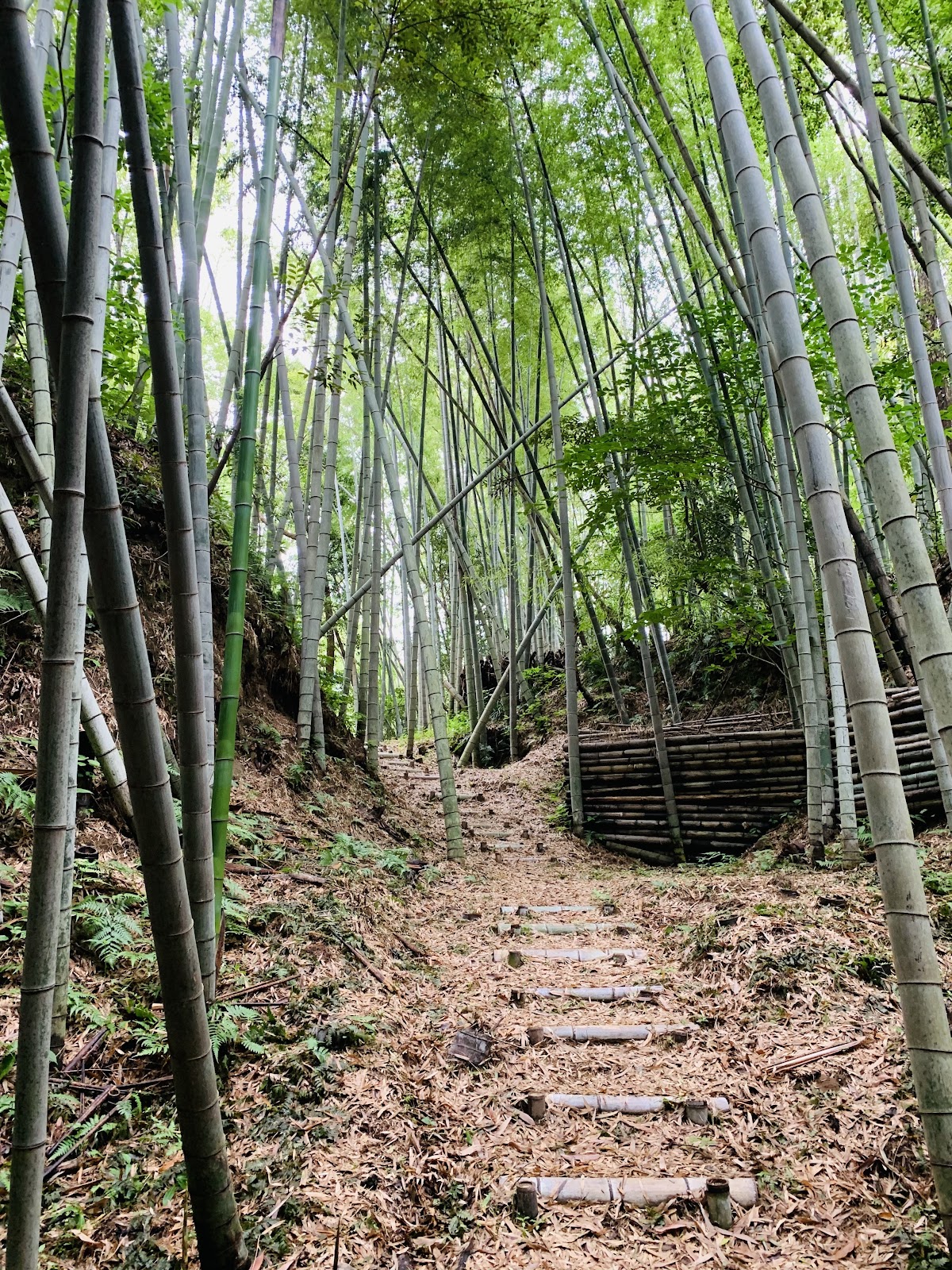
These enclosures are organically arranged and mutually support each other. Currently, a pathway has been constructed allowing visitors to explore the group of baileys, excluding Nishinojo, and experience the structure of a medieval mountain castle.
Impressive Moats and Dry Moats
The greatest highlight of Kiyoshiki Castle is the moat that cuts vertically into the shirasu plateau. Especially near the castle entrance, the vertically rising wall forms a passageway barely wide enough for one person to pass through, creating a powerful landscape often referred to as “the castle’s main attraction.”
The moat reaches depths of over 10 meters in some places, and the sight of the white shirasu cliff face rising vertically is overwhelming. This moat is thought to have been not merely a defensive structure, but also designed to exert psychological pressure on the enemy.
Dry moats were also placed throughout the castle, separating the baileys and restricting enemy movement. The clearly remaining dry moat structures are valuable resources for understanding the defensive philosophy of medieval castles.
Samurai Residences of Iriki-Fumoto
Iriki-Fumoto, located at the foot of Kiyoshiki Castle, is known as a prime example of the “fumoto settlements” unique to Satsuma. A fumoto settlement is a settlement where samurai were concentrated at the foot of a castle. This unique system involved engaging in agriculture in peacetime and functioning as a military force during wartime.
Structure of the Fumoto Settlement
Samurai residences in Iriki-Fumoto were systematically arranged, and the town layout is still well-preserved today. The main horse riding grounds (roads) include:
Funase-Baba
This is the main road running through the center of the fumoto, lined with samurai residences. The name “Funase” is thought to originate from its past as a center for the collection of goods. The landscape, with its rows of stone walls and hedges, strongly retains the atmosphere of a Satsuma samurai town.
Naka-no-Baba
This road runs parallel to Funase-Baba, and was lined with the residences of middle-ranking samurai. The road is slightly narrower than the Funase Baba (horse riding ground), creating a more lived-in feel.
Okariya Baba (Temporary Horse Riding Ground)
This road leads to the “Okariya” (temporary residence), the lord’s residence. The Okariya was where the lord conducted official business, and this horse riding ground was a highly prestigious road within the foothills.
Former Masuda Residence
The former Masuda Residence is a representative samurai residence of Iriki Fumoto. Estimated to have been built in the late Edo period, this residence is designated as an Important Cultural Property, a typical example of a residence of a high-ranking samurai from Satsuma.
The building is a single-story structure with a thatched roof, consisting of a main house and an outbuilding. The layout is broadly divided into a tatami room and an earthen floor area, maintaining the formality of a samurai residence while also incorporating practicality for agricultural work. The garden is also well-preserved, and the stonework and plantings reflect the aesthetic sensibilities of the samurai class.
Thatched-Roof Gates
Several thatched-roof gates remain in the samurai residences of Iriki-Fumoto. These gates are a characteristic feature of Satsuma samurai residences and represent the simple yet robust spirit of the Satsuma samurai.
Thatched-roof gates are wooden gates with thatched roofs. While simpler than tiled roofs, they are a practical architectural style suited to the typhoon-prone climate of southern Kyushu. Some of these gates are still in use today, and they are deeply rooted in the community as living historical heritage.
Guide to Visiting Kiyoshiki Castle Ruins
Access Information
The most convenient starting point for visiting Kiyoshiki Castle Ruins is the Iriki-Fumoto Tourist Information Center. It’s approximately a 10-minute walk from the tourist information center to the entrance to the Kiyoshiki Castle Ruins.
Access by Car:
- Approximately 20 minutes from the Satsumasendai-Miyako Interchange on the Kyushu Expressway
- Parking is available around the Iriki-Fumoto Tourist Information Center
Public Transportation:
- Approximately 30 minutes by bus from JR Sendai Station, get off at Iriki-Fumoto
Visiting Route and Estimated Time
Visiting the Kiyoshiki Castle Ruins takes an average of 50 minutes to 1 hour. Following the well-maintained viewing paths allows for efficient viewing of the main remains.
Recommended Route:
- Enter from the castle entrance
- Pass through the impressive moat
- Visit the main keep and Nakanojo
- Visit Matsuo Castle and Kyumonji Castle
- Enjoy the views from each enclosure
While the viewing paths are well-maintained, it is recommended to wear comfortable shoes as it is a mountain castle. Particular caution is needed after rain, as the ground can become slippery.
Photo Spots at Kiyoshiki Castle
Kiyoshiki Castle Ruins are also suitable for photography. The following are some particularly recommended spots:
The Vertical Cliff of Horikiri: This is a symbolic landscape of Kiyoshiki Castle, and the sight of the white volcanic cliff face rising vertically is overwhelmingly impressive. Including a person in the photo will convey the sense of scale.
View from the Main Enclosure: From the main enclosure, located at an altitude of approximately 100 meters, you can enjoy a panoramic view of the town of Iriki and the surrounding mountains. The view is especially magnificent on a clear day and is suitable for taking panoramic photos.
Remains of the Dry Moat: The dry moats that separated the enclosures are important remains for understanding the defensive system of medieval mountain castles. Taking photos from an angle looking up from the bottom of the moat clearly shows its function as a defensive structure.
Townscape at the Foot of Iriki: The village at the foot of the castle is also an attractive photo spot. There are plenty of subjects that convey the samurai culture of Satsuma, such as the scenery of the horse training ground with its stone walls and hedges, and samurai residences with thatched gates. ## Kiyoshiki Castle and the Japan Heritage Site “The Town Where Satsuma Samurai Lived”
Kiyoshiki Castle ruins and Iriki Fumoto have been designated a Japan Heritage site as “The Town Where Satsuma Samurai Lived – Walking Through the Samurai Residences of ‘Fumoto'”. This Japan Heritage site recognizes the unique form of samurai settlements called “fumoto” (mountain castles) specific to the Satsuma Domain, and the mountain castles that supported them.
The Satsuma Domain established approximately 100 branch castles called “tojo” (outer castles) within its territory, forming fumoto settlements in the castle towns of each. Kiyoshiki Castle and Iriki Fumoto are typical examples of this tojo system and are important heritage sites for understanding the regional governance system of Satsuma from the medieval to the early modern period.
Nearby Attractions
Iriki Fumoto Samurai Residences
We recommend strolling through the samurai residences at Fumoto in conjunction with visiting the Kiyoshiki Castle ruins. Besides the former Masuda family residence, many samurai residences are still used as homes, functioning as a living historical town. ### Iriki Fumoto Tourist Information Center
At the tourist information center, which serves as the starting point for your visit, you can obtain detailed information about Kiyoshiki Castle and Iriki Fumoto. You can also apply for a guided tour, and by visiting with a professional guide, you can gain a deeper understanding of the history.
Other Historical Sites in Satsumasendai City
Besides Kiyoshiki Castle, Satsumasendai City has many other historical sites. Visiting nearby castle ruins, shrines, and temples will allow you to gain a more comprehensive understanding of Satsuma’s history.
Cultural Value of Kiyoshiki Castle
The Kiyoshiki Castle ruins were designated a national historic site in 1984. The designation was based on the following points:
- A typical Satsuma mountain castle utilizing the Shirasu plateau: The castle structure, which takes advantage of the unique geology of southern Kyushu, is well-preserved.
- Historical importance of the Irikiin clan: Its value as the base of a local lord who ruled this area for approximately 600 years.
- Integration with the foothill settlement: The castle and samurai settlement are integrated, demonstrating a regional governance system from the medieval to early modern periods.
- Preservation of remains: Remains such as moats, dry moats, and baileys are clearly preserved.
This historical site is also registered on the Cultural Heritage Online website and is highly regarded academically.
Points to Note When Visiting Qingxi Castle
Clothing and Equipment
- Comfortable walking shoes (trekking shoes recommended)
- Seasonal clothing (insect repellent in summer, warm clothing in winter)
- Carry drinking water
- Rain gear (weather can change quickly in this area)
Precautions During Visits
- To protect the historical site, please be careful not to damage the remains.
- Please take all your trash with you.
- Do not trespass on private property.
- Please be considerate of other visitors when taking photographs.
Best Season
Qingxi Castle Ruins can be visited throughout the year, but the best times to visit are:
- Spring (March-May): Beautiful fresh greenery and mild weather
- Autumn (October-November): Autumn foliage and pleasant weather make for a comfortable visit
- Winter (December-February): The air is clear, the views are excellent, and there are fewer visitors, allowing for a peaceful visit.
Summer (June-September) is hot and humid with many insects, so sufficient precautions are necessary.
Research on Kiyoshiki Castle and Future Challenges
Several archaeological excavations have been conducted at the Kiyoshiki Castle site, revealing details of the remains. However, many aspects remain unclear, such as determining the construction date and the changes in the castle’s structure over time.
Future challenges include:
- Determining the construction date through detailed archaeological excavations
- Collaboration with the Irikiin clan’s document research
- Promoting a preservation and maintenance plan
- Balancing utilization as a tourist resource with historical site protection
- Preservation activities in collaboration with local residents
These are some of the challenges. It is necessary to appropriately preserve the site as a national historical site while utilizing it as a local historical resource.
Summary
Kiyoshiki Castle, a mountain castle unique to Satsuma Province that skillfully utilized the Shirasu plateau, and the base of the Irikiin clan which ruled for approximately 600 years, occupies an important position in the history of medieval Japanese castles. The impressive vertical moats, the well-preserved baileys, and the integrated landscape with the samurai residences spreading out below the castle offer a unique charm not found at other castle ruins.
When visiting Kagoshima Prefecture, we highly recommend visiting the Kiyoshiki Castle ruins and Irikifumoto to reflect on the era in which the Satsuma samurai lived. This site, a national historic site and a component of a Japan Heritage site, will undoubtedly provide a valuable experience for gaining a deeper understanding of Japanese history and culture.