Complete guide to the history and highlights of Kawagoe Castle | Complete guide to the castle town of Kawagoe Castle
Is this Kawagoe Castle?
Kawagoe Castle (Japanese: Kawagoe Castle, 罗马:Kawagoe-jo) is a castle fort in Kawagoe City, Saitama, Japan. During the Edo era, it was actually the administrative center of the Kawagoe domain. Kawagoe Castle, also known as Hatsukari Castle, is one of the seven most famous castles in the east, and is also one of Japan’s 100 most famous castles.
When Kawagoe Castle was built, it was a flat fort on the eastern side of the Musano Highlands. During the Edo period, the construction of important defense works in the northern part of the Edo period was under great consideration, and the lord of the castle was also a high-ranking official of the shogunate. Nowadays, Kawagoe Castle is the only perfectly preserved castle fort in eastern Japan, attracting many history lovers and Japanese tourists.
Historical background of Kawagoe Castle
When the country was built
The history of Kawagoe Castle began in 1457, the middle of the Muromachi period. At that time, Uesugi Mochitomo (Okitani), his vassals, Ota Michishin (Sukekiyo), Waota Michihiro (Sukelong), father and son, built this castle, and then the anti-armor commander Shigeji Ashikaga.
Michihiro Ota was a famous master of Chikujo, and in the same year he also built other castles. Kawagoe Castle was originally the base of Mochitomo Uesugi, and was an important military fort in the eastern part of the castle.
In 1546 (Tenbun 15), Kawagoe Castle was established as the birthplace of the Kawagoe Battle, and was honored as one of Japan’s three major night battles. Ujiyasu Hojo was currently in the active role of the military, and the Uesugi Ashikaga army was defeated, and the Uesugi Ashikaga army was defeated, and the Hojo clan was confirmed to be the commander of the eastern region.
Kawagoe Castle during the Edo era
In 1590, the vassal Hideyoshi attacked Odawara and overthrew the Hojo clan. After Tokugawa Ieyasu entered the Eastern region, Sakai Shigetada entered Kawagoe Castle. During the era of the river war, Kawagoe Castle was an important point in the northern part of the river war, and the city of Yufu and Nawa was established.
In 1639, Matsudaira Nobunaga became the lord of Kawagoe Castle, and completed a large-scale construction and renovation. During this period, the current castle fort was built with a castle tower, two walls and three walls.
In 1848, during the Matsudaira Seikichi era, the castle tower was constructed. The current location of the castle tower is an important historical construction. In the late Edo period, the Kawagoe domain was a large domain with an annual income of 170,000 koku (about 1,000 koku in the United States), a prosperous castle town, and was nicknamed “Koeko”.
Changes from Meiji to New Years
After the Meiji period, the system of feudal lords in Yuyu was established, and Kawagoe Castle was built. It was founded in 1871, and it was built and built, and was built by Kōjo Kawaya. Most of the fortress-like area has been turned into a city, and the old Japanese appearance remains unspoiled.
However, part of the main shrine hall was part of the school, which was part of the school during the Meiji period. In 1967, Saitama Prefecture was designated as a tangible cultural asset, and from the beginning of its development, comprehensive protection work was carried out. In 2006, he was selected as one of Japan’s top 100 famous castles. From 2008 to 2011, the large-scale conservation and renovation process has progressed, and the final stage is now in its final form.
Kawagoe Castle Construction Bureau
Fortress-based Japanese Clothing Department
Kawagoe Castle is a plains castle fort, located on a plateau in the east and north of Kenyu Musano Plateau, between the Kawagoe River and the Arakawa River. During the period of prosperity, Kawagoe Castle’s dimensions were approximately 1.1 km from east to west, 0.9 km from north to south, and when it was covered, it reached the Kawagoe City government’s wide area.
Completion of defense work for Shiroike Yuhonmaru, two-layered castle mound, and three-layered castle mound. The main enclosure is located in the center of Ujoike, the residence of the castle’s lord – the location of the main enclosure. The address of the main vassal in the second layer of the castle, the main construction of the peaceful area, and the address of the samurai in the third layer of the castle.
Features of defensive construction
Kawagoe Castle was originally built, skillfully used the natural landforms, and formed unique defensive constructions. The city pond surrounding the surrounding area is multi-way, the castle river is different, and the land quality of the city is protected. The main castle tower was built by the castle pond, and the defense work was completed and the castle gate was strengthened.
Fuji View Pagoda is a unique defensive structure, located at the northwestern corner of Jianyu Castle. When installed, it is possible to see Mt. Fuji from the top of the fire tower, which is the best structure in the castle, and has the function of being a watchtower and a watchtower.
Castle town tour
Kawagoe Castle Town’s castle town’s castle fort’s free-texture exhibition began. The main road distribution along the castle fort, where the samurai’s residences and residences are located, and the commercial districts. This is a special exhibition of trade and prosperity on Kawagoe Road and Forest Street, as well as on the castle street and Yoe River (now Tokyo).
The shrine is located in the castle town, has a defensive function, and is also the spiritual center of the castle town. During this period, the city was constructed as the foundation of Kawagoe City, and the historic townscape of the city, also known as “Xiaojiang”, has been preserved.
Kawagoe Castle Honmaru Imperial Palace
History of Honmaru Imperial Palace
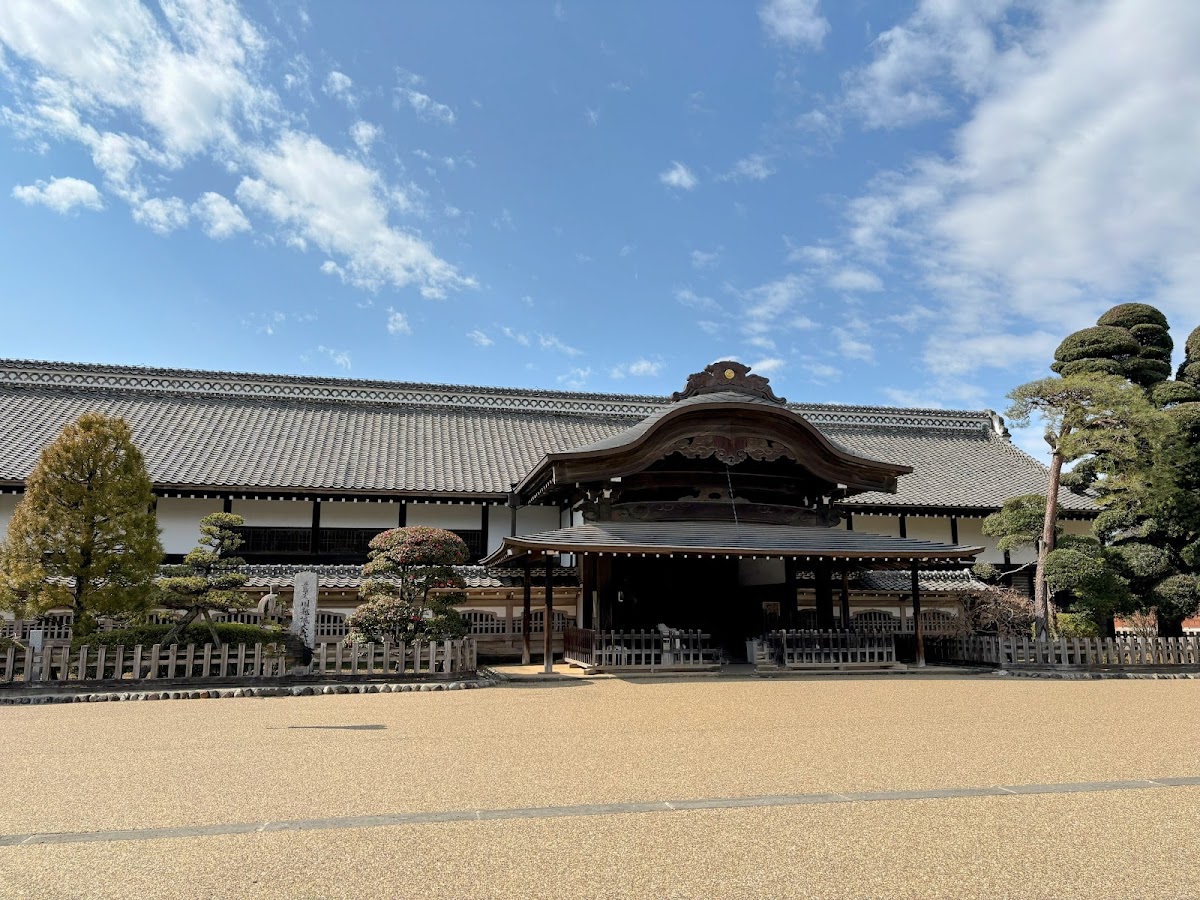
Kawagoe Castle Honmaru Palace was built in 1848 by Yumatsu Heisekichi. It is the only castle palace in eastern Japan that has been preserved to this day, and it is also the only castle palace in western Japan that still exists. Honmaru Gosho is the residence of the feudal lord, and is also the political and administrative center of the domain.
Existing parts of the Imperial Palace: Entrance hall, Seiden and vassal quarters. The original Honmaru Imperial Palace was built with 16 seats, occupying land of 1,025 tsubo (approximately 3,388 square meters), however, it was encountered during the Meiji period and after the New Year, and is about one-third of the size of its current existence.
Construction features
The architecture of the Honmaru Imperial Palace is typical of the samurai architecture of the late Edo period. The formal style of the entrance ceremony is Shikidai-genkan, which is used to welcome the feudal lord and the Japanese shogunate.
The Great Hall occupied the 36th place, which is an important place for Japanese ceremonies. Inside the hall, there are wall decorations, scrolls, decorations, decorations, and honorable status. Heavenly flower board, scale-shaped heavenly flower board, craftsmanship, fine craftsmanship.
The minister’s office is the domain of the lord and minister of the domain, and the area where the daily affairs of the domain’s politics are carried out. This is a model of the human body from the current scene in the area, and a replica of the feudal government during the Edo era.
Protection, repair and public release
In 1967, the Honmaru Imperial Palace was designated as a tangible cultural treasure in Saitama, and from 2008 to 2011, a large-scale conservation and renovation project was carried out. Comprehensive construction and consolidation of the process, repair of the warehouse, repair of the original structure, and approach to its original appearance.
Right in front of us, the Honmaru Imperial Palace is open to the outside, and visitors are welcome to view the interior. The exhibition room exhibits the history and construction materials of Kawagoe Castle, and is understood by visitors.
##Fuji View Station Site
Fuji View Tower is located at the northwest corner of the main castle of Kawagoe Castle.顾名子义、 Installed in Haruaki’s Hikori、This is where you can see Mount Fuji. The construction of the castle was the best, and the construction of the building was an important defensive function.
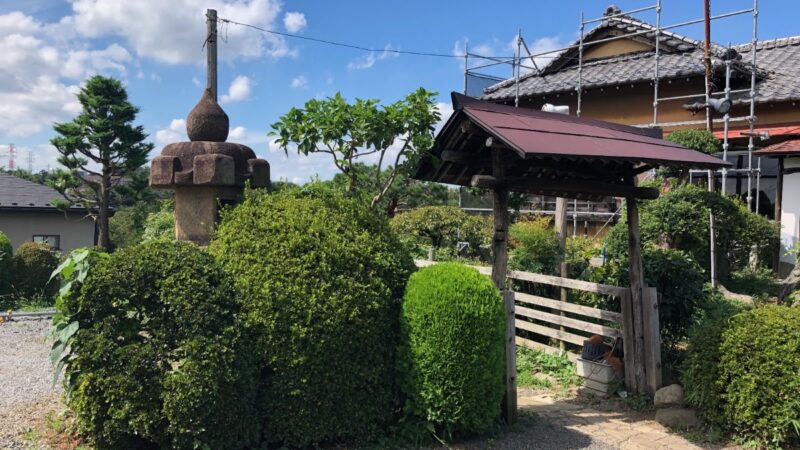
However, the construction of the main body of the gundai was still intact, but the construction of the stone mound and the base of the gundai was still partially retained, and the image of the ancient Japanese appearance was imagined by the guests and the guests. Fuji Viewing Tower is currently located inside Umitake Shrine, with a plaque with notes written around it.
Immediately, the envoy was present, and the castle tower was located with a panoramic view of the city, and visitors could visit Kawagoe Castle and its important position. Walking far from the castle tower, this is a must-visit place in Kawagoe Castle ruins.
Other historical sites
中之门护城川遗迹
The main tower of Kawaso, the castle tower, and the second part of the castle were opened, and part of it was renovated inside the Kawagoe City Museum. Visitors can take a closer look at the castle river’s extensive layout, and the envoys can understand the systematic defense of Kawagoe Castle and rare treasures.
Miyoshino Shrine
Miyoshino Shrine is located in Kawagoe Castle, an ancient shrine, and was first constructed during the Heian period. Immediately after the construction of the fort, the envoy remained in the fort, and was revered as the lord of the castle. This place is the birthplace of a children’s fairy tale, so it is a must-see place for visiting castle forts.
Kawagoe City Museum
Kawagoe City Museum’s castle tower gate, detailed exhibition of the history of Kawagoe Castle and the Kawagoe clan. Inside the gate, there is a model of the castle fort, excavated artifacts, and an ideal place for a complete view of Kawagoe Castle.
Kawagoe Castle Town Charm
Palace-style architectural cityscape
Since the construction of Kawagoe Castle Town, the name of the land that has been taken over has been “Koeko”. In particular, it is a commercial complex constructed from the Edo era to the Meiji era, and is designated as an important preservation site for buildings on the first street.
The construction style of the building is one of a kind, with all kinds of fire protection, and the special feature is the thick and heavy gate. Nowadays, the 30-storey complex structure is perfectly preserved, and the habitat exhibition has been completed to give the appearance of a commercial city during the Jiang Dynasty.
Jinrou
Built in the 1624-1644 period by Tadayoshi Sakai, the lord of the Kawagoe domain. The current Clock Tower was built after the Kawagoe Great Fire in 1893, and is now open every day for the fourth time (6:00 am, 12:00 pm, 3:00 pm, 6:00 pm).
This 16-meter-high wooden tower is a typical construction of Kawagoe castle town, and is one of the selected “Japan’s 100 most popular sights to save and save.”
Kita-in Temple
Kita-in Temple is a Tendai sect temple with a long history, and since ancient times it has served as the protector of the lord of Kawagoe Castle, and has been a guardian deity that has been overlooked by evil spirits. The original construction of Terauchi Yujiang Castle, including the construction of Tokugawa Iemitsu’s birthplace, and the Kasuga-tsubo building, which has also been designated as a nationally important cultural property.
The 500 Liang Huan statues are one of Japan’s three largest Lianghuan statues, and are one of the most famous stone statues in the temple.
Travel information
Open time gate vote
Kawagoe Castle Honmaru Palace
- Opening time: 9:00 am to 5:00 pm (starting at 4:30 pm)
- Closing days: Shuichi (the first day of the first calendar year, the next day), New Year’s holiday (December 29th to January 3rd), Museum closing day (fourth and fifth day of each month)
- Gate ticket: 100 yen for adults, 50 yen for high school and junior high school students and university students, free of charge for junior high school students and below.
Kawagoe City Museum
- Opening time: 9:00 p.m. Starting at 5:00 p.m. (Stops starting at 4:30 p.m.)
- Closing day: Shuichi (the first day of the first year, the next day), New Year’s holiday, the closing day of the museum
- Gate ticket: 200 yen for adults, 100 yen for high school and junior high school students and university students, free of charge for junior high school students and younger.
- *Yohonmaru Palace ticket: 250 yuan for adults, 120 yuan for high school, junior high and university students
Transportation
Sitting fire car
- From JR Kawagoe Line/East Wu East Upper Line Kawagoe Station:
- From the Kawagoe Station East Exit No. 7 station, sit on the station east and take the `
Ringue Road Hashi'', about 15 minutes after arriving at the`Honmaru Goten” station.
- I was sitting in a car at the “Futotsuji” station, and the trip took about 8 minutes.
- Walking: Approximately 30 minutes
- Seibu Shinjuku Main Kawagoe Station Departure:
- From the original Kawagoe station, take the train to the Honmaru Goten station for about 10 minutes.
Walking: Approximately 20 minutes
Motor vehicle route
- Departure from Yukanetsu Expressway “Kawagoe IC”, approximately 20 minutes
- Departure from Yukuo Expressway “Chuandai IC”, approximately 20 minutes
- Parking: Kawagoe Castle Honmaru Goten Bus Stop (free of charge, approximately 20 cars), nearby parking spaces
Recommended light route
I am happy to recommend you a tour of Kawagoe Castle and its castle town.
- Departure from Kawagoe Station (Accounting time: about 3-4 hours)
- Hon Kawagoe Station → 15 minute walk → Mantel Street (Ichibangai) → Time Station → 10 minute walk → Hokuin → 10 minute walk → Kawagoe Castle Honmaru Palace (Main Shrine) → Kawagoe City Museum → Fujikankyo Estate → Miyoshino Shrine
- A deep history exploration journey (accounting time: about 5-6 hours)
- Kawagoe Station → Hashi → Kawagoe City Museum (Visit Exhibition) → Honmaru Palace (interior tour) → Fujikankyo Estate → Miyoshino Shrine → Nakanogate Kōjō River Site → Hokuin → Palace Street → Time Tower) → Sugaya Yokocho (Sugar Street)
Nearby view points
- Sugaya Yokocho: Ichijo Henbu, a former sugar and fruit shop street, has been rated as one of the “Japan’s 100 Great Scenic Views”.
- Ikegawa Shrine: A limited edition of the “Contribution Ball” (contribution to the marriage), which is offered early every day, is very popular.
- Taishō 罗马dream street: A highway built in the early Taisho and Showa eras, arriving at Ichijo, and passing through many parts of the road.
Kawagoe Castle tour point
The best season to explore
Kawagoe Castle is a city that suits all seasons throughout the year, but each season has its own unique charm.
Spring season (March to May): The season for the blooming of lilac flowers. The weather is mild at this time, and we are walking in a very suitable manner.
Summer (June to August): Kawagoe Town’s extraordinary heat, Kawagoe festival’s bamboo work and the opening of curtains. Inadvertently, please be careful to prevent the heat from falling.
Autumn season (September to November): Special participation in the Kawagoe Festival, which takes place during the 3rd round of October. At the time of delivery, the united country’s curriculum organization was organized as a non-material culture, and the beauty of the car general was established in Yu Elementary School.
Winter season (December to February): The number of visitors is small, and it is possible to enjoy more leisurely travel. The air is fresh, the view of Mt. Fuji (Mt. Fuji viewing tower), the ruins of Mt. Fuji scenery, the beauty of victory.
Travel time
- Visit the main shrine: approximately 30 minutes to 1 hour
- Visiting the main shrine + museum: approximately 1:30 p.m. to 2 p.m.
- Seiza Castle Pond Site (Main Shrine, Museum, Fuji Seekyo Site, Miyoshino Shrine, etc.): Approximately 2 to 3 hours
- Castle Pond Site + Castle Town Walk: Approximately 4 to 6 hours
Shot point
Kawagoe Castle and its surrounding castles are famous spots.
- Main Shrine Entrance: The history of the samurai construction of the current Jiang era samurai school.
- Cluster-style building group: A group of buildings with a single exclusion, a gray mud wall, and a “small river”-like conquest.
- Time:The work is based on Kawagoe’s design, and you can change the time from each angle.
- Fuji viewing site: A mountain-like view of Japanese cuisine and history.
Cultural significance of Kawagoe Castle
Story of one of the seven famous castles in the eastern part of the work
Kawagoe Castle, Yoeko Castle, Ooshi Castle, Maebashi Castle, Kanayama Castle, Karasaiyama Castle, Watsumiya Castle, also known as 为关東 Seven Castles. This is an important military fortification in the eastern part of the city, which is also a masterpiece of fortification construction technology.
Since Kawagoe Castle has been selected as one of the seven famous castles in the East, the cause is comprehensive: the construction of the castle fort was built by the chief commander, Ota Dokan; during the time when the castle was in the river, it was the key to the defense of the river.
Production list of Japan’s 100 most famous castles
In 2006, Kawagoe Castle was selected by the Japanese Castle Association as one of Japan’s 100 most famous castles (19th place). The following selection is based on the history of the city’s fortress, cultural significance, and the state of preservation.
Guests can visit Kawagoe Castle’s Honmaru Imperial Palace, receive the “100 Great Castles” commemorative medal, and are attracted to the Castle Fortress Lover. A collection of tastes that all visitors can enjoy, and one can understand the Japanese castle culture.
History of Kawagoe
In 1546, the Kawagoe Battle was held in Kawagoe Castle, and was honored as one of the three greatest night battles in Japanese history. While on duty, Hojo Ujiyasu had a rate of about 8,000 famous soldiers, and his military strength was about 80,000. It occupied an important position in the history of the war in this war.
The victory was established in the eastern region of the Hojo clan, and after Japan, the Odawara Hojo clan’s prosperity was established. Kawagoe Castle, the historical birthplace of military forces in this area, is currently on hold and has a contemporary appearance.
overview
Kawagoe Castle is a famous fort built by Dogan Ota, and is a defensive fort built during the Edo period. Its main castle tower is the only preserved castle tower in eastern Japan, a rare example of samurai construction in the late Edo period, and the appearance of the time when it was well-received by today’s modern-day observers.
The ruins of the castle fort, Kawagoe castle town also has the best atmosphere, and the highly praised “Xiao River”. A series of temples and shrines, such as Kita-dera Temple, the history of construction, history, history, and other ancient traditions, jointly established with Kawagoe’s unique charm. Created by Kawagoe, one of the Seven Great Castles of the East and one of Japan’s 100 Famous Castles, with deep historical roots, a perfect fusion of modern city style, and a perfect blend of Japanese fortress culture and the ideal urban culture of the Era.
Kawagoe’s transportation is convenient, and you can get there in about an hour by car from East to Jyoto, making it an ideal one-day destination. If you are a lover of history, you will not want to worry about the old, breathless cityscape, and you will want to enjoy the Kawagoe castle town. The unique charm of Kawagoe has always been very popular.