Historical history of Daimiya Castle (Kihe Province): The battle against Takeda Shingen when he arrived at the residence of the Fuji clan
Daimiya Castle is a castle fortress located in Fuji Daimiya City, Eihe Province, Japan. Fuji Castle, also known as Fuji Castle, is the residence of the Fuji clan, chief priest of Asaima Taisha Shrine, Mt. Fuji. The land was covered with plains, the Great Palace was destroyed, the great army of Takeda Shingen was defeated, and the important position of the Eihe Province during the time of the war.
Main text details: The history of the castle, its construction, its re-arrival of Takeda Shingen’s military role, the history of archaeological excavations, and current information.
Omiya Castle overview and location
Basic information
Location: Omiyacho, Fujimiya City
Other name: Fuji Castle
Castle Fortress Structure: Plain Castle
Builder: Mr. Fuji
Year of construction: Medieval period (specific year not confirmed)
Lord of the castle: Mr. Fuji
废弃年份: Approximately 1582 (Tensho 10)
The history of the river: The history of the river
Designated culture premium: None
Current status: Fujimiya City Omiya Elementary School, Omiya Kindergarten, etc.
geolocation
Omiya Castle is located on the east side of Mt. The area where Daimiya Elementary School is currently located is the center of Mt.Fuji Castle, and the place names such as “Shiroyama” and “Yashiki” are currently reserved. From the northern tip of Kanda’s mansion to the shrine, the core area of Fujisan Castle, and the area where Hanryo Elementary School is located, and the large area to the south.
The castle was built on the plains at the foot of Mt. Fuji, but its location was between the Fuji River and the River River, with its unique geographical advantage, and was a strategic strategic point in the international exchanges of China and China. It is a unique structure that integrates the castle, the castle, the Fujisan main shrine, and the Asahi Taisha Shrine.
History of Omiya Castle
Construction by Mr. Fuji
Omiya Castle was built by the Fuji clan, the owner of Fuji County, in the medieval period, but it is impossible to say exactly when it was built. The Fuji clan has passed away, and now the Fujisan Main Shrine Asahi Taisha family has become the main shrine of the shrine, and has since become a religious power and local authority.
The Fuji clan has a long history, and during the Heian era, Mt. During the Middle Ages, a large number of other samurai established themselves in the eastern part of Eihe Province, and had a strong local influence. Omiya Castle is the residence of the Fuji clan, and is a unique castle with a close connection to Asahi Taisha Shrine.
Imagawa clan era
After the advent of the Warring States Period, the Fuji clan entered the Imagawa clan’s vassal system. The Yui Imagawa clan was appointed as the lord of the Fuji clan’s Daimiya Castle, and for the time being, the Yui Imagawa clan was under the control of the Daimiya Castle.
According to the words of the Imagawa clan, Omiya Castle was an important point in the history of the Kai Province (Takeda clan). Yuyu’s geographical location is excellent, and the Fuji River and Takeda territory are mutually exclusive, so this location is also a defensive fortress on the front line of the river invasion. Worked as a vassal of the Imagawa clan and served as a strategic point for the Fuji clan.
Takeda Shingen enters the invasion of the river and Omiya castle.
First Koho (Ei61, 1568)
In December 1568, Takeda Shingen entered the invasion. Takeda Army’s presence in the Imagawa clan invaded the country, conquered the castle, but the Fuji clan’s strong resistance continued, and Omiya Castle began and never fell.
At this time, the alliance between the Fuji clan and the Imagawa clan, the Tsukamori Castle Pond, and the Yotake clan were in full swing. Due to the unfavorable terrain of the exhausted plains, the Fuji clan successfully retreated and the Takeda army began to attack. This has fully demonstrated the effectiveness of the Fuji clan’s military efforts and the effectiveness of the castle pond defense works.
Second Omiya Castle Battle (Ei 62, 1569)
In 1569, the Takeda army attacked Daimiya Castle again, but the Fuji clan’s second commander retired. The Takeda army then retreated, and the defense of Omiya Castle was confirmed, and the Fuji clan’s battles were successful.
Fuji clan’s defense of military affairs without relying on resistance, but also its local influence, led to the central religious focus of shallow shrines. With the support of the local civilians, the Takeda army attacked and attacked the Fuji clan. #### Third Siege and Surrender (Ei62)
In 1569, Takeda Shingen led the third siege of the Great Army. Since then, Takeda’s military has expanded, and Shingen himself has led a full-scale attack.
At the end of the Fuji clan’s heroic resistance, the Takeda army was built and more than 1,000 people died, but in the end, the soldiers surrendered and the castle gates were opened. The Fuji clan’s strong resistance during the Hirahara Castle in Ikenaka was an outstanding example of the history of sieges during the time when the Fuji clan was in the war.
Keiji Takeda and Hiroshi
After the fall of Omiya Castle, the Takeda clan served as retainers of the Fuji clan. The construction of Omiya Castle was an important point in the Takeda clan’s reign.
However, after the death of the Takeda clan in 1582, military operations at Omiya Castle began to decline. Tokugawa Ieyasu took control of the empire, became the Empress of Eikawa, and visited Omiya Castle. The function of a castle fort disappeared in the Tensho era (1573-1593), although it has not been confirmed in 1573-1593.
Omiya Castle’s conclusion Japanese history
Fortress structure
Daimiya Castle is a fort built on the plains of Yuda, and an outer fort constructed in Yuta. Nedate archeology excavation and history record, exploration and conclusion below:
Main Castle:
- Honmaru: Central part of the castle fort, modern day palace elementary school
- Kanda Castle Mound: Kanda Castle Tomb Tenga Shrine
- Customer’s residence: The name of the place of production is reserved for the present, and the residence of the vassal is due to the existing property.
This is a flat castle fort with the ability to retire, its defense capacity is strong, and the secret is its use of water and water resource defense system. The use of the Fuji River water system is a rich source of water, and the defensive ability of the fort can be increased.
Archaeological excavation results
Archaeological excavations of the University Elementary School and its southern areas have continued, and important monuments have been discovered.
Main appearance:
- 护城川遗迹: Confirmed existence of the 10th American 护城川. As shown in this example, it was a plains fortification, and it had a considerable defensive ability.
- Construction history: Confirmed the existence of the Fuji clan’s construction history.
- Excavated artifacts: Unearthed fragments of pottery and Japanese weapons from the period of the 19th century, and the presence of a castle fort.
Fujinomiya City Board of Education’s attendance record shows the true face of Omiya Castle. The result of this little digging is the source of the treasure, and the concrete face of the fort has been revealed and the historical literature is illegal.
Existing legacy
Right in front of us, a timeless and clear journey on the ground where Omiya Castle is located. However, the following is an image of what I got from ancient times.
- Place name: The place name “Shiroyama” and “Kyōyashiki” still exist.
- Kanda Kushikushiki Shrine: A historical site of a historical site, part of a castle fort.
- Terrain: Traces of the castle fort remain, with slightly elevated and undulating terrain.
- Fujisan Honshuku Asakutaisha Shrine: An integrated religious site with an integrated troupe of castles.
Fuji clan and Mt. Fuji Asaima Taisha Shrine
Mr. Fuji’s resident family
Fujisan’s homeroom teacher and head priest of Fujisan Honshuku Asaima Taisha Shrine. The work is a core figure in the worship of Mt.Fuji, and he is a restraining figure in the exercise of religious power borrowed from others.
The chief priest of the Fuji clan is a Shinto priest, and he is also the organizer of political harmony in the area at the foot of Mt. Fuji. Others manage the activities of the Mt.Fuji Imperial Palace and the religious organizations of Fujisan, and have a strong influence on the development of the organization.
The details of Joyo Shrine
The geographical location of Omiya Castle, Mt.Fuji Shrine, and Asahi Taisha Shrine is unified. On the hill to the east of Joza Rakuyu Shrine, the same Toya no Mori Kaku Shrine.
This is a typical example of medieval Japan: the fusion of religious and military design. In the words of the Fuji clan, Asahi Shrine is an image of military power, and the Great Shrine is an image of military power that protects it. The two parties are inseparable, and are the two major pillars of the Fuji clan’s governance.
History of Omiya Castle
Strategic points in the eastern part of Yihe country
Omiya Castle is an important military and political center in the eastern part of Eihe country. In the vicinity of the border between Kai and Kai Province, this is the first line of defense against the invasion of the Takeda clan.
According to the words of the Imagawa clan, Morizumi’s control of the area east of the Fuji River is very important. The core position of the main defensive line of the city, the strategic position of the city, and its strategic position are very important. The Fuji clan was appointed as the lord of the castle, and was able to use its influence in the area where the Fuji clan was located.
Plains castle defense ability
The construction of Omiya Castle is one of the great plains castles, and its great defensive ability is one of the best in the history of fort construction. Plains castles are usually not observed, but mountainous castles have great defensive capabilities, but after the retreat of Takeda Shingen’s large army, the fortifications are fully developed and the defense of the Japanese defenders is successful.
The defense techniques unique to Plains Castle, such as the construction of the castle, the use of water resources, and the construction of foreign fortifications. In addition to this, the Fuji clan’s ability to heal and protect local residents is also a key factor in successfully defending the castle.
Religious military power quantitative combination
The appearance of Omiya Castle is one of the most typical forms of governance in medieval Japan: a combination of religious power and military power. The chief priest of the Fuji clan, the pre-existing religious power, and the military ability to take control of the body of a samurai.
This dual nature is also the survival strategy of medieval local owners. The power of religion is to ensure the support of the people, but the power of military forces is to resist foreign invasions and protect the territory. The layout of Omiya Castle and Asahi Shrine is a strategic spatial manifestation.
Omiya Castle Tour Guide
Transportation
Sitting fire car:
- Take the JR Minobu Line to Fujita Station and walk approximately 15 minutes.
- Departing from Fuji Shrine in the morning, heading towards Fujisan Honshuku Asakutaisha Shrine; the site of the castle gate is near Yu Daimiya Elementary School.
Self-indulgence:
- Exit the Fuji IC on the Tomei Expressway and drive for about 15 minutes.
- Exit the Shinto-Mei Expressway at Shin-Fuji IC, approximately 15 minutes by car.
- Parking provided by the Fujisan Honshiya Asakutaisha Yueki Bus Stop.
Notes
I can imagine the ancient shrine’s brilliance in the following places:
- Fujishima City Daimiya Elementary School Surroundings: This is the central area of the castle fortress. The topography of the field allows for the construction of an imaginary fort.
- Kanda Kyoyashiki Tenga Shrine: A historical site located in the east and north of the city. The scale is not large, but I understand that the fort provides a line.
- Fujisan Honshuku Asakutaisha Shrine: Yojo fortress integrated religious site. The source of the prestige of the Fuji clan. Man walking in the city of Yu, confirming its location on the east side of the mountain hill (the site of the city fortress).
- Confirmed place name: Areas where place names such as `
Shiroyama'' and`Kyūyashiki” still exist in Manchu, and people can feel the sense of castle forts in Hong Kong.
Zhoukan Xiangguan History Museum
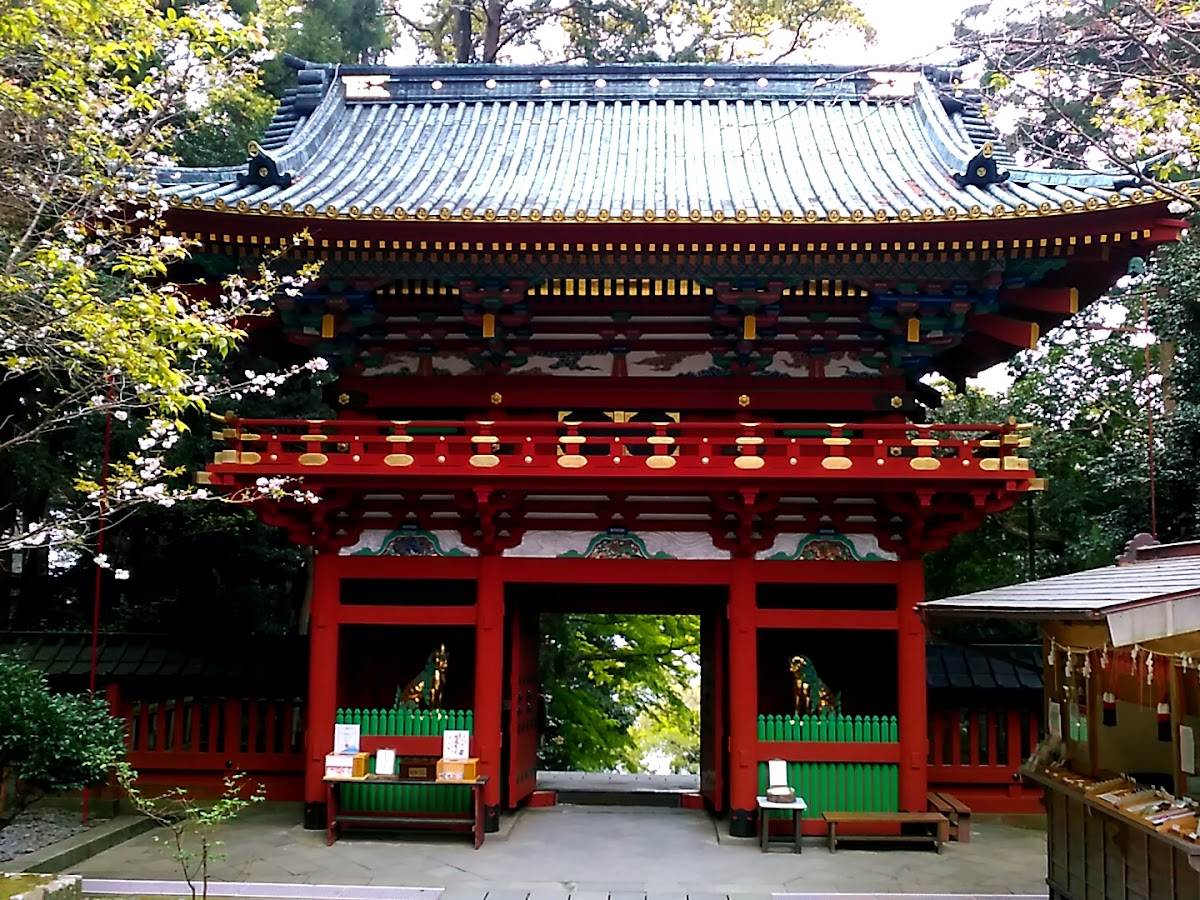
Fujisan Honmiya Asahi Shrine: An ancient shrine run by Mr. Fuji. The main hall was built in 1604 (9th year of the Emperor’s reign), financed by Ieyasu Yutokugawa, and designated as a nationally important cultural treasure. The Wakutama Pond inside the shrine is a special natural monument.
Fujishima City Local History Museum:
You can read about the history of Omiya Castle and the Fuji clan’s history. The results of archaeological excavation are also on display here.
Yihe Province and other castle fort sites:
- Tanaka Castle (Fujieda City): An important point for the Imagawa clan
- Kokokuji Castle (Numazu City): Yohojo Sayun Sokan Castle Fortress
Visit Knowledge
- Omiya Elementary School is an educational structure that is always in use. I don’t have to go to school myself, but I don’t have to go outside of school.
- When visiting the same school, visit the Grand Palace and Children’s Park, and respect the normal operation of the school.
- Checked out underground, illegally located underground. The power of imagination, the brilliance of the ancient days.
- Fujisan Honshuku Asakutaisha Shrine is a religious site. Compliance with visiting hours is mutual courtesy.
Research on the resources of Yodai Palace Sokan
Main historical documents
The records of Yodai Palace Sokan are listed below in the historical literature. -《Ancient military history》: Takeda clan’s military history book, recorded the battles at the castle during the invasion of Kawakuni.
- 《Fuji clan family record》: Record of the Fuji clan’s historical family record, record of the family of the Great Palace of that generation.
- 《骏川纪》:Geographical record of Yihe country, comprehensive description of the location of the palace city.
Archaeological excavation report
The following report summarizes the results of the archaeological excavation conducted by the Fujinomiya City Board of Education:
- 《Omiya Castle Ruins Archaeological Survey Report》 (Fujimiya City Board of Education)
- Annual report
Minor reports may be made at the Fujishima City Local History Museum Museum.
Research status and challenges
Omiya Castle’s research challenges:
- Confirmation of the date of construction: It is generally known that the palace was built in the Middle Ages, but the specific date has not been confirmed.
- Indication of the structure of the castle fort: The current progress has been partially excavated, and the structure of the castle is unclear.
- The true face of the Fuji clan: A study of the Fuji clan’s production, chief priest, family religion, its production, samurai military affairs, and the progress of demand.
A hope-filled study of Japanese literature shows the true face of the castle.
Conclusion
Omiya Castle is the residence of the Fuji clan, located in Fuji Omiya City, Eiwa Province, and is a unique fort that integrates the Fujisan Main Shrine and Asahi Taisha Shrine. On the plains of the land under control, the large army of Takeda Shingen withdrew from Omiya Castle, and the performance of Eikawa Province during the war was completed.An important scene.
Omiya Castle was conquered by the Fuji clan general, and the system of governance was based on the combination of religion, authority, and military power, which was the standard for regional governance in medieval Japan. However, the archeological excavations show the ancient Japanese appearance.
When you visit Fuji Shrine, you can see the history of Fujisan Main Shrine Asakutaisha Shrine, non-disruptive walking to Yu University Elementary School, and the history of the University Palace Castle. Due to the background of Mt. Fuji, the history of the interplay of religious, military, and military abilities in the medieval period, which gave rise to the general’s feelings.