Guidance on the completion of Dungeon Castle: history of red tile castle tower, light point communication information
Atsushi Castle (Wakamatsu Castle) is a famous fortress built on Fukushima Island in Aizuwakamatsu City, and is Japan’s only famous castle with a red tile castle tower. This was a historical old city that was around 630 years old, and during the Boshin War, it was finally occupied by the new government’s fierce attack. The main text is full-length information that you can read and understand before visiting Dungeon Castle, comprehensive history of Dungeon Castle, and communication information from the highlights of the castle tower museum.
Is this Dungeon City? :Aizuwakamatsu city exhibition
Tsuka Castle, officially known as “Wakamatsu Castle”, is one of Japan’s top 100 castles, and is located in Otemachi, Aizuwakamatsu City. The city’s fort is named “Dunya City”, and its current work is “Dunya City Park”, most of which are designated as national historical sites.
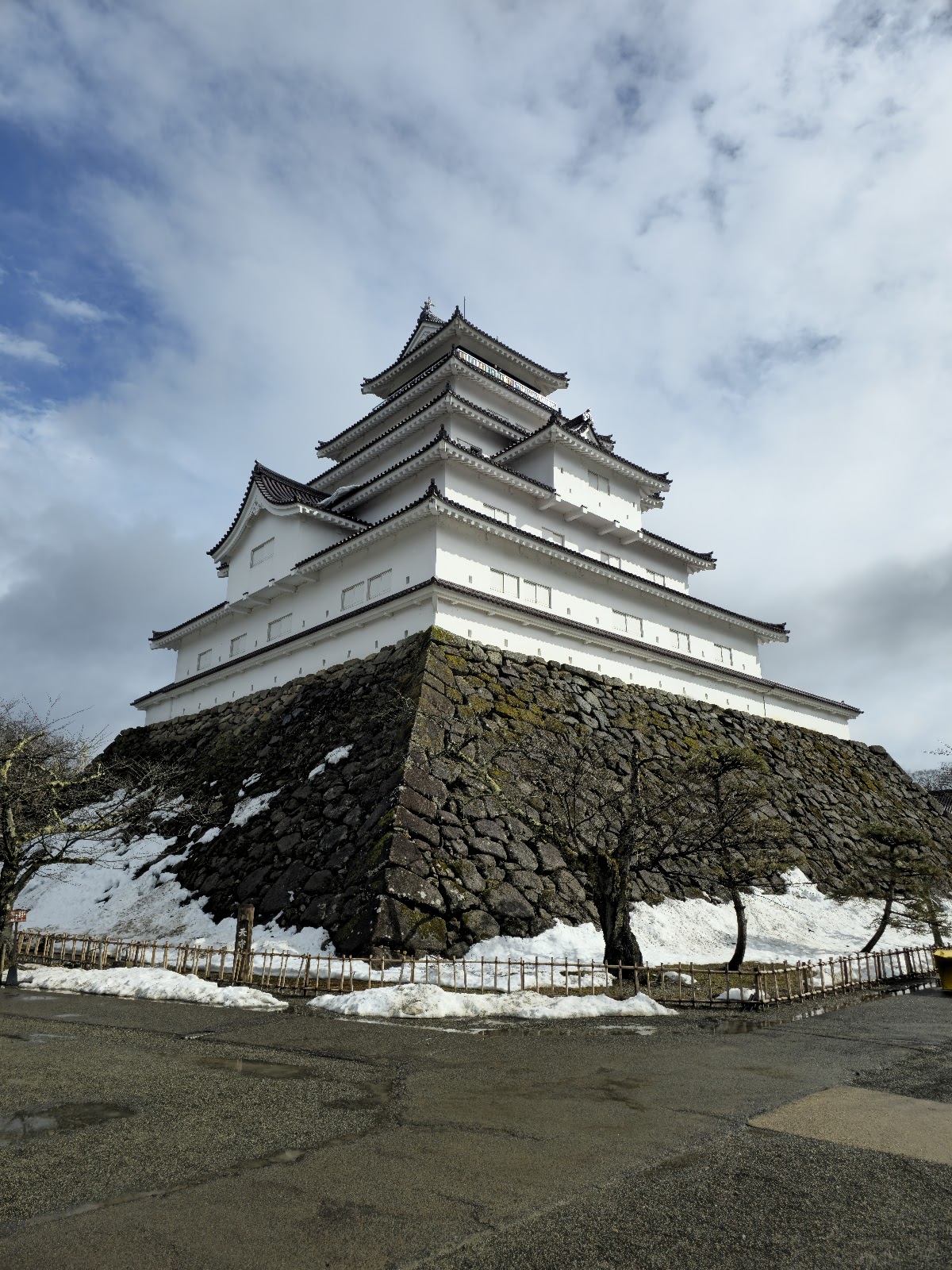
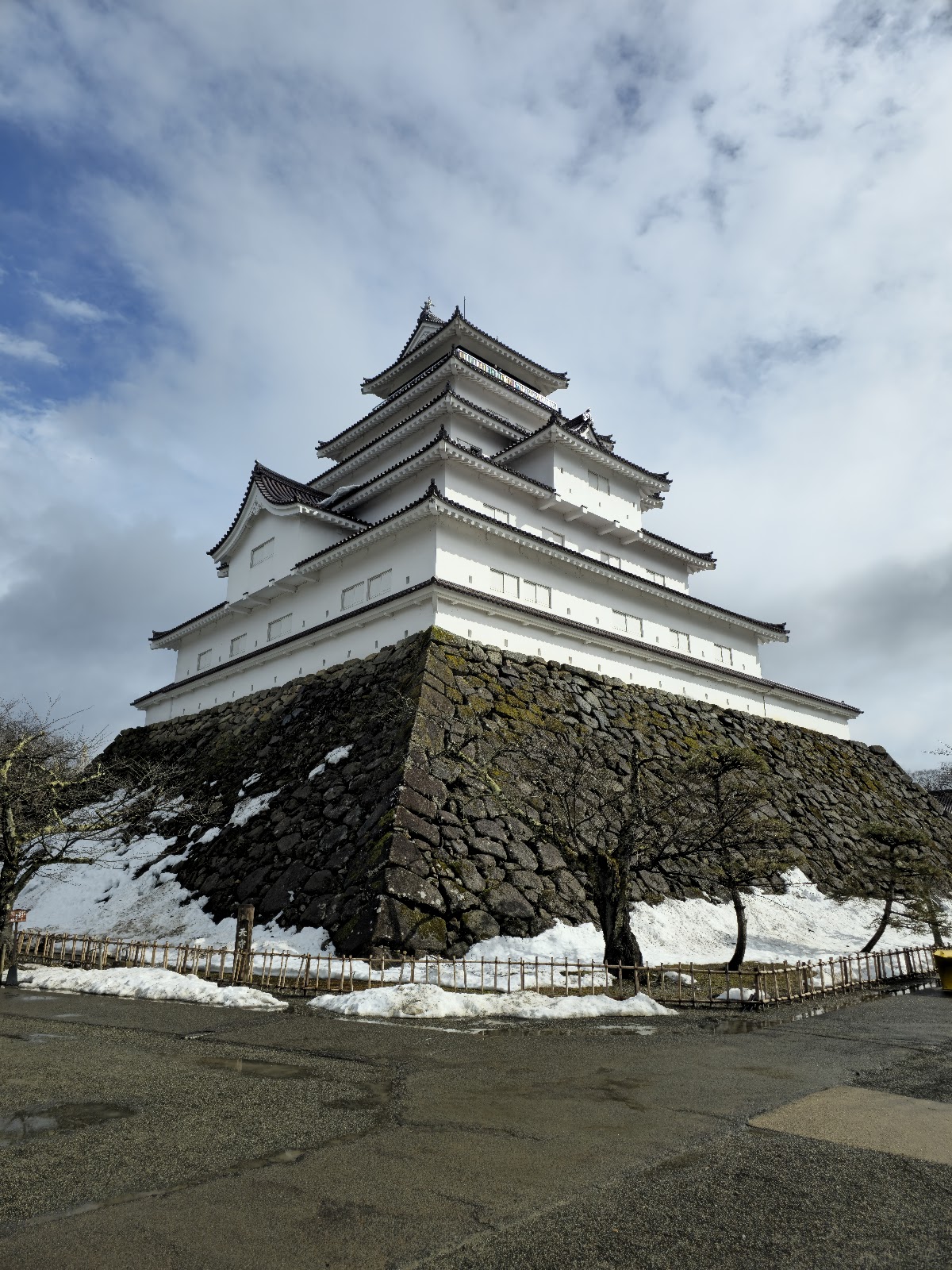
Dungeon City’s most famous special attack was the red tile castle tower, and the castle tower was repaired in 2011. Dungeon Castle is Japan’s only castle tower with a red tile roof. The red tile castle tower has been restored to its appearance in the late Jiangzhou period, is an important cultural legacy, has a long history in the Aizu area, and attracts a large number of visitors.
The history of Dungeon City: over 630 years
Muromachi period: Tokurokawa mansion-like construction
The history of Dungeon City was traced back approximately 630 years ago in the first year of Shide (1384). In the 1990s, Naomori Ashina completed construction of the Kurokawa residence, which is believed to be the predecessor of Atsushi Castle. A feudal lord from the time of the war in the Aizu area.
From the time of the war to the Azuchi-Momoyama era: forward mature castle pond
In 1593, Uji Gamo, a vassal of Hideyoshi, was appointed lord of Aizu Castle and completed the construction of the first complete castle in eastern Japan. The castle pond was named “Tsutaka Castle” by the general manager, and the exhibition ended in Aizuwakamatsu Castle Town. In other words, the shape of the figure in Dungeon was formed at this time.
Empress of the Gamo clan, Uesugi Keitoshi was the lord of the castle. After the war of Ibara, the Gamo clan became the next lord of Chengdu Castle, and after that, the Kato clan. In 1643, Masayuki Hoshina took over the title of lord of the castle, and after this, during the Meiji period, the Aizu Matsudaira clan (Hoshina clan) generation took control of the castle.
Post-Jiang era: Battle of Boshin and the Castle Pond
In 1868, during the Battle of Boshin (4th year of the Edo era/1st year of the Meiji era), the Dungeon Castle was in full swing throughout Japan. While the new government’s army and the Hara Shogunate’s army were currently in charge of the battle, the Aizu domain station was still in the Hara Shogunate’s headquarters.
After a month-long battle for the castle, the new government’s army was ignited fiercely. Written by Dungeon Castle, where the white tiger army was brutally sacrificed, it is also the viewer of the Aizu War in which women participated in the war, and it is also known as the historical record of “Unable to Take Control.” However, the Aizu domain finally surrendered, and Shiroikeya transferred to the new government.
Meiji era new empress: strength and strength
In 1874 (Meiji 7), Yuyu government policy removed the castle tower of Dungeon Castle. After this, the castle tower became longer and longer, and in 1965 (Showa 40), the tower was rebuilt with a single seat of steel and mixed clay.
In addition, in 2011 (Heisei 23), the restoration process for the red tile roof of the castle tower was completed, and the building now looks as good as it does now. The repair of this red tile shop has been verified and is the basis of the most accurate examination of the history of the world.
Castle Museum Museum Ryoten
Works inside the castle tower of Tsuruga Castle “Wakamatsu Castle Castle Local History Museum” have been released and exhibited a wealth of Aizuka historical materials.
Each layer exhibition item
The castle tower is constructed in five layers, and each layer is uniformly designed with different main themes. The first section provides an overview of the history of Aizu, the second section exhibits exhibits related to the battle between the Boshin and the Battle of the Empire, the third section exhibits changes in castle lords and the construction style of forts, and the fourth section provides an overview of Aizu’s culture and technology.
The collection of exhibits related to the Battle of Boshin is especially rich, with a large number of white and tiger-like artifacts on display, as well as materials from scenes from the Battle of the Battle, including the weapons of the time. This is a rare piece of the exhibition, and visitors will be able to experience the story of Aizu samurai’s loyalty and tragedy.
View of the castle tower
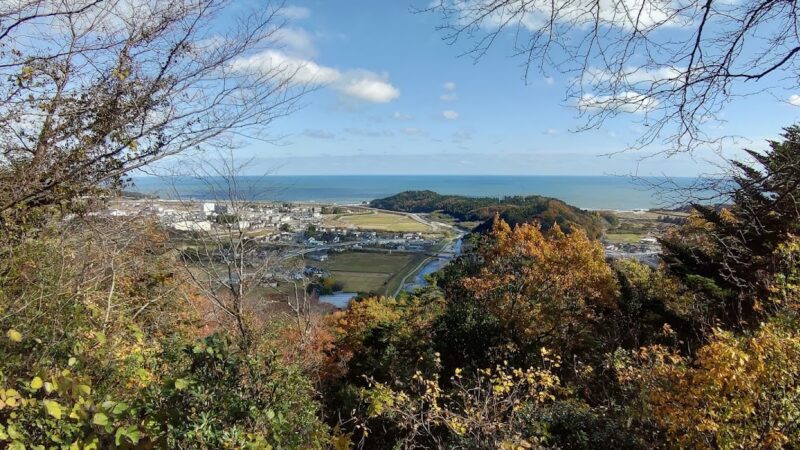
A 360-degree panoramic view of Aizuwakamatsu City, a comprehensive view of Mt. Bandai and its surroundings. From spring flowers to red leaves in autumn, the four seasons of the year bring joy to the beautiful scenery. In particular, this is the season when the flowers are in full bloom, and it is said to be one of the “Japan’s 100 Greatest Victorious Places”, where the flowers and castle towers interact with each other in Dungeon Castle Park, and it is composed of a magnificent picture book.
Features of red tiles
Unique production technique for red tiles in Tsuruga Castle, suitable for the Aizu area. In the cold area of Aizu, regular black tiles were selected for use in cold weather and red tiles that were more durable. This is a small red tile with unfinished glaze system, now appears reddish-brown, and it has been used since it contains a high amount of iron.
In front of us, Dungeon Castle is Japan’s only red-tiled fort with a castle tower, and its rare beauty attracts many castle fort lovers and Japanese film lovers.
Tonka Tea Room: A famous tea room built by a descendant of Sen no Rikyu
A rare piece of construction of the famous Yuichiza tea room in Dungeon City. The tea room was constructed under the auspices of the Gamo clan, which had important historical significance.
The tea room is a Japanese-style dim sum with the taste of matcha and Aizu. The architectural style of the tea room is also a great point, and it has achieved the Rikyu school’s refined aesthetic philosophy.
View information: Opening time and gate vote
Castle tower opening time
- Opening time: 8:30 am to 5:00 pm (last entry time is 4:30 pm)
- Closed date: Open all year round
The opening time is the same throughout the year, but it is possible to adjust the base season or the active location. Please read the official post before visiting.
Dungeon City Tower Museum Gate Ticket
Personal Voucher
- Adult: 410 yen
- Junior and elementary school students: 150 days
Popular votes (more than 30 people)
- Adult: 360 days
- Junior and elementary school students: 135 days
Lie ticket (Dunxu City Tower and Lianxian Tea Room)
- Adult: 520 yen
- Junior and elementary school students: 150 days
The remaining injured personnel and one of their accompanying personnel may be certified and exempted from the fee. In addition, there are various types of discount tickets available for visiting the Aizu Wakamatsu Tourist Office, or you can buy a ticket for the tour, or you can purchase a ticket for your own car.
Dungeon City Park Gate Vote
A walk through the Dungeon City Park is free of charge. A request for a tea room, a natural museum inside the castle tower, has been submitted.
Communication information: How did you go to Dungeon City?
Fire car
From JR Aizuwakamatsu Station
- Sit down and take a look at “Haikara-san” or “Akabee”, about 20 minutes, get off at “Dunshu City Entrance”, walk 5 minutes, and you can arrive immediately.
- Take a tour of the city, take about 15 minutes, and get off the train at the North Entrance of Dungeon City.
- A seated taxi can be reached in about 10 minutes.
Tourist is a convenient transportation tool that is a major scenic spot in Aizuwakamatsu City. One-day pass (600 yuan for adults, 300 yuan for children) is available.
Car route
- Departs from the Aizuwakamatsu IC on the Banetsu Expressway, approximately 15 minutes away.
- Departs from the Aizuwakamatsu IC on the Banetsu Expressway and the Koriyama JCT on the North East Expressway, approximately 15 minutes away.
When the car was on its way, it was built and imported to “Tsunaga Castle Park” or “1-1 Otemachi, Aizuwakamatsu City.”
Private car rental
JR Aizu Wakamatsu Station and many other locations within the city provide rental service for private vehicles. Aizuwakamatsu area is flat, very suitable for self-traveling. It takes 15 minutes for the car to arrive at Dunsong City. It is convenient to drive around Dungeon City, and you can drive around Matsumae as a scenic spot.
Car stop information
There are three parking lots near Dungeon City.
Nishidemaru bus stop
- Capacity: 200 standard cars
- Payment: 200 yuan per hour, 100 yuan per hour thereafter
- Location: Nearest parking spot near the castle tower
East entrance stop
- Capacity: 129 standard cars
- Payment: 200 yuan per hour, 100 yuan per hour thereafter
South Entrance Parking Area
- Capacity: 35 ordinary cars
- Payment: 200 yuan per hour, 100 yuan per hour thereafter
I own a regular car that can’t be parked anywhere, and a large car that can’t be parked anywhere. The season of flowers and the golden period of travel, the appearance of the accounting meeting, and the early completion of the construction.
Dungeon City Tower Museum Store
Dungeon City Tower Museum Store is located in the first floor of Yucheng Tower, where you can buy Aizu special memorabilia and Dungeon Castle original products. The store offers a wide variety of Aizu specialties, including Aizu lacquerware products, Akaushi products, and local sake from Aizu’s famous spots.
Among them, the original product was sold as a red tile, and the title of the product was accepted. This trivial product is the perfect souvenir for your next trip, and is also the ideal choice for your friend.
Activities
Dungeon City’s all-year-old urban activities are in full swing.
Major annual activities
Spring: Dungeon City Castle Flower Festival (mid-late April)
Approximately 1000 yoshino trees are opened, and the castle lanterns shine brightly at night. One of the acclaimed “Japan’s 100 Greatest Victories” is the red tile castle tower, which is decorated with oak flowers, and is a beautiful victory.
Autumn: Aizu Festival (late September)
Aizu Festival is an important cultural event in the history of Aizu, and a comprehensive performance by the Aizu domain lord’s tour. Our activities are centered around the construction of castles, and we are active in all the castles.
Winter: Dungeon Castle Light Mitsuhide
In winter, Dungeon Castle Association’s special light Mitsuhide, General White Snow Gogo’s castle tower was equipped with a bright light.
Special exhibition
Items on display at the Castle Museum Museum’s regular special exhibitions. The main themes of the exhibition are the history, culture, and aesthetics of Tomita City and Aizu. The latest exhibition information is available on the Aizu Wakamatsu Tourist Office’s official station.
Zhoujian scenic spot
The following are some of the scenic views that you can remember after visiting Dungeon City.
Goen Garden
The garden is the Matsudaira family’s garden in Aizu, and it takes about 15 minutes to walk from Atsushi Castle. The production is a national scenic masterpiece, and the garden has four seasons.
Nanakamicho Street
The Kojo Kaido road has been preserved, and is full of old-fashioned looks from the Taisho era, full of romance. Along the highway, you can also visit the mall-style building, the museum, the gallery, and the Japanese memorabilia store.
Yan Shushan
Yasoriyama is the historical site of the White Tiger Army. A bird’s-eye view of Wakamatsu Castle in Aizuwakamatsu City. ### Aizu samurai residence
This is the current residence of a high-ranking vassal of the Aizu domain. The life of a samurai during the Edo period.
Dungeon City promotion itinerary
Half-day trip (about 3 hours)
- Visit Atsushi Castle Tower (60 minutes)
- Matcha Tea Ceremony at Zainan Tea Ceremony (30 minutes)
- Manwalk Dungeon City Park (30 minutes)
- Souvenirs purchased from museum stores (30 minutes)
- Lunch at the local restaurant (60 minutes)
Full-day trip (approximately 6 hours)
Morning afternoon: Dungeon City → Dungeon Tea Room → Goen Garden
Lunch: Nanakami Town Restaurant
Lower morning: Mt. Yan → Aizu Samurai Residence → Manpo Shichigami-cho
It is possible to take a self-propelled car or sit on a bicycle to see the light, and the main scenic spots in Aizuwakamatsu City.
Sightseeing spot
There are many beautiful spots in Dungeon City.
Recommended spot
Kitademaru Viewing Platform
This is the place where the main tower is completed. When the cherry blossoms bloom, the scenery is especially confusing.
In front of Nishide Maruishibaku
The commander of the castle tower and the castle tower were all apprehended, and the fortress was magnificent.
The castle tower on the bank of the river
The “inverted Dungeon City” in Kachu is a hot spot.
Tenshu 阁顶layer viewing platform
This is the perfect vantage point, with a magnificent panoramic view of the Aizu Basin and surrounding mountains.
Visitor knowledge
- The tower ladder inside the castle tower is suitable for wearing shoes.
- Inside the castle tower, the light is allowed, but the exhibition item is protected, and the use of lights is prohibited.
- Smoking is prohibited in the park. The designated smoke area is smoke.
- In addition to assisting dogs such as removing blind dogs, they are not allowed to enter the castle tower. ——At the end of the Western period, the number of visitors to Aizu Castle increased, so we had a lot of time to build and enjoy the park.
Understanding Aizu History
Before visiting Atsushi Castle, I have already understood the history of Aizu, and I will deepen my understanding of the history of the Boshin War. Below are the main questions:
- The origins of the Aizu domain and its lords
- Progress of the Boshin Battle and Aizu Battle
- The White Tiger’s Tragedy
- Yae Niijima (from Aizu, founder of Doshisha University)
- Aizu Domain’s “10 poems” Japanese Bushido spirit
The more knowledgeable the generals are able to understand, the more easily the museum exhibits in the castle tower, and the more seriously the history and culture of the people of Aizu.
Overview: Aizu’s history and culture
The history of the castle was around 630 years old, and the history of Aizuwakamatsu City was covered by the history of the castle, which was not built during the Boshin War period. It is the only castle in Japan with a red tile castle tower, and it is a beautiful Japanese restaurant with no history.
In the Tenshu Aki Museum, you can find all kinds of historical materials in Aizu; in the Aizu tea room, in the Tonka tea room, you can find the matcha of Sen Rikyu Sokan. The scenery of Dungeon City in each season is different: the spring sky is full of flowers, the summer sky is green, the trees are blooming, the autumn sky is red, the leaves are like fire, the winter sky is white and snowy.
Convenient transportation from Aizu Wakamatsu Station to Atsushi City. In addition, there is also ample parking near Dungeon City, and it is convenient to drive around. When Dungeon Castle meets all kinds of people, there are people who love history, who wander around the castle, and who come to Japan who love movies. Take a self-visiting tour of Kouya’s fort, and feel the history and culture of Aizu. The history of Aizu’s people’s defense of arrogance and arrogance.