A Thorough Explanation of the History and Remains of Iinuma Castle (Ibaraki Prefecture) | What are the Differences Between the Two Iinuma Castles?
There are two castles called “Iinuma Castle” in Ibaraki Prefecture. One is the residence of the Sakurai clan, located in Kami-Iinuma, Ibaraki-machi, Higashiibaraki-gun. The other is another name for Sakasai Castle, located in Sakasai, Bando City. This article provides a detailed explanation of the history, lords, remains, and locations of these two Iinuma Castles, clarifying the differences between the two castles, which are often confused.
Overview of Iinuma Castle (Ibaraki-machi)
Basic Information and Location
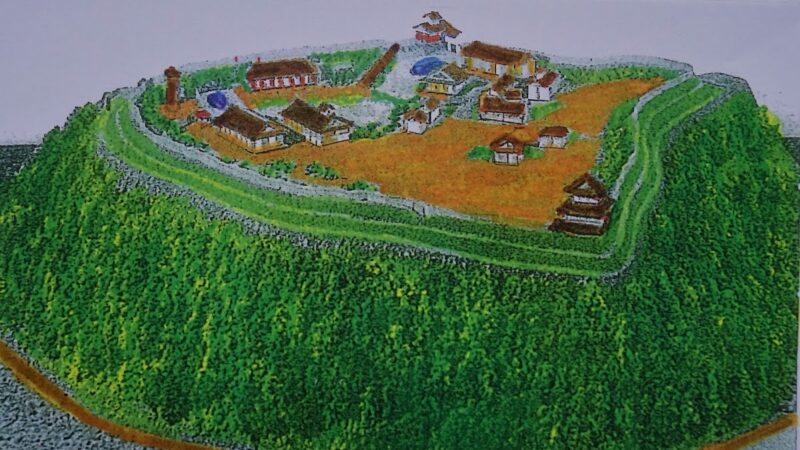
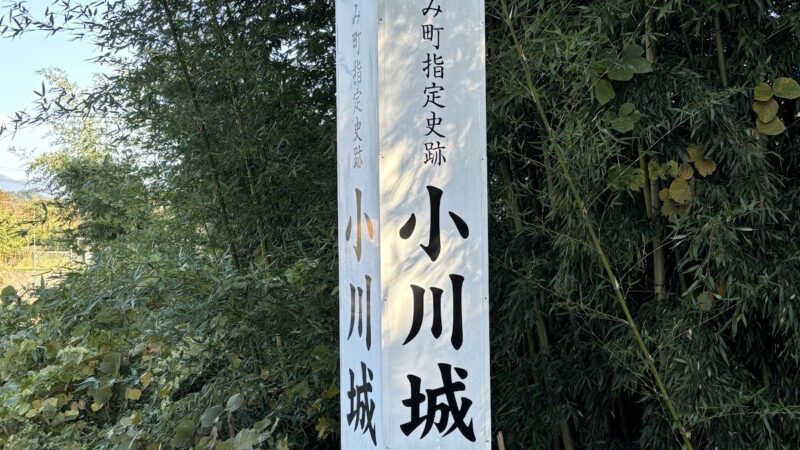
Iinuma Castle in Ibaraki-machi is a flatland castle located in Tatenouchi, Kami-Iinuma, Ibaraki-machi, Higashiibaraki-gun, Ibaraki Prefecture. It was built utilizing the river terrace cliff facing the right bank of the Hinuma River, and is characterized by its layout that skillfully utilizes the natural terrain. It is currently protected as a designated cultural property (historic site) of Ibaraki-machi.
Common Name/Alternate Name
Iinuma Castle (Ibaraki Town) is also known as Sakurai Castle. This name originates from the name of the castle’s builder, the Sakurai clan, and it is often affectionately known as Sakurai Castle by locals.
Builder and Construction Period
Iinuma Castle is believed to have been built by Sakurai Takafusa. While there are various theories regarding the construction period, it is generally thought to be sometime between the Nanboku-cho period and the Sengoku period. According to records at Fukushoji Temple, the area belonged to the Southern Court during the Nanboku-cho period, making it highly probable that the castle already existed during this time.
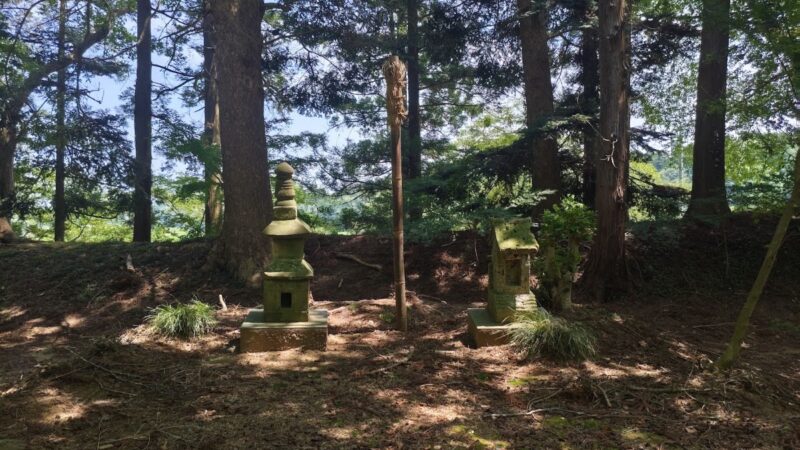
Sakurai Takafusa was a powerful local warlord who built Iinuma Castle as a base to control the Hinuma River basin. Fukushoji Temple is a Tendai sect temple said to have been founded by the Sakurai clan as their family temple during the Genko era (1331-1334), and Sakurai Takafusa’s tomb is located on the temple grounds.
Changes in Main Lords
The main lords of Iinuma Castle were the Sakurai clan. The Sakurai clan ruled this region from the Nanboku-cho period to the Sengoku period, and used Iinuma Castle as their residence. Records from Fukushoji Temple mention the Sakurazono clan (thought to be another spelling of the Sakurai clan) as a lord during the Sengoku period, indicating that the Sakurai clan maintained this castle for a long period.
While Hitachi Province during the Sengoku period was a stage for complex power struggles centered around the Satake clan, historical records are limited regarding the role Iinuma Castle played.
Remains and Highlights of Iinuma Castle (Ibaraki Town)
Main Enclosure and Earthworks
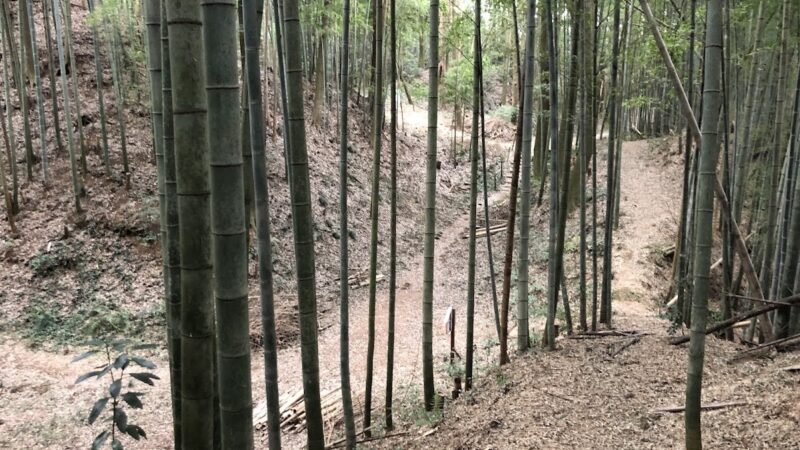
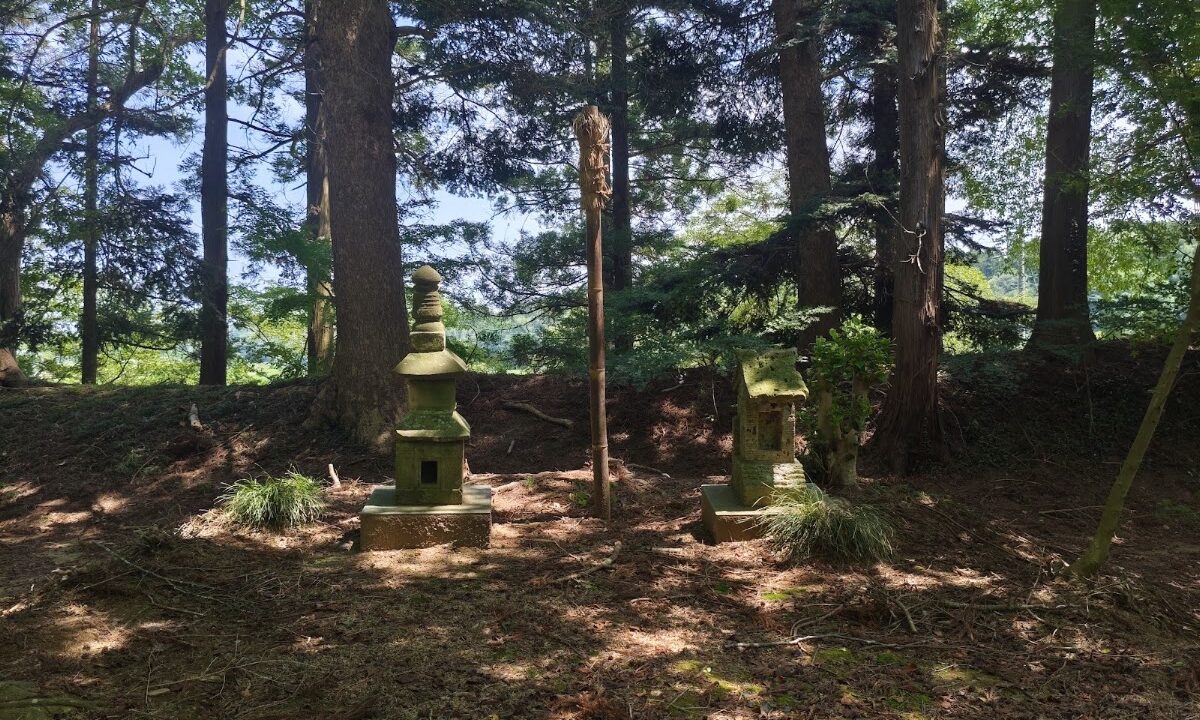
The main enclosure of Iinuma Castle is located east of the Fukushoji Temple gate, across the road, and measures approximately 50 meters square. The main enclosure contains the Dainichi-do hall, and surrounding it are well-preserved earthworks. These earthworks are well-preserved in both height and width, making them valuable remains for understanding the castle’s structure at the time.
Earthen ramparts played a crucial role as defensive structures for castles, preventing enemy intrusion and clearly defining the castle’s boundaries. The earthen ramparts of Iinuma Castle were relatively large for a flatland castle, demonstrating the power of the Sakurai clan.
Layout of Enclosures
Iinuma Castle is believed to have had multiple enclosures (kuruma) arranged around the main enclosure. By utilizing the natural terrain of river terrace cliffs, an effective defensive system was constructed with minimal artificial modifications. The side facing the Hinuma River had natural cliffs acting as defensive walls, making it an impregnable fortress for attackers.
Moat Remains
Although not clearly visible today, traces of a moat have been confirmed. As a flatland castle, Iinuma Castle is presumed to have had either water or dry moats complementing its defenses. The possibility of a water moat system utilizing the waters of the Hinuma River has also been suggested.
Access and Visiting the Site
Iinuma Castle ruins are located near Fukushoji Temple, and can be visited in conjunction with a visit to Fukushoji Temple. Because the remains, such as earthworks, are relatively well-preserved, this is a valuable spot where you can experience the structure of a flatland castle from the Sengoku period.
Overview of Iinuma Castle (Bando City) = Sakasai Castle
Basic Information and Location
Iinuma Castle in Bando City, officially known as Sakasai Castle, is located at 1234 Sakasai, Bando City, Ibaraki Prefecture (formerly Sarushima District, Shimosa Province). It is a Japanese castle from the Sengoku period, classified as a flatland castle.
Common Names, Alternate Names, and Name Changes
Sakasai Castle has been known by different names over time. The castle originally built by the Sakasai clan is sometimes called Sakasai Old Castle, while the castle after the large-scale renovation by the Later Hojo clan is sometimes called Iinuma Castle. This distinction in name reflects the historical changes of the castle.
It is believed that the castle came to be called “Iinuma Castle” when the Later Hojo clan carried out large-scale renovations in 1577 (Tensho 5), developing it as an important defensive base against the Satake clan, who were aiming to expand into southern Kanto.
Builder and Construction Date
Sakasai Castle was initially built by the local powerful family, the Sakasai clan. The exact construction date is unclear, but it is thought to be from the early Sengoku period. The Sakasai clan was a powerful family that ruled this region of Shimosa Province.
Changes in Main Castle Lords
The lords of Sakasai Castle changed over time.
- Sakasai Clan Era: The first lord, the Sakasai clan, built the castle and controlled the region.
- Later Hojo Clan Era: In the late Sengoku period, the Later Hojo clan, who became the rulers of Kanto, seized the castle and carried out large-scale renovations.
The renovations by the Later Hojo clan were carried out in 1577 (Tensho 5) by Hojo Ujishige. Ujishige summoned craftsmen from Fujisawa and transformed the castle into a large-scale fortress using the latest castle-building techniques. This reconstruction made Sakasai Castle one of the most important strongholds of the Later Hojo clan in northern Kanto.
Iinuma Castle (Bando City) = Remains and Features of Sakasai Castle
Enclosures and Layout
Sakasai Castle has multiple enclosures, showcasing the advanced castle-building techniques of the Later Hojo clan. Because it was extensively rebuilt by the Later Hojo clan after its fall, a distinctive feature is the overlapping of earlier remains and remains from the Later Hojo period.
Earthwork Structure
Impressive earthworks remain within the castle grounds. High and sturdy earthworks, characteristic of the Later Hojo clan’s castle-building techniques, can be seen in various places, demonstrating the advanced defensive system of the time.
Horizontal Moats (Dry Moats and Water Moats)
The most distinctive feature of Sakasai Castle is its horizontal moat system. The castle features a combination of dry moats and water moats, creating a multi-layered defense against enemy intrusion. The presence of sophisticated moat designs, such as shoji-bori and une-bori, characteristic of castles of the Later Hojo clan, indicates that it was a fortress showcasing the pinnacle of castle construction technology.
Water moats were crucial for securing water sources while enhancing the castle’s defenses. Dry moats, relatively easy to excavate, offered high defensive effectiveness when dug to a depth.
Restoration and Current Status
The current site of Sakasai Castle is a park, with some buildings restored. The restored turret gate and watchtower allow visitors to experience the atmosphere of a Sengoku period castle. Furthermore, the remains are well-preserved, and visitors can actually view the earthworks and moats.
Comparison of the Two Iinuma Castles
Differences in Location and Classification
- Iinuma Castle in Ibaraki Town: Flatland castle, utilizing the river terrace cliff on the right bank of the Hinuma River
- Iinuma Castle (Sakasai Castle) in Bando City: Hilltop castle, located on a slightly elevated area
Differences between Builder and Lord
- Iinuma Castle in Ibaraki Town: Built by Sakurai Takafusa, the Sakurai clan were the lords
- Iinuma Castle (Sakasai Castle) in Bando City: Built by the Sakasai clan, later remodeled and controlled by the Later Hojo clan
Scale and Characteristics of the Remains
- Iinuma Castle in Ibaraki Town: Main enclosure approximately 50 meters square, well-preserved earthworks, relatively small flatland castle
- Iinuma Castle (Sakasai Castle) in Bando City: Large-scale castle complex, complex layout of enclosures, multi-layered defense system of dry and water moats
Differences in Historical Role
- Iinuma Castle in Ibaraki Town: A base for regional control as the residence of the Sakurai clan
- Iinuma Castle (Sakasai Castle) in Bando City: An important military base in northern Kanto for the Later Hojo clan, serving as a defense against the Satake clan
Iinuma Castle and the surrounding castle network
The castle system of Hitachi Province
Iinuma Castle in Ibaraki Town functioned as a base for controlling the Hinuma River basin within the castle system of Hitachi Province. Hitachi Province had many important castles, including Mito Castle, Tsuchiura Castle, Kasama Castle, Oda Castle, Obata Castle, and Makabe Castle, each functioning as the residence of a powerful local daimyo.
Especially during the Sengoku period, as the Satake clan advanced the unification of Hitachi Province, these castles became the stage for battles. Iinuma Castle was located within or near the Satake clan’s sphere of influence, and it is thought to have been influenced by regional political developments.
Castle System of Shimosa Province
Iinuma Castle (Sakasai Castle) in Bando City was located in Shimosa Province and was an important base protecting the northernmost point of the Later Hojo clan’s control over the Kanto region. Nearby were castles such as Moriya Castle, Ushiku Castle, and Kosaka Castle, and these castles worked in conjunction to resist the northern Kanto forces such as the Satake and Utsunomiya clans.
Sakasai Castle also served as a forward base when the Later Hojo clan aimed to expand into Hitachi Province, making it a militarily extremely important location.
Historical Significance of Iinuma Castle
As a Base for Regional Control
Iinuma Castle in Ibaraki Town functioned as a base for the Sakurai clan, a local powerful family, to control the Hinuma River basin. From the Nanboku-cho period to the Sengoku period, it played an important role as the political, economic, and military center of the region.
Later Hojo Clan’s Northern Kanto Strategy
Iinuma Castle (Sakasai Castle) in Bando City occupied an extremely important position in the Later Hojo clan’s northern Kanto strategy. The large-scale reconstruction in 1577 (Tensho 5) was carried out out of military necessity to counter the Satake clan’s southward expansion policy, resulting in a castle that embodied the pinnacle of the Later Hojo clan’s castle-building technology.
Development of Castle-Building Technology
The reconstruction of Sakasai Castle by the Later Hojo clan is a particularly important example of the development of castle-building technology in the late Sengoku period. It incorporated cutting-edge technology of the time, including a complex moat system, sturdy earthworks, and a carefully calculated layout of baileys.
Current Status and Preservation of Iinuma Castle
Iinuma Castle Ruins in Ibaraki Town
The Iinuma Castle Ruins in Ibaraki Town are protected as a designated cultural property of Ibaraki Town. The earthworks around the main bailey are well-preserved, making it a valuable historical site for understanding the structure of flatland castles during the Sengoku period. It is carefully protected as a regional historical heritage site along with Fukushoji Temple.
Sakasai Castle Ruins in Bando City
The Sakasai Castle Ruins in Bando City have been developed as Sakasai Castle Ruins Park and are open to the public. The castle has been restored with a turret gate and watchtowers, making it a tourist spot where visitors can experience the atmosphere of a Sengoku period castle. The remains are well-preserved, and visitors can actually walk through and explore the earthworks and moats.
Regular events and exhibitions are held, and the site is also used as a place for local history education.
Points to Note When Visiting Iinuma Castle
Points to Note When Visiting Iinuma Castle in Ibaraki Town
- Connection to Fukushoji Temple: Visiting Fukushoji Temple, the family temple of the Sakurai clan, will allow you to gain a deeper understanding of the castle lord’s history.
- Observation of Earthworks: The earthworks around the main enclosure are well-preserved, so observe them carefully.
- Understanding the Topography: You can see firsthand how the natural topography of river terrace cliffs was utilized.
Points to Note When Visiting Sakasai Castle in Bando City
- Restored Buildings: You can learn about the structure of a Sengoku period castle from restored buildings such as the turret gate and watchtower.
- Moat System: You can observe the combination of dry moats and water moats, and the unique and skillful moats characteristic of the Later Hojo clan.
- Scale of Earthworks: You can appreciate the high level of castle-building technology of the Later Hojo clan from the large and sturdy earthworks.
- Exhibition Facility: Located within the castle ruins park, this exhibition facility allows visitors to learn about the castle’s history and the results of archaeological excavations.
Summary
There are two castles in Ibaraki Prefecture named “Iinuma Castle.” Iinuma Castle (Sakurai Castle) in Ibaraki Town, Higashiibaraki District, is a flatland castle built by Sakurai Takafusa and functioned as a base for controlling the Hinuma River basin. The earthworks around the main enclosure are well-preserved, conveying the appearance of a castle belonging to a local powerful family during the Sengoku period.
On the other hand, Iinuma Castle in Bando City is another name for Sakasai Castle, a castle built by the Sakasai clan and extensively remodeled by the Later Hojo clan. The Later Hojo clan’s remodeling in 1577 (Tensho 5) made it an important military base against the Satake clan. The complex moat system and sturdy earthworks demonstrate the high level of the Later Hojo clan’s castle-building technology.
While each castle has a different historical background and role, they are important historical remains that tell the story of Ibaraki Prefecture’s Sengoku period history. If you’re interested in castles, be sure to visit both Iinuma Castles and experience their differences and characteristics firsthand. Through the remains such as earthworks, baileys, and moats, you’ll be able to appreciate the technology and historical depth of castle architecture from the Sengoku period.