Complete Guide to Shobu Castle (Saitama Prefecture) | A Thorough Explanation from History to the Current Iris Garden
Located in Shobu-cho, Kuki City, Saitama Prefecture, Shobu Castle is a flatland castle built during the Muromachi period. Currently, it is a popular tourist destination known as the “Shobu Castle Ruins Iris Garden,” where beautiful irises bloom. This article provides a comprehensive explanation of Shobu Castle, from its detailed history to its current attractions and surrounding information.
History of Shobu Castle
Construction History and Origin of the Castle Name
Shobu Castle was built in 1456 (Kōshō 2) by order of Ashikaga Shigeuji, the Koga Shogun, to his retainer, Kaneda Shikibu Noritsuna. During this period, Ashikaga Shigeuji’s conflict with the Kanto Kanrei Uesugi clan intensified, and he was seeking to expand his sphere of influence from his base in Koga.
There is an interesting anecdote regarding the origin of the castle’s name. It is said that the castle was named “Shobu Castle” (Iris Castle) because its completion coincided with the Iris Festival (Tango no Sekku) on May 5th. This naming is thought to have also embodied a wish for lasting military fortune.
Shobu Castle in the Sengoku Period
Shobu Castle, along with the adjacent Kisai Castle, was developed as a key point in the Koga Shogunate’s defense network against the Uesugi clan. Centered around Koga Castle, it formed the front line against the Uesugi clan, coordinating with other castles such as Ichikawa Castle, Noda Castle, and Sekiyado Castle.
In 1574, during Uesugi Kenshin’s invasion of the Kanto region, Shobu Castle was attacked. While the castle itself escaped fall, records indicate that the surrounding town was burned down and suffered significant damage. This fact demonstrates the importance of Shobu Castle as a military base during the Sengoku period.
Abandonment of the Castle and Establishment of the Jinya (Fortified Residence)
In 1590, after Toyotomi Hideyoshi’s siege of Odawara and the subsequent downfall of the Hojo clan, Shobu Castle was abandoned. Having fulfilled its role during the Sengoku period, the castle reappeared in history in a different form during the Edo period.
After Tokugawa Ieyasu’s entry into the Kanto region, Tokugawa retainer Naito Masanari was granted a stipend of 5,700 koku and built the Shimokayama Jinya (fortified residence) near Shobu Castle. The Naito family, who were hatamoto (direct retainers of the Tokugawa shogunate), continued to rule this area. The reconstructed residence gate at the entrance to the Shobu Castle Ruins Iris Garden is a relocated and restored version of the Naito family’s Jinya gate.
Structure and Remains of Shobu Castle
Castle Size and Structure
Shobu Castle was a flatland castle built in Niibori Village, Saitama District, Musashi Province (present-day Niibori, Shobu-cho, Kuki City, Saitama Prefecture). Utilizing the surrounding terrain, it functioned as a typical Kanto flatland castle, fortified with moats and earthworks.
Classified as a flatland castle, it lacked a keep structure. This reflects the characteristics of castle architecture in the Kanto region at that time.
Current Status of Remains
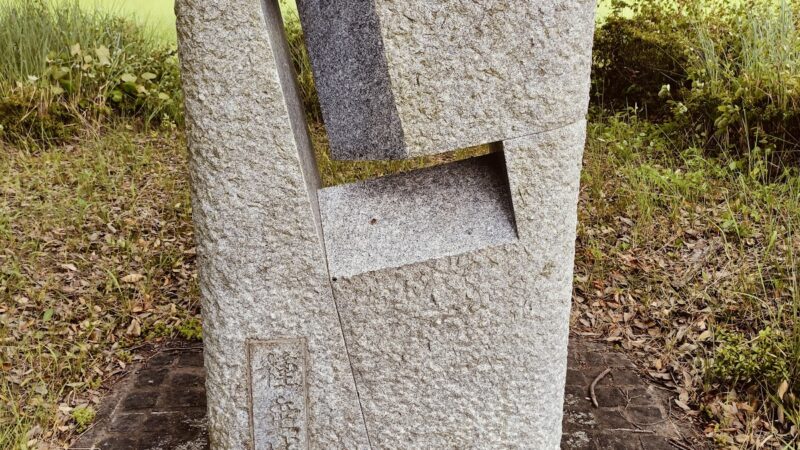
Unfortunately, very few remains of Shobu Castle remain today. Over many years, development has progressed, and traces of the castle have disappeared. Currently, only a stone monument marking the castle site stands within the Shobu Castle Ruins Iris Garden.
The extent of the disappearance of the remains is as follows:
- Moat Remains: Completely filled in, no traces left
- Earthworks: No remains remaining
- Enclosures: Divisions are indistinguishable
- Buildings: All gone
There is no registration as a designated cultural property, and it is currently popular as a spot for irises rather than for its value as a castle ruin.
About the Shobu Castle Ruins Iris Garden
Garden Overview and Features
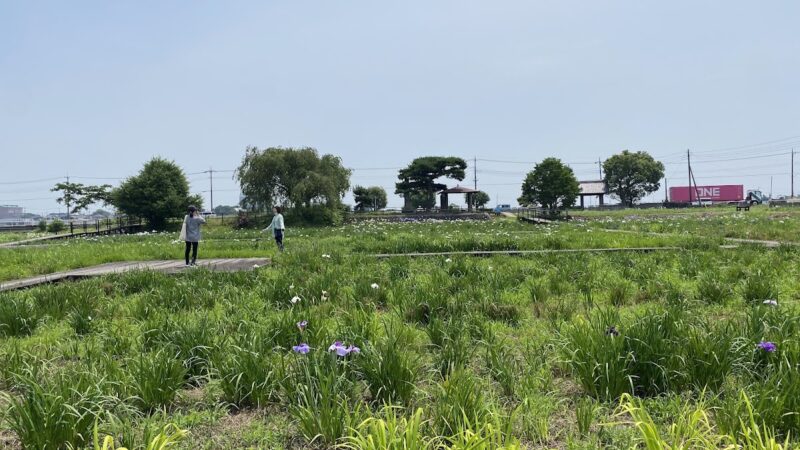
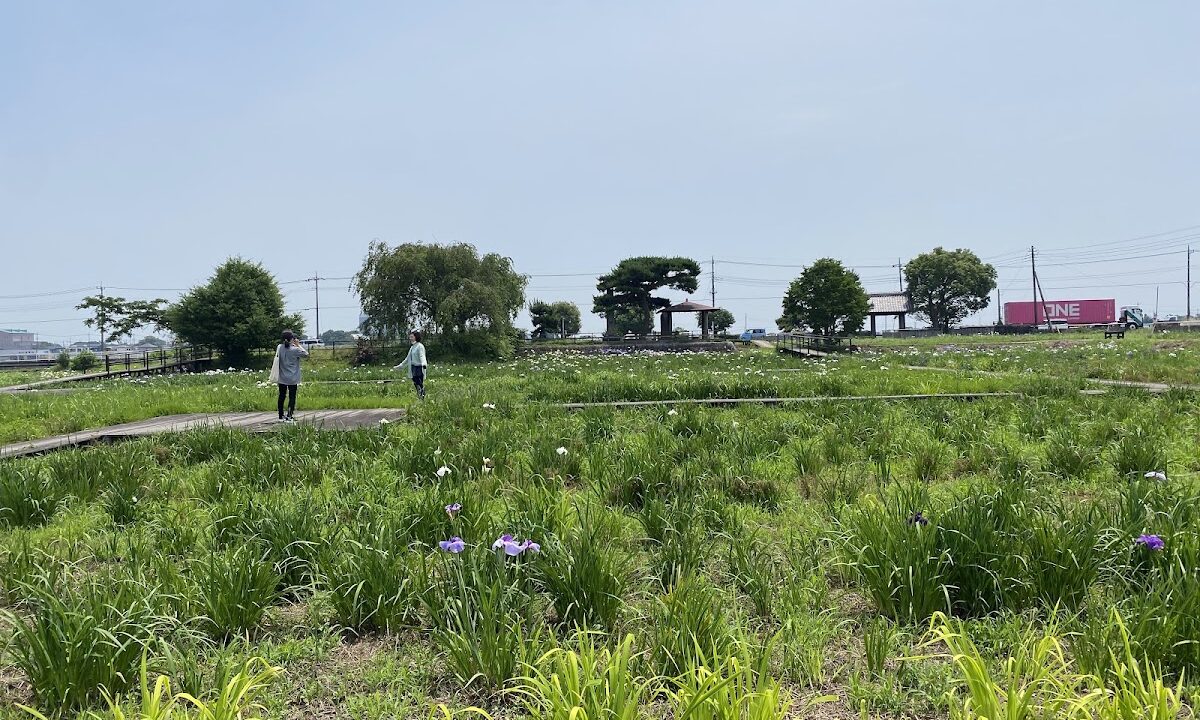
The current Shobu Castle ruins have been developed as the “Shobu Castle Ruins Iris Garden,” and it is a representative spot for irises in Saitama Prefecture. Approximately 50 varieties and 16,000 iris plants are planted in the garden, and they bloom beautifully from early to mid-June.
The garden features elements that evoke the atmosphere of the Edo period:
- Hatamoto Naito Residence Gate: A magnificent restored gate adorns the entrance.
- Gazebo: A gazebo where visitors can relax and enjoy the flowers.
- Wooden Path: A wooden walkway through the flowers.
- Stone Monument: A monument commemorating the history of Shobu Castle.
These facilities further enhance the beauty of the irises, providing visitors with a space where history and nature are in harmony.
Best Time to See Irises and Varieties
The irises at Shobu Castle Ruins Iris Garden reach their peak bloom from early to mid-June each year. During this time, the entire garden is filled with colorful flowers in purple, white, pink, and other hues, creating a truly breathtaking landscape.
The diversity of approximately 50 varieties is also one of its attractions, including traditional Japanese iris varieties such as Edo, Higo, and Ise types. Because early-blooming, mid-blooming, and late-blooming varieties are combined, you can always enjoy the sight of irises in full bloom somewhere during the peak season.
Iris Festival and Event Information
The “Iris Festival” is held every year to coincide with the peak blooming season of irises. Various events are planned during the festival, attracting many tourists.
Main Events:
- Nighttime Illumination: Enjoy the magical atmosphere of irises at night
- Local Specialty Product Sales: Sales of Kuki City’s specialty products and agricultural produce
- Stage Events: Performances of music and dance by local groups
- Photo Contest: A competition to capture beautiful photographs of the flowers
Since the detailed dates and content of the events vary from year to year, it is recommended to check the latest information on the Kuki City official website before visiting.
Access and Basic Information
Location and Transportation Access
Address: 975 Shinbori, Shobu-cho, Kuki City, Saitama Prefecture, and other locations
Access by Train:
- Approximately 20 minutes by Asahi Bus bound for “Shobu Shako” or “Shobu Nakabashi” from JR Utsunomiya Line “Kuki Station,” get off at “Nakabashi” bus stop, and walk for approximately 5 minutes.
- Approximately 15-20 minutes by taxi from Tobu Isesaki Line “Kazo Station” or “Kuki Station.”
Access by Car:
- Approximately 15 minutes from Tohoku Expressway “Kuki IC”
- Approximately 10 minutes from Ken-O Expressway “Shiraoka Shobu IC”
- Located along Prefectural Road 12, with good access.
Parking:
- Free parking available (early arrival is recommended due to congestion during iris season)
- Temporary parking may be available during the Iris Festival.
Opening Hours and Fees
Opening Hours:
- Regular Season: Always open (free to stroll)
- Iris Festival Period: 9:00 AM – 5:00 PM (Extended hours during nighttime illuminations)
Admission Fee:
- Free (Generally free even during some event periods)
Closed Days:
- None (Open all year round)
Contact Information:
- Kuki City Hall, Shobu General Branch, Regional Development Division
- Phone number can be found on the Kuki City official website
Notes for Visitors
When visiting the Shobu Castle Ruins Iris Garden, please note the following:
- Protection of Flowers: Do not touch or break the irises.
- Use of Boardwalks: Use the provided boardwalks and do not enter the flowerbeds.
- Take Your Trash Home: There are few trash cans in the garden, so please take your trash home with you.
- Pets Allowed: Please keep your pet on a leash and be considerate of other visitors.
- Photography Etiquette: When using a tripod, please be careful not to obstruct the passage of other visitors.
- Weather Preparedness: June is the rainy season, so please prepare rain gear and a parasol.
Nearby Tourist Spots
Highlights in Kuki City
When visiting the Shobu Castle Ruins Iris Garden, visiting the surrounding tourist spots will make your trip even more fulfilling.
Kisai Castle (Kisaichi Castle):
Like Shobu Castle, this castle was part of the defense network of the Koga Shogunate. It is now maintained as Kisai Castle Ruins Park, with a replica keep. It’s a place where you can feel the historical connection to Shobu Castle.
Kuki Lantern Festival:
One of the three major lantern festivals in the Kanto region, held in July. While the timing differs from the Shobu Castle Ruins Iris Garden, it is a representative cultural event of Kuki City.
Washinomiya Shrine:
An ancient shrine known as a pilgrimage site for the anime “Lucky Star”. This shrine is considered one of the oldest grand shrines in the Kanto region and possesses high historical value.
Gourmet and Shopping
Specialties of Kuki City:
- Kuki Pears: A leading pear-producing area in Saitama Prefecture, with direct sales outlets bustling from late August to October.
- Strawberries: Several farms offer strawberry picking from winter to spring.
- Local Sake: There are sake breweries and shops that handle sake produced in Saitama Prefecture.
Restaurants in the Surrounding Area:
There are many restaurants serving dishes made with local ingredients around the Ayame Garden at the site of the former Shobu Castle. Especially during the iris season, some establishments offer limited-time menus.
Accommodation Information
There are various types of accommodations in Kuki City and the surrounding area.
Business Hotels:
Several business hotels are located around JR Kuki Station, offering reasonably priced accommodations. Access from the station is also convenient.
Hot Spring Facilities: Within a 30-minute drive, there are day-trip hot spring facilities and hotels with hot springs. After enjoying the irises, relaxing in a hot spring is highly recommended.
Day Trip from the Kanto Area: Accessible in about an hour from central Tokyo, it’s easily enjoyable as a day trip.
The Charm of Shobu Castle and Points to Note When Visiting
Value for History Enthusiasts
Although no remains of Shobu Castle exist, it is an important historical site for understanding the political and military situation in the Kanto region from the Muromachi period to the Sengoku period.
As a castle involved in important turning points in Japanese history, such as the conflict between the Koga Shogun and the Kanto Kanrei Uesugi clan, Uesugi Kenshin’s invasion of Kanto, and Toyotomi Hideyoshi’s unification of Japan, its historical significance is considerable.
When visiting castle ruins, you can experience history from the following perspectives:
- Geographical Location: Imagine the defensive line plan based on its location relative to Koga Castle.
- Nearby Castle Ruins: Visit other castles such as Kisai Castle and Sekiyado Castle to understand the wider castle network.
- Stone Monuments and Information Boards: Enjoy imagining the castle’s appearance in its heyday based on limited information.
Attractions for Iris Enthusiasts
With 16,000 irises, this is one of the largest collections in the Kanto region, and the diversity of varieties is also a major attraction. It features all three major Japanese iris varieties—Edo, Higo, and Ise—making it a valuable place to enjoy the cultural diversity of irises all at once.
Photo Spots:
- The combination of the Naito family residence gate and irises
- A panoramic view of the flower field from the boardwalk
- A composition with the gazebo in the background
- Flowers wet with morning dew in the early morning (Note the park’s opening hours)
Best Season and Crowds
Optimal Visiting Time:
- Early to Mid-June: Peak season for irises
- Weekday Mornings: Relatively uncrowded, allowing for leisurely viewing
- After Rain: Flowers are fresh and their colors are vibrant
Crowded Times:
- Weekends and holidays during the Iris Festival
- Peak season in mid-June
- Days with light-up events
To avoid crowds, we recommend visiting on weekdays or right after the park opens.
Historical Evaluation and Lords of Shobu Castle
The Kaneda Clan and Shobu Castle
Kaneda Shikibu Noritsuna, the castle’s builder, was a samurai who served as a senior retainer of Ashikaga Shigeuji, the Koga Shogun. The Kaneda clan continued to rule this area as the lords of Shobu Castle.
The Kaneda clan’s role was not merely that of defending the castle, but also that of a base for regional control within the Koga Shogun’s sphere of influence. It is believed they governed the surrounding villages, collecting taxes and maintaining public order.
Changes in the Sengoku Period
Shobu Castle was repeatedly caught up in shifts of power throughout the Sengoku period. As the power of the Koga Shogun declined, it came under the influence of the Later Hojo clan, and ultimately disappeared from the historical stage during Toyotomi Hideyoshi’s Odawara campaign.
The castle’s abandonment in 1590 (Tensho 18) symbolized the end of the Sengoku period and the arrival of the new Edo period. ## Visitor Reviews and Ratings
Ratings from Castle Enthusiasts
Within the castle enthusiast community, Shobu Castle is generally considered to have “high historical significance despite the absence of surviving remains.” Castle information websites such as Kojodan have received ratings from approximately 200 “castle owners” (visitors), indicating a high level of interest in its historical background.
Visitors have offered comments such as:
- “Although there are no remains, the stone monument allows one to reflect on its history.”
- “Visiting during iris season reveals a beauty that is hard to believe is that of a castle ruin.”
- “Visiting it together with the nearby Kisai Castle helps to understand the defensive line at the time.”
Ratings as an Iris Tourism Spot
As a tourist spot, it receives high praise as a famous location for irises. Tourism information websites such as Jalan.net and Rurubu feature it as one of Saitama Prefecture’s representative flower viewing spots.
Points that are particularly highly rated:
- Free to enjoy: The fact that admission is free is a major plus.
- Easy access: Relatively easy to visit by car or public transport.
- Large scale: The scale of 16,000 irises is well worth seeing.
- Historical atmosphere: The gate of the Naito family residence adds to the charm.
Castles related to Shobu Castle
The castle network of the Koga Shogunate
Understanding Shobu Castle is important because it involves knowing the castle network built by Ashikaga Shigeuji, the Koga Shogunate.
Major Related Castles:
- Koga Castle (Koga City, Ibaraki Prefecture): The headquarters of the Koga Shogunate
- Kisai Castle (Kazo City, Saitama Prefecture): A defensive stronghold alongside Shobu Castle
- Sekiyado Castle (Noda City, Chiba Prefecture): A strategic point controlling the confluence of the Tone River and Edo River
- Noda Castle (Noda City, Chiba Prefecture): A castle on the communication line
- Ichikawa Castle (Ichikawa City, Chiba Prefecture): A defensive stronghold in the south
These castles worked in conjunction with each other to form a defensive line against the Uesugi clan. Shobu Castle held a crucial position, responsible for the western side of this network.
Uesugi Kenshin and Shobu Castle
The attack by Uesugi Kenshin in 1574 (Tensho 2) is one of the most dramatic events in the history of Shobu Castle. Kenshin’s invasion of the Kanto region at this time was a large-scale operation, advancing his army far from Echigo to Musashi Province. The record of the burning of the castle town indicates that Shobu Castle was not merely a military facility, but also formed a castle town in its surroundings. It is presumed to have been a considerable size for a regional castle during the Sengoku period.
Summary: Shobu Castle’s Present and Future
Although the remains of Shobu Castle from the Sengoku period have been lost, it continues to radiate new charm as the “Shobu Castle Ruins Iris Garden.” This unique space, where history and nature blend, is a place that can be enjoyed by castle enthusiasts, flower lovers, and families alike.
Kuki City in Saitama Prefecture has nurtured this valuable historical heritage as a regional tourist resource by preserving and utilizing it as a famous spot for irises. Every June, many tourists visit to enjoy the sight of beautiful flowers blooming on the former castle site.
Its convenient location, easily accessible for a day trip from the Kanto area, its free and open atmosphere, and its deep historical background—all of these factors contribute to the appeal of the Shobu Castle Ruins Iris Garden.
If you’re planning a visit to Saitama Prefecture during iris season, be sure to add the Ayame Garden at the Ayame Castle Ruins to your list of places to visit. You’ll be able to spend a truly luxurious time reflecting on the history of the Muromachi and Sengoku periods amidst the beautiful flowers.