Tsugiura Castle (Chiba Prefecture) | A Thorough Explanation of the History and Remains of a Medieval Castle Associated with the Chiba Clan
What is Tsugiura Castle?
Tsugiura Castle was a medieval castle located in Tsugiura, Tako-machi, Katori-gun, Chiba Prefecture. Although most of the remains have been lost, it remains an important historical site deeply connected to the Chiba clan, and is indispensable for understanding the region’s history.
Tako-machi is located in the northeastern part of Chiba Prefecture, at the northern edge of the Kujukuri Plain, and has long flourished as a strategic point in Shimosa Province. Tsugiura Castle is believed to have played a role in regional control as one of the bases of medieval samurai groups in this region.
Historical Background of Tsugiura Castle
Construction Date and Lord
Regarding the construction date of Tsugiura Castle, there are no clear historical records, and the exact date is unknown. However, based on the lineage of Tsugiura Tsunemori, who is believed to be the castle lord, it is highly likely that the castle was built between the late Heian period and the early Kamakura period.
According to the “Jindai-bon Chiba Genealogy,” Tsugiura Tsunemori is said to be the fourth son of Aihara Ietsune, the younger brother of Taira no Tsunekane. From this lineage, it can be inferred that Tsugiura Castle functioned as a branch castle or residence of the Chiba clan.
Relationship with the Chiba Clan
The Chiba clan was a samurai family that wielded power mainly in Shimosa Province from the late Heian period to the Sengoku period, and was a prestigious family descended from the Kanmu Taira clan. Descendants of Taira no Yoshifumi, the ancestor of the Chiba clan, settled in Shimosa Province and built one of the leading powers in the Kanto region, with Chiba as their base.
The lineage that Tsugiura Tsunemori was the fourth son of Aihara Ietsune indicates that Tsugiura Castle was one of the important bases within the Chiba clan’s sphere of influence. The Chiba clan governed their territory from their base at Chiba Castle (Inohana Castle), deploying family members throughout the region. It is believed that Tsugiura Castle was positioned as part of this governing system.
Function as the Tsugiura Hachiro Tsunemori Residence
Tsugura Castle is also known as the “Tsugura Hachiro Tsunemori Residence.” The term “residence” suggests that it was not necessarily a castle primarily intended for combat, but rather a samurai residence prioritizing residential functions.
Medieval samurai residences had a dual nature, functioning as living spaces in peacetime and defensive strongholds in times of conflict. It is presumed that Tsugiura Castle, while equipped with defensive structures such as earthworks and moats, was used daily as the residence of the Tsugiura clan.
Location and Geographical Conditions of Tsugiura Castle
Geography of Tsugiura, Tako Town
Tsugura, Tako Town, where Tsugiura Castle was located, belongs to Katori District in the northeastern part of Chiba Prefecture, and is situated at the northern edge of the Kujukuri Plain. This region is located in the basin of the Kuriyama River system, a location blessed with convenient water transport.
In the Middle Ages, rivers were important transportation routes, functioning as arteries for the transport of goods and the transmission of information. The location of Tsugiura Castle is thought to have been advantageous for controlling this water transport and managing regional economic activity.
Relationship with Surrounding Castles
Several medieval castles existed in the vicinity of Tako Town, in addition to Tsugiura Castle. These castles served as bases supporting the Chiba clan’s rule, coordinating with each other to ensure regional security and governance.
Chiba clan-related castles are scattered throughout the surrounding areas, including Sōsa City, and it is presumed that Tsugiura Castle formed part of this network of castles. The arrangement of these castle groups indicates that the Chiba clan strategically positioned their bases in managing their territory.
Structure and Remains of Tsugiura Castle
Castle Structure
Regarding the detailed structure of Tsugiura Castle, complete reconstruction is difficult due to the limited number of existing remains. However, based on the general characteristics of medieval castles, it is presumed that it had the following structure:
Medieval castles were basically constructed with a square or rectangular area surrounded by earthen ramparts and a moat. Tsugiura Castle likely had a similar structure, with multiple enclosures (kuruwa) arranged around a central citadel.
The earthen ramparts served not only as defensive structures but also as boundaries clearly defining the area. The moat was either water-filled or dry, and is thought to have prevented enemy intrusion while also serving a drainage function.
Current Status of Remains
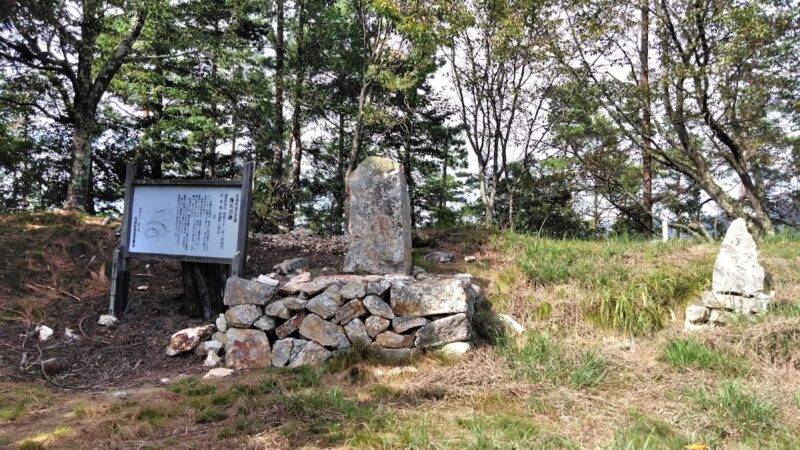
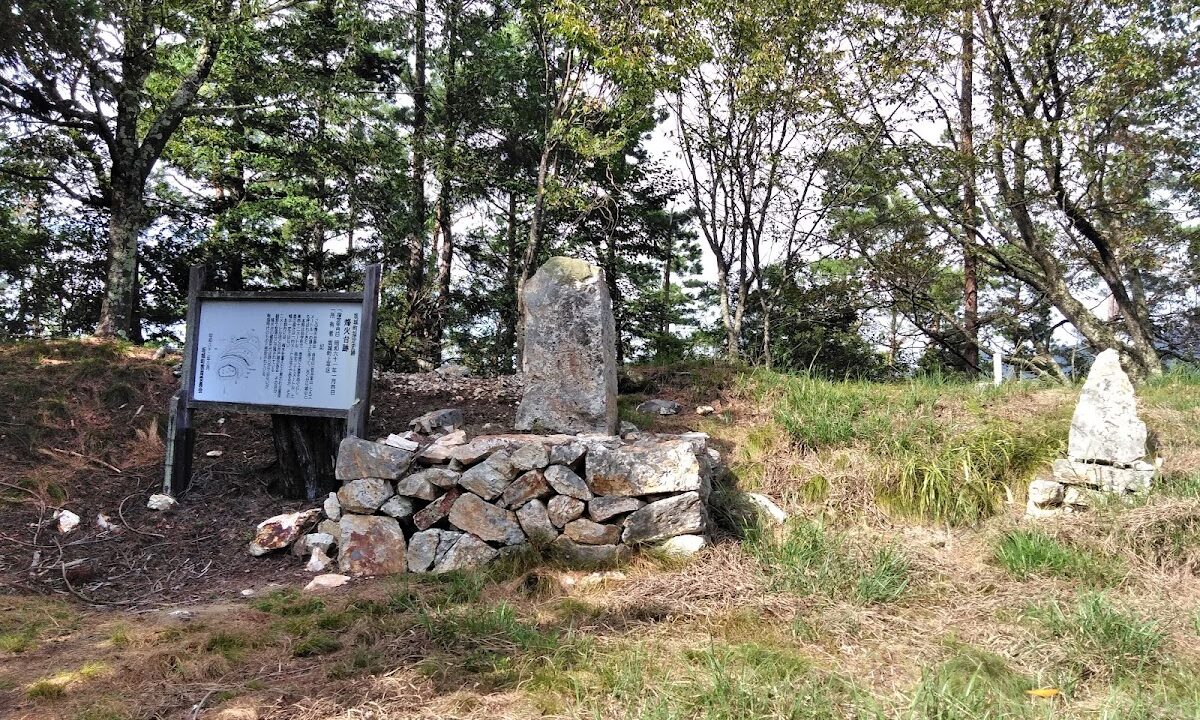
Unfortunately, very little remains of Tsugiura Castle exist today. Over the long years, agricultural development and residential construction have largely destroyed the traces of the castle.
Only slight remnants of the past can be seen in the topography and land divisions; it is difficult to confirm clear traces of earthen ramparts or moats. Therefore, comparative research with similar castles in the surrounding area and historical documents is crucial to understanding the true nature of Tsugiura Castle.
Archaeological Excavation and Research Status
It appears that no full-scale archaeological excavation has been conducted at Tsugiura Castle. Therefore, many aspects of the castle’s exact size, structure, and period of use remain to be determined by future research.
Research on medieval castles in Chiba Prefecture has become increasingly active in recent years, and there is a possibility that Tsugiura Castle will be investigated in detail in the future. The development of non-destructive testing techniques such as ground-penetrating radar is expected to make it possible to reveal the castle’s structure without damaging the remains.
History of the Tsugiura and Awaihara Clans
Awaihara Ietsune and the Chiba Clan
Awaihara Ietsune, believed to be the father of Tsugiura Tsunemori, is listed in the “Jindai-bon Chiba Genealogy” as the younger brother of Taira no Tsunekane, the ancestor of the Chiba clan. The Awaihara clan was a branch of the Chiba clan that held power within Shimosa Province.
The place name Awaihara remains in the area around present-day Sōsa City, Chiba Prefecture, and it is believed that this region was the base of the Awaihara clan. It is speculated that the Tsugiura clan, which branched off from the Awaihara clan, established a residence in Tsugiura, leading to the creation of Tsugiura Castle.
Genealogy and Development of the Tsugiura Clan
Regarding the activities of the Tsugiura clan after Tsugiura Tsunemori, historical records are scarce, and details are unclear. However, since the place name “Tsugiura” still exists today, it is certain that the Tsugiura clan settled in this region for a certain period and influenced the local community.
In the medieval period, it was common for samurai to adopt the name of their base as their surname. It is thought that the Tsugiura clan also based themselves in Tsugiura and were involved in the development and governance of the surrounding area.
Characteristics of Medieval Castles in Shimōsa Province
Historical Positioning of Shimōsa Province
Shimōsa Province, where Tsugiura Castle was located, was a vast region spanning present-day northern Chiba Prefecture, southwestern Ibaraki Prefecture, eastern Saitama Prefecture, and eastern Tokyo. From the late Heian period to the Kamakura period, this region became a territory where powerful samurai groups, including the Chiba clan, held sway.
Shimōsa Province was blessed with a rich natural environment, including the Tone River system and the Kujūkuri Plain, resulting in high agricultural productivity. Furthermore, its location on a transportation route connecting eastern Japan and Kyoto made it a politically and militarily important region.
Medieval Castles in Chiba Prefecture
In addition to Tsugiura Castle, numerous other medieval castles existed within Chiba Prefecture. Representative examples include Chiba Castle (Inohana Castle), the base of the Chiba clan, Katsuura Castle in Kazusa Province, and Tateyama Castle in Awa Province.
These castles functioned as bases for powerful samurai groups in their respective regions, serving as centers of regional control. Tsugiura Castle, though small in scale, is believed to have played an important role as a base of control for the Chiba clan in the area surrounding Tako Town.
Characteristics and Functions of Manor Castles
Unlike the large-scale castles of the Sengoku period, manor castles like Tsugiura Castle were relatively small in scale and had a structure that emphasized residential functions. This reflects the lifestyle of samurai from the late Heian period to the Kamakura period.
Manor castles were basically rectangular areas surrounded by earthen ramparts and moats, with buildings such as the main hall, warehouses, and stables arranged within. It is believed that they functioned as the lord’s residence in peacetime and as a refuge for surrounding farmers in times of emergency.
Tsugiura Castle’s Castle Stamp and Tourist Information
How to Obtain a Castle Stamp
In recent years, the number of enthusiasts collecting “castle stamps” as souvenirs of castle visits has increased. The castle stamp for Tsugiura Castle is issued by the Chiba Castle Preservation and Utilization Association and can be purchased at the roadside station “Tako Ajisai-kan”.
The castle stamp features the castle’s name and crest, and is a popular souvenir of a visit. When you visit Tsugiura Castle, be sure to get a castle stamp as a memento of your medieval castle tour in Chiba Prefecture.
Roadside Station Tako Ajisai-kan
The roadside station “Tako Ajisai-kan” is a facility that sells local specialties and fresh agricultural products from Tako Town. The castle stamp for Tsugiura Castle is sold here, making it a base for castle enthusiasts.
The facility sells local agricultural products, including Tako rice, and processed goods, allowing you to learn about the charms of Tako Town. It’s also recommended to gather information at this facility when visiting the Tsugiura Castle ruins.
Access to Tsugiura Castle
Access by Public Transportation
When visiting Tsugiura Castle ruins by public transportation, the nearest station is not Tako Station on the JR Narita Line. It is generally accessed by bus from Narita Airport or Narita Station. However, since the number of buses is limited, it is recommended to check the timetable in advance.
Route buses operate from Narita Airport and Narita Station to Tako Town. Aiming for the “Tako Ajisai-kan” roadside station provides convenient access to Tsugiura Castle ruins.
Access by Car
Access by car is the most convenient. From the Narita IC or Daiei IC on the Higashi-Kanto Expressway, it takes approximately 20-30 minutes to reach Tako Town via National Route 296, etc.
The “Tako Ajisai-kan” roadside station has ample parking, making it a good base for exploring the area around Tsugiura Castle ruins. Setting “Tako Ajisai-kan” or “Tagiura, Tako Town” as your destination on your car navigation system is recommended.
Nearby Attractions
When visiting the Tsugiura Castle Ruins, we recommend also exploring other tourist spots in Tako Town. Tako Town is famous for Nihonji Temple, known as the “Hydrangea Temple,” and for its beautiful rural landscapes and rice production.
In June, the “Tako Town Hydrangea Festival” is held, where you can enjoy the sight of approximately 10,000 hydrangeas in full bloom. Tako rice is also known as a representative brand of rice from Chiba Prefecture, and can be enjoyed at local restaurants and roadside stations.
Current Status of Medieval Castle Research in Chiba Prefecture
Activities of the Chiba Castle Preservation and Utilization Association
The Chiba Castle Preservation and Utilization Association is dedicated to the preservation and utilization of medieval castles in Chiba Prefecture. This organization strives to promote castle culture through research, information dissemination, and the issuance of castle stamps throughout the prefecture.
The issuance of the Tsugiura Castle stamp is also part of this association’s activities. These efforts are shedding light on smaller castles and fortifications that had previously received little attention, leading to their re-evaluation as regional historical resources.
Expectations for Future Research
Many aspects of medieval castles in Chiba Prefecture, including Tsugiura Castle, remain unexplained. Further detailed documentary research and archaeological excavations are expected to shed more light on the true nature of these castles.
In particular, Tsugiura Castle has many unanswered questions regarding its relationship with the Chiba clan and its role in the local community. As a valuable heritage site for understanding regional history, further research is eagerly awaited.
Learning about Medieval Samurai Life from Tsugiura Castle
Medieval Samurai Residences and Life
Fortified residences like Tsugiura Castle were the daily living spaces of medieval samurai. Samurai managed the surrounding farmland and led the farmers from their residence.
At the center of the residence was the main hall, where the samurai and their families lived. The surrounding area likely consisted of warehouses, stables, and residences for retainers, resembling a small settlement.
As a Center for Regional Control
Tsugura Castle was not merely a residential facility; it also functioned as a center for regional control. It is presumed that the castle lord, Tsugura Tsunemori, used this residence as a base for developing the surrounding area, maintaining public order, and collecting taxes.
Medieval samurai had not only military roles but also administrative functions. Tsugura Castle, with its multifaceted functions, is thought to have held an important position in the local community.
Summary
Tsugura Castle was a medieval castle located in Tako-machi, Katori-gun, Chiba Prefecture, and is said to have been the residence of Tsugura Tsunemori, a member of the Chiba clan. While many aspects of its construction date and detailed structure remain unknown, it is certain that it was one of the important centers in the Chiba clan’s system of control.
Although very little remains of the castle today, it’s a popular destination for castle enthusiasts, as you can obtain a castle stamp at the “Tako Ajisai-kan” roadside station. Understanding the history of Tsugiura Castle provides important clues to understanding the medieval history of Chiba Prefecture, particularly the power development of the Chiba clan.
Further research is expected to shed more light on the true nature of Tsugiura Castle. When you visit Tako Town, why not reflect on the medieval castle that once stood here and learn about the history of the Chiba clan?