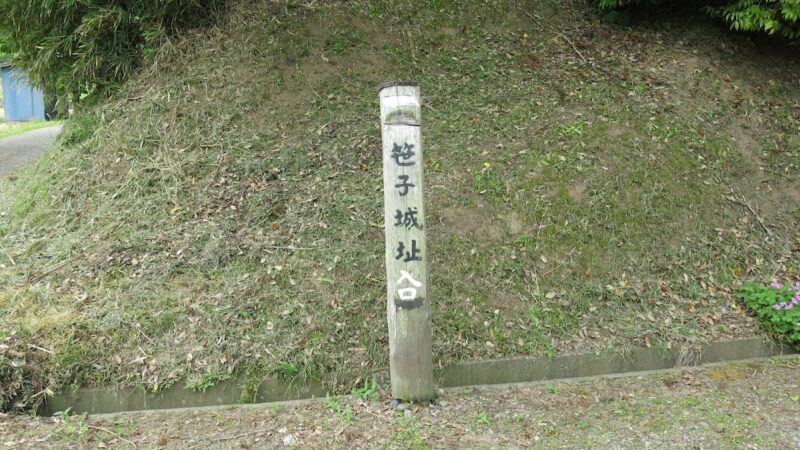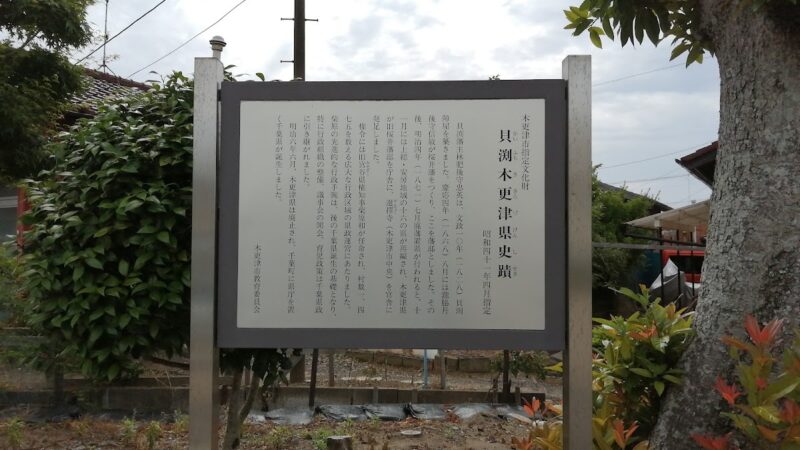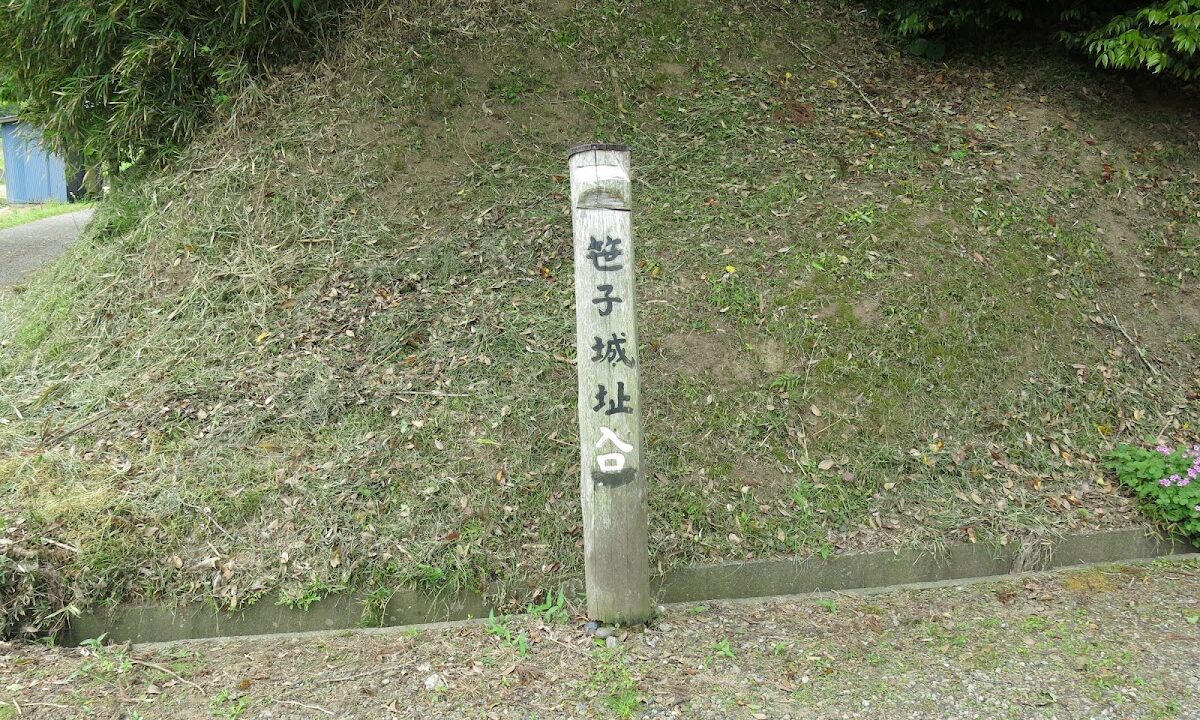
Sasago Castle (Kisarazu City, Chiba Prefecture) Complete Guide | History, Remains, and Access Explained in Detail
Sasago Castle, located in Kisarazu City, Chiba Prefecture, is a valuable historical site with well-preserved remains of a castle from the Sengoku period (Warring States period). Built on a hilly area near the Kisarazu Junction where the Tokyo Bay Aqua-Line and Ken-O Expressway intersect, this castle conveys the tensions of the Sengoku period in Kazusa Province. This article provides a detailed explanation of Sasago Castle, from its historical background to its existing remains, highlights, and access methods—essential information for castle enthusiasts.
Overview and Basic Information of Sasago Castle
Sasago Castle is a medieval mountain castle located in Kitaurasaku, Sasago, Kisarazu City, Chiba Prefecture. Built on a hill approximately 50 meters above sea level, with a relative height difference of about 35 meters. It is classified as a hill castle, characterized by its layout that skillfully utilizes the natural terrain.
Location and Geographical Conditions
Sasago Castle is located east of the Kisarazu Junction, where the Tokyo Bay Aqua-Line Expressway and the Ken-O Expressway (Metropolitan Inter-City Expressway) connect. This location is a vital transportation hub in modern times, and was also an important point connecting the inland areas of Kazusa Province with the Tokyo Bay coast during the Sengoku period (Warring States period).
The hill on which the castle was built is a highly isolated terrain surrounded by tributaries of the Obitsu River system, making it an excellent vantage point for observation. This geographical advantage is thought to be one of the reasons why Sasago Castle was chosen as a military base.
Castle Size and Structure
Sasago Castle’s layout is relatively compact, yet it possesses a structure that condenses the castle-making techniques of the Sengoku period. The main enclosure consists of two baileys, north and south, separated by a dry moat, each functioning as an independent defensive unit.
The total area of the castle is estimated to be approximately 150 meters east-west and 200 meters north-south, classifying it as a small to medium-sized castle. However, its defensive structure is extremely sophisticated, with effective defensive facilities strategically placed within a limited space.
History and Lords of Sasago Castle
Construction Period and Background
While the exact construction date of Sasago Castle is not clearly established in historical records, its structure and layout suggest it was built during the mid-to-late Sengoku period. The presence of the circular outwork, in particular, indicates construction techniques from the late 16th century, and it is highly likely that the castle was developed under the influence of the Hojo clan.
During the Sengoku period, Kazusa Province was a fierce battleground where the Satomi clan of Awa Province, the Hojo clan of Sagami Province, and the local powerful Mariya clan vied for power. Sasago Castle is thought to have functioned as an important base controlling the area around Kisarazu amidst these power struggles.
Lords and Related Forces
Regarding the lords of Sasago Castle, reliable historical records are scarce, and many details remain unknown. However, several possibilities have been suggested based on the castle’s location and structure.
One theory suggests that the castle lord may have been a member or retainer of the Mariya clan. The Mariya clan was a powerful local family in Kazusa Province, and they also held influence around Kisarazu. Furthermore, in the latter half of the 16th century, the Hojo clan’s influence extended to Kazusa Province, and it’s possible that a Hojo retainer resided at the castle at some point.
The relationship with the Satomi clan cannot be ignored. While the Satomi clan was based in Awa Province, they expanded their influence into southern Kazusa Province, and the area around Kisarazu was a border zone between these two forces. Sasago Castle, caught between these forces, may have changed rulers over time.
Role during the Sengoku Period
Sasago Castle is thought to have played the following roles as a military base in Kazusa Province during the Sengoku period:
Firstly, it functioned as a control center for the Kisarazu area. This region faces Tokyo Bay and was a key point for water transport, as well as a gateway to the inland areas. Sasago Castle likely played a role in militarily controlling this region.
Secondly, it served as a frontline fortress in the power struggle between the Satomi and Hojo clans. Located on the border between the two forces, Sasago Castle was a crucial base for monitoring and defending against enemy invasions.
Thirdly, it functioned as part of a network of surrounding castles. Numerous small and medium-sized castles were built in Kazusa Province, and Sasago Castle was one of them, integrated into a coordinated defensive system.
Abandonment and its Aftermath
The exact date of Sasago Castle’s abandonment is unclear, but it is believed to have occurred after Toyotomi Hideyoshi’s siege of Odawara in 1590, following Tokugawa Ieyasu’s entry into the Kanto region. During this period, many medieval castles ceased to serve their purpose and were abandoned under the new Edo period governance system.
After its abandonment, the site of Sasago Castle was used for farmland and forests, and the castle remains gradually returned to nature. However, the topographical features and civil engineering structures were not completely lost, and important remains have survived to the present day.
Remains and Highlights of Sasago Castle
The greatest appeal of Sasago Castle lies in the relatively well-preserved castle structure from the Sengoku period. Through the remains such as earthworks, dry moats, baileys, and circular outworks, one can experience the castle-building techniques and defensive philosophies of the time.
Structure of the Main Enclosure
The main enclosure of Sasago Castle consists of two baileys, north and south, clearly separated by a dry moat. This two-enclosure structure enhances the multi-layered nature of defense and demonstrates a design philosophy that allows each bailey to continue fighting independently.
The South Enclosure is located south of the main enclosure and has a relatively large, flat surface. Traces of earthworks remain within the enclosure, indicating the presence of defensive structures. A horizontal moat is located below the east side of the South Enclosure, serving as a defensive line against attacks from the east.
The North Enclosure is located north of the main enclosure and is separated from the South Enclosure by a dry moat. On the north side of the northern enclosure was the Maru-umadashi, the most notable feature of Sasago Castle, a crucial structure responsible for the castle’s frontal defense.
Characteristics of the Dry Moats
Sasago Castle retains several dry moats, which form the framework of the castle’s defensive system. The dry moat dividing the main enclosure into north and south sections is approximately 3-4 meters deep and 5-6 meters wide, functioning as a clear defensive line.
Dry moats are not merely obstacles, but tactical structures that restrict enemy movement and create favorable combat conditions for the defenders. Sasago Castle’s dry moats skillfully utilize the natural terrain while adding artificial excavations where necessary, forming an effective defensive line.
The horizontal moat on the east side of the southern enclosure was dug horizontally into the slope, serving to block attack routes from the east. This horizontal moat curves along the terrain, showcasing a fusion of natural topography and artificial structures.
Structure of the Maru-Umadashi
The Maru-Umadashi at Sasago Castle is a semicircular projection located on the north side of the northern enclosure. The Maru-Umadashi is a defensive structure that developed in the late Sengoku period and is a characteristic feature often seen in castles of the Hojo clan.
The Maru-Umadashi has multiple functions. Firstly, it serves as a defensive space in front of the castle gate, preventing enemy intrusion. Secondly, it functions as a base for sorties from the castle, serving as a starting point for counterattacks. Thirdly, it acts as a buffer zone to prevent direct attacks on the castle gate.
The Maru-Umadashi at Sasago Castle is approximately 15-20 meters in diameter and is surrounded by earthworks and a dry moat. This structure allows the interior of the Maru-Umadashi to function as an independent defensive unit, achieving a multi-layered defensive system.
Placement of Earthworks
Earthworks were placed along the edges of each enclosure at Sasago Castle. Traces of the earthworks still remain in some areas, with mounds of earth approximately 1-2 meters high visible today. The earthworks functioned as defensive walls and also served as a base for constructing fences and walls. Furthermore, the area inside the earthworks was used as a passageway and battle position, providing space for the movement and deployment of defending soldiers.
The earthworks of the southern enclosure remain particularly intact on the south and west sides, indicating the main defensive directions. From the arrangement of these earthworks, we can discern the direction of threats anticipated by the castle’s designers.
Arrangement and Function of Enclosures
Sasago Castle is believed to have had several smaller enclosures surrounding the main enclosure, in addition to the two main enclosures (north and south). These enclosures functioned as an outer defense protecting the main enclosure.
Each enclosure was positioned according to the terrain, allowing for mutual visibility and coordination. This arrangement created a system where, even if one enclosure was under attack, supporting fire and reinforcements could be sent from other enclosures.
The interior of the enclosures was leveled, suggesting the presence of building foundations and living facilities such as wells. However, no clear building remains have been confirmed today, and the detailed internal structure remains unknown. ## Sasago Castle and the Surrounding Castle Network
Understanding Sasago Castle is crucial, as it did not exist in isolation but functioned as part of a larger castle network in Kazusa Province.
Castles Around Kisarazu
In addition to Sasago Castle, several other medieval castles existed within Kisarazu City and the surrounding area. These castles cooperated with each other, forming a comprehensive defense system for the region.
Major castles within Kisarazu City include Seisei Castle and Mariya Castle. Seisei Castle is located in Seisei, Kisarazu City, and was one of the Mariya clan’s strongholds. Mariya Castle is located in Mariya, Kisarazu City, and is an important stronghold from which the Mariya clan derives their name.
These castles and Sasago Castle were located within a distance of several kilometers, allowing for rapid information transmission via signal fires and messengers. It is believed that a system was in place for these castles to cooperate and respond in the event of an enemy invasion.
Relationship with Major Castles in Chiba Prefecture
Chiba Prefecture boasts numerous historical castles, each telling a story of the region’s history. Visiting Sasago Castle in conjunction with other major castles in Chiba Prefecture will provide a deeper understanding.
Sakura Castle is a representative early modern castle in Chiba Prefecture, located in Sakura City. During the Edo period, it served as the residence of a fudai daimyo (hereditary feudal lord), with powerful daimyo such as the Hotta and Matsudaira clans serving as its lords. It is selected as one of Japan’s Top 100 Castles, and its vast castle grounds and moat are its highlights.
Hon-Sakura Castle is located in Shisui Town, Inba District, and was the residence of nine generations of the Chiba clan. It is selected as one of Japan’s Continued Top 100 Castles, and it retains the appearance of a Sengoku period earthen castle well. The Chiba clan was a powerful local family in Shimosa Province, and Hon-Sakura Castle was a symbol of their power.
Otaki Castle is located in Otaki-machi, Isumi-gun, and is known as the residence of Honda Tadakatsu, one of the Four Heavenly Kings of Tokugawa. It is selected as one of the Continued Top 100 Japanese Castles, and a reconstructed keep currently stands there. After the Honda clan, the Matsudaira and Abe clans served as lords of the castle.
Chiba Castle (Inohana Castle) is located in Chuo-ku, Chiba City, and was the early base of the Chiba clan. It is said that the history of Chiba City began with this castle, and a replica keep currently stands there.
Compared to these castles, Sasago Castle, though smaller in scale, is a valuable historical site for preserving the practical castle structure of the Sengoku period. It offers an experience of the charm of a medieval mountain castle, different from the large-scale early modern castles.
The spheres of influence of the Satomi and Hojo clans
The southern part of Kazusa Province, where Sasago Castle is located, was the front line where the spheres of influence of the Satomi clan of Awa Province and the Hojo clan of Sagami Province met. The two forces clashed fiercely throughout the 16th century, vying for control of Kazusa Province.
The Satomi clan was based in Awa Province and expanded its influence into southern Kazusa Province. Meanwhile, the Hojo clan, based in Odawara, extended its power throughout the Kanto region, also exerting influence in Kazusa Province. The area around Sasago Castle likely served as a buffer zone between these two forces, resulting in frequent changes of rulers.
This geopolitical situation is thought to have been the background for the construction and maintenance of Sasago Castle. The castle’s robust defensive structure also indicates that it was designed with actual combat in mind.
Access and Visiting Information for Sasago Castle
Transportation Access
Access by Car
The most convenient way to access Sasago Castle is by car. It is approximately 5 minutes from the Kisarazu-Kaneda Interchange on the Tokyo Bay Aqua-Line Expressway, or approximately 10 minutes from the Kisarazu-Higashi Interchange on the Ken-O Expressway.
When setting your car navigation system, please set “Sasago, Kisarazu City, Chiba Prefecture” as your destination. There is no designated parking area around the castle ruins, so you will need to find a place to park on the street. However, please be considerate of local residents.
Access by Public Transportation
The nearest station is Kisarazu Station on the JR Uchibo Line. From the station, you will need to take a local bus or taxi, but there is no bus route that goes directly to the castle ruins, so you will need to walk. The castle ruins are approximately 5-6 kilometers from the station, and walking will take more than an hour, so we recommend taking a taxi.
Precautions for Visiting
Sasago Castle Ruins are not a developed tourist area; the remains are preserved within a forest. Please note the following points when visiting:
Clothing and Equipment: Please wear clothing and shoes suitable for mountain hiking. Especially after rain, the ground can become slippery, so shoes with good grip, such as trekking shoes, are necessary. In summer, insect repellent spray and long-sleeved shirts and long pants are recommended.
Safety Management: The castle ruins contain steep slopes and dry moats, making them dangerous if you misstep. Particular caution is needed when walking along the edges of the dry moats. It is recommended to avoid visiting alone and to travel in groups.
Protection of Remains: The castle ruins are a valuable cultural asset. Please be considerate and refrain from damaging the earthworks or moats, or collecting plants. Please take all your trash with you.
Respect for Private Property: The area surrounding the castle ruins may include private property. Please do not enter areas marked “No Entry.”
Estimated Visiting Time
For a thorough visit to Sasago Castle, please allow 1-2 hours to observe the remains carefully. At least 1 hour is needed to see the main enclosure, north and south baileys, circular outworks, and dry moats. If you plan to take photographs or conduct detailed observations, it is recommended to allocate more time.
Nearby Attractions
Here are some nearby attractions you might want to visit before or after your visit to Sasago Castle.
Kisarazu City Local History Museum, Kin no Suzu: This museum showcases the history and culture of Kisarazu City. It also displays materials related to local castles, which can deepen your understanding of Sasago Castle.
Shojo-ji Temple: This temple is known from the children’s song “Shojo-ji no Tanuki Bayashi” (The Tanuki Dance of Shojo-ji Temple). It is one of Kisarazu City’s cultural symbols and is about a 15-minute drive from Sasago Castle.
Kisarazu Port: This port faces Tokyo Bay and offers fresh seafood. It’s a recommended place to eat after visiting the castle ruins.
Historical Value and Future Preservation of Sasago Castle
Significance in Castle Research
Sasago Castle occupies an important position in castle research as a typical example of a small to medium-sized castle from the Sengoku period. Its academic value is particularly recognized in the following respects:
Firstly, as a castle with a circular outwork, it is an example demonstrating the influence of the Hojo clan’s castle-building techniques. The circular outwork (maru-umadashi) is a characteristic defensive structure of Hojo clan castles, and the one at Sasago Castle is an important relic that illustrates the Hojo clan’s expansion of power and the spread of their technology.
Secondly, the structure of the earthen castle is well-preserved. While there are no stone walls or keeps like those found in early modern castles, the basic castle elements such as earthworks, dry moats, and baileys are clearly preserved, allowing for direct observation of Sengoku period castle construction techniques.
Thirdly, its importance in regional history research. Sasago Castle is physical evidence of power struggles in Kazusa Province during the Sengoku period, and is a valuable historical site for understanding the movements of the Satomi, Hojo, and Mariya clans.
Preservation Status and Challenges
Currently, the Sasago Castle site does not have any special protection designation. Therefore, no organized preservation activities or maintenance are being carried out, and the remains are left in a natural environment.
This situation has both advantages and challenges. One advantage is that the remains have been preserved in a state close to their original appearance, without being altered by excessive maintenance. On the other hand, a challenge is the possibility of gradual loss of the remains due to weathering and changes in vegetation.
For future preservation, the following efforts are expected:
Surveying and Recording: Creating detailed survey maps and accurately recording the current state of the remains is the first step. This will provide a standard for verifying future changes.
Cultural Property Designation: Designating it as a cultural property by the city or prefecture will enable legal protection and secure preservation budgets.
Appropriate Management: By mowing grass and managing trees within limits that do not damage the remains, the visibility of the remains can be maintained while preventing weathering.
Information Dissemination: By making the value of the castle ruins widely known, understanding and support for preservation can be gained.
Potential for Regional Utilization
Sasago Castle has the potential to be utilized as a regional historical resource. The following uses are conceivable, such as as a tourist resource for Kisarazu City and as a place for historical education. As part of a historical sightseeing route: By creating a sightseeing route that combines the castle with other historical sites and tourist attractions in Kisarazu City, it can attract castle enthusiasts and history buffs.
As a venue for educational activities: It can be used as a venue for educational activities such as local history lessons at local elementary and junior high schools, and field trips by history clubs. Walking around the castle ruins provides experiential learning that cannot be obtained from textbooks.
Training castle guides: By training local volunteer guides and establishing a system to explain the castle’s history and remains to visitors, deeper understanding and increased satisfaction can be achieved.
The appeal of visiting Sasago Castle
The greatest appeal of visiting Sasago Castle is the opportunity to directly experience the spirit of the Sengoku period. Unlike well-maintained tourist spots, the castle ruins, quietly nestled in nature, allow visitors to imagine the tension and traces of life at that time.
Standing before the circular barbican, feeling the depth of the dry moat, and surveying the surroundings from atop the earthworks, visitors will see the same view as the Sengoku samurai of over 450 years ago. This timeless experience is arguably the true charm of visiting castles.
Furthermore, Sasago Castle, despite its relatively accessible location, is a hidden gem with few visitors. In its tranquil environment, you can carefully observe the remains and reflect on history. For castle enthusiasts, it offers a unique exploration experience not found at more well-known castles.
While Chiba Prefecture boasts famous castles such as Sakura Castle, Hon-Sakura Castle, and Otaki Castle, smaller castles like Sasago Castle also possess their own unique value and charm. Experience the practical and robust character of a medieval mountain castle—a stark contrast to the grandeur of large-scale fortresses—at Sasago Castle.
Summary
Sasago Castle is a valuable castle ruin from the Sengoku period, located in Kisarazu City, Chiba Prefecture. Its defensive structures, including circular outworks, dry moats, earthworks, and baileys, are well-preserved, conveying the castle-building techniques and strategic thinking of the time.
Sasago Castle, situated on the front lines of the power struggle between the Satomi and Hojo clans in Kazusa Province, is not merely a military facility, but an important historical site that tells the story of the region’s history and the lives of its people. While not a developed tourist destination, this is precisely why it has been preserved in a state close to its original appearance, making it a worthwhile place to visit for castle enthusiasts and history buffs.
When planning a castle tour in Chiba Prefecture, be sure to visit not only the famous castles, but also smaller castles like Sasago Castle. There, you’ll find a realistic glimpse into the Sengoku period that you won’t find in textbooks.