Takane Castle (Funabashi City, Chiba Prefecture) Complete Guide | History, Remains, Access, and Highlights Explained in Detail
Takane Castle, located in Takane-cho, Funabashi City, Chiba Prefecture, was one of the important castles in Shimosa Province during the Sengoku period. Although the area is now being developed into residential land, it still attracts attention from history enthusiasts and castle fans as a medieval castle where valuable remains such as earthworks and dry moats can still be seen. This article comprehensively explains everything you need to know before visiting Takane Castle, from its historical background to its highlights and access methods.
Basic Information on Takane Castle
Takane Castle (Takane-jo) was a medieval Japanese castle located in Shirotakayama, Takane-cho, Funabashi City, Chiba Prefecture. It belonged to Shimosa Province and is known as a castle associated with the Takagi clan, whose base was Kogane Castle in Matsudo City.
Castle Location and Topographical Features
The site of Takane Castle is surrounded on three sides—north, west, and south—by the Ebikawa River flowing to the west and its associated small valleys, creating a natural stronghold. The layout, skillfully utilizing this terrain, exhibits typical characteristics of medieval castles, ensuring a defensive advantage.
The plateau where the castle site is located sits on a river terrace formed by the Ebikawa River system, built on high ground overlooking the surrounding lowlands. This location is thought to have served two purposes: military surveillance and control of transportation routes.
Castle Scale and Structure
The entire plateau area east of Takane-dera Temple and Akiba Shrine is considered the castle grounds, with the plateau near the Kataoka and Fujishiro residences presumed to have been the main enclosure. Place names related to the castle, such as “Horinouchi,” “Kamekoji,” “Baba,” and “Heda Kuruwa,” remain in this area, attesting to the castle’s former scale.
Takaneji Temple is believed to have been located in the southwestern fortifications of Takane Castle, suggesting a possible integrated structure of temple and castle. This is a common feature of castles during the Sengoku period, demonstrating the use of religious facilities as defensive strongholds.
History of Takane Castle
Construction and Lord
There are several theories regarding the lord of Takane Castle. The most widely accepted theory is that it was the residence of Takagi Yamashiro-no-kami, a member of the Takagi clan, lords of Kogane Castle. However, another theory suggests it was the encampment of Takagi Ukyo-no-suke, a vassal of Takagi Yamashiro-no-kami.
The Takagi clan was a powerful local lord in Shimosa Province, with several branch castles centered around Kogane Castle. Takane Castle is thought to have been part of this branch castle network, playing a role in controlling the Ebikawa River basin and preparing for invasions from the north.
Takane Castle in the Sengoku Period
During the Sengoku period, Shimosa Province was a region where multiple powers, including the Chiba, Satomi, and Odawara Hojo clans, vied for supremacy. The Takagi clan was essentially under the control of the Odawara Hojo clan and cooperated in the Hojo clan’s expansion of power in the Kanto region.
Takane Castle is presumed to have played a part in the Takagi clan’s territorial defense system, centered around Kogane Castle, and functioned as a frontline base against northern forces. Based on the castle’s size and structure, it appears to have been more of an emergency defense base or a symbol of territorial control than a full-fledged castle permanently stationed with a large number of soldiers.
The Siege of Odawara and the Castle’s Abandonment
The fate of Takane Castle was sealed by Toyotomi Hideyoshi’s Siege of Odawara in 1590 (Tensho 18). In this military campaign, many castles in the Kanto region that were subservient to the Hojo clan were captured or forced to surrender.
Takane Castle was also attacked during the Siege of Odawara, and it is said to have been abandoned at that time. The Takagi clan of Kogane Castle also lost power with the fall of the Hojo clan, and the group of castles, including Takane Castle, disappeared from the historical stage.
After its abandonment, the site of Takane Castle was used as farmland and residential land throughout the Edo period, and further development occurred with urbanization in the modern era. Fortunately, however, some remains have survived to this day.
Remains and Highlights of Takane Castle
Existing Earthworks
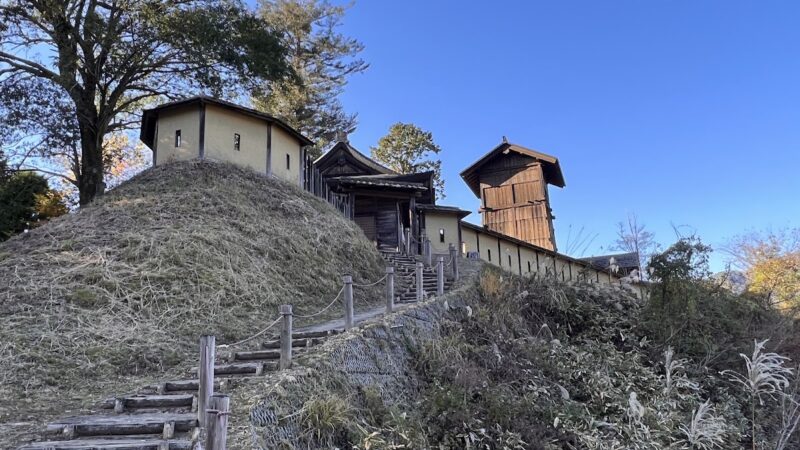
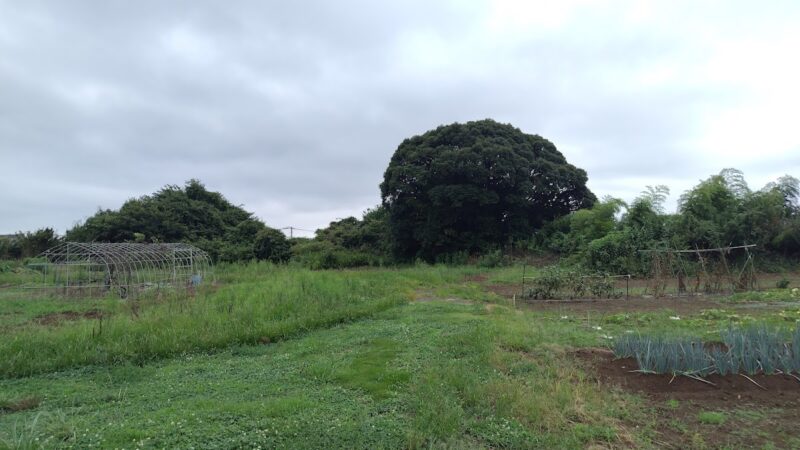
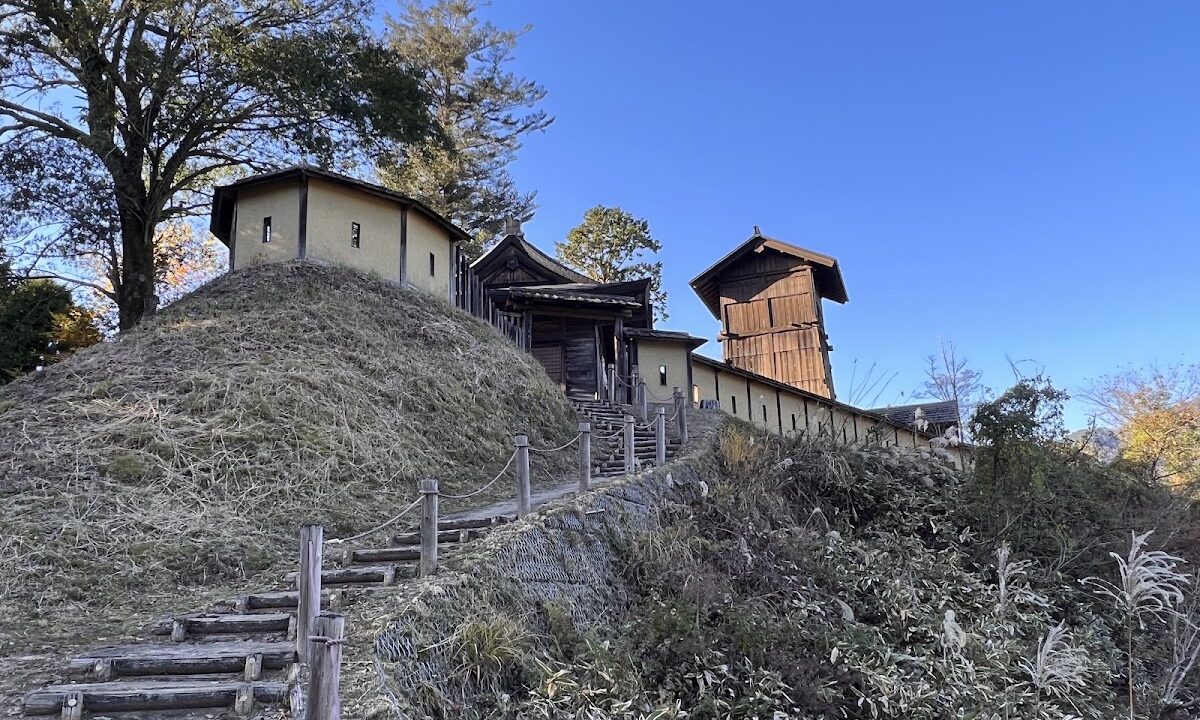
The most prominent remains of Takane Castle are the earthworks. In particular, a high earthwork remains behind the houses, conveying its function as a defensive structure of the castle. This earthwork is a valuable relic that escaped destruction during residential development and is the most easily identifiable trace of the castle for visitors.
The height and shape of the earthworks suggest that it was a structure with considerable defensive capabilities. Walking around the area, you can find other traces of earthworks, giving you a real sense of the vastness of the castle grounds in its heyday. However, many of these remains are located on private property, so careful consideration is necessary when visiting.
Traces of Dry Moats
Along with the earthworks, you can also find traces of dry moats. At Takane Castle, dry moats, which did not hold water, were used as defensive structures. Although many parts have been filled in or altered, traces of the dry moats can still be discerned in the undulations and depressions of the terrain.
The dry moats not only prevented enemy intrusion but also served to demarcate the baileys. Walking around the site while imagining the arrangement of Takane Castle’s dry moats will allow you to appreciate the ingenuity of medieval castle layouts.
Takane-ji Temple and Akiba Shrine
Important landmarks when visiting the Takane Castle ruins are Takane-ji Temple (Soto Zen sect) and Akiba Shrine. Takaneji Temple is believed to have been located in the southwestern fortifications of Takane Castle, making it an interesting site for understanding the relationship between the castle and the temple.
Akiba Shrine is located on the east side of the castle ruins and serves as a center of local faith. Visiting these religious sites allows you to experience the historical landscape surrounding the castle ruins. However, since these are all active religious facilities, please observe proper etiquette when visiting.
Memories of the Castle Remaining in Place Names
In the past, the area around Takane Castle had place names related to the castle, such as “Horinouchi,” “Kamekoji,” “Baba,” and “Heda Kuruwa.” While some of these place names have now disappeared, they provide clues to the castle’s appearance in its heyday through documents and old maps.
“Horinouchi” literally refers to an area surrounded by a moat; “Baba” is a place where horse training and martial arts practice took place; and “Kuruwa” refers to a section of the castle fortifications. These place names indicate that Takane Castle was not merely a fort, but a castle with a certain scale and function.
Access to Takane Castle
Access by Public Transportation
If you are visiting Takane Castle Ruins by public transportation, the nearest station is Hasama Station on the Toyo Rapid Railway. It’s about a 20-25 minute walk from the station to the castle ruins.
After leaving Hasama Station, head northeast along the prefectural road towards Takane-cho. It’s easy to find your way by using Takane-dera Temple and Akiba Shrine as landmarks after passing through a residential area. The route is mostly flat residential, but you can feel the plateau topography around the castle ruins.
Alternatively, it’s also accessible from Takane-kido Station on the Shin-Keisei Line, which is about a 20-minute walk away. Regardless of which station you use, it’s recommended to check the route beforehand using a map app.
Access by Car and Parking
If you are visiting by car, you can reach the area around the castle ruins in about 15 minutes from the Hanawa Interchange or Funabashi Interchange on the Keiyo Expressway. However, the area surrounding the castle ruins is a residential area, and there is no dedicated parking lot.
You can use nearby coin-operated parking lots, or if you are visiting Takaneji Temple or Akiba Shrine, you may be able to use their respective parking spaces. However, these are not exclusively for castle ruins visitors, so avoid long-term parking and be sure to obtain permission from the facility beforehand.
Please absolutely avoid street parking in residential areas, as it will inconvenience local residents.
Points to Note When Visiting Takane Castle
Consideration for Private Property
The most important point to note regarding Takane Castle ruins is that many of the remains are located on private property. Traces of earthworks and dry moats remain on the grounds of private homes and on the boundaries of private property, so unauthorized entry is strictly prohibited.
Observe from public roads and public areas, and when taking photographs, be mindful of the privacy of residents and those living in private homes. As a basic principle of visiting castle ruins, respect for the lives of local residents is required.
Appropriate Clothing and Equipment for Visiting
Since Takane Castle Ruins are completely residential, no special equipment is necessary. You can visit in everyday clothes, but considering you’ll be walking around searching for the remains, we recommend wearing comfortable shoes.
In summer, the sun is strong, so bring a hat, sunscreen, and drinks. A map or a GPS app on your smartphone will also help you understand your current location relative to the castle ruins.
Estimated Visiting Time
A visit to Takane Castle Ruins takes about 30 minutes to an hour, even if you carefully observe the remains. Even including visits to the nearby Takane-ji Temple and Akiba Shrine, an hour and a half should be sufficient.
Since there are limited other historical sites and tourist spots in the surrounding area, it’s a good idea to combine your visit with sightseeing in other historical sites within Funabashi City or the Tokyo Bay area.
Related Historical Sites and Points of Interest in the Surrounding Area
Kanasugi Castle Ruins
Like Takane Castle, Kanasugi Castle Ruins is another medieval castle located within Funabashi City. Kanasugi Castle is also considered a castle associated with the Takagi clan, and visiting it along with Takane Castle will allow you to gain a deeper understanding of the medieval history of this region.
Although the Kanasugi Castle site is undergoing residential development, some remains still exist, making it an interesting site with a similar historical background to Takane Castle.
Kogane Castle Site (Matsudo City)
Kogane Castle, considered the main castle of Takane Castle, is located in Kogane, Matsudo City. As the base of the Takagi clan, it was a larger castle than Takane Castle. Currently, it is maintained as Otaniguchi Historical Park, where you can see remains such as earthworks and dry moats.
Visiting Kogane Castle after Takane Castle will allow you to experience the relationship between the main castle and its subsidiary castles, and the extent of the Takagi clan’s influence. Kogane Castle is about a 30-minute drive from Takane Castle.
Funabashi City Local History Museum
If you want to learn more about the history of Funabashi City, we recommend visiting the Funabashi City Local History Museum. The museum displays archaeological and historical materials from the city, allowing visitors to learn about the medieval history of the region, including Takane Castle.
The museum also holds special exhibitions, sometimes featuring castle-related exhibits. It’s advisable to check the website for opening hours and exhibition details before visiting.
The Charm and Historical Value of Takane Castle
Valuable Remains Preserved Amidst Urbanization
The greatest charm of Takane Castle lies in the fact that the remains of a medieval castle still exist in a residential area near Tokyo. While many castle sites have been completely lost, the presence of traces of earthworks and dry moats is extremely valuable.
Takane Castle is an important example when considering the balance between urbanization and historical preservation. Although the remains are limited, the ability to imagine the appearance of a medieval castle from them is a great joy for history enthusiasts.
Importance in Regional History Research
Takane Castle is an important historical site for understanding the regional power structure of Shimosa Province during the Sengoku period. As part of the Takagi clan’s network of branch castles centered around Kogane Castle, it provides clues to understanding the military and political system of the time.
Furthermore, the location of Takane Castle offers valuable insights into the development and transportation history of the Ebikawa River basin. It is a precious resource for examining the transformation of local communities during the transition from the medieval to the early modern period from the perspective of castles.
Ideal for an Introduction to Castle Research
Takane Castle, though not large in scale, possesses the fundamental elements of a medieval castle. Its typical components—earthworks, dry moats, and a plateau location—can be observed in an easily accessible location, making it ideal as an introduction to castle research.
Unlike famous, tourist-oriented castles, encountering the remains in a quiet residential area allows for a deeper historical imagination.
The Future and Expectations for Preservation of Takane Castle
Challenges in Preserving the Remains
The Takane Castle site is not currently designated as a special historical site, and its state of preservation is not necessarily good. As residential development progresses, the remaining historical remains may also be subjected to development pressure.
It is desirable to re-recognize the value of Takane Castle Ruins as a local historical heritage site and to preserve the remains to the extent possible. While complete restoration or large-scale development may be difficult, documenting and preserving the existing earthworks and moats, and installing explanatory signs may be feasible.
Utilization in Local History Education
Takane Castle Ruins can be used as teaching material for local children to learn about their local history. The fact that a medieval castle existed in a nearby location will be a good opportunity to stimulate interest in history.
By incorporating Takane Castle into school education and lifelong learning programs, we can foster a sense of attachment to the region and pass on the importance of preserving historical heritage to future generations.
Potential as a Tourism Resource
While large-scale tourism development is difficult for Takane Castle alone, combining it with other historical sites in Funabashi City and tourist resources in the Tokyo Bay area could allow for its use as a historical walking course.
Especially for castle enthusiasts and history buffs, Takane Castle is gradually gaining recognition through word-of-mouth and social media as a historical site worth visiting, despite its relatively minor status. Efforts to leverage this trend for regional revitalization are also anticipated.
Summary: The Significance of Visiting Takane Castle
Takane Castle in Funabashi City, Chiba Prefecture, is not large in scale, but it is a valuable historical site that conveys the reality of regional governance in Shimosa Province during the Sengoku period. As the residence of the Takagi clan, lords of Kogane Castle, it played a crucial role in protecting a strategic point in the Ebikawa River basin.
After being abandoned following the Siege of Odawara in 1590, the area was transformed into a residential area over many years, but the remains of earthworks and dry moats still remain. These remains can be considered historical witnesses miraculously preserved amidst the waves of urbanization.
Visiting the Takane Castle ruins is not simply about viewing the remains, but also about experiencing the layered history of the region from the Middle Ages to the present day. Searching for traces of a castle buried within a residential area is truly the essence of historical exploration.
Takane Castle is relatively easy to access and can be visited on a day trip from the Tokyo area. It’s a recommended historical site not only for castle enthusiasts, but also for those interested in local history and those who enjoy strolling. When visiting, please remember to be considerate of the local residents and quietly trace the footsteps of history.
The remains of Takane Castle are not flashy, but they certainly bear the marks of the lives of people who lived during the Sengoku period. Imagining the former castle amidst the quiet landscape of a modern residential area—that is the greatest charm of visiting Takane Castle.