Complete Guide to the Kaibuchi Jinya Ruins (Chiba Prefecture): History, Access, and Highlights
Located in Katori City, Chiba Prefecture, the Kaibuchi Jinya Ruins are a valuable historical site that conveys the history of hatamoto (direct retainers of the shogun) rule during the Edo period. This article provides a detailed explanation of the Kaibuchi Jinya, from its historical background to its highlights and access methods.
What are the Kaibuchi Jinya Ruins?
The Kaibuchi Jinya Ruins are the remains of an Edo period hatamoto jinya (fortified residence) located in Kaibuchi, Katori City, Chiba Prefecture. A jinya refers to an administrative and residential facility established by daimyo (feudal lords) or hatamoto with a domain of less than 10,000 koku (a unit of land productivity) during the Edo period to govern their territory. Unlike large-scale defensive structures such as castles, they are characterized by relatively small-scale residences.
The Kaibuchi Jinya functioned as the administrative and residential center for the hatamoto who ruled this region, and was the administrative center of the surrounding area. Currently, some remains are preserved, possessing significant historical value for understanding the realities of local governance during the Edo period.
History of the Kaibuchi Jinya
Establishment of the Jinya and Hatamoto Rule
The history of the Kaibuchi Jinya dates back to the early Edo period. During the process of establishing the Tokugawa shogunate’s system of rule, this region was allocated as a fiefdom for hatamoto. Hatamoto were samurai who served the shogun directly and held a stipend of less than 10,000 koku, forming an important military and administrative base for the shogunate.
The hatamoto who governed Kaibuchi established a jinya (fortified residence) in the area and carried out their duties as lords, including collecting land tax, maintaining public order, and handling civil lawsuits. The jinya also functioned as a magistrate’s office, serving as an administrative center overseeing the surrounding villages.
Changes Throughout the Edo Period
Throughout the Edo period, the Kaibuchi Jinya experienced several changes in its lords. It was not uncommon for hatamoto lineages to die out or for fiefdoms to be changed due to shogunate policies, and Kaibuchi was no exception.
The size and structure of the jinya also changed with the times. Initially a simple structure, the jinya (fortified residence) gradually became more elaborate, and its administrative functions expanded. Officials were permanently stationed at the jinya, handling a variety of administrative tasks, including bookkeeping, storage of tax rice, and recording of lawsuits.
The Meiji Restoration and the Abolition of the Jinya
With the Meiji Restoration of 1868, the Edo Shogunate fell, and the hatamoto system (the system of retainers of the shogun) was abolished. The Kaibuchi Jinya also ceased its role and was incorporated into the new administrative system of the Meiji government. The jinya buildings were demolished or repurposed, gradually disappearing from view.
However, traces of the topography, earthworks, and the remains of the residences still exist today, conveying the former presence of the jinya.
Structure and Characteristics of the Kaibuchi Jinya Site
Layout and Scale of the Jinya
Jinya (fortified residences) in the Edo period generally had the following structure:
- Omote-goten: A place for conducting official government affairs
- Oku-goten: Living quarters for the lord and his family
- Yakusho: A building for handling administrative affairs
- Kura: A facility for storing tax rice and other goods
- Nagaya: Residences for retainers and officials
It is believed that the Kaibuchi Jinya also basically had this structure. Although its scale was smaller than that of a daimyo’s castle town, it had sufficient functionality as a regional administrative center.
Characteristics of Defensive Facilities
While Jinya did not possess the same defensive capabilities as a castle, they did have a certain level of defensive function. At the Kaibuchi Jinya (fortified residence) site, traces of the following defensive elements can be seen:
- Earthworks: Earthen embankments surrounding the site
- Moats: Simple water or dry moats
- Gates: Gate structures restricting entry and exit
These are thought to have served more to demonstrate the lord’s authority and express the formality of an administrative facility than to defend against external enemies.
Highlights of the Kaibuchi Jinya Site Today
Remaining Structures
At the Kaibuchi Jinya site today, the following remains can be observed:
- Topographical Undulations: Remnants of the former earthworks and moats remain as part of the topography
- Traces of Residence Sites: Traces of building foundations and layouts can be seen in some areas
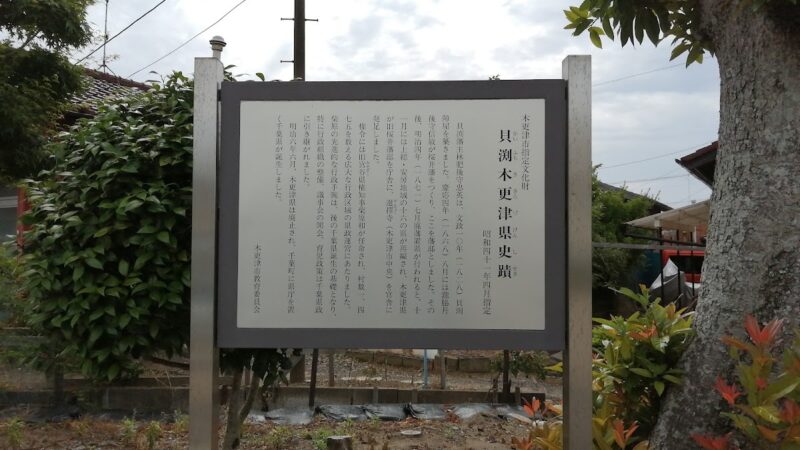
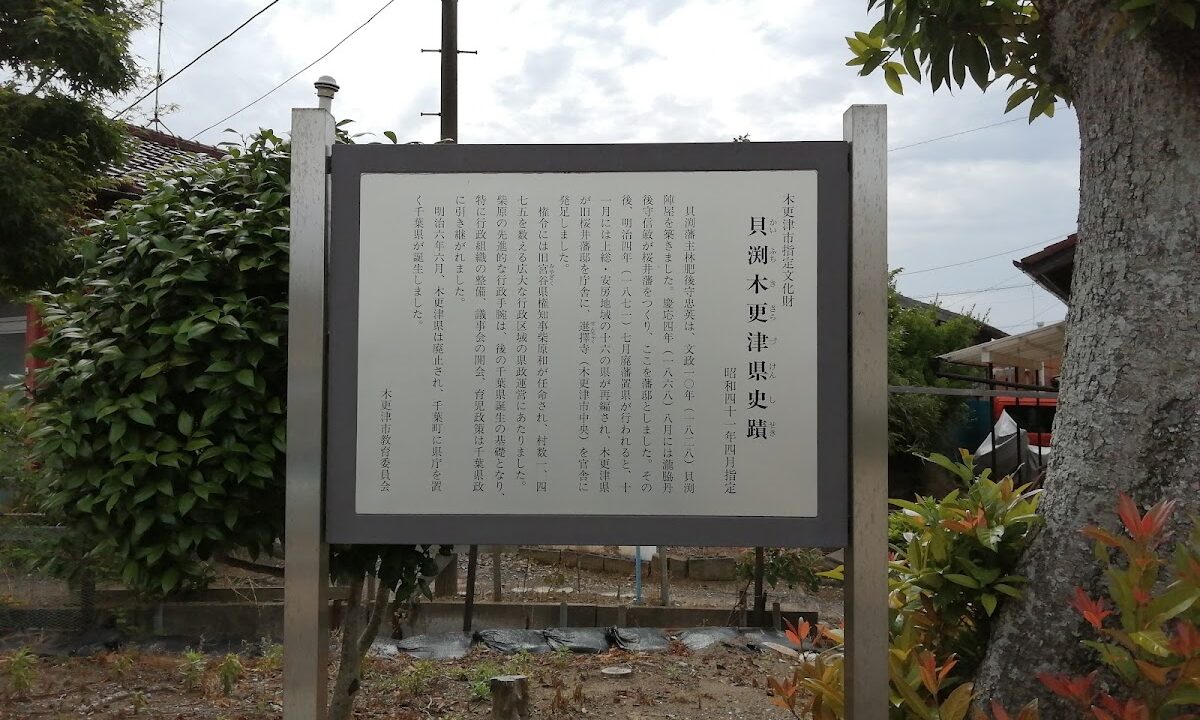
- Stone Monuments and Information Boards: Signs and information boards indicating the historical site have been installed
While the preservation of the remains is not perfect, careful observation allows one to imagine what the Edo period fortified residence looked like.
Surrounding Environment and Landscape
The area surrounding the Kaibuchi Jinya Ruins remains a quiet region with sprawling rural landscapes. It retains traces of the Edo period rural scenery, preserving a valuable environment for understanding the relationship between the Jinya and the surrounding settlements.
Blessed with abundant water resources from the Tone River system, this region was an important rice-producing area during the Edo period, forming the economic base of the Jinya. The current landscape still reflects its high agricultural productivity.
Access to the Kaibuchi Jinya Ruins
Access by Public Transportation
Using Trains and Buses:
- Get off at JR Narita Line “Sawara Station”
- Take a taxi or local bus from the station (approximately 15-20 minutes)
- Get off at the “Kaibuchi” bus stop and walk for approximately 5 minutes.
Public transportation services are limited, so it is recommended to check the timetable in advance. Taking a taxi is the most reliable and convenient option.
Access by Car
Route from Major Roads:
- Higashi-Kanto Expressway: Approximately 10km from “Sawara-Katori IC,” about 15 minutes by car.
- National Route 51: Approximately 10 minutes from Katori city center via prefectural roads.
Regarding parking, there is no large-scale parking lot specifically for the historical site, but you may be able to use nearby public spaces. It is recommended to check with the Katori City Tourist Information Center before your visit.
Nearest Tourist Information Center
- Katori City Tourist Information Center: (In front of Sawara Station)
- You can check information in advance by phone.
- Combining your visit with other nearby tourist spots is also recommended.
Nearby Tourist Spots
When visiting the Kaibuchi Jinya Ruins, you can enjoy a more fulfilling historical exploration by also visiting nearby historical spots.
Sawara Townscape
The Sawara district of Katori City is an important traditional building preservation district where Edo-period merchant buildings remain. This area still retains traces of its past as a thriving commercial city thanks to the Tone River water transport. Visiting it along with the Kaibuchi Jinya Ruins allows you to truly experience the prosperity of this region during the Edo period.
Main Highlights:
- Historical buildings along the Ono River
- Ino Tadataka Memorial Museum
- Edo-period merchant architecture
Katori Shrine
Katori Shrine, which has long been revered as the Ichinomiya (first-ranked shrine) of Shimosa Province, is about a 20-minute drive from the Kaibuchi Jinya Ruins. The shrine’s forest exudes a solemn atmosphere, making it the perfect conclusion to a historical walk.
Suigo Tsukuba Quasi-National Park
The waterside area formed by the Tone River and its tributaries creates a unique landscape. You can enjoy boating and nature observation, and experience the geographical environment where the Kaibuchi Jinya was located.
Historical Value of the Kaibuchi Jinya Site
A Historical Site Conveying the Reality of Hatamoto Rule
While Edo period history often focuses on daimyo and castles, the reality is that small-scale territorial rule by hatamoto formed the foundation of the shogunate system. The Kaibuchi Jinya Site is a valuable historical site that conveys the reality of such hatamoto rule.
Although less prominent than daimyo castle towns, studying jinya sites is essential for understanding the realities of local governance during the Edo period. Given that many jinya throughout Japan have been lost, the Kaibuchi Jinya Site, which retains traces of its existence, is of high value.
Importance in Regional History Research
The Kaibuchi Jinya Site provides important clues for studying the history of the Katori region. It serves as a concrete example for understanding the structure of the local community, including the administrative system centered around the jinya, methods of collecting land tax, and relationships with villages.
Investigations by local historians and researchers are also underway, and by combining the analysis of ancient documents with on-site investigations, a more detailed historical picture is gradually being revealed.
Challenges in Preservation and Utilization
There are several challenges in preserving and utilizing the Kaibuchi Jinya Ruins:
- Preservation of the Remains: The topography is changing over time, requiring appropriate preservation measures.
- Information Dissemination: Enhancing information boards and materials to widely communicate the value of the historical site.
- Collaboration with the Local Community: Promoting regional development through the use of the historical site while gaining the understanding and cooperation of local residents.
By addressing these challenges, the Kaibuchi Jinya Ruins have the potential to be more than just a historical site; they have the potential to be utilized as a resource for local history education and tourism.
Points to Note and Etiquette When Visiting
Etiquette for Visiting Historic Sites
When visiting the Kaibuchi Jinya Ruins, please note the following:
- Respect for Private Property: Some areas may be private property, so do not enter restricted areas.
- Protection of Remains: Be careful not to damage remains such as earthworks.
- Take Your Trash Home: For environmental conservation, always take your trash home.
- Quiet Visit: As the site may be close to residential areas, please be considerate of noise levels.
Best Time and Season for Visiting
The Kaibuchi Jinya Ruins are an outdoor historical site, so visits are affected by the weather:
- Spring/Autumn: The weather is mild and ideal for visiting.
- Summer: Heat and insect repellent measures are necessary.
- Winter: Cold weather measures are necessary, but the vegetation is withered, making it easier to observe the terrain.
- Time of Day: Daytime is safest.
Useful Items to Bring
- Map or GPS: To confirm your exact location.
- Camera: For recording purposes
- Comfortable walking shoes: As you may be walking on uneven terrain
- Drinks: Essential, especially in summer
- Binoculars: Useful for observing distant terrain
Research and Future Prospects of the Kaibuchi Jinya Site
Possibilities of Archaeological Investigation
At the Kaibuchi Jinya site, a full-scale archaeological excavation could potentially yield even more information. The foundations of buildings buried underground, artifacts such as ceramics and metal products, and traces of daily life at the time may be discovered.
Such investigations would reveal the true nature of the jinya (fortified residence) that cannot be understood from historical documents alone, leading to a deeper understanding of the lives and administrative systems of the Edo period’s hatamoto (direct retainers of the shogun).
Restoration using Digital Technology
In recent years, the recording and restoration of historical sites using digital technologies such as 3D scanning and drone surveying has been progressing. By utilizing these technologies, the Kaibuchi Jinya Ruins can be presented in the following ways:
- Accurate recording of the existing topography
- CG reconstruction of the Edo-period Jinya (fortified residence)
Virtual reality-based experiential exhibitions
This allows us to convey the value of the historical site to a wider audience.
Utilization in Local History Education
The Kaibuchi Jinya Ruins have great potential as educational material for local history education. By utilizing them for local elementary and junior high school history studies and as a place for lifelong learning, it can provide local residents with an opportunity to learn about and take pride in their own history.
It is expected that opportunities for children and local residents to learn about Edo-period history will increase through historical site tours, lectures, and experiential learning programs.
Summary: The Significance of Visiting the Kaibuchi Jinya Ruins
The Kaibuchi Jinya Ruins may seem like an unassuming historical site at first glance. However, it is a valuable historical heritage site that conveys the reality of local governance during the Edo period, and is an important place to learn about the small-scale territorial rule by hatamoto (direct retainers of the shogun), which differed from the castles of daimyo (feudal lords).
When visiting Katori City in Chiba Prefecture, be sure to also visit the Kaibuchi Jinya Ruins, in addition to famous tourist spots such as the townscape of Sawara and Katori Shrine. The historical traces left amidst the quiet rural landscape quietly tell us about the state of local society during the Edo period.
For history buffs, those interested in local culture and traditions, and anyone who wants to reflect on history in a peaceful setting, the Kaibuchi Jinya Ruins are a historical site well worth visiting. A visit to the site will allow you to experience living history that you can’t learn from textbooks.