Complete Guide to the Okura Manor Site (Setagaya Ward) | History and Current Location of the Ishii Clan Residence in the Sengoku Period
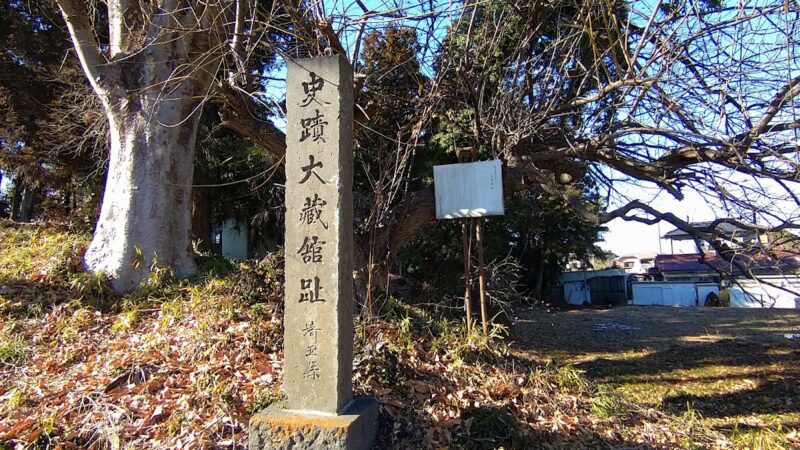
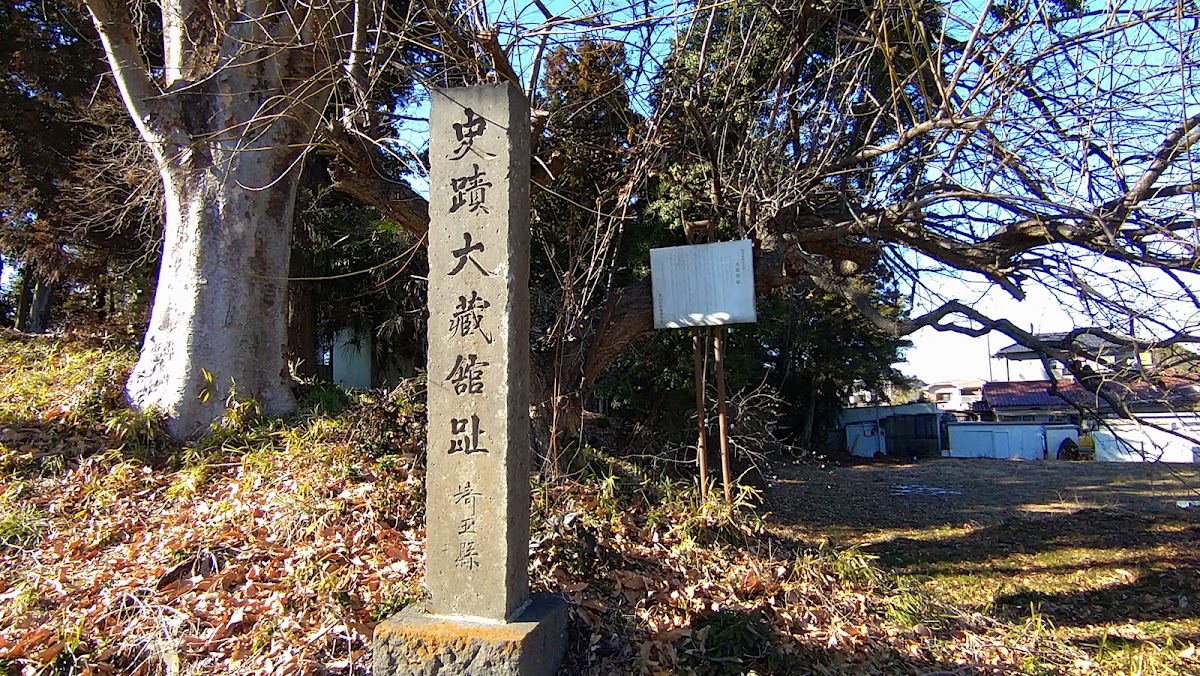
Located in Okura, Setagaya Ward, Tokyo, the Okura Manor Site is a historical site known as the residence of Ishii Ryokan, who ruled this area in the early Sengoku period. Although development has progressed and the area is now divided by the Tomei Expressway, important traces remain in this region that tell the story of the lives of samurai in the Sengoku period and the history of Setagaya.
This article comprehensively introduces all information about the Okura Manor Site, including its detailed history, the relationship between the Ishii and Kira clans, the current state of the remains, access methods, and surrounding historical spots.
What is the Okura Manor? | Basic Information and Overview
The Okura Manor was the residence of Ishii Ryokan, a samurai who served the Kira clan, the lords of Setagaya Castle, in the early Sengoku period (late 15th to early 16th century). The site is believed to be around the present-day Okura 2-chome, Setagaya Ward, Tokyo, particularly the area around the Rokuten Shrine (Dairokuten-sha). ### Basic Data on Okura Castle
- Location: Okura 2-chome, Setagaya-ku, Tokyo (around Rokutenjinja Shrine)
- Period: Early Sengoku period
- Lord: Ishii Ryokan
- Related Forces: Kira clan, Later Hojo clan
- Current Status: Almost no remains survive; the original form has been lost due to residential development and road construction.
- Nearest Station: Odakyu Line “Seijo Gakuenmae Station,” “Soshigaya Okura Station”
The Okura Castle site is one of the medieval castle sites scattered throughout Setagaya Ward, occupying an important position in telling the history of the region.
History of Okura Castle | The Relationship between Ishii Ryokan and the Kira Clan
Ishii Ryokan and Service to the Kira Clan
Ishii Ryokan was a powerful retainer who served the Kira clan, whose base was Setagaya Castle. The Kira clan was a prestigious samurai family that ruled the Setagaya area from the Muromachi period to the Sengoku period, and they boasted high social status as a branch of the Ashikaga clan.
The Ishii clan held an important position within the Kira clan’s retainers, and it is believed that they were granted land in Okura, built a residence there, and were entrusted with governing the region. Samurai during the Sengoku period had a feudal relationship with their lords, receiving land, managing agricultural production, and providing military force during wartime.
Subordination to the Hojo Clan and the Turmoil of the Sengoku Period
In the 16th century, the Kanto region underwent a period of great upheaval due to the expansion of the Later Hojo clan (Odawara Hojo clan). The Kira clan gradually came under the influence of the Hojo clan, and the Ishii clan, along with their lord the Kira clan, became subordinate to the Hojo clan.
During this period, the Setagaya area was positioned as one of the important bases for the Hojo clan’s control of Kanto, and it is highly likely that the Ishii clan participated in the Hojo clan’s military actions.
Toyotomi Hideyoshi’s Siege of Odawara and the Ishii Clan’s Return to Farming
In 1590 (Tensho 18), Toyotomi Hideyoshi’s Siege of Odawara took place, leading to the downfall of the Later Hojo clan. As a result, many samurai in the Kanto region who had served the Hojo clan lost their territories.
The Ishii clan also lost their samurai status, but when Tokugawa Ieyasu entered the Kanto region, they were allowed to remain in the area. It is believed that they returned to farming and became village headmen (influential figures and leaders) in the Okura area. This indicates that the Ishii clan held a certain level of trust and influence in this region.
The transition from samurai to village headmen was a fate experienced by many local samurai with the end of the Sengoku period. It is thought that the Ishii clan continued to support the local community as village headmen in the Okura area for generations.
The Rokuten Shrine and the Worship of Ishii Ryokan
The Origin of the Rokuten Shrine (Dairokuten Jinja)
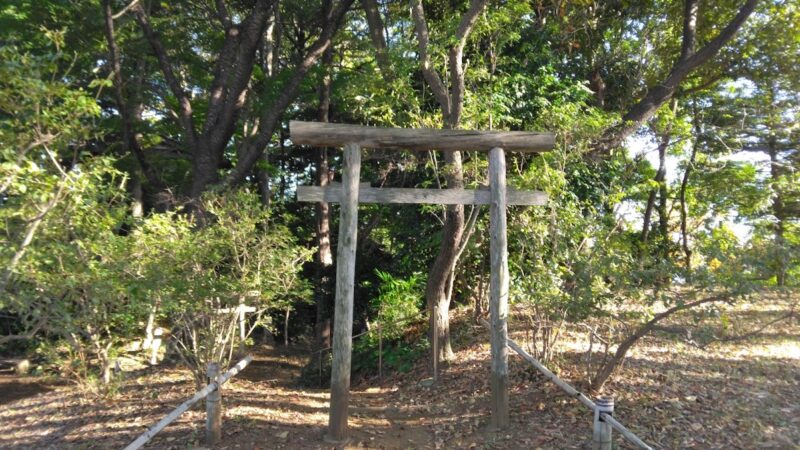
Currently, the Rokuten Shrine (Dairokuten Jinja) stands on the site believed to be the former site of the Okura Manor. A tradition remains that this shrine is dedicated to Ishii Ryokan.
The Rokutenjin is a Shinto interpretation of the Rokuten Maō, a deity of the Buddhist Tenbu (heavenly beings), and was widely worshipped in the Kanto region from the medieval to the early modern period. Due to the Meiji-era separation of Shinto and Buddhism, many Rokuten shrines were renamed to enshrine other deities, but this shrine still retains the name Rokuten Shrine.
The Ishii Clan and Local Beliefs
The act of worshipping Ishii Ryokan as a deity suggests that he was more than just a lord in this region. It is highly probable that he was a person who contributed greatly to regional development, flood control, and agricultural promotion, and was beloved by the residents.
Throughout the Edo period, as descendants of the Ishii family governed the region as village headmen, it is believed that their reverence for their ancestor, Ryokan, manifested itself in the form of a shrine.
Current Status and Remains of the Okura Manor Site
Division by the Tomei Expressway
The most distinctive feature of the Okura Manor site is that the area believed to be the manor site is divided north and south by the Tomei Expressway, which opened in 1968 (Showa 43). The construction of the expressway significantly altered the topography of the area, making it difficult to grasp the overall layout of the former manor.
The Tomei Expressway was built as a major artery connecting Tokyo and Nagoya, but in the process, many historical landscapes were lost. The Okura Manor site is one such example.
Progress of Residential Development and Loss of Remains
Since the period of rapid economic growth, the area around Okura in Setagaya Ward has undergone rapid residential development. Former fields and groves of trees have been replaced by residential areas, and almost no remains such as the manor’s moats or earthworks can be found.
Even walking around the current Rokuten Shrine area, it is difficult to find clear traces indicating the site of a Sengoku period (Warring States period) residence. Only slight remnants of the former land division can be sensed in the topography and road layout.
Archaeological Survey Status
It appears that no large-scale archaeological excavations have been conducted at the Okura Residence Site. However, artifacts from the Jomon to Kofun periods have been excavated at the Okura Site in Okura 3-chome, Setagaya Ward, confirming that this area was a place of human habitation from ancient times.
The Okura Site is located on the edge of the Musashino Plateau at an elevation of approximately 40 meters, and its western side faces a steep cliff of the Kokubunji Escarpment. This topographical feature suggests that it was a suitable location for a residence.
Access to the Okura Residence Site
Access by Train
The Okura Residence Site (Rokuten Shrine) can be accessed from the following stations:
From Odakyu Line “Seijo Gakuenmae Station”
- Approximately 20 minutes on foot from the station
- Alternatively, take an Odakyu bus from “Seijo Gakuenmae Station” bound for “Tokyo Metropolitan Okura Sports Park,” get off at the “Okura” bus stop, and walk for 5 minutes.
From Odakyu Line “Soshigaya Okura Station”
- Approximately 25 minutes on foot from the station
- Alternatively, you can use the Odakyu bus.
Access by Bus
Using the Odakyu bus that runs within Setagaya Ward is convenient. The nearest bus stops are “Okura” or “Okura 2-chome.”
Access by Car
It’s about 5 minutes from the Tomei Expressway “Tokyo IC,” but parking is limited due to it being a residential area. Using the parking lots at the nearby Tokyo Metropolitan Kinuta Park or Okura Sports Park is another option.
Nearby Historical Spots and Points of Interest
Setagaya Castle Ruins Park
The site of Setagaya Castle, the base of the Kira clan who were the lords of Okura Manor, is now maintained as “Setagaya Castle Ruins Park.” Located approximately 3 kilometers from the Okura Manor site, the remains of earthworks and dry moats are relatively well preserved.
Setagaya Castle was built by the Kira clan in the mid-15th century and served as the political and military center of the Setagaya area throughout the Sengoku period. It is believed that Ishii Ryōkan also served the Kira clan at this castle.
Gōtoku-ji Temple (Kira Clan’s Family Temple)
This Sōtō Zen temple located in Gōtoku-ji, Setagaya Ward, is known as the Kira clan’s family temple. It is also famous as the birthplace of the Maneki-neko (beckoning cat), and countless Maneki-neko figurines are dedicated on the temple grounds.
This temple is important for understanding the history of the Kira clan, and visiting it along with the Okura Manor ruins will allow you to gain a deeper understanding of Setagaya’s history during the Sengoku period.
National Center for Child Health and Development
In Okura 2-chome is the National Center for Child Health and Development, a leading institution in pediatric and perinatal medicine in Japan. This facility occupies a large area in the Okura region and is one of the symbolic facilities of modern Okura.
Kinuta Park and Okura Sports Park
The area around Okura is dotted with lush green parks, including Tokyo Metropolitan Kinuta Park and Setagaya City Okura Sports Park. These parks are valuable places that convey the natural environment of the former Musashino Plateau.
Kinuta Park is also known as a famous cherry blossom viewing spot and is bustling with many flower viewers in spring. It is imagined that during the Sengoku period, when the Okura Manor was located, this area was a rural area with fields and groves of trees.
The Place Name and Historical Background of Okura
Origin of the Place Name “Okura”
There are several theories regarding the origin of the place name Okura in Setagaya Ward, but the most plausible theory is that it derives from the existence of a “large storehouse,” that is, a warehouse for storing tax rice and other goods.
From the medieval to the early modern period, this area was a thriving agricultural production area, and it is possible that there were facilities for storing harvested rice and other goods. Even during the time when the Ishii clan ruled as village headmen, there may have been a storehouse managing important village supplies.
Geographical Characteristics of Okura
Okura is located in the southwestern part of the Musashino Plateau, with a steep cliff called the Kokubunji Cliff Line (Hake) running along its western side. The Sengawa River flows below this cliff, making it a land blessed with water resources.
These geographical conditions were advantageous for both agricultural activities and the construction of a defensive residence, and are thought to be one of the reasons why the Ishii clan established their residence in this area.
Setagaya-dori and a Transportation Hub
Setagaya-dori, which runs through Okura 1-chome, is a major road from ancient times. During the Edo period, it was used as a side road to the Oyama Kaido (Yagurazawa Highway). This road was an important transportation route connecting Edo (Tokyo) and Sagami Province, making Okura a crucial transportation hub.
Points to Note When Visiting the Okura Manor Site
Best Season for Visiting
Since there are no clear remains of the Okura Manor site itself, there is no specific best season to visit. However, visiting in spring (late March to early April) when the cherry blossoms in the nearby Kinuta Park are beautiful, or in autumn (mid-November to early December) when the leaves change color, will make your stroll more enjoyable.
Estimated Time Required
A visit to the Rokutenjin Shrine and a stroll around the area takes approximately 30 minutes. If you plan to combine this with other historical spots in the area, such as Setagaya Castle Ruins or Gotokuji Temple, it’s best to plan a half-day to full-day itinerary.
Photography Tips
The main subjects of your photos will be the shrine buildings and grounds of Rokutenjin Shrine, as well as the surrounding residential area. While no remains of the original structure exist, the scenery is worth documenting as it evokes a sense of local history.
The Position of Medieval Castle Sites and the Okura Residence in Setagaya Ward
In addition to the Okura Residence, several other medieval castle sites have been identified within Setagaya Ward.
- Setagaya Castle: The main castle of the Kira clan
- Okusawa Castle: A branch castle of Setagaya Castle
- Kitami Castle: The residence of the Edo clan
- Okura Residence: The residence of the Ishii clan
These castle sites are important for understanding the political and military structure of Setagaya from the medieval period to the Sengoku period. Although the Okura Residence is small in scale, it is a valuable example that shows the arrangement of the Kira clan’s retainers and the reality of their territorial control.
Challenges and Future Prospects of Research on the Okura-kan Site
Limitations of Historical Sources
Regarding the Okura-kan site, detailed documentary sources are scarce, and the life of Ishii Ryōkan and the structure of the site remain unclear. Further discoveries of new historical documents and comparative research with historical sources from surrounding areas may reveal more detailed information.
Possibility of Archaeological Investigation
Although the area is currently being developed for housing, future archaeological excavations during rebuilding or other developments may uncover remains and artifacts of the site. It is hoped that the importance of the Okura-kan site will be recognized within Setagaya Ward’s buried cultural property protection administration, and that appropriate protective measures will be taken.
Utilization in Local History Education
The Okura-kan site serves as valuable teaching material for local children and residents learning about their local history. Even without surviving remains, the fact that samurai once lived and governed this area has the power to stimulate interest in history.
Incorporating the history of Okurakan into local school education and lifelong learning programs will foster a sense of attachment to the region and cultivate historical awareness.
Summary | The History of Setagaya as Told by the Okurakan Site
The Okurakan site, located in Okura, Setagaya Ward, Tokyo, is the site of a residence built by Ishii Ryokan in the early Sengoku period. Although no clear remains exist today due to the division by the Tomei Expressway and residential development, the worship of Ishii Ryokan at the Rokuten Shrine continues.
The history of Okurakan concretely illustrates, at a local level, the major currents of Japanese history: the lives of local samurai who served the Kira clan, lords of Setagaya Castle, the turmoil of the Sengoku period, and the transition to the Edo period. The fact that the Ishii clan remained rooted in this area even as their status changed from samurai to village headmen speaks to the continuity and transformation of the local community.
Even today, with the remains lost, the Okurakan site remains an indispensable part of understanding the history of Setagaya. Visiting Rokuten Shrine and reflecting on the former site of the mansion will allow you to sense the rich layers of history lying beneath modern Tokyo.
Visiting nearby historical sites such as Setagaya Castle Ruins and Gotokuji Temple will provide a clearer picture of Setagaya during the Sengoku period. For history enthusiasts and local residents alike, the Okura Mansion Ruins are well worth a visit.