Complete Guide to Tanazoko Castle Ruins (Amakusa City, Kumamoto Prefecture) | Thorough Explanation of Sengoku Period Remains and Amakusa Sengoku Museum
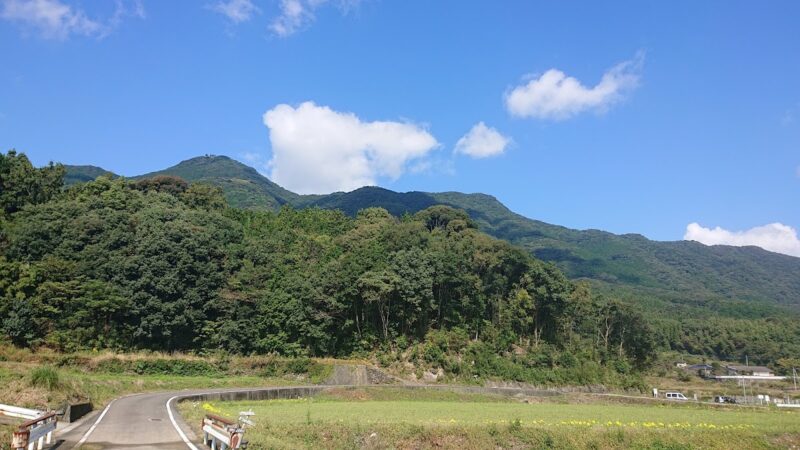
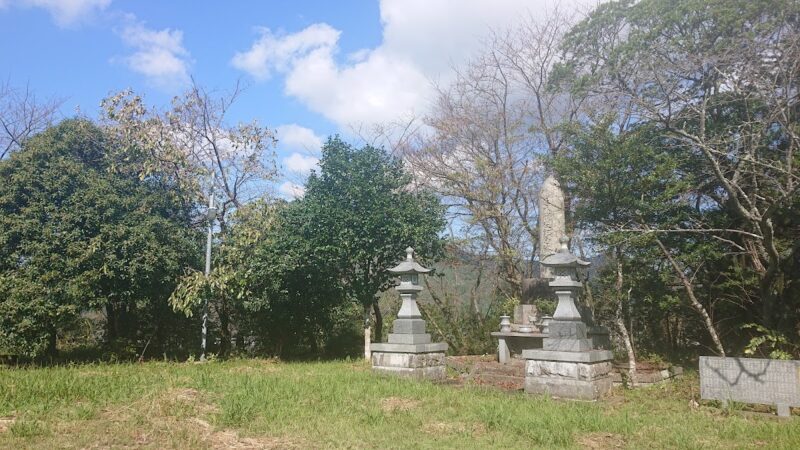
Located in Kuratake-cho, Amakusa City, Kumamoto Prefecture, Tanazoko Castle Ruins is a medieval mountain castle that functioned as an important military base in the Amakusa region during the Sengoku period. Built at the foot of Kuratake, the highest peak in Amakusa, this castle was the stage for fierce conflicts between the Amakusa Five and played a strategically important role as a key point for maritime traffic overlooking the Yatsushiro Sea. In 2021, it was designated a national historic site, and on November 22, 2024, the “Amakusa Sengoku Museum” opened, attracting attention as a new tourist spot where visitors can experience the Sengoku period in Amakusa.
History of Tanazoko Castle Ruins and the Conflict of the Amakusa Five
The Amakusa Five and the Kamitsura Clan
Tanazoko Castle is known as the residence of the Kamitsura clan, one of the Amakusa Five. The “Amakusa Five” refers to the five powerful clans (Kamitsura, Sumoto, Oyano, Shiki, and Amakusa) that ruled the Amakusa region during the Sengoku period. Each clan maintained its own distinct territory, forming complex relationships that sometimes involved alliances and sometimes conflict.
The Kamitsura clan controlled the area centered around Kuratake, securing economic and military superiority by controlling the maritime trade routes of the Yatsushiro Sea. Tanazoko Castle served as the central base of their control, playing a crucial role in monitoring the sea and defending their territory.
Records of Conflict with the Sumoto Clan
The “Yatsushiro Diary” records the fierce conflict between the Kamitsura and Sumoto clans over Tanazoko Castle. In 1556 (Koji 2), the Sumoto clan captured Tanazoko Castle and temporarily brought it under their control. During this period, the Sumoto clan was expanding their power in the Amakusa region and intensifying their invasions of the Kamitsura clan’s territory.
However, in 1560 (Eiroku 3), the Kamitsura clan succeeded in recapturing Tanazoko Castle. This recapture demonstrated the Kamitsura clan’s military strength and strategic judgment, and marked a crucial turning point in maintaining the balance of power among the Amakusa Five. This history of conflict enhances the historical value of the Tanazoko Castle ruins.
Function as a Medieval Mountain Castle
Tanazoko Castle, as a typical medieval mountain castle, possessed a defensive system that skillfully utilized the natural terrain. Its location at the foot of Mount Kuratake allowed for multiple layers of defense using the mountain slopes, making enemy intrusion difficult. Furthermore, its position overlooking the Yatsushiro Sea provided a surveillance function, enabling early detection of approaching forces from the sea.
In the Amakusa region during the Sengoku period, maritime transport was the main route for the transport of goods and military movements, and controlling this sea route was key to regional control. Tanazoko Castle was strategically located at this crucial point, making it an important fortress supporting the power base of the Kamitsura clan.
Remains and Highlights of Tanazoko Castle Ruins
Well-Preserved Earthworks and Stone Walls
The most striking feature of Tanazoko Castle Ruins is the remarkably well-preserved remains from the Sengoku period (Warring States period). Multiple baileys (kuruma) are arranged within the castle grounds, and the earthworks separating each are clearly visible. Many of these earthworks are approximately 2-3 meters high, making them valuable relics that convey the castle-building techniques of the time.
Partially preserved stone walls also remain, providing important information for understanding the development of stone wall technology in medieval mountain castles. The use of stone materials for reinforcing earthworks and strengthening defenses at key points, rather than being complete stone walls, is characteristic of castle architecture from this period.
Dry Moat Defensive System
Multiple dry moats have been identified at Tanazoko Castle, forming the core of the castle’s defensive system. These dry moats were positioned between baileys or on the outer perimeter of the castle, physically preventing enemy incursions.
Some of the dry moats reach depths of over 5 meters, and combined with the steep slopes, they constitute an extremely difficult obstacle for attackers. The Amakusa Sengoku Museum features an exhibit where visitors can experience the depth of these dry moats firsthand, allowing them to appreciate the high level of defense at the time.
Eight Enclosures
Tanazoko Castle has a complex structure composed of eight enclosures. The enclosures, arranged in stages around the main enclosure, were designed based on the concept of multi-layered defense. Traces of life, such as building remains and well remains, have been found in each enclosure, indicating that the castle functioned not merely as a military facility but also as the lord’s residence.
The layout of the enclosures skillfully adapts to the terrain, demonstrating ingenuity in maximizing the use of the limited flat land. This type of layout (castle design) is highly regarded by castle researchers as an excellent example of the advanced castle-building techniques of the Sengoku period.
Panoramic View of the Yatsushiro Sea
Thanks to development projects by Amakusa City, the view from the castle ruins has been significantly improved. As a result of tree felling, a panoramic view of the Yatsushiro Sea is now available, allowing visitors to experience the landscape that the former castle lord likely enjoyed.
On clear days, you can see as far as Yatsushiro City on the opposite shore, giving you a real sense of the strategic importance of Tanazoko Castle as a monitoring base for maritime traffic. This view is not merely a tourist attraction, but also an important element for deepening your understanding of history.
The Charms of the Amakusa Sengoku Museum
Facility Overview and Opening Information
The Amakusa Sengoku Museum opened on November 22, 2024, as a guidance facility to convey the charm of the Tanazoko Castle ruins. Developed as a complex facility integrated with the Kuratake Branch Office, it represents an advanced initiative that combines regional administrative functions with tourism and educational functions.
Admission is free, allowing anyone to easily learn about the Sengoku period in Amakusa. While incorporating the latest exhibition technology, the facility aims to create an open and friendly space for the community, and is expected to function as a hub for interaction between local residents and tourists.
Features of the Interactive Exhibits
The most distinctive feature of the Amakusa Sengoku Museum is its exhibit design, which allows visitors to experience the structure of a castle firsthand. A life-size replica of the earthwork cross-section allows visitors to visually and tactilely understand how the earthworks were constructed and what kind of defensive capabilities they provided.
In the exhibit space where visitors can experience the depth of a dry moat, they can actually descend to the bottom of the moat, allowing them to feel the difficulties faced by the attacking forces. This type of experiential approach is particularly effective for children’s history learning, and the museum’s value as an educational facility is highly regarded.
Screening of the Amakusa Five Lords Conflict Drama
The museum screens a drama that clearly explains the history of the conflict between the Amakusa Five Lords. The battle for Tanazoko Castle between the Kamitsura and Sumoto clans, the complex political relationships among the Amakusa Five Lords, and the history of the Amakusa region being tossed about by the turmoil of the Sengoku period are vividly depicted through the film.
The drama, while based on historical facts, also pursues the compelling aspect of human drama, making it enjoyable even for those unfamiliar with history. The running time is approximately 15 minutes, and watching it before or after visiting the castle ruins will enhance understanding and emotional impact.
Exhibition Contents and Learning Programs
The museum displays artifacts excavated from the Tanazoko Castle ruins and historical materials related to the Amakusa Five. The actual artifacts, such as ceramic fragments, iron products, and stone structures, are valuable evidence that concretely conveys the life and culture of the time.
In addition, regular programs featuring curator explanations and lectures by local history researchers are held to cater to those seeking more specialized knowledge. These educational programs also play a role in deepening understanding of the region’s history and culture and raising awareness of cultural property preservation.
Tourist Information
Access Methods
Access by Car
- Approximately 45 minutes by car from Amakusa Airport
- Approximately 2 hours and 40 minutes by car from Kumamoto city center
- Approximately 40 minutes by car from Amakusa city center (Hondo area)
- Take National Route 266 towards Kuratake
Public Transportation
- Amakusa city buses are available, but the number of buses is limited, so it is necessary to check the timetable in advance.
- Sightseeing taxis are also convenient, and plans combining Amakusa city sightseeing with other tourist spots are available.
Parking Information
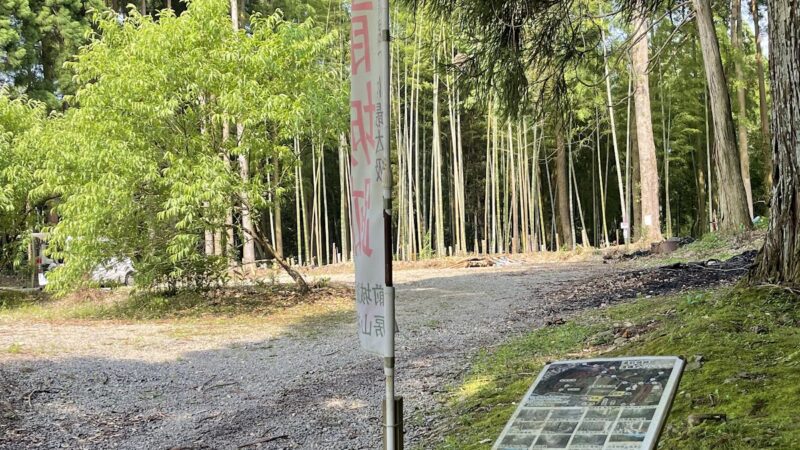
- Parking is available adjacent to the Amakusa Sengoku Museum.
- Free of charge.
- Accommodates large buses.
Notes for Visitors
Tanazoko Castle Ruins is a mountain castle, and a certain level of physical fitness is required for visiting. Please note the following points.
- Wear comfortable walking shoes (athletic shoes or trekking shoes)
- Bring insect repellent, a hat, and drinking water during the summer months
- Be careful as the ground can be slippery during and after rain.
- There are steep slopes within the castle ruins, so extra caution is needed if you are with small children.
- Please observe proper etiquette to protect the remains, such as not climbing on or damaging the earthworks or stone walls.
Estimated Visit Time
- Amakusa Sengoku Museum Visit: 30-60 minutes
- Tanazoko Castle Ruins Stroll: 60-90 minutes
- Total: Approximately 2-2.5 hours
If you plan to take your time taking photos and enjoying the views, we recommend allowing more time.
Nearby Tourist Spots
Kuradake
Kuradake, the highest peak in Amakusa (682m above sea level), is located very close to the Tanazoko Castle Ruins. From the summit, you can enjoy a spectacular view of the entire Amakusa Islands, making it a popular spot for mountain climbing and hiking.
Kuratake Ebisu and Daikoku Statues
These giant stone statues, standing near the summit of Mt. Kuratake, are one of Amakusa’s symbols. They are believed to bring good fortune in matchmaking and business prosperity.
Tanazoko Coast
This coast faces the calm Yatsushiro Sea, offering beautiful sunset views. It is also known as a fishing spot.
Other Historical Sites in Amakusa City
Historical exploration combining Amakusa with other castle ruins of the Amakusa Five (such as Shiki Castle Ruins and Hondo Castle Ruins) and historical sites related to Amakusa Christianity (such as Sakitsu Settlement and Amakusa Collegio Museum) is also popular.
Best Time to Visit
Spring (March-May)
The weather is mild, and the fresh greenery is beautiful. Cherry blossom viewing is also possible in the surrounding area during cherry blossom season.
Autumn (October-November)
The autumn foliage is beautiful, and the temperature is pleasant, making it the most suitable time to visit. The air is clear, and the views are excellent. Summer (June-August)
While heat precautions are necessary, you can enjoy the beautiful scenery with the striking blue of the Yatsushiro Sea. Visiting in the early morning or evening is recommended.
Winter (December-February)
With fewer visitors, you can enjoy a quiet visit. However, cold weather precautions are necessary, and there can be strong sea breezes.
Cultural Value of Tanazoko Castle Ruins
Significance of National Historic Site Designation
Tanazoko Castle Ruins were designated a National Historic Site in 2021. This designation indicates that the castle ruins possess significant historical value nationwide.
The following points were evaluated as reasons for the designation:
- A valuable historical site illustrating the political and military situation of the Amakusa region during the Sengoku period.
- The structure of a medieval mountain castle is well-preserved.
- An important historical site that tells the story of the conflict between the Amakusa Five, a key part of regional history.
- A fine example of how castles should be built at strategic points for maritime traffic.
With its designation as a National Historic Site, protective measures based on the Cultural Properties Protection Law have been implemented, ensuring the preservation of the remains for future generations.
The Position of the Site in Amakusa’s Medieval History
The Tanazoko Castle Ruins are an indispensable historical site for understanding the medieval history of the Amakusa region. It encompasses diverse historical themes, including the unique regional power structure of the Amakusa Five, economic activities based on maritime traffic, and the survival strategies of local powerful families during the turbulent Sengoku period.
Furthermore, while the Amakusa region is known for its Christian history, the Tanazoko Castle Ruins, as an important site conveying the appearance of medieval society prior to that, demonstrate the multi-layered nature of Amakusa’s history. With the end of the Sengoku period, the era of the Amakusa Five also came to an end, but the Tanazoko Castle ruins are a valuable historical heritage site that conveys the turbulent times to the present day.
Progress of the Development Project
Amakusa City is proceeding with the development project of the Tanazoko Castle ruins, aiming for completion in fiscal year 2025. This development project includes the following elements:
- Ensuring views through tree felling
- Development of viewing paths and safety measures
- Installation of explanatory and information boards
- Installation of rest areas sized to match the original buildings
- Balancing the protection and utilization of the remains
Through these developments, an environment is being created where more people can safely visit the castle ruins without compromising their historical value.
Regional Development and Educational Activities
Collaboration with the Local Community
The Amakusa Sengoku Museum functions not only as a tourist facility but also as a hub for the local community. Developed as a complex facility with the Kuratake District Community Center, it is also used as a place for learning activities and exchange among local residents.
In 2024, the “Kuratake District Community Center General Lecture: The Significance of Tanazoko Castle Ruins in Amakusa’s Medieval Period” was held, providing local residents with an opportunity to learn about the history of their region. Such initiatives are important activities that foster pride and attachment to the community.
Development of Educational Programs
The museum also offers a comprehensive educational program for elementary and junior high school students. In collaboration with local schools, visits to the castle ruins and the museum are incorporated as part of local history studies.
By actually visiting the ruins and touching the remains, students can gain a living understanding of history that cannot be obtained from textbooks alone. Children developing an interest in local history and fostering an awareness of cultural property preservation contributes to the long-term conservation of cultural properties.
Contribution to Tourism Promotion
Amakusa City considers tourism an important industry, and Tanazoko Castle Ruins and the Amakusa Sengoku Museum are expected to become new tourist resources. The addition of the Sengoku period history to Amakusa’s traditional tourist attractions—dolphin watching, swimming, and Christian historical sites—is expected to extend tourist stays and encourage repeat visits.
In particular, a tourism strategy targeting history and castle enthusiasts is anticipated to cultivate a new tourist base. Tanasoko Castle is gaining attention on castle information websites such as Kojodan, and is becoming a destination for castle lovers nationwide.
Visitor Guide: To Maximize Your Enjoyment of Tanasoko Castle Ruins
Preparation and Recommended Route
To fully enjoy your visit to Tanasoko Castle Ruins, preparation is essential.
Recommended Visiting Route
- Gain background knowledge at the Amakusa Sengoku Museum (30-60 minutes)
- Understand the history of the Amakusa Five through a drama screening
- Begin your stroll from the castle ruins entrance towards the main enclosure
- Visit each enclosure, earthwork, and dry moat in sequence
- Enjoy the view of the Yatsushiro Sea from the viewpoint
- Take a break at the gazebo and appreciate the scale of the buildings at the time
- Return to the museum and reconfirm the exhibits after seeing the actual artifacts
Following this route will organically connect knowledge and experience, leading to a deeper understanding.
Photography Tips
Tanazoko Castle Ruins is also a suitable spot for photography.
Recommended Photo Spots
- Panoramic view of the Yatsushiro Sea from the main enclosure (morning sunlight is recommended)
- Cross-section of the earthworks and arrangement of the baileys (angle that shows the three-dimensional nature of the ruins)
- An overhead shot that allows you to appreciate the depth of the dry moat
- Silhouette of the Yatsushiro Sea and castle ruins at sunset
- A composition with the museum architecture and Kuratake Mountain in the background
To protect the ruins, please avoid climbing on the earthworks or stone walls for photography and take photos from the designated viewing paths.
Combine with Local Cuisine
In the Kuratake-cho area of Amakusa City, you can enjoy dishes made with fresh seafood. Before or after visiting Tanasoko Castle Ruins, we recommend enjoying Amakusa’s flavors at local restaurants and roadside stations.
- Fresh seafood caught in the Amakusa sea
- Amakusa Daio (local chicken) dishes
- Kuruma prawn dishes
- Amakusa Chanpon
Enjoying dishes made with local ingredients is an important part of experiencing Amakusa’s culture.
Summary: The Charm and Future Prospects of Tanazoko Castle Ruins
Tanazoko Castle Ruins are a valuable cultural asset that conveys the history of the Amakusa region during the Sengoku period. This castle, the stage of the conflict between the Amakusa Five, boasts well-preserved remains and a spectacular view overlooking the Yatsushiro Sea, making it an attractive spot not only for history buffs but also for general tourists.
The Amakusa Sengoku Museum, which opened in November 2024, plays a crucial role in conveying the value of the castle ruins in a more accessible way. It is highly regarded as a facility where visitors can learn about history using modern methods such as interactive exhibits and drama screenings. The fact that admission is free is also a major attraction, making it easily accessible to many people.
With ongoing maintenance projects by Amakusa City, the viewing environment of the castle ruins is expected to improve even further in the future. Balancing the protection and utilization of historical heritage while contributing to regional development and education, Tanazoko Castle Ruins continues to increase its value as a new core of Amakusa tourism and an important teaching material for learning about Japan’s medieval history.
When you visit Amakusa, be sure to visit the Tanazoko Castle Ruins and the Amakusa Sengoku Museum to experience the spirit of the Sengoku period. Standing on the castle ruins overlooking the Yatsushiro Sea, you’ll feel even closer to the turbulent era in which the Amakusa Five lived.