Kikuchi Castle (Kikuchi City, Kumamoto Prefecture) Complete Guide | History, Highlights, and Access Information
Located in Kikuchi City, Kumamoto Prefecture, Kikuchi Castle was the base of the Kikuchi clan, who played a crucial role in the history of Kyushu during the Middle Ages. Also known as Moriyama Castle, Kumafu Castle, and Unjo Castle, the castle ruins are now home to Kikuchi Shrine and are a popular spot for cherry blossoms and azaleas. This article provides a thorough explanation of Kikuchi Castle’s detailed history, highlights, access methods, and surrounding tourist information.
What is Kikuchi Castle?
Kikuchi Castle is a medieval mountain castle built on a hill called Shiroyama, located north of Kumafu in Kikuchi City, Kumamoto Prefecture. Also known as Kikuchi Honjo, it is a historically important castle that served as the base of the Kikuchi clan for approximately 450 years. Situated on a hill approximately 130 meters above sea level, it was built in a strategic location overlooking the Kikuchi River basin.
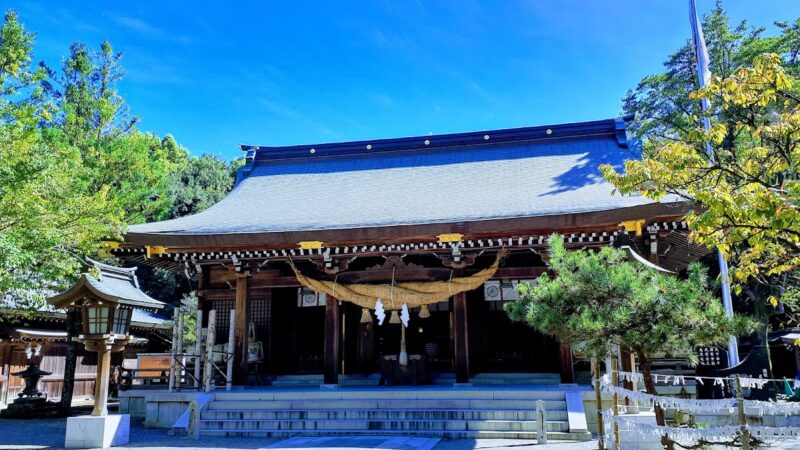
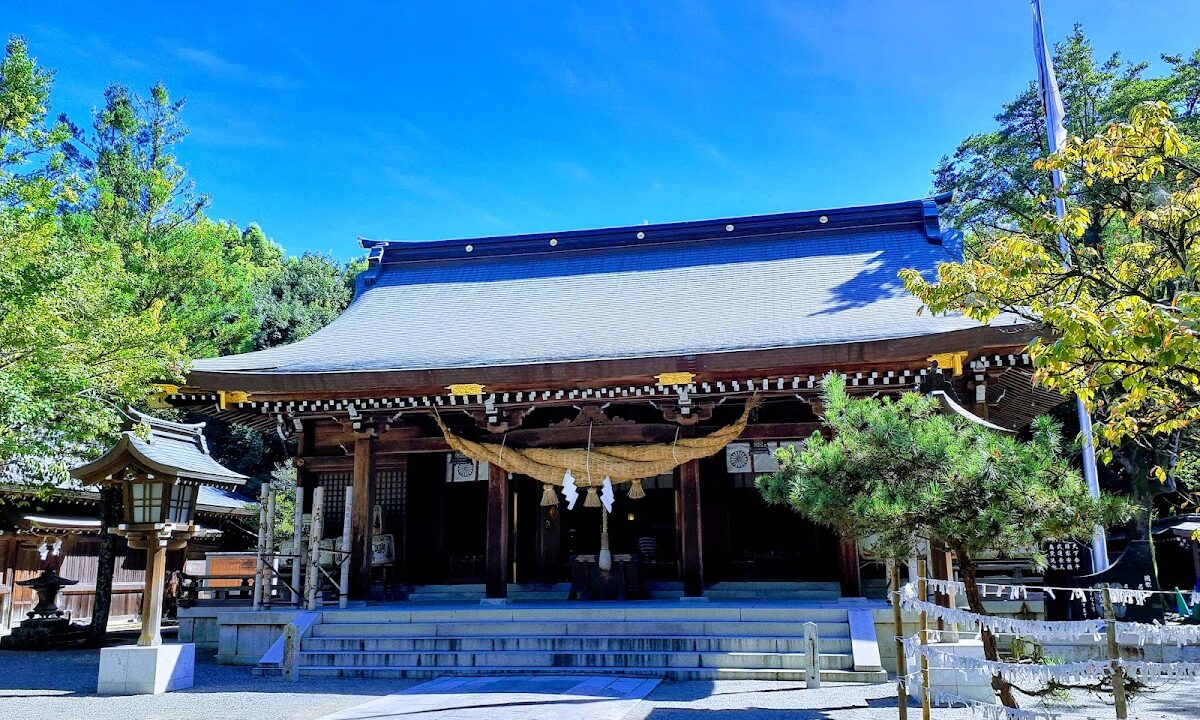
Currently, the Kikuchi Shrine, founded in 1870 (Meiji 3), stands on the castle site. It is a shrine dedicated to the Kikuchi clan and is a center of local faith. The area surrounding the castle site has been developed into a park, a popular recreational spot for citizens, with cherry blossoms in spring and azaleas in early summer.
Alternative Names of Kikuchi Castle
Kikuchi Castle has several alternative names, each reflecting the castle’s characteristics and history.
- Kikuchi Honjo: A name indicating it was the base of the Kikuchi clan.
- Moriyama Castle: Meaning a castle protecting the castle hill.
- Kumafu Castle: Derived from the location, Waifu.
- Unjo Castle: Located on a hill, appearing as if it were above the clouds.
- Kumabe Castle: An alternative name based on the place name.
These alternative names indicate that Kikuchi Castle held an important position in the region.
History of Kikuchi Castle
Origins and Development of the Kikuchi Clan
The Kikuchi clan was a prestigious samurai family descended from officials of the Dazaifu government. The first head of the clan, Kikuchi Noritaka, is said to have ruled the Kikuchi region in the late Heian period and built Kikuchi Castle (Fukagawa, Kikuchi City). The Kikuchi clan ruled this area for generations, growing into one of the most powerful forces in Kyushu from the Kamakura period to the Nanboku-cho period.
Relocation of the Headquarters to Kikuchi Castle
The Kikuchi clan’s headquarters remained at Kikuchi Castle until the time of the 15th head, Kikuchi Takemitsu. It is believed that they moved their headquarters to the current Kikuchi Castle around 1373 (Buncho 2nd year/Oan 6th year). This relocation was a strategic decision based on the more defensible terrain and the need to govern the Kikuchi River basin.
Kikuchi Takemitsu was an active general on the Southern Court side and a central figure in the Southern Court’s forces in Kyushu. During his reign, the Kikuchi clan reached its peak, and Kikuchi Castle became an important base for the Southern Court in Kyushu.
Construction of the Eighteen Outer Castles of Kikuchi
The Kikuchi clan built a network of branch castles, known as the “Eighteen Outer Castles of Kikuchi,” centered around their main castle, Kikuchi Castle. These branch castles functioned as a defensive network protecting Kikuchi Castle and clearly defined the Kikuchi clan’s sphere of influence.
The Eighteen Outer Castles of Kikuchi include the following castles:
- Fukagawa Castle
- Akahoshi Castle
- Kino Castle
- Watari Castle
- Banjaguchi Castle
- Kawara Castle
These branch castles were crucial elements supporting the Kikuchi clan’s military and political control.
The Sengoku Period and the Decline of the Kikuchi Clan
With the arrival of the Sengoku period, the Kikuchi clan gradually lost power due to internal conflicts and struggles with surrounding forces. By the mid-16th century, the Kumabe clan, a powerful local lord of Higo Province, came to control Kikuchi Castle.
In 1587 (Tensho 15), with Toyotomi Hideyoshi’s conquest of Kyushu, Kikuchi Castle ceased its role during the Sengoku period. Subsequently, under Kato Kiyomasa, who became the lord of Higo Province, Kikuchi Castle was abandoned. During the Edo period, only the castle ruins remained, and it remained until the Meiji Restoration.
After the Meiji Era
In 1870 (Meiji 3), Kikuchi Shrine was founded on the site of Kikuchi Castle to honor the Kikuchi clan. This marked a new chapter in the history of the castle ruins as a shrine. Kikuchi Shrine became a center of local faith and continues to attract many worshippers to this day.
Structure and Remains of Kikuchi Castle
Castle Structure
Kikuchi Castle was a typical medieval mountain castle, possessing a defensive structure that skillfully utilized the natural terrain. The main keep was located on the hill of the castle mountain, with surrounding baileys (kuruwa) arranged around it.
The main parts of the castle are thought to have been composed as follows:
- Honmaru: The central part of the castle, where the lord’s residence was located
- Ninokuruwa: A bailey protecting the Honmaru
- Sannomaru: An even outer defensive line
- Horikiri: A defensive structure cutting across the ridge
- Dorui: A defensive wall made of piled-up earth
Existing Remains
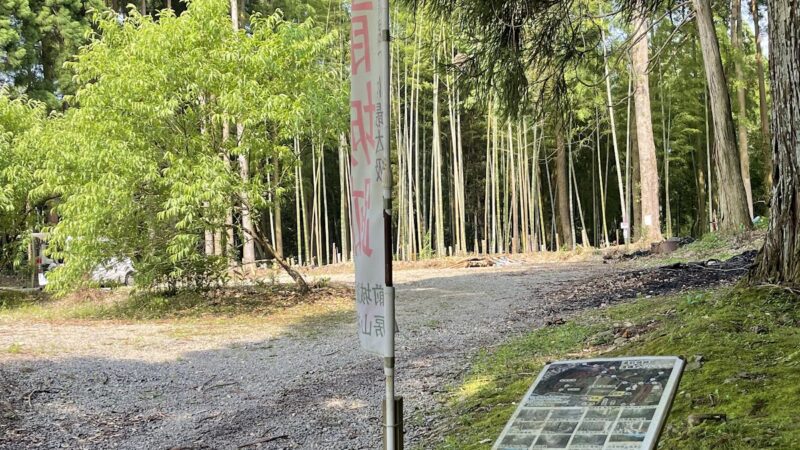
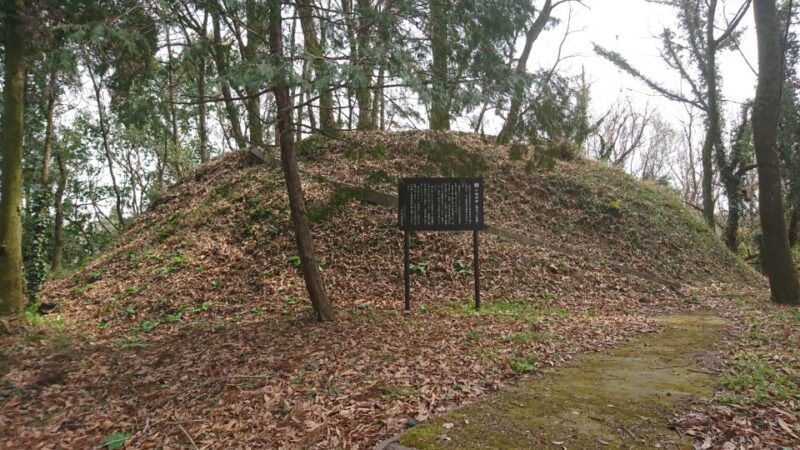
Currently, there are few clear remains such as stone walls at the Kikuchi Castle site, but the following traces can be confirmed:
- Kuruwa Topography: The flat shape of the bailey remains
- Dorui Traces: Remnants of earthen ramparts can be seen in some areas
- Horikiri Traces: The topography of a horikiri cutting across the ridge
- Shiroyama Topography: The topography indicating the overall layout of the castle
Because the site is now the grounds of Kikuchi Shrine, some of the medieval castle remains have been altered by the shrine facilities, but the overall topography of the hill allows us to imagine the castle structure of the time.
Highlights of Kikuchi Castle
Kikuchi Shrine
Kikuchi Shrine, built on the site of Kikuchi Castle, was founded in 1870 (Meiji 3) as a shrine dedicated to the Kikuchi clan. It particularly enshrines the three generations of the Kikuchi clan who were loyal to the Southern Court: Kikuchi Taketoki, Takeshige, and Takemitsu.
Highlights of Kikuchi Shrine:
- Main Hall: A shrine building with a solemn atmosphere
- Worship Hall: A beautiful building welcoming worshippers
- Stone Monument on the Grounds: An inscription that tells the history of the Kikuchi clan
- Ema Hall: A place where historical ema (votive tablets) are dedicated
From the shrine grounds, you can enjoy a panoramic view of Kikuchi city and the beautiful scenery of the Kikuchi River basin.
Kikuchi Shrine History Museum
A history museum is located on the grounds of Kikuchi Shrine, exhibiting materials related to the history of the Kikuchi clan and Kikuchi Castle.
Admission Fee:
- Adults: 300 yen
- High School Students: 200 yen
- Junior High School Students: 100 yen
The History Museum displays the Kikuchi clan’s genealogy, armor, and ancient documents, allowing visitors to learn deeply about the history of the Kikuchi family. When visiting Kikuchi Castle, we highly recommend stopping by the History Museum.
Famous Cherry Blossom and Azalea Spot
Kikuchi Castle Ruins (Kikuchi Shrine) is known as a famous spot for cherry blossoms and azaleas.
Spring Cherry Blossoms (Late March to Early April):
Approximately 3,000 cherry trees are planted throughout the castle hill, and when in full bloom, the entire castle ruins are dyed pink. The trees are also illuminated at night, allowing visitors to enjoy the magical sight of cherry blossoms after dark.
Early Summer Azaleas (Late April to Early May):
After the cherry blossom season ends, approximately 5,000 azaleas bloom. Red, white, and pink azaleas adorn the castle ruins, captivating visitors.
Observation Spot
The view from Kikuchi Castle Ruins is magnificent, offering the following scenery:
- Kikuchi City: A panoramic view of Kumafu town
- Kikuchi River Basin: A landscape of fertile rice paddies
- Aso Outer Rim: On clear days, the Aso mountains can be seen
- Kikuchi Plain: A vast rural landscape
The view at sunset is particularly beautiful and is a popular spot for photography.
Kikuchi City Overview and Tourist Information
About Kikuchi City
Kikuchi City is located in the northern part of Kumamoto Prefecture, approximately 25 km northeast of Kumamoto City. On March 22, 2005, the former Kikuchi City, Shichijo Town, Asahi Village, and Shisui Town merged to form the current Kikuchi City.
Characteristics of Kikuchi City:
- Population: Approximately 47,000 (as of 2024)
- Area: Approximately 276 square kilometers
- Catchphrase: “A town of abundant water, greenery, and a sun-drenched rural culture”
- Key Industries: Agriculture and livestock farming (rice, vegetables, beef cattle, etc.)
Kikuchi City boasts thriving agriculture, utilizing the abundant water resources and fertile land provided by the Kikuchi River and Goshi River, which originate from the outer rim of Mount Aso. It also has a rich history and traditional culture, possessing numerous historical legacies.
Kikuchi City Tourist Attractions
Besides Kikuchi Castle, Kikuchi City has many other attractive tourist spots.
Kikuchi Valley
Kikuchi Valley is located in the northwestern part of the outer rim of Mount Aso and has been selected as one of Japan’s 100 Famous Waters and one of Japan’s 100 Best Forests for Forest Bathing. It is cool even in summer and is a popular summer resort.
Kikuchi Valley Information:
- Admission Fee: 500 yen (Parking free from 2024)
- Highlights: Clear stream, waterfall, giant rocks, autumn foliage
- Walking Trail: Approximately 1.2 km of well-maintained walking trail
Kikuchi Valley is known for its beautiful scenery, a blend of crystal-clear streams and lush forests, offering a refreshing forest bathing experience surrounded by negative ions.
Kikuchi Castle
Kikuchi Castle is an ancient mountain castle built by the Yamato court in the late 7th century and is designated a national historic site. Unlike Kikuchi Castle, it is a valuable historical site as an ancient castle ruin.
Features of Kikuchi Castle:
- Period: Ancient (late 7th century)
- Purpose: Military base for the defense of Dazaifu
- Remains: Octagonal drum tower, rice storehouse, barracks ruins, etc.
- Admission Fee: Free
The restored octagonal drum tower is an iconic building that conveys the grandeur of ancient architecture.
Kikuchi Onsen
Kikuchi Onsen is a hot spring resort located in the city center, known as a “beauty spring.”
Spring Water Quality: Alkaline simple hot spring
Efficacy: Neuralgia, muscle pain, joint pain, fatigue recovery, etc.
There are several hot spring facilities in the city, and day trips are possible. There are also public baths that can be used at low cost, allowing you to experience the hot spring culture rooted in the lives of the local people.
Riverside Park Shichijo
A park located in the Shichijo area, the “Kumamon Pool” is a popular spot. It is bustling with many families during the summer.
Facilities:
- Kumamon Pool
- Lawn Area
- Playground Equipment
- BBQ Facilities
Located along the Kikuchi River, this area offers a relaxing natural environment perfect for families.
Kikuchi City’s Local Products
Kikuchi City boasts a thriving agricultural industry and many local specialties.
Main Local Products:
- Kikuchi Rice: A brand of rice grown with high-quality water
- Melons: Shichijo melons are produced in one of the prefecture’s leading production areas
- Kikuchi Beef: High-quality Japanese Black beef
- Rice Paddy Burdock: Soft and fragrant burdock
- Kikuchi Tea: Tea leaves cultivated in high-altitude areas
Fresh agricultural products can be purchased at roadside stations and direct sales outlets.
Access Information
Access to Kikuchi Castle (Kikuchi Shrine)
By Public Transportation
From JR Kumamoto Station:
- Take the Kumamoto Electric Railway bus “Kikuchi Line” from JR Kumamoto Station (approx. 60 minutes)
- Get off at the “Kikuchi Onsen Shimin Hiroba-mae” bus stop
- Kikuchi Shrine is approximately a 5-minute walk away.
From Kumamoto Airport (Aso Kumamoto Airport):
- Take a bus from the airport to Kikuchi city (approx. 30 minutes)
- From Kikuchi city, take a taxi or walk to Kikuchi Shrine.
By Car
From Kyushu Expressway:
- Approximately 30 minutes from Ueki IC via National Route 387
- Approximately 40 minutes from Kumamoto IC
Parking:
Free parking is available at Kikuchi Shrine (approx. 50 cars)
Address:
1257 Kumafu, Kikuchi City, Kumamoto Prefecture 861-1331
Transportation within Kikuchi City
While private cars are the most convenient way to get around Kikuchi City, a city-wide bus service is also available. Renting a car is recommended for visiting major tourist attractions.
Major Roads within the City:
- National Route 387: A major road running north-south through Kikuchi City
- National Route 325: A road connecting east and west
- Prefectural Route 23: A major route to Kumamoto City
History and Culture of Kikuchi City
Achievements of the Kikuchi Clan
The Kikuchi clan played a central role in the Southern Court’s power during the Nanboku-cho period, playing a significant role in Japanese history. In particular, Kikuchi Takemitsu, serving Prince Kaneyoshi, the Seisei Shogun (Commander-in-Chief of the Western Expedition), dedicated himself to expanding the Southern Court’s influence in Kyushu.
The Kikuchi clan’s loyalty was highly praised in later generations, and after the Meiji Restoration, they were honored as exemplary loyalists. This is the background to the founding of Kikuchi Shrine.
Waifu Town
Waifu, a castle town of Kikuchi Castle, developed as a commercial center during the time of the Kikuchi clan. Even today, it remains the central urban area of Kikuchi City, retaining traces of its historical streetscape.
Waifu Highlights:
- Old townhouses
- Statue of Kikuchi Takemitsu
- Kikuchi City Central Library (housing historical materials)
- Shopping Street
Kikuchi Festival
The Kikuchi Festival, held every March, is the city’s largest event commemorating the Kikuchi clan.
Festival Contents:
- Warrior Procession: A historical procession centered around Kikuchi Takemitsu
- Matsubayashi (Pineapple Music): Performance of traditional performing arts
- Local Products Exhibition: Sale of Kikuchi’s specialty products
- Stage Events: Music and dance performances
Many citizens and tourists participate, providing an opportunity to experience Kikuchi’s history and culture.
Kikuchi City’s Vision for a Co-creative Society: The Healing Village Strategy
Kikuchi City aims to realize a co-creative society through collaboration between citizens and the administration, based on the concept of a “healing village.” It is promoting community development that utilizes its rich natural environment, historical and cultural heritage, and agricultural resources.
Main Initiatives:
- Tourism Promotion: Creating tourist destinations utilizing Kikuchi Valley, Kikuchi Onsen (hot springs), and historical heritage
- Agricultural Promotion: Promoting the production and sale of safe and secure agricultural products
- Promoting Migration and Settlement: Accepting migrants seeking a rich natural environment
- Educational Environment Improvement: Creating an environment conducive to raising children
- Health Promotion: Health promotion programs utilizing hot springs and nature
Kikuchi City is promoting the construction of a sustainable local community as a “healing village” where history and nature are in harmony.
Notes and Recommendations for Visitors
Notes for Visitors
Clothing:
- As the castle ruins are located on a hillside, comfortable walking shoes are recommended.
- In summer, the sun is strong, so bring a hat and sunscreen.
- In winter, it can be windy, so take precautions against the cold.
Manners:
- Kikuchi Shrine is a sacred place. Please observe proper etiquette when visiting a shrine.
- Please take all your trash with you.
- Please cooperate in protecting the historical remains.
Opening Hours:
- Kikuchi Shrine: Open for worship (History Museum: 9:00 AM – 5:00 PM)
- Closed: History Museum is closed on Mondays (or the following day if Monday is a public holiday)
Recommended Visit Plans
Half-Day Course:
- Visit Kikuchi Shrine and explore the castle ruins (1 hour)
- Visit Kikuchi Shrine History Museum (30 minutes)
- Explore the townscape of Kumafu (1 hour)
- Take a bath at Kikuchi Onsen (1 hour)
Full-Day Course:
Morning: Visit Kikuchi Castle Ruins and Kikuchi Shrine
Lunch: Local cuisine in Kikuchi City
Afternoon: Visit Kikuchi Valley or Kikuchi Castle
Evening: Take a bath at Kikuchi Onsen
Two-Day Course:
Day 1: Visit Kikuchi Castle, explore Kumafu, and stay overnight at Kikuchi Onsen
Day 2: Kikuchi Valley, Kikuchi Castle, Riverside Park Shichijo
Nearby Accommodations
Kikuchi Onsen has many inns and hotels.
Accommodation Features:
- Hot Spring Inns: Enjoy hot springs and kaiseki cuisine in a traditional Japanese inn
- Business Hotels: Affordable accommodations
- Minshuku (Guesthouses): A homey atmosphere where you can interact with locals
Advance reservations are recommended. It gets especially crowded during cherry blossom season and long weekends.
Summary
Kikuchi Castle (Kikuchi City, Kumamoto Prefecture) was the base of the Kikuchi clan, which played an important role in the history of Kyushu in the Middle Ages. Today, it is a historical site where Kikuchi Shrine is located. From the castle ruins, you can enjoy a panoramic view of Kikuchi city, and it is a beautiful tourist spot with cherry blossoms in spring and azaleas in early summer.
In addition to Kikuchi Castle, Kikuchi City has many other attractive tourist resources, including Kikuchi Valley, Kikuchi Castle, and Kikuchi Onsen. Blessed with abundant nature, rich history and culture, and delicious agricultural products, Kikuchi City warmly welcomes visitors as a “healing village.”
When visiting Kumamoto Prefecture, be sure to extend your trip to Kikuchi City and explore the ruins of Kikuchi Castle and the surrounding tourist attractions. It will be a fulfilling journey, allowing you to experience historical romance and the beauty of nature.
The official Kikuchi City website and the Kikuchi Tourism Association provide the latest tourist information and event information, so we recommend checking them before your visit. Enjoy a wonderful experience in Kikuchi City, a town of abundant water, greenery, and a sun-drenched rural culture.