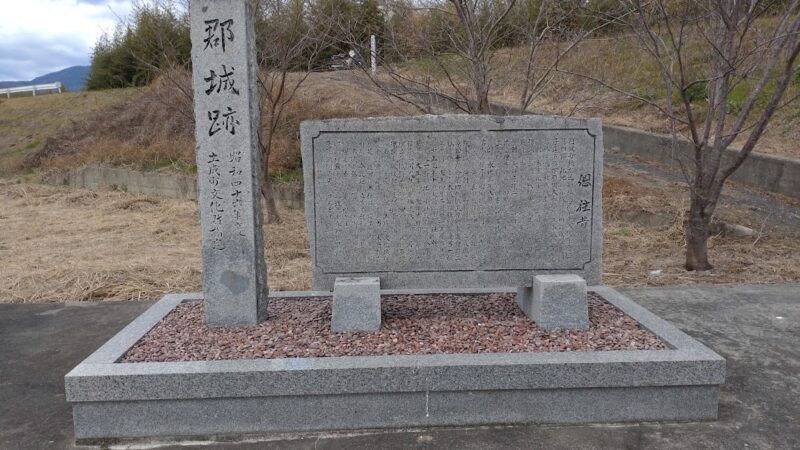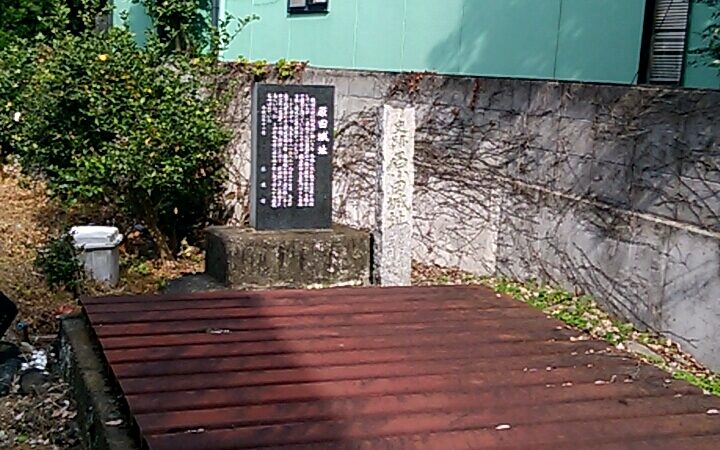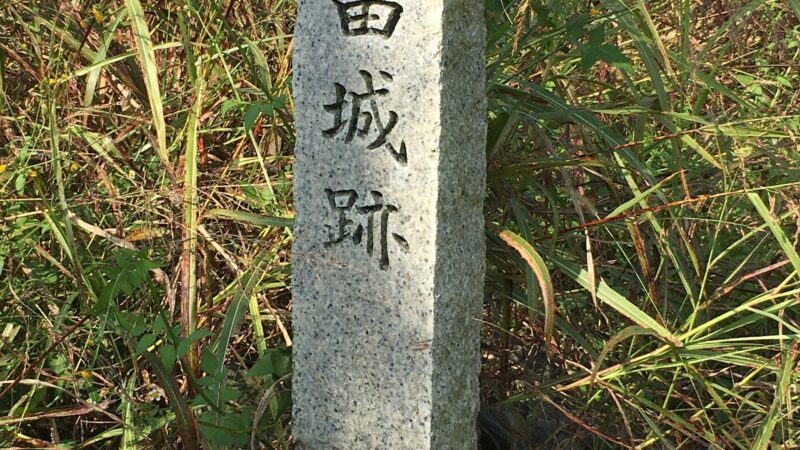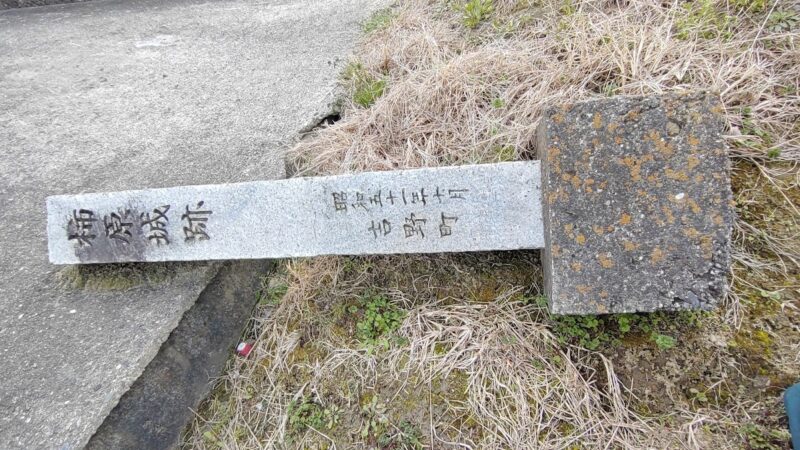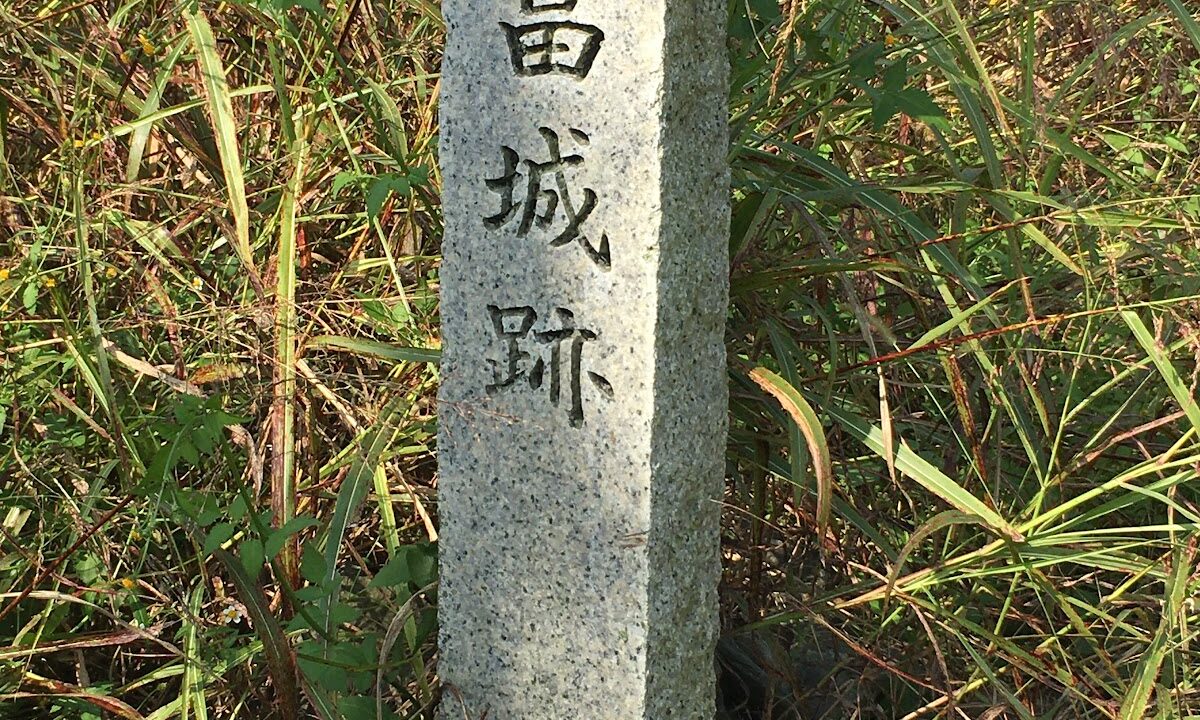
Takahata Castle (Awa City, Tokushima Prefecture) Complete Guide | History, Remains, and Access Information
What is Takahata Castle?
Takahata Castle (also known as Takahata Castle) is a medieval mountain castle located in Awa City, Tokushima Prefecture. As one of the important strongholds in Awa Province during the Sengoku period, it is a historically valuable castle site that served as the stage for conflicts between the Miyoshi and Hosokawa clans.
Currently, as a mountain castle with surviving remains, it is a popular destination for castle enthusiasts and history buffs. Located in the hilly area on the north bank of the Yoshino River, it is a significant historical site that tells the story of Awa City’s history and is considered a regional cultural heritage.
Basic Information on Takahata Castle
Location: Awa City, Tokushima Prefecture
Alternate Name: Takahata Castle
Castle Classification: Mountain Castle
Construction Period: Sengoku period (estimated)
Builder: Details unknown (estimated to be related to the Miyoshi clan)
Main Lord: Estimated to be a samurai under the Miyoshi clan
Remains: Enclosures, earthworks, moats, etc.
Cultural Property Designation: None (not designated as a city historical site, etc.)
History of Takahata Castle
Situation in Awa Province during the Sengoku Period
Awa Province during the Sengoku period, where Takahata Castle existed, was the stage for fierce conflict between the Hosokawa and Miyoshi clans. The Hosokawa clan, a shogunal family of the Muromachi shogunate, had long reigned as the governor of Awa Province, but the Miyoshi clan, their vassals, gradually seized power and eventually grew to surpass their lord’s influence.
Numerous mountain castles were built in Tokushima Prefecture, each functioning as a base for regional control. Takahata Castle is also thought to have played a part in this network of castles during the Sengoku period.
The Miyoshi Clan and Castles of Awa
The Miyoshi clan, which produced Miyoshi Nagayoshi, expanded into the Kinai region from its base in Awa Province, and at one point boasted such power that it was called the “ruler of Japan.” Many branch castles existed within Awa Province that supported the expansion of the Miyoshi clan’s power, and it is highly probable that Takahata Castle was one of them.
Several medieval castles, such as Akizuki Castle and Donari Castle, are scattered around Awa City, and these castles cooperated with each other to defend and control the region. It is presumed that Takahata Castle played a role in monitoring and defending the area north of the Yoshino River within this group of castles.
Castle Changes and Abandonment
Unfortunately, there are few clear historical records regarding the detailed history of Takahata Castle, and the construction period, lord, and records of specific battles remain unclear. This is a common characteristic of many local powerful families’ castles; castles that did not become the stage for large-scale battles are less likely to be recorded.
During the Tensho era (1573-1592), when Chosokabe Motochika conquered Awa Province, many castles in Awa were captured or surrendered. It is highly probable that Takahata Castle was abandoned during this period.
Subsequently, with Toyotomi Hideyoshi’s conquest of Shikoku, and the establishment of the Hachisuka clan’s rule over Awa Province during the Edo period, medieval mountain castles ceased to play a military role, and bases shifted to flatland residences and early modern castles.
Structure and Layout of Takahata Castle
Location and Utilization of Topography
Takahata Castle is a typical mountain castle built on a hilly area within Awa City. Its strategic location overlooking the Yoshino River basin allows for monitoring of important transportation hubs. The layout, which skillfully utilizes the natural terrain, clearly demonstrates the characteristics of castle construction techniques from the Sengoku period. Unlike castles on flat land, mountain castles utilize the rugged terrain itself as a defensive feature. Takahata Castle also utilized steep slopes, creating a structure that allowed for effective defense even with a small number of troops.
Major Remains
Kuruwa (Enclosures)
Multiple enclosures have been identified at Takahata Castle. A group of enclosures, arranged in a stepped pattern around the main enclosure, forms the castle’s framework. Each enclosure is thought to have had a specific function, such as troop deployment or supply storage.
Dorui (Earthworks)
Traces of earthworks remain along the edges of the enclosures. These earthworks prevented enemy intrusion and served as a defensive wall against arrows and firearms. The earthworks at Takahata Castle are relatively low, a characteristic typical of small castles.
Horikiri (Moat)
A moat dividing the ridge has been identified. This was a design intended to limit enemy intrusion routes and facilitate defense. In mountain castles, moats were important defensive structures equivalent to the water moats of castles on flat land.
Characteristics of the Castle Layout
The layout of Takahata Castle shares characteristics common to small to medium-sized mountain castles in the Awa region. While lacking large stone walls or keeps, and primarily relying on civil engineering, it features a practical design that maximizes the use of the terrain.
This type of structure is a typical example of a castle built by local forces with limited resources and labor. It was not a residence for a daimyo (feudal lord), but rather a construction emphasizing practicality as a base for regional control.
Highlights and Notes on Takahata Castle
Remains Visible on-site
The main remains to be seen when visiting Takahata Castle are as follows:
Main Enclosure Site
The main enclosure, the central part of the castle, remains a relatively flat space. This is presumed to be the location of the lord’s residence and command post. Although currently covered with trees, the shape of the enclosure can be confirmed.
Earthworks and Cut Slopes
The earthworks remaining around the enclosure and the artificially carved cut slopes are important remains that demonstrate the castle-building techniques of the time. Taking the time to observe them will help you understand the differences from the natural terrain.
Traces of Moats
Moats crossing the ridge were a crucial part of the mountain castle’s defensive system. Although their depth has decreased, their location can be confirmed by changes in the terrain.
Notes for Visitors
Takahata Castle is not a developed tourist site; the remains are preserved within a mountain forest. Please note the following points when visiting.
- Attire: Long-sleeved shirt, long pants, hiking boots, and other clothing suitable for mountain hiking.
- Equipment: Map, compass, drinking water, insect repellent.
- Season: Since vegetation is dense from spring to autumn, winter visits are ideal for observing the ruins.
- Avoiding Solo Visits: Visiting in groups is recommended whenever possible.
- Respect for Private Property: Since some areas are private property, please behave respectfully.
Estimated Visit Time
To visit Takahata Castle, allow approximately 30 minutes to 1 hour, including the time spent ascending and descending. If you wish to carefully observe the ruins, more time will be required. While the average visit time according to the Kojodan data is 15 minutes, this likely refers only to the time spent around the main enclosure.
If you plan to take photographs or conduct detailed observations, we recommend allocating ample time.
Historical Background of Awa City, Tokushima Prefecture
Formation of Awa City
Awa City was formed on April 1, 2005 (Heisei 17), through the merger of four towns: Yoshino-cho and Donari-cho in Itano-gun, and Ichiba-cho and Awa-cho in Awa-gun. Located in the northeastern part of Tokushima Prefecture, on the north bank of the Yoshino River, it is a naturally rich area backed by the Sanuki Mountains.
Each of the towns before the merger had its own unique history and culture, and many historical sites such as castles, temples, shrines, and roads from the medieval to early modern periods remain. Takahata Castle is one such historical heritage site of Awa City.
Medieval History of Awa Province
Awa Province developed as an important region of Shikoku from ancient times. In the medieval period, the Hosokawa clan ruled as shugo (provincial governors), and during the Sengoku period (Warring States period), the Miyoshi clan rose to power. Miyoshi Nagayoshi, based in Awa, advanced into the Kinai region (the area around Kyoto) and became a powerful figure who effectively controlled the Muromachi Shogunate.
During this period, numerous castles were built within Awa Province, forming a network of regional control. Takahata Castle is a product of this era and can be considered a relic reflecting the political and military situation of the time.
Castles around Awa City
Besides Takahata Castle, many other medieval castles exist in and around Awa City.
- Akizuki Castle: A representative medieval mountain castle within Awa City
- Donari Castle: A castle located in Donari Town
- Ichinomiya Castle: One of the largest mountain castles in Awa Province, located in Tokushima City
- Ushiki Castle: An important stronghold near Awa City
By visiting these castles, one can understand the power structure and defense system of Awa Province during the Sengoku period.
How to Access Takahata Castle
Access by Public Transportation
By Train
- Walk or take a taxi from the nearest JR Tokushima Line station.
- The basic route is from Tokushima Station towards Awa City.
- Travel time: Approximately 30-40 minutes from Tokushima Station (by train).
By Bus
- Tokushima Bus operates within Awa City.
- Access to the castle ruins is on foot from the nearest bus stop.
- Bus service is limited, so it is necessary to check the timetable in advance.
Due to limited public transportation, we recommend planning your trip with ample time.
Access by Car
Using the Expressway
- Via National Route 318 from the Tokushima Expressway “Donari IC”
- Estimated time: Approximately 15-20 minutes from Donari IC
Using General Roads
- Via National Route 318 and prefectural roads to Awa City
- Approximately 30-40 minutes from Tokushima city center
Parking Information
There is no dedicated parking lot around Takahata Castle. Avoid street parking and use nearby public facilities or roadside stations, and access the castle on foot from there. Please park respectfully and avoid inconveniencing local residents.
Map and Navigation
Takahata Castle is located in a mountainous area, and clear signage may not be available. We strongly recommend using a map app or GPS function to confirm your exact location before visiting.
Searching for “Takahata Castle” or “高葉城” in your smartphone’s map app may show your approximate location. However, please confirm the castle entrance and parking locations on-site.
Nearby Tourist Attractions
Cultural Properties and Historical Sites of Awa City
Shikoku 88 Temple Pilgrimage
Awa City has several temples on the Shikoku pilgrimage route.
- Kumagai-ji Temple (Temple No. 8): An ancient temple located in Donari-cho, Awa City
- Juraku-ji Temple (Temple No. 7): A temple located in Donari-cho, Awa City
- Kirihata-ji Temple (Temple No. 10): A famous temple located in Ichiba-cho, Awa City
These temples, like Takahata Castle, are important cultural heritage sites that tell the history of Awa.
Awa Earth Pillars
A rare geological formation designated as a national natural monument, and a representative tourist spot in Awa City. It can be visited in conjunction with a visit to Takahata Castle.
Agriculture and Local Products of Awa City
Awa City is known as one of the leading agricultural areas in Tokushima Prefecture.
- Awa Vegetables: Highly regarded as a brand-name vegetable both within and outside the prefecture.
- Awa Wagyu Beef: High-quality beef.
- Fruit Cultivation: Thriving production of grapes, pears, and other fruits.
You can purchase fresh local products at local farmers’ markets and roadside stations.
Visiting Nearby Castles
When visiting Takahata Castle, visiting the surrounding castles will allow you to gain a deeper understanding of the Sengoku period history of Awa Province.
- Akizuki Castle: A mountain castle relatively easy to access within Awa City.
- Ichinomiya Castle: A full-fledged mountain castle in Tokushima City with well-preserved remains.
- Wakimachi Townscape: A designated Important Preservation District for Groups of Traditional Buildings in Wakimachi, Mima City.
You can enjoy exploring the history of the Awa region on a day trip or a 1-night, 2-day itinerary.
Evaluation of Takahata Castle and Voices of Castle Enthusiasts
Evaluation on Kojodan
Takahata Castle has a relatively low average rating of 1.50 stars on the castle information website “Kojodan.” This is likely due to factors such as the state of preservation and maintenance of the remains, and the difficulty of access.
The number of visitors is also small, at only 16 (as of the time of data), classifying it as a minor castle. However, this is precisely why untouched remains remain, offering a quiet and captivating historical experience.
Value of Visiting
Takahata Castle does not have large-scale stone walls or reconstructed buildings. However, it possesses the following value:
- Historical Value: Remains that convey the reality of Awa Province during the Sengoku period
- Academic Value: Important material for regional history research
- Experiential Value: The opportunity to experience the atmosphere of an undeveloped mountain castle
It can be said that it is a place where you can have a simple and essential castle experience, different from famous tourist castles.
Perspective of a Castle Researcher
From a specialist’s perspective, small, regional mountain castles like Takahata Castle are extremely important for understanding the realities of the Sengoku period (Warring States period). The existence of numerous such regional base castles, not just the residences of daimyo (feudal lords), played a crucial role in establishing the Sengoku period’s governing system.
The investigation and preservation of Takahata Castle will continue to be an important task in unraveling the medieval history of Awa Province.
How to Enjoy Visiting Takahata Castle
Beginner’s Guide
Even if you’re new to castle touring, you can enjoy your visit to Takahata Castle by following these points:
- Pre-visit Study: Gain basic knowledge from this article and related books.
- Appropriate Equipment: Prepare clothing and shoes suitable for mountain hiking.
- Check the Map: Utilize a smartphone map app.
- Allow Ample Time: Allocate enough time to explore at a leisurely pace.
- Safety First: Avoid reckless exploration and prioritize safety.
How to Enjoy for Advanced Visitors
Those familiar with castles can enjoy the castle in the following ways:
- Creation of a Castle Layout Map: Drawing a layout map based on actual measurements
- Comparison with Other Castles: Comparative research with castles in the Awa region
- Photographic Record: Recording seasonal changes
- Research on Local Historical Materials: Researching historical materials at the Awa City Library and Local History Museum
Creating a Photo Gallery
When visiting Takahata Castle, taking photos at the following points will enhance the value of your record:
- Panoramic view of the main enclosure
- Cross-section of the earthworks
- Shape of the moat
- Layout of the baileys
- Views of the surrounding area
- Seasonal changes (fresh greenery in spring, autumn leaves, winter views)
These photos will not only serve as your own record, but sharing them on social media and blogs will also be helpful to other castle enthusiasts.
Materials and Research on Takahata Castle
Related Books
The following books are available for learning about castles in Tokushima Prefecture, including Takahata Castle:
- *Medieval Castles and Residences of Tokushima Prefecture* (Tokushima Prefectural Board of Education)
- *Comprehensive Survey of Japanese Castles*, Volume 15 (Shin Jinbutsu Oraisha)
- *Castles of Awa* (Kyodo Shuppansha)
- *Research on the Miyoshi Clan in the Sengoku Period* (Related Research Book)
These books are available at libraries and specialty bookstores.
Historical Materials and Research Status
Primary sources concerning Takahata Castle are limited, but as research into the Sengoku period history of Awa Province progresses, new insights may be gained.
Investigations are continuously being conducted by local historians and researchers, and future research results are anticipated.
Digital Archives
In modern times, castle information has been digitized, and information sharing is progressing on the internet.
- Kojodan: Information sharing site by castle enthusiasts
- Jokaku Hourouki: A site covering castles nationwide
- Homepages of Each Local Government: Local cultural property information
By utilizing these sites, you can find the latest information and the experiences of other visitors.
Preservation of Takahata Castle and Future Challenges
Protection as a Cultural Property
Takahata Castle is currently not designated as a cultural property by the national, prefectural, or municipal government. Therefore, there are currently no organized preservation activities.
While leaving the site as a forest prevents destruction of the remains, it also carries the risk of burial by tree growth and loss due to collapse.
Local Preservation Activities
Voluntary preservation activities by local history enthusiasts and castle fans are key to protecting such castles.
- Regular patrols and cleaning
- Documentation and photography of the remains
- Educational activities for local residents
- Lobbying the government
These grassroots activities will be crucial in passing on this valuable historical heritage to future generations.
Utilization as a Tourism Resource
Awa City has many historical resources, but they are not yet being fully utilized. Developing historical tourism routes that include castles like Takahata Castle could contribute to regional revitalization.
- Installation of information signs
- Improvement of explanatory boards
- Implementation of guided tours
- Collaboration with surrounding tourist attractions
Through these efforts, it is hoped that the value of Takahata Castle will be widely recognized and momentum for its preservation will increase.
Summary
Takahata Castle is a mountain castle from the Sengoku period located in Awa City, Tokushima Prefecture. It is presumed to have functioned as a base for regional control during the conflict between the Miyoshi and Hosokawa clans. While there are no large-scale remains or magnificent reconstructed buildings, it is a valuable historical site that conveys the castle-building techniques of the time and the history of the region.
Visiting requires mountain hiking equipment and preparation, but you can experience the unique atmosphere of an undeveloped mountain castle. Visiting it in conjunction with other historical spots in Awa City will allow you to understand the history of Awa Province more deeply.
For castle enthusiasts, visiting small, local castles like Takahata Castle, in addition to famous tourist castles, is a valuable opportunity to experience the reality of the Sengoku period. When visiting Tokushima Prefecture, be sure to visit Takahata Castle.
A trip to experience the rich nature and historical heritage of Awa City is sure to be an unforgettable experience.