Kawaoka Castle (Yonago City, Tottori Prefecture): History and Highlights | A Thorough Explanation of the Flatland Castle Ruins of Hoki Province
What is Kawaoka Castle?
Kawaoka Castle is a flatland castle built in Kawaoka, Yonago City, Tottori Prefecture. As one of the important castles in Hoki Province from the Sengoku period to the early Edo period, it is an indispensable part of the history of the Yonago region.
The current Kawaoka Castle ruins are located approximately 7 kilometers northwest of the center of Yonago City, exhibiting the typical characteristics of a flatland castle situated on a plain. Unlike Yonago Castle, known as one of the most famous castles in the San’in region, Kawaoka Castle was a relatively small castle, but it functioned as an important base for regional control.
Basic Information on Kawaoka Castle
- Location: Kawaoka, Yonago City, Tottori Prefecture
- Castle Structure: Flatland Castle
- Construction Period: Sengoku Period (Estimated)
- Lord: Local Lord (Details Unknown)
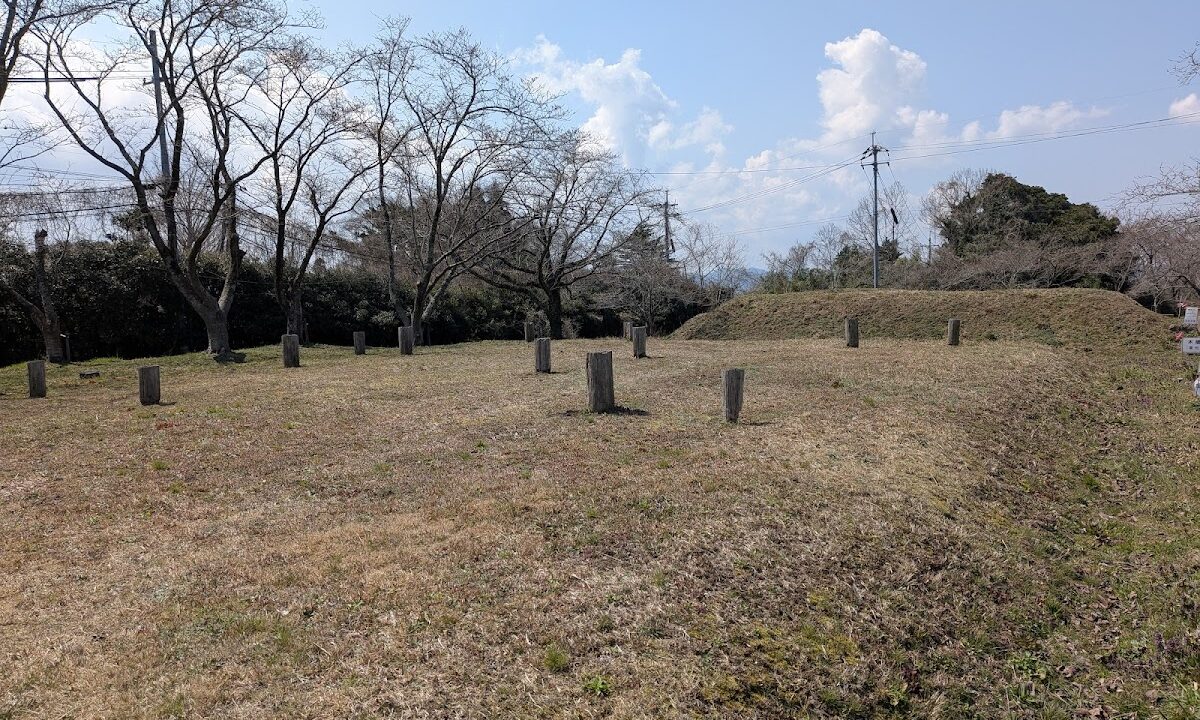
- Remains: Only slight traces of topography
- Designation: None in particular
Kawaoka Castle is one of the castles with limited historical records among the medieval and early modern castles scattered throughout Yonago City. However, its location and surrounding topography allow us to infer its role in the regional governance system of the time.
History of Kawaoka Castle
Hoki Province in the Sengoku Period
Hoki Province, where Kawaoka Castle was built, was a region that saw successive changes in rule during the Sengoku period, with the Amago clan, the Mori clan, and various daimyo under Toyotomi Hideyoshi taking control. The western part of Hoki Province, centered on the Yonago Plain, was an important granary in the San’in region and a key point for water transport via Lake Nakaumi.
Due to this geographical importance, numerous castles of varying sizes were built in Hoki Province. Kawaoka Castle is believed to be one of them, built by a powerful local samurai.
Relationship with Yonago Castle
Around 1591 (Tensho 19), the Sengoku period warlord Kikkawa Hiroie began construction of Yonago Castle. Later, in 1601 (Keicho 6), Nakamura Kazutada became the lord of Hoki Province, governing Yonago, and completed the castle. During this period, Yonago Castle was developed as one of the finest castles in the San’in region, boasting a five-story main keep and a four-story secondary keep.
Kawaoka Castle may have functioned as part of a castle network centered around Yonago Castle. Located northwest of Yonago Castle, Kawaoka Castle is presumed to have served as a subsidiary castle monitoring the roads along the Sea of Japan coast.
After the Edo Period
During the Edo period, many subsidiary castles were abandoned due to the “One Castle Per Province” decree. Kawaoka Castle was no exception, and it is believed to have lost its function as a castle during this period. While Yonago Castle remained the central castle of Hoki Province throughout the Edo period, smaller castles in the surrounding area gradually disappeared.
After its abandonment, the site of Kawaoka Castle was used for farmland and settlements, and the castle’s remains gradually vanished. Currently, only slight topographical differences and place names remain as traces of its existence.
Structure and Characteristics of Kawaoka Castle
Location as a Flatland Castle
Kawaoka Castle is classified as a flatland castle. A flatland castle is a castle built on a plain or low-lying area. Unlike mountain castles or hill castles, it has some disadvantages in terms of defense, but it is characterized by its superior habitability and convenient transportation.
The Kawaoka area of Yonago City is located in part of the alluvial plain that spreads near the mouth of the Hino River. This location was suitable for managing agricultural production and monitoring roads, making it an ideal place to function as a governing center in peacetime.
Castle Scale
Regarding the specific scale of Kawaoka Castle, many aspects remain unknown due to the lack of detailed records. However, according to castle research materials such as “Castle Wanderings,” Kawaoka Castle is estimated to have been a relatively small flatland castle.
Generally, flatland castles built by local lords during the Sengoku period consisted of a main enclosure (honmaru) and several smaller enclosures (kuruwa), surrounded by a moat. It is thought that Kawaoka Castle had a similar structure.
Existing Remains
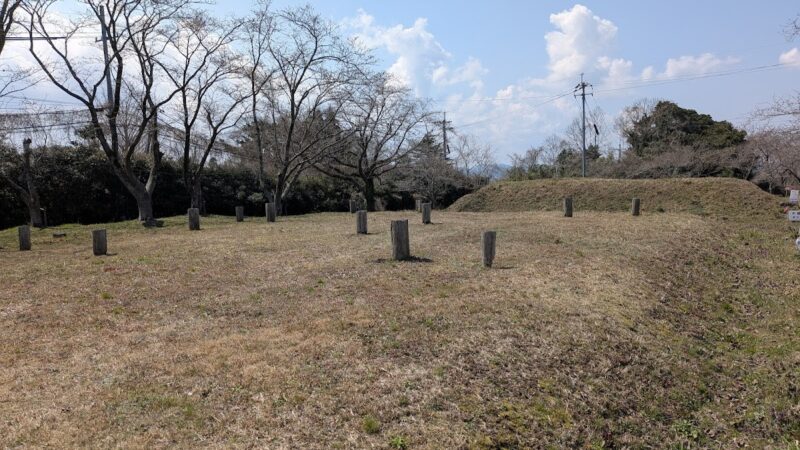
Unfortunately, there are almost no clear castle remains left at Kawaoka Castle. Traces of defensive structures such as stone walls, earthworks, and moats have been lost due to years of development and cultivation.
Currently, it is difficult to perceive any remnants of the castle when visiting the Kawaoka Castle ruins. However, it is possible to roughly estimate the former castle grounds through the accounts of local elders and the analysis of old maps. Subtle differences in elevation and the layout of surrounding roads may retain traces of the past.
Castles around Kawaoka Castle
Yonago Castle (Kume Castle)
Indispensable to discussing Kawaoka Castle is Yonago Castle, located in the heart of Yonago City. Built on Minatoyama, 90 meters above sea level, Yonago Castle, also known as “Kume Castle,” is a pioneering example of a full-fledged early modern castle built in the San’in region.
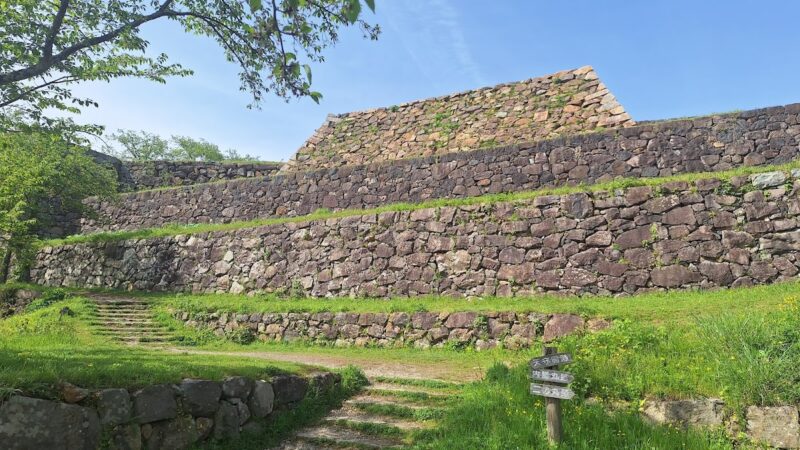
Yonago Castle is designated a National Historic Site, and its stone walls and foundation stones retain much of the castle’s original form. From the site of the castle tower, one can enjoy a panoramic view of the majestic Mt. Daisen, the Sea of Japan, the city, and Lake Nakaumi, earning it the nickname “Castle in the Sky Overlooking the Sea.” Although the buildings no longer exist, the stone walls and other structures retain much of their original appearance, making it a popular tourist destination and one of Tottori Prefecture’s most representative castle ruins.
Other Surrounding Castles
Besides Kawaoka Castle, many other castle ruins are scattered throughout Yonago City.
- Iiyama Castle: Castle ruins located approximately 0.3 kilometers from Yonago Castle
- Ishii Residence: Residence ruins located in Ishii, Yonago City
- Yodoe Castle: Flatland castle built in Yodoe-cho, Yonago City
- Konami Castle: Hilltop castle located in Konami, Yodoe-cho, Yonago City
- Kannonji Castle: One of the castle ruins within Yonago City
- Nanao Castle: Castle ruins recorded as a castle of Hoki Province
These castles formed a network of castles centered around Yonago Castle, supporting the control system of western Hoki Province. Kawaoka Castle is also thought to have been part of this network.
Access to Kawaoka Castle
Location
Kawaoka Castle ruins are located in Kawaoka, Yonago City, Tottori Prefecture. Since there is no clearly designated castle ruins park or other development, visitors will need to explore using the surrounding terrain and place names as clues.
Access
By Public Transportation:
- Take a local bus from JR Yonago Station.
- Take a bus bound for Kawaoka and get off at the nearest bus stop.
- Walk from the bus stop to the estimated castle site.
By Car:
- Approximately 15 minutes from Yonago IC on the Yonago Expressway.
- Approximately 20 minutes from Yonago city center via National Route 431, etc.
- There is no designated parking area; please use nearby public facilities.
Points to Note When Visiting
Since the Kawaoka Castle site has not been clearly designated as a historical site, please note the following points when visiting:
- Consideration for Private Property: The estimated castle site may currently be occupied by private houses or farmland. Please be careful not to trespass.
- Unclear Remains: Because no clear castle remains are left, it is difficult to identify the castle site. It is recommended to research materials beforehand to understand the approximate location before visiting.
- Utilization of Surrounding Facilities: While there are no tourist facilities at the Kawaoka Castle ruins themselves, you can learn about the history of local castles at the Yonago Castle ruins and museums in Yonago City.
Castle Culture of Yonago City
Historical Background of Hoki Province
Hoki Province (present-day central-western Tottori Prefecture) flourished as an important region in the San’in area from ancient times. From the medieval to the early modern period, many castles were built, and the area was ruled by samurai.
Western Hoki, centered around Yonago City, was a key point for water transport facing Lake Nakaumi, and also a granary region with fertile plains along the Hino River basin. Therefore, during the Sengoku period, many warlords fought over control of this area.
Significance of Castle Research
Small-scale castles like Kawaoka Castle have less historical documentation and less research compared to large castles like Yonago Castle. However, these small local castles provide important clues to understanding the realities of local communities at that time. Small castles built by local lords and powerful families had different functions than the castles of daimyo (feudal lords). They played roles closely tied to the local community, such as governing the region, managing agricultural production, and monitoring roads.
Challenges in Castle Preservation
Castle ruins like Kawaoka Castle, where no clear remains are left, are difficult to preserve and utilize. In many cases, remains are lost due to development and cultivation, and the castle’s very existence is forgotten.
On the other hand, in recent years, there has been a growing movement to re-evaluate castle ruins as local historical assets. At Yonago Castle, investigations and restoration work are progressing, with new discoveries such as climbing stone walls and vertical moats. It is hoped that these efforts will spread to smaller castles like Kawaoka Castle.
Related Information for Learning About Kawaoka Castle
Yonago City Tourism Information
When visiting Kawaoka Castle ruins, we recommend also visiting other tourist spots in Yonago City.
Yonago Castle Ruins: A famous castle ruin designated as a National Historic Site, one of the finest in the San’in region. The stone walls are well-preserved, and the view from the castle keep ruins is spectacular. It has been developed as Minatoyama Park, making it easily accessible.
Yonago City San’in History Museum: A facility where you can learn about the history and culture of Yonago City. It also has exhibits related to castles.
Yodoe Umbrella Museum: A facility where you can learn about Yodoe umbrellas, a traditional craft of Yodoe-cho, Yonago City. You can experience local culture in conjunction with your castle tour.
Castle Research Materials
For those who want to learn more about Kawaoka Castle, you can refer to the following materials:
- Castle Wanderings: A website that comprehensively introduces castles throughout Japan. Basic information about Kawaoka Castle is also included.
- Castles of Tottori Prefecture: Books and research papers that provide detailed explanations of castles in Tottori Prefecture.
- Yonago City History: A city history that records the history of Yonago City in detail. It also includes descriptions of castles.
Nearby Historical Spots
There are several other historical spots scattered around Kawaoka Castle:
- Mukoyama Tumulus Cluster: A group of burial mounds remaining in Yonago City. These indicate that this region was an important base from ancient times.
- Higashihori Shrine: A shrine located in Fukuichi, Yonago City. It is believed that there were castle ruins in the surrounding area.
- Hino River: A major river flowing through Hoki Province. It has played an important role as a transportation route since ancient times.
Summary
Kawaoka Castle was a flatland castle built in Kawaoka, Yonago City, Tottori Prefecture. It played a role in the regional control of Hoki Province from the Sengoku period to the early Edo period. Located approximately 7 kilometers northwest of Yonago Castle, it is thought to have functioned as part of a castle network centered around Yonago Castle.
Currently, no clear remains of Kawaoka Castle exist, and many aspects of its detailed history and structure remain unknown. However, these small-scale local castles provide important clues to understanding the realities of the local community at that time. When visiting Yonago City, why not take some time to contemplate the surrounding castle ruins, including Kawaoka Castle, in addition to the Yonago Castle ruins, which are designated as a national historical site? By gazing at the magnificent stone walls of Yonago Castle, one of the most famous castles in the San’in region, and imagining the existence of the smaller castles that supported it, you can gain a deeper understanding of the history of Hoki Province from the Sengoku period to the Edo period.
Research on Kawaoka Castle will continue, and there is a possibility of new discoveries. It is hoped that these castle ruins will be appropriately preserved and utilized as regional historical assets.