Complete Guide to Akimoto Castle (Kimitsu City) | Highlights, History, and Access Information for a Sengoku Period Mountain Castle
Located in Kimitsu City, Chiba Prefecture, Akimoto Castle is a historical site that preserves valuable remains of a Sengoku period mountain castle. Also known as Koito Castle and Seiki Castle, this castle played an important role in the Sengoku history of the Boso Peninsula. This article comprehensively explains everything you need to know before visiting Akimoto Castle, from its historical background to specific highlights and access methods.
What is Akimoto Castle? | Basic Information and Overview
Akimoto Castle is a Sengoku period mountain castle located in Kimitsu City, Chiba Prefecture, stretching from Negoya, Seiwa-Ichiba, to Kojō, Ichijuku. Built on a ridge descending eastward from Mount Kano, it boasts a vast scale of approximately 550 meters east-west and 400 meters north-south.
Unlike modern castles with towering keeps, this is a typical mountain castle that skillfully utilizes the natural terrain, and the remains of defensive structures such as baileys, earthworks, and moats are well-preserved. A monument to the Koito Castle ruins stands on the site, commemorating the castle’s alternative name.
Origin of the Alternate Name
Akimoto Castle has several alternative names. The name Koito Castle is derived from the Koito River basin where the castle is located. The alternative name Seikijo (Blue Demon Castle) is thought to originate from legends surrounding the castle and its lord, but its detailed origin is not clear from historical records. It is also sometimes called “Kitsuneito Castle” locally, and these names have been used interchangeably.
History of Akimoto Castle | As a Base of the Satomi Clan
The Boso Peninsula and the Satomi Clan in the Sengoku Period
Akimoto Castle first appears on the historical stage during the Sengoku period (Warring States period). The Boso Peninsula was the front line of the power struggle between the Satomi clan, based in Awa Province (present-day southern Chiba Prefecture), and the Hojo clan, based in Sagami Province (Kanagawa Prefecture).
The Satomi clan, a Sengoku period daimyo known as the model for the Nansō Satomi Hakkenden (The Eight Dog Heroes of Nansō), waged a long-term conflict with the Hojo clan over control of the Boso Peninsula. Akimoto Castle is believed to have functioned as an important branch castle of the Satomi clan in Kazusa Province (present-day central Chiba Prefecture).
Changes in Lords and the Castle
Historical records mention members of the Satomi family as lords of Akimoto Castle, including Satomi Yoshitoyo, Satomi Yoshimasa, and Satomi Yoshihisa. Particularly from the mid-to-late 16th century, Akimoto Castle was considered a strategically important location as the Satomi clan expanded their power into Kazusa Province.
The castle was strategically located overlooking the Koito River basin, playing a crucial role in monitoring and defending inland transportation routes. With Mount Kano, a sacred mountain, as its backdrop, its geographical location was ideally suited for defense.
Battles with the Hojo Army and the Castle’s Fall
In the late Sengoku period, the Hojo clan, gaining dominance over the Kanto region, intensified their invasion of the Boso Peninsula, which was under the Satomi clan’s influence. Akimoto Castle also became a target of this Hojo army, and fierce battles are said to have taken place.
Ultimately, Akimoto Castle is believed to have fallen to the Hojo army, but historical records are limited regarding the specific dates and details of the battle, leaving many points unclear. After the Hojo clan’s downfall in Toyotomi Hideyoshi’s Odawara campaign in 1590, the Satomi clan also lost power, and Akimoto Castle disappeared from the historical stage.
Structure and Layout of Akimoto Castle | Mountain Castle Defense System
Overall Layout and Scale
Akimoto Castle is a vast mountain castle spanning 550 meters east-west and 400 meters north-south. It cleverly utilizes the ridges and valleys extending from Mount Kano, possessing a complex layout with multiple kuruwa (flat sections).
The main kuruwa are located at the highest point of the ridge, with lower kuruwa arranged in stages below. This stepped arrangement is a clever design to prevent enemy incursions in stages, and is a typical structure for mountain castles of the Sengoku period.
Characteristics of Kuruwa
Various sizes of kuruwa can be seen within the castle. A kuruwa is a flat area created by leveling the natural terrain, serving as a space for building structures or stationing soldiers.
The kuruwa of Akimoto Castle were constructed by cleverly utilizing the natural terrain, and their outlines can still be clearly seen today. The castle features a hierarchical layout, centered around the largest enclosure (equivalent to the main keep), with smaller enclosures such as the second and third baileys.
Remains of Earthworks
Remains of earthworks, built by piling up earth, can be seen along the edges of the baileys. These earthworks were earthen walls designed to prevent enemy intrusion, and their placement surrounding the baileys enhanced defensive capabilities.
Some sections of Akimoto Castle’s earthworks, approximately 1-2 meters high, remain, offering valuable insights into the castle-building techniques of the Sengoku period. Walking along the earthworks allows visitors to experience the defensive lines of the time.
The Role of Moats
Moats dug to cut off the ridges are also important defensive structures of Akimoto Castle. These large dry moats vertically cut across ridges to prevent enemy intrusion along the ridges.
At Akimoto Castle, multiple moats have been identified, and the moats in front of the main enclosures, in particular, are several meters deep. These moats remain clearly visible in the topography even today, providing important clues to understanding the defensive system of the mountain castle.
Negoya and the Castle Town Settlement
The area east of the castle, where the place name “Negoya” remains, is thought to be the site of a castle town that formed at the foot of the castle. Negoya is a term referring to the residences of the samurai and retainers during peacetime, located at the foot of a mountain castle. While the samurai would take refuge in the castle on the mountaintop during wartime, they conducted their affairs and daily lives in this Negoya during peacetime.
The current topography and place names allow us to imagine what the former castle town looked like.
Highlights of Akimoto Castle | Checkpoints for Visitors
Koito Castle Ruins Monument
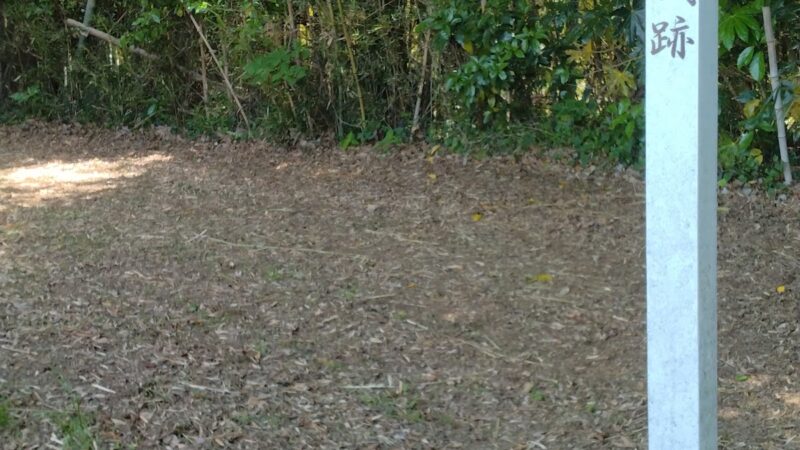
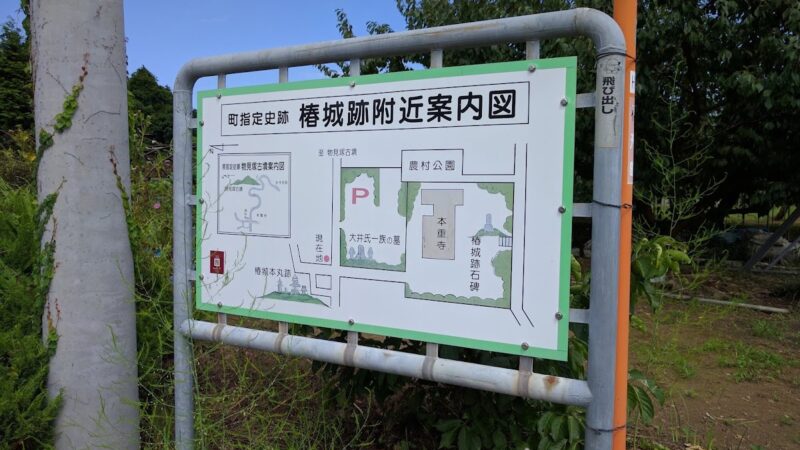
The first thing you’ll see when visiting the Akimoto Castle ruins is the Koito Castle Ruins Monument. This stone monument stands near the entrance to the castle ruins, indicating that this is a historical castle site. Information boards are also installed around the monument, providing an overview and history of the castle.
Main Enclosure (Honmaru) Site
The main enclosure, the central part of the castle, is located at the highest elevation. From here, you can see the surrounding terrain, allowing you to imagine how the castle lords of the Sengoku period looked out over their territory from this spot.
The flat area of the main enclosure is relatively large, and traces of buildings can be seen. The elevation of the surrounding earthworks is also clear, making it a point where you can truly appreciate its function as a defensive structure.
Exploring Earthworks and Moats
When exploring the castle ruins, we recommend carefully observing the remains of earthworks and moats. The earthworks around the main enclosure, in particular, are well-preserved, demonstrating the high level of civil engineering technology of the Sengoku period.
Moats can be identified as deep indentations that suddenly appear when proceeding along the ridgeline. The depth and steepness of the terrain allow you to experience its practicality as a defensive structure.
Arrangement of the Enclosures
The arrangement of multiple enclosures in a stepped fashion is one of the highlights of Akimoto Castle. By visiting each enclosure in order, you can understand the ingenuity of the castle’s overall layout.
You will discover defensive ingenuity in detail, such as the differences in elevation between enclosures and the arrangement of pathways connecting them.
Harmony with the Natural Landscape
Akimoto Castle ruins are attractive not only for their Sengoku period remains but also for their rich natural environment. The entire castle site is covered with trees, allowing you to enjoy the changing seasons while strolling through history.
Especially during the fresh greenery of spring and the vibrant autumn foliage, you can enjoy the beautiful scenery unique to a mountain castle.
Access Information | How to Get to Akimoto Castle
Access by Public Transportation
Using Trains and Buses:
- Get off at the South Exit of Kimitsu Station on the JR Uchibo Line.
- Take the Kimitsu City Community Bus (towards Koito/Seiwa).
- Transfer at Nakajima Bus Stop.
- Get off at Tanakadai Bus Stop.
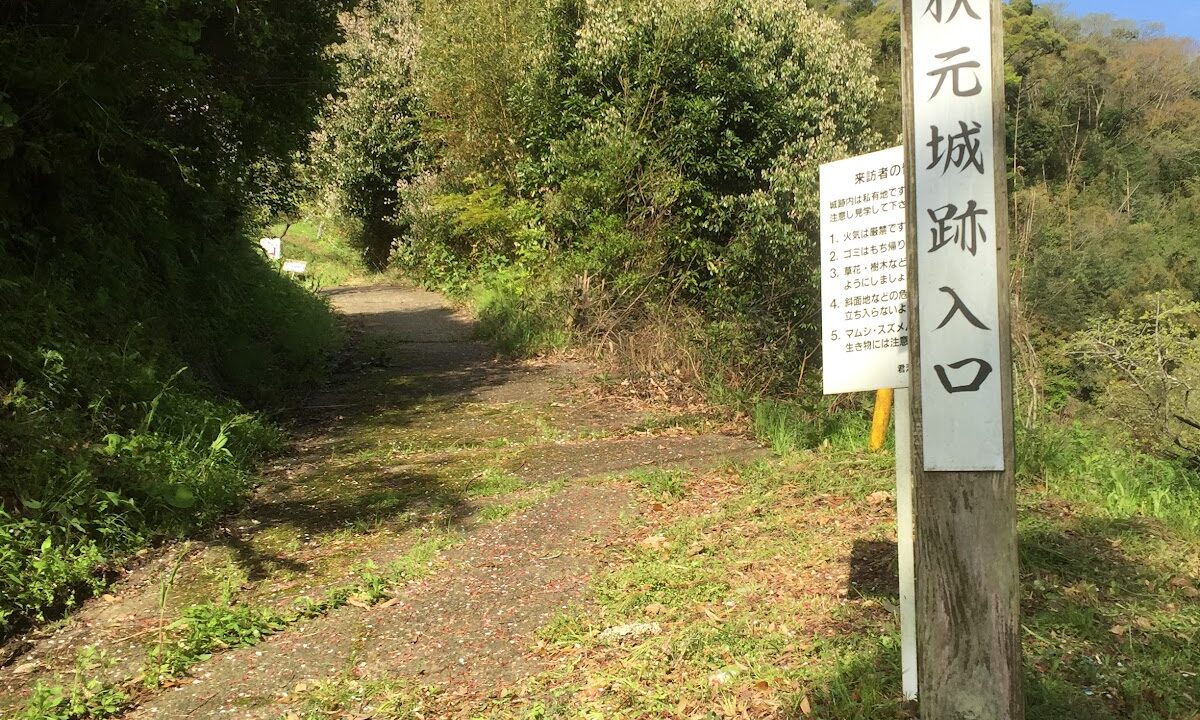
- From the bus stop, it’s approximately a 1-minute walk to the castle ruins entrance.
Since the community bus service is limited, we recommend checking the timetable in advance. You can check bus service information on the official Kimitsu City website.
Access by Car
If traveling by car:
- Approximately 20 minutes from the Kimitsu Interchange on the Tateyama Expressway
- Take National Route 410 towards Seiwa
- Search for “Kimitsu City Seiwa Market” or “Akimoto Castle Ruins” on your car navigation system
Parking:
There is no large, dedicated parking lot around the castle ruins, but there are a few parking spaces near the entrance to the ruins. However, space is limited, so caution is advised during busy times. Please park only in the designated areas, as street parking is a nuisance to the community.
Notes for Visitors
- The castle ruins are located in a forest, so please wear comfortable shoes and clothing.
- In summer, don’t forget insect repellent; in winter, take precautions against the cold.
- We recommend preparing drinking water in advance.
- There are signposts, but the location of the remains can be difficult to find, so it’s a good idea to check the materials beforehand.
- On days with bad weather, the ground can be slippery, so we recommend refraining from visiting.
Nearby Tourist Attractions
Kanouzan Mountain
Kanozan Mountain, towering behind Akimoto Castle, is a sacred mountain that has been an object of worship since ancient times. Nihonji Temple is located at the summit, and from the observation deck, you can enjoy a panoramic view of Tokyo Bay and the Boso Peninsula. Visiting Kanouzan Mountain in conjunction with Akimoto Castle is highly recommended.
Mother Farm
Mother Farm, a popular tourist spot in Kimitsu City, is about a 30-minute drive from Akimoto Castle. This tourist ranch, with its vast grounds, offers opportunities to interact with animals and enjoy seasonal flowers, making it ideal for families.
Kururi Castle
Located in the same city of Kimitsu, Kururi Castle is another castle ruin that tells the history of the Sengoku period. A replica keep has been built here, allowing visitors to see a different type of castle than Akimoto Castle. Below the castle lies the townscape of Kururi, known for its spring water.
Nature around the Koito River
The area around the Koito River, which gave Akimoto Castle its name, is rich in nature. Walking paths along the clear stream and historical sites that tell the history of the region are scattered throughout, allowing for a relaxing time.
Accommodation Information in Kimitsu City
When visiting Akimoto Castle, there are various accommodations in and around Kimitsu City.
Ryokans and Hotels
There are several business hotels and ryokan around Kimitsu Station. Many accommodations offer the opportunity to enjoy the seafood and mountain delicacies of the Boso Peninsula, allowing you to enjoy the local food culture along with your historical exploration.
Glamping Facilities
In recent years, the number of glamping facilities has been increasing around Kimitsu City. Glamping, where you can comfortably spend time in nature, is recommended for those who want to enjoy an outdoor experience after visiting castle ruins.
Vacation Rentals
For visits by families or groups, using a vacation rental is another option. You can relax in a private space and explore Kimitsu City’s historical sites over several days.
Akimoto Castle and the Mountain Castle Culture of the Sengoku Period
Characteristics and Significance of Mountain Castles
Mountain castles like Akimoto Castle were the mainstream of castles during the Sengoku period. Unlike early modern castles with keeps, they are characterized by a structure that makes maximum use of the natural terrain and emphasizes practical defensive functions.
Mountain castles were used in two ways: living in the base of the mountain during peacetime and taking refuge on the mountaintop during wartime. This dual structure reflects the lifestyle of samurai during the Sengoku period.
The Castle Network of the Boso Peninsula
Akimoto Castle was part of the castle network built by the Satomi clan on the Boso Peninsula. Multiple branch castles, strategically located along the transportation route connecting Kazusa and Awa provinces, worked together to prepare for invasions by the Hojo clan.
Visiting branch castles like Akimoto Castle allows you to understand the realities of how Sengoku-era daimyo governed their territories and the historical connections of the region.
The Importance of Preserving the Remains
The Akimoto Castle ruins have been well-preserved due to the lack of development. As a valuable historical site where you can observe Sengoku-era defensive structures such as baileys, earthworks, and moats firsthand, preservation and utilization are essential.
With the cooperation of local residents, the government, and history enthusiasts, it is hoped that this valuable cultural asset will be passed on to future generations.
Things to Know Before Visiting Akimoto Castle
Preparations
Preparing the following before visiting Akimoto Castle will make your visit more fulfilling.
- Checking the Map: Since guided tours within the castle ruins are limited, it’s a good idea to obtain a layout map and topographic map beforehand.
- Historical Preparation: Learning about the history of the conflicts between the Satomi and Hojo clans will allow for a deeper understanding of the ruins.
- Weather Check: Mountain castles are susceptible to weather conditions, so please check the weather forecast for your visit.
Estimated Visit Time
For a thorough visit to Akimoto Castle Ruins, allow approximately 1.5 to 2 hours. While it’s possible to see only the main remains in about an hour, it’s recommended to allow ample time to carefully observe each enclosure and moat.
Photography Tips
When capturing the atmosphere of the castle ruins in photographs, the following points are recommended:
- Monument at the site of Koito Castle and the surrounding nature
- The rise of the earthworks and the spread of the baileys
- An angle that shows the depth of the moat
- View from the main bailey
- Natural scenery in all four seasons
Summary | Experience the charm of Akimoto Castle
Akimoto Castle in Kimitsu City, Chiba Prefecture, is a valuable historical site that conveys the mountain castle culture of the Sengoku period. Also known as Koito Castle and Aoni Castle, this castle was the stage for the conflict between the Satomi and Hojo clans and played an important role in the history of the Boso Peninsula.
The vast castle ruins, spanning 550 meters east-west and 400 meters north-south, retain well-preserved defensive facilities from the Sengoku period, such as baileys, earthworks, and moats. While it lacks the grandeur of a castle tower, the practical mountain castle design, utilizing the natural terrain, conveys the wisdom and ingenuity of the Sengoku samurai.
Its location is also attractive, as it is accessible by community bus from JR Kimitsu Station and is just a 1-minute walk from the Tanakadai bus stop. Access is relatively easy, about 20 minutes by car from Kimitsu Interchange.
Nearby attractions include Mount Kano and Kururi Castle, allowing you to fully enjoy the history and nature of Kimitsu City. With a variety of accommodations such as inns, glamping sites, and rental villas, you can also take your time exploring the area.
Why not visit the Akimoto Castle Ruins, where you can feel the spirit of the Sengoku period, and experience the historical romance of Boso? Walking through the castle ruins and reflecting on the dramas of the samurai warriors who once fought here will surely be an unforgettable experience.