Gifu Castle Complete Guide | A Thorough Explanation of the History, Highlights, and Access to the Impregnable Mountain Castle
What is Gifu Castle? | A Strategic Point Standing on the Summit of Mt. Kinka
Gifu Castle is a mountain castle located on the summit of Mt. Kinka, 329m above sea level, in the heart of Gifu City, Gifu Prefecture. Formerly known as “Inabayama Castle,” this castle flourished during the Sengoku period as the residence and crucial strategic location that it was said, “He who controls Mino controls the world.”
The current castle tower was reconstructed in 1956 (Showa 31). The interior has been renovated to house a historical exhibit, and from the observation deck on the upper floor, a grand panorama unfolds, overlooking Gifu city, the Nagara River, the Nobi Plain, and e the summit in just about 3 minutes via the Kinka Mountain Ropeway makes it a popular tourist spot.
The Gifu Castle History | From the Kamakura Period to Oda Nobunaga’s Base for Unifying Japan
The Beginning of the Kamakura Period | Construction by Nikaido Yukimasa
The history of Gifu Castle dates back to the Kamakura period. Around 1201 (Kennin 1), Nikaido Yukimasa, who later became the head of the Kamakura Shogunate’s administrative office, built a small fort on Inabayama (present-day Kinka Mwa). full-fledged castle, but primarily functioned as a military base.
Later, it was abandoned, but around the 15th century, Saito Toshinaga, the deputy governor of Mino Province, restored the castle and made it his residence. This brought Inabayama Castle back into the historical stage as an important base in Mino Province.
The Sengoku Period | As the Residence of Saito Dosan
During the Sengoku period, Inabayama Castle became the residence of Saito Dosan, also known as the protagonist of Ryotaro Shiba’s historical novel, “Kunitori Monogatari” (The Tale of the Nation’s Conquest). Dosan unified Mino Province and expanded his powering.
Saito Dosan extensively renovated the castle, transforming it into an impregnable mountain fortress. The defensive structure, utilizing the steep terrain of Mount Kinka, made enemy attacks difficult, and the castle became so strategically important that the saying coined.
After Dosan’s death, his son, Saito Tatsuoki, became the lord of the castle, but it was later invaded by Oda Nobunaga.
Oda Nobunaga Era | To Gifu Castle, the Base for Unifying Japan
In 1567 (Eiroku 10), Oda Nobunaga seized Inabayama Castle from Saito Tatsuoki in the Battle of Inabayama Castle and moved his base from Kiyosu Castle to this castle. At this time, Nobunaga changed the name of the area, wh “Gifu,” inspired by the story of King Wen of the Zhou Dynasty in ancient China, who unified the land at Mount Qi.
Nobunaga named this castle “Gifu Castle” and began using the “Tenka Fubu” (Unification of the Realm by Military Force) seal. Gifu Castle became a symbolic base for Nobunaga’s ambition to unify Japan, and it functioned as a castle from which he is also focused on developing the castle town and promoted economic development by implementing policies such as the Rakuichi-Rakuza (free market) system.
Edo Period and Beyond | Abandonment and Modern Restoration
After Nobunaga moved his base to Azuchi Castle, Gifu Castle became the lord of Nobunaga’s son, Oda Nobutada. However, after the Honnoji Incident, it came under the control of Toyotomi Hideyoshi, and thereafter, during the Edo period, a Senior retainer lord.
The Battle of Gifu Castle took place in 1600 (Keicho 5), a preliminary battle to the Battle of Sekigahara, and the castle was destroyed by fire. Later, in 1601 (Keicho 6), the castle was abandoned, and its structures 카노 성.
The current keep was reconstructed in 1956 using reinforced concrete. The interior has been refurbished as a historical exhibition hall, displaying materials related to the history of Gifu Castle and Oda Nobunaga.
Highlights of Gifu Castle | From the Keep to the Spectacular Views
Reconstructed Keep and Historical Exhibition Hall
The keep, reconstructed in 1956, is a three-story, four-level reinforced concrete structure, with an exterior that replicates the style of the Sengoku period. The interior houses a historical exhibition hall, displaying valuable materials related to the history of Gifu Castle, Of
The exhibits include weapons, armor, ancient documents, and models of castles from that era, allowing visitors to experience the history of the Sengoku period firsthand. The replica of Oda Nobunaga’s “Tenka Fubu” (Unification of the Realm by Military Force Castle are particularly noteworthy.
A Grand Panorama from the Observation Deck
From the observation deck on the top floor of the castle tower, a 360-degree panoramic view unfolds. Below, the Nagara River flows majestically, and the city of Gifu is visible. On clear days, you can even see the city of Nagoya Beyond.
To the east, the Central Alps, including Mount Ena, stretch out, and to the west, Mount Ibuki can be seen. This spectacular view is sometimes described as a “grand panorama likened to the aurora,” and is especially beautiful at sunset and at night.
The view from the 329m-high summit evokes a sense of history and romance, allowing you to imagine the lords of the castle during the Sengoku period enjoying the same panorama.
Kinka Mountain Ropeway
The Kinka Mountain Ropeway is the most convenient way to access Gifu Castle. It takes approximately 3 minutes from Gifu Park at the foot of the mountain to the summit. From the ropeway, you can enjoy views of Gifu city and the flow of the Nagara River.
The ropeway operates every 15 minutes, with additional services sometimes added during peak hours. From the gondola windows, you can enjoy the rich nature of Kinka Mountain and the scenery that changes with the seasons.
From the summit station, it’s about an 8-minute walk to the castle keep. There are observation restaurants and shops along the way, allowing you to enjoy sightseeing while taking breaks.
Nighttime Openings and Illuminations
Gifu Castle offers nighttime openings for a limited time. During these nighttime openings, the castle keep is illuminated, creating a fantastical sight that can be viewed from the foot of Kinka Mountain. The night view from the castle tower is except jewels. Especially between May 11th and October 15th, coinciding with the cormorant fishing season on the Nagara River, the bonfires illuminating the river create a magical atmosphere.
Events such as the “Gifu Castle Panorama Night View” are also held, and the night view of Gifu Castle, recognized as a Korean Night View Heritage site, is a popular date spot.
Gifu Park and Surrounding Facilities
Gifu Park, spread out at the foot of Mount Kinka, is the starting point for sightseeing at Gifu Castle. Within the park are the ruins of Oda Nobunaga’s residence, and the garden has been restored based on archaeological excavations.
The park also houses the Gifu City History Museum and the Nawa Insect Museum, where you can learn about Gifu’s history and nature. With beautiful cherry blossoms in spring and autumn leaves in fall, it’s a relaxing place to enjoy nature through
Furthermore, walking along the Nagara River from Gifu Park provides access to the boarding point for cormorant fishing viewing boats, allowing you to enjoy the cormorant fishing of Gifu’s Nagara River.
Cormorant Fishing on Gifu’s Nagara River | 1300 Years of Tradition
A must-try when visiting Gifu Castle is the cormorant fishing of Gifu’s Nagara River. This traditional fishing method boasts a history of over 1300 years and takes place annually from May 11th to October 15th (excluding the Mid-Aut
The sight of cormorant fishermen skillfully handling the cormorants and catching ayu (sweetfish) in the light of bonfires is truly magical. Records show that Oda Nobunaga also protected cormorant fishing and demonstrated it to Tokugawa Ieyasu.
From the keep of Gifu Castle, you can also view the bonfires on the Nagara River at night, allowing you to enjoy Gifu’s two major tourist attractions—the castle and cormorant fishing—simultaneously. ## Access to Gifu Castle | How to Get There
Access by Train and Bus
From JR Gifu Station or Meitetsu Gifu Station
- Take the Gifu Bus bound for Nagarabashi from JR Gifu Station or Meitetsu Gifu Station.
- Get off at the “Gifu Park/History Museum” bus stop (approx. 15 minutes).
- Walk approximately 3 minutes to the base station of the Kinka Mountain Ropeway.
- Take the ropeway to the summit (approx. 3 minutes).
- Walk approximately 8 minutes from the summit station to Gifu Castle Keep.
Buses from Gifu Station run frequently, making access very convenient.
Access by Car
Using the Tokai-Hokuriku Expressway
- Approximately 20 minutes from “Gifu-Kakamigahara IC”
- Use parking lots around Gifu Park (paid parking)
Using the Meishin Expressway
- Approximately 30 minutes from “Ichinomiya IC”
- Approximately 40 minutes from “Gifu-Hashima IC”
There are several parking lots around Gifu Park, but they can get crowded on weekends and during tourist seasons, so using public transportation is recommended.
Access via Hiking Trails
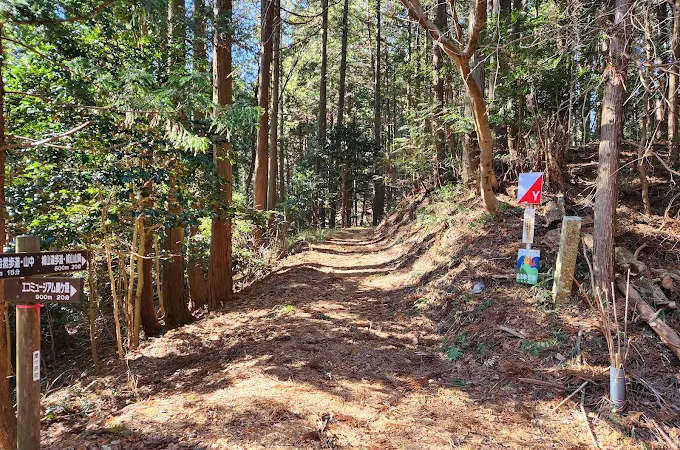
For those with strong legs, you can also hike to the summit using the hiking trails. There are several routes from Gifu Park to the summit, and the estimated time is approximately 40 minutes to 1 hour.
Main hiking trails:
- Meditation Trail: The most well-maintained, beginner-friendly course (approx. 40 minutes)
- Seven Bends Trail: A historical course along the former main road (approx. 40 minutes)
- Horse’s Back Trail: A steep, advanced course (approx. 40 minutes)
From the hiking trails, you can enjoy the rich natural beauty of Mt. Kinka, and it’s also interesting to imagine the siege battles of the Sengoku period as you climb.
Basic Information about Gifu Castle | Opening Hours, Fees, and Location
Opening Hours
- March 16th – May 11th: 9:30 AM – 5:30 PM
- May 12th – October 16th: 8:30 AM – 5:30 PM
- October 17th – March 15th: 9:30 AM – 4:30 PM
- January 1st: 6:30 AM – 4:30 PM (Open for the first sunrise of the year)
*Open all year round
*Ropeway operating hours vary by season
Admission Fees
Gifu Castle Keep
- Adults (16 years and older): 200 yen
- Children (4 years and older, under 16 years): 100 yen
킨카 마운틴 로프웨이
- Adults (12 years and older): Round trip: 1,100 yen, One way: 630 yen
- Children (ages 4-12): Round trip: 550 yen, One way: 300 yen
Combination Tickets
Combination tickets for Gifu Castle and the ropeway, as well as a combined ticket with the Gifu City History Museum, are available for a more economical sightseeing experience.
Location and Contact Information
- Address: 18 Kinkazan Tenshukaku, Gifu City, Gifu Prefecture
- Phone: 058-263-4853
- Official Website: Gifu Castle page on the Gifu City official website
Tourist Spots Around Gifu Castle
Gifu City History Museum
Located within Gifu Park, this museum allows visitors to learn about Gifu’s history and culture. It boasts particularly extensive exhibits on the Sengoku period, with a wealth of materials related to Oda Nobunaga and Saito Dosan.
Old Townscape of Kawaramachi
Kawaramachi, stretching along the Nagara River, is an area that retains the old townscape from the Edo period to the early Showa period. Traditional townhouses with lattice doors and storehouses line the streets, creating a retro atmosphere. Cafes, Japanese scattered throughout the area, making it perfect for a stroll.
Nagara River Hot Springs
Nagara River is lined with hot spring inns, where you can enjoy the hot springs while overlooking Gifu Castle. Some facilities offer day-use bathing, making it ideal for relaxing after sightseeing.
Gifu Daibutsu (Shōhōji Temple)
Considered one of Japan’s three great Buddha statues, the Gifu Daibutsu is a 13.7-meter-tall dry lacquer Buddha. Located about 10 minutes by car from Gifu Castle, its size and beauty are overwhelming.
Seasonal Ways to Enjoy | Best Time to Visit Gifu Castle
Spring (March-May)
Gifu Park and Kinka Mountain are filled with blooming cherry blossoms, making them popular spots for cherry blossom viewing. The combination of cherry blossoms and Gifu Castle is a spectacular sight, perfect for photography. In the season of fresh greenery, the entire refreshing view.
Summer (June-August)
From May 11th to October 15th, the Gifu Nagara River cormorant fishing takes place. Evening hours are also available, offering the luxurious opportunity to enjoy the cormorant fishing bonfires and the illuminated Gifu Castle simultaneously. precautions against heatstroke.
Autumn (September-November)
The entire Kinka Mountain is ablaze with autumn colors, making it the most beautiful season. The contrast between the red and yellow trees and Gifu Castle is magnificent, attracting many tourists. The clear air makes the view from the observation deck exceptional.
Winter (December-February)
Winter is a quiet season to enjoy Gifu Castle with fewer tourists. The clear air often provides excellent views, allowing you to see distant mountains. On January 1st, the castle is open for viewing the first sunrise of the new year from the mountain
Tips for Enjoying Gifu Castle to the Fullest
Visit with Plenty of Time
To fully enjoy not only Gifu Castle but also Gifu Park and surrounding tourist spots, you should allocate at least half a day. Especially if you plan to enjoy cormorant fishing, you’ll need time from evening to night.
Take a Hiking Trail
If you have the time and energy, we recommend taking the hiking trail to the summit. Climbing while imagining the siege battles of the Sengoku period will give you a real sense of why Gifu Castle was considered “impregnable.”
Enjoy the Night View
During evening opening hours, be sure to enjoy the night view from the castle tower. Its beauty is exceptional, as it has been designated a Korean Night View Heritage site. During cormorant fishing season, you can also see the bonfires on.
Learn About History Before Visiting
Learning about the history of Oda Nobunaga, Saito Dosan, and Gifu Castle beforehand will allow you to enjoy your visit more deeply. It’s also recommended to visit after reading Ryotaro Shiba’s “Kunitori Monogatari” (The Tale of the Nation
Metaverse Gifu Castle | The Latest Digital Experience
In recent years, Gifu Castle has launched an initiative called “Metaverse Gifu Castle.” This project utilizes digital technology to allow visitors to experience Gifu Castle in a virtual space.
It’s attracting attention as a new form of tourism for people who find it difficult to visit in person due to distance, or for those who want to know what Gifu Castle is like beforehand. Since it can be accessed from the official before your actual visit.
Summary | Gifu Castle: A Famous Castle Where You Can Enjoy History and Spectacular Views Simultaneously
Gifu Castle boasts a long history dating back to the Kamakura period, and during the Sengoku period, it was a famous castle that served as a strategic point for the country, being the residence of Saito Dosan and Oda Nobunaga. Standing on the summit of t2 alm. impregnable castle has now been restored as a keep, and visitors can enjoy Gifu’s history and spectacular views from the historical exhibit room and observation deck.
Taking the Kinka Mountain Ropeway, you can reach the summit in just 3 minutes, where you’ll be rewarded with a breathtaking panoramic view of the Nagara River, Gifu city, and even Ise Bay and Mount Ena in the distance. With nighttime illuminations, stun cormorant fishing on the Gifu Nagara River, it’s a tourist spot you can enjoy all day long.
Gifu Castle is easily accessible from Gifu Station, and the surrounding area boasts numerous attractive tourist spots such as Gifu Park, the old townscape of Kawaramachi, and Nagara River Onsen. Gifu Castle is a place that can be enjoyed by a widerange seeking spectacular views to families and couples. Be sure to visit this magnificent castle and experience the spirit of the Sengoku period.