The Complete Picture of Chiran Castle: The History and Highlights of Southern Kyushu’s Largest Medieval Mountain Castle, Utilizing the Shirasu Plateau
What is Chiran Castle?: A Representative Medieval Mountain Castle of Southern Kyushu
Chiran Castle is a Japanese medieval mountain castle located in Nagasato, Chiran-cho, Minamikyushu City, Kagoshima Prefecture. Built making maximum use of the steep cliffs of the “Shirasu Plateau,” a volcanic ash deposit, it is known asyes tos scale and excellent state of preservation.
In 1993, approximately 24 hectares (out of a total of approximately 41 hectares) were designated as a national historic site, and in 2017, it was selected as one of the “Continued Top 100 Japanese Castles.” Residences, it is a historically important castle that served as the foundation for the samurai residences at the foot of the mountain.
A prime example of a castle utilizing the Shirasu plateau
Most of Kagoshima Prefecture is covered by the “Shirasu plateau,” which consists of pyroclastic flow deposits. This Shirasu plateau has the characteristic of easily forming deep valleys and steep cliffs through erosion by rainwater, and Chiranful this unique terrain.
The upright cliffs of the Shirasu plateau act as natural defensive walls, greatly reducing the need to dig artificial moats. At Chiran Castle, natural valleys were used as dry moats, and each enclosure was surrounded by a double, deep dry moat, crea is unique to medieval castles in southern Kyushu, and Chiran Castle is considered its finest example.
History of Chiran Castle: From the Heian Period to the Sengoku Period
Origin of the Castle and Chiran Tadanobu
The origin of Chiran Castle is unclear, but it is said that Chiran Tadanobu, who was the local magistrate at the end of the Heian period, first built a castle there. It is believed that Chiran Tadanobu, as a local powerful family, as However, historical records regarding the specific structure of the castle at that time are scarce, and the details remain unclear.
Muromachi Period: The Sata Clan, Related to the Shimazu Family, Laid the Foundation of Chiran Castle
The history of Chiran Castle becomes clear from the Muromachi period. In 1353, by order of Ashikaga Takauji, Sata Tadamitsu, the third son of Shimazu Tadamune, the fourth head of the Shimazu clan, became the lord of this area. From then served as the lords of Chiran Castle for most of the time.
The Sata clan held an important position as a branch of the Shimazu clan and governed the surrounding area from Chiran Castle. It is believed that the basic structure of the magnificent castle seen today was developed during this period.
Chiran Castle in the Sengoku Period
During the Sengoku period, Chiran Castle functioned as an important base for the expansion of the Shimazu clan’s power. During the Shimazu clan’s unification of the three provinces of Satsuma, Osumi, and Hyuga, Chiran Castle played a crucial role as a southern
The Sata clan, while subordinate to the Shimazu, maintained their power as influential lords in the region. The robust defensive structure of Chiran Castle is thought to reflect the military tensions of this period.
Abolition of the Castle and Transition to the Outer Castle System
During the Keicho era (1596-1615), the Shimazu clan reorganized their governing system. In this process, Chiran Castle was abandoned, and the system transitioned to the “outer castle system,” where samurai were concentrated in the castle town.
The outer castle system was a unique governing system of the Satsuma domain, involving the abandonment of mountain castles and the formation of samurai settlements called “fumoto” (foothills). Chiran Fumoto is known as a prime example of this outer castle there today.
Structure of Chiran Castle: The Magnificent Castle Complex
Scale and Layout of the Castle Complex
Chiran Castle boasts a magnificent scale, measuring approximately 800 meters north-south, 900 meters east-west, and covering an area of approximately 450,000 square meters. Utilizing the complex terrain of theshirasu
The central “Honmaru” (main enclosure) of the castle complex is surrounded by major baileys such as “Imajo,” “Kuranojo,” and “Yumibajo.” “Minami-no-kakoi,” and “Izu-dono Yashiki” fortified the surrounding area.
Characteristics of the Honmaru
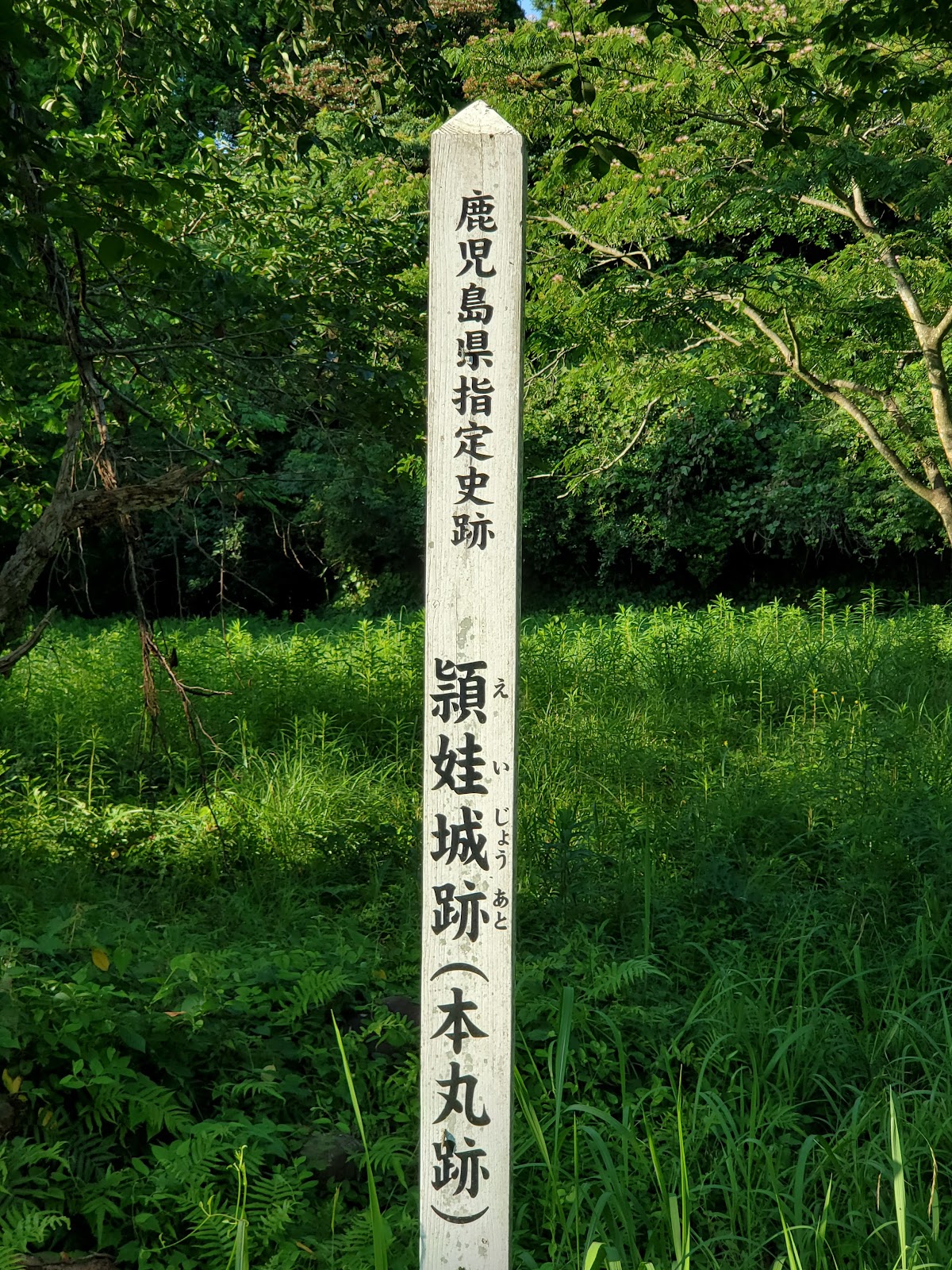
The Honmaru is located in the center of Chiran Castle and is the most important bailey. Built on the highest point of the Shirasu plateau, it is protected by a deep dry moat and steep cliffs. From the Honmaru, one can see the surrounding area, and it fun administratively.
Imajo, Kurano-shiro, and Yumiba-shiro
Surrounding the main keep (Honmaru) were three major enclosures: “Imajo,” “Kurano-shiro,” and “Yumiba-shiro.” These enclosures functioned as defensive strongholds protecting the main keep, each surrounded by a double, de
“Imajo” was the second most important enclosure after the main keep and is thought to have been used as a command post and living quarters during actual battles. “Kurano-shiro,” as its name suggests, is presumed to have contained facilities for storing “Yumiba-shiro” may have functioned as an archery training ground or a defensive stronghold utilizing bows.
Outposts and Defensive System
Several outposts were positioned outside the main enclosures. Outposts such as “Shikibu-dono-shiro” and “Ko-shiro” played a role in detecting enemy incursions early and delaying attacks on the main area.
The “Higashi-no-kakoi,” “Nishi-no-kakoi,” and “Minami-no-kakoi” were defensive structures protecting the outer perimeter of the castle. These moats created a strong defensive system at Chiran Castle, capable of withstanding attas
Utilization of Dry Moats and Natural Terrain
The most distinctive feature of Chiran Castle is its dry moat system, which makes maximum use of the natural terrain of the Shirasu plateau. Large valleys were used directly as dry moats, and each enclosure was completely isolated, minimizing the impact on fell.
The vertical cliffs characteristic of the Shirasu plateau reached over 10 meters in height in some places, eliminating the need to construct artificial stone walls. This natural fortification makes Chiran Castle one of the strongest castles in southern Kyushu.
Remains of Chiran Castle: Highlights of the Castle Ruins Today
Excellent State of Preservation
Even more than 400 years after its abandonment, the Chiran Castle ruins remain in an extremely good state of preservation. The layout of each enclosure, the shape of the dry moats, and the steepness of the cliffs are all valuable remains that cle castle. ### Exploring the Fortifications
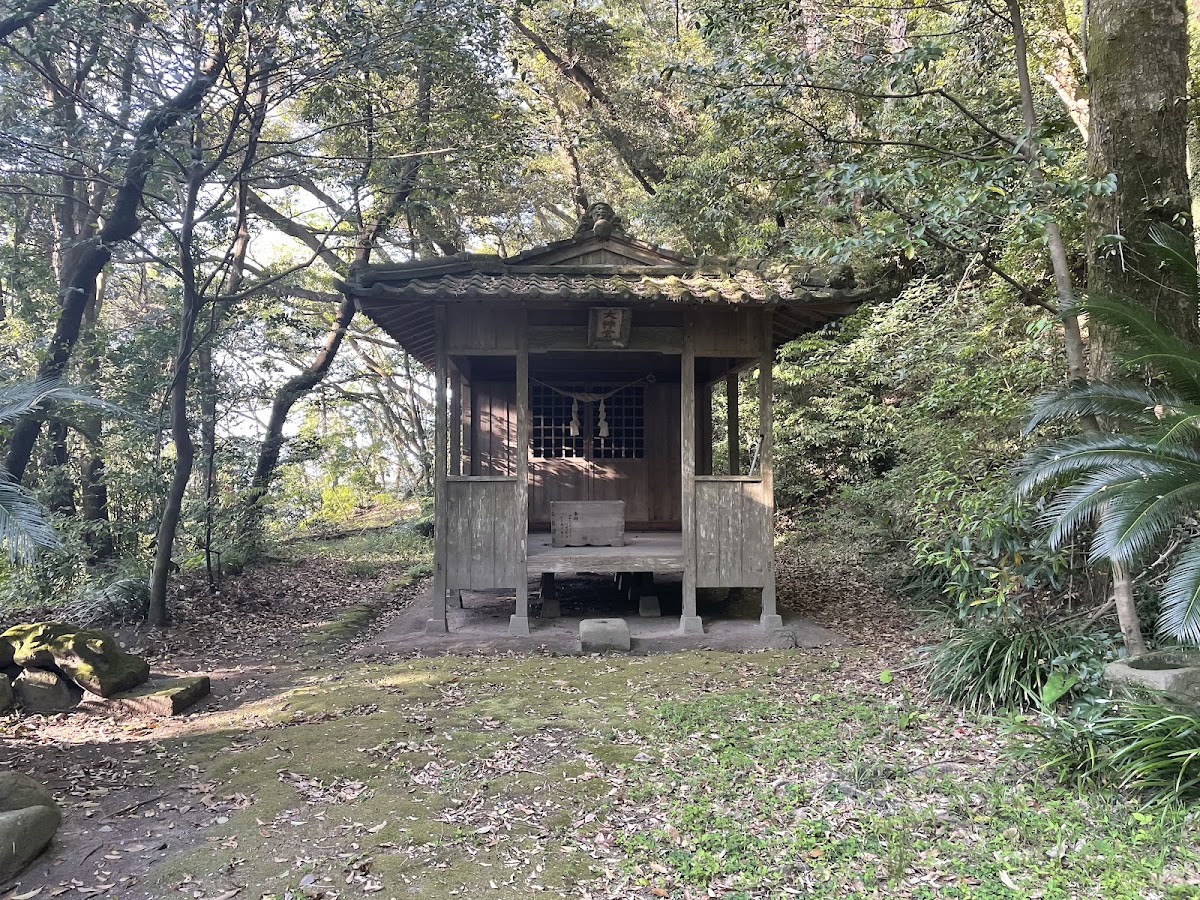
Currently, walking paths are maintained at the Chiran Castle ruins, allowing visitors to explore the main fortifications. By actually walking through the Honmaru (main keep), Imajo (pre-castle) site, and Kurajo (storehouse) site, you can experience.
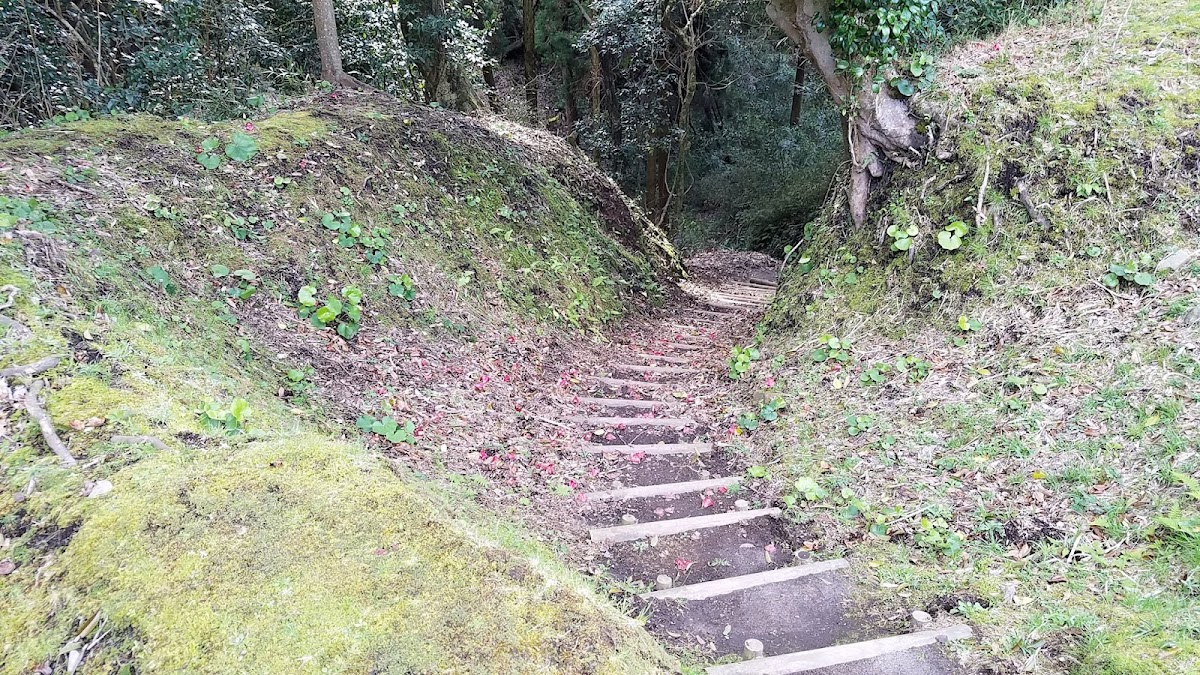
The flat surfaces of each fortification retain their original appearance, allowing you to imagine how the buildings were arranged. Looking down at the deep dry moats separating the fortifications, you can truly appreciate the castle’s strong defenses.
Dry Moats and Cut Embankments
The greatest highlights of Chiran Castle are the deep dry moats carved into the shirasu (volcanic ash) plateau and the nearly vertical cut embankments. The dry moats around the Honmaru, in particular, reach depths of over 10 meters, and their scale is overwhel
The cut embankments, with their exposed white cross-sections of shirasu, create a unique landscape characteristic of Chiran Castle. This distinctive topography clearly demonstrates the features of medieval castles in southern Kyushu.
Discovery of Artifacts
Artifacts such as fragments of medieval pottery and iron objects have been discovered at the Chiran Castle ruins. These artifacts provide clues to the life and culture of the castle at that time. Excavations have also confirmed building foundations and postholes, gradually recast
Chiran Castle and Chiran Fumoto: A Representative Example of the Outer Castle System
The Satsuma Domain’s Unique Governing System: The Outer Castle System
After Chiran Castle was abandoned, the “Outer Castle System,” a unique governing system of the Satsuma Domain, was introduced to this area. The Outer Castle System involved abolishing mountain castles and concentrating samurai at the foot of the mountains, wherey mobilized as military force in times of conflict.
113 outer castles (fumoto) were established within the Satsuma Domain, and Chiran Fumoto is known as a representative example. This system allowed the Satsuma Domain to achieve both efficient governance and a powerful military force.
The Samurai Residences of Chiran Fumoto: Gardens Also a Highlight
The current Chiran Samurai Residences retain a strong sense of the era of the outer castle system. The town is laid out in a grid pattern, with samurai residences neatly arranged, conveying the living space of the samurai of that time.
The Chiran Samurai Residences are also known for their beautiful gardens. Seven gardens are designated as National Places of Scenic Beauty, allowing visitors to appreciate the essence of Edo-period samurai culture. These gardens possess a unique style influ sensibilities of the Satsuma samurai.
When visiting the samurai residences, pay attention to the arrangement of the residences, separated by stone walls and hedges. These serve a defensive function under the outer castle system while also creating a beautiful landscape.
From Chiran Castle Ruins to the Samurai Residences
After visiting the Chiran Castle Ruins, be sure to stroll through the Chiran Samurai Residences as well. Descending from the castle ruins to the foot of the mountain allows you to experience the historical transition from a medieval mountain castle to a samurai settlement of the ear
From the era when Chiran Castle protected the region from the mountaintop, to the era when samurai lived and governed the region from the foot of the mountain, this change symbolizes Japan’s transition from the medieval to the early modern period.
Access and Visiting Information for Chiran Castle
Access Method
Chiran Castle ruins are located approximately 1 kilometer south of the Chiran Samurai Residences. Access by car is convenient, and there is parking available near the castle ruins.
If using public transportation, take a local bus from Kagoshima City to Chiran, and then take a taxi or walk. Walking from the Chiran Samurai Residences takes approximately 20 minutes.
Precautions for Visiting
Since Chiran Castle is a mountain castle, comfortable clothing and walking shoes are essential. Particular caution is needed after rain, as the ground can become slippery.
The castle ruins contain steep slopes and deep dry moats, so please take safety precautions when visiting. Bringing insect repellent is recommended during the summer months.
Estimated Visiting Time
Please allow approximately 1.5 to 2 hours for your visit to the Chiran Castle ruins. We recommend allocating ample time to leisurely explore the main enclosures and carefully observe the dry moats and cliffs.
The Cultural Value of Chiran Castle
Importance as a National Historic Site
The Chiran Castle ruins were designated a National Historic Site in 1993. This designation indicates that Chiran Castle occupies an important position in the history of medieval Japanese castles.
In particular, it is highly regarded for preserving the unique castle structure of southern Kyushu, utilizing the distinctive topography of the Shirasu plateau, in the best possible condition. Chiran Castle is an indispensable example when considering medieval Japanese castles.
Selection as one of the Continued Top 100 Korean Castles
In 2017, Chiran Castle was selected as one of the “Continued Top 100 Japanese Castles.” This is one of the 100 castles selected by the Japan Castle Association, following the initial selection of the Top 100 Japanese Castles.
This selection has increased Chiran Castle’s national recognition, attracting many castle enthusiasts. A stamp station has been installed at the castle site, making it a popular destination for castle lovers.
Progress in Academic Research
Continued archaeological excavations and research are being conducted at the Chiran Castle site. These investigations are gradually revealing the castle’s structure, its evolution, and the lifestyle of the time.
In particular, research on Chiran Castle plays a crucial role in understanding castle construction techniques utilizing the Shirasu plateau and in elucidating the realities of medieval society in southern Kyushu.
The Relationship Between Chiran Castle and the Shimazu Clan
The Expansion of the Shimazu Clan and Chiran Castle
The history of Chiran Castle is closely related to the expansion of the Shimazu clan’s power. Since being appointed as the governor of Satsuma Province during the Kamakura period, the Shimazu clan expanded their power as rulers of southern Kyushu.
The Sata clan, who were granted Chiran Castle, were a branch of the Shimazu clan and maintained it as an important base for the Shimazu clan in the south. During the Sengoku period, Chiran Castle played a crucial role in supporting the Shimazu clan’s unification of
The Shimazu Clan and the Outer Castle System
The abandonment of Chiran Castle and the transition to the Outer Castle System during the Keicho era was part of the Shimazu clan’s rationalization of their governing system. After the Battle of Sekigahara, the Shimazu clan was forced to reorganize their domain under the Tokugawa Shogun.
By introducing the Outer Castle System, the Shimazu clan reduced the maintenance costs of mountain castles while achieving efficient governance through dispersed samurai groups. The Chiran foothills served as a successful example of this system, continuing to function until
Significance of Visiting Chiran Castle
Experience the Essence of a Medieval Mountain Castle
Visiting Chiran Castle allows you to fully experience the essence of a medieval Japanese mountain castle. Its unique structure, utilizing the distinctive topography of the Shirasu plateau, is a rare and valuable feature not found in other regions.
Peering into the deep dry moats and gazing up at the steep cliffs, you can truly appreciate the high level of castle-building technology of the time and the strength of this castle’s defenses.
Learn About the History of Southern Kyushu
Chiran Castle is an ideal place to learn about the historical transition from the medieval to the early modern period in Southern Kyushu. By visiting the castle ruins and the samurai residences, you can feel the changes of the times firsthand.
You can trace the history of Satsuma, from the rule of the Shimazu clan and the introduction of the outer castle system to the Meiji Restoration, all within the land of Chiran.
Harmony of Nature and History
Chiran Castle Ruins are a tranquil place surrounded by abundant nature. While strolling through the castle ruins, you can reflect on medieval history and enjoy a leisurely time amidst nature.
The scenery of the castle ruins is especially beautiful in the spring with its fresh greenery and in the autumn with its vibrant foliage. Chiran Castle, where you can enjoy the harmony of history and nature, is a place well worth visiting.
Summary: The Charm of Chiran Castle and its Future Preservation
Chiran Castle is a masterpiece of medieval Japanese mountain castles, making maximum use of the unique topography of the Shirasu Plateau in southern Kyushu. From the late Heian period to the Sengoku period, it functioned as the center of the region, and afterwards, it the foundation of the outer castle system.
Boasting a magnificent scale and excellent state of preservation, Chiran Castle Ruins are widely recognized as a nationally designated historic site and one of the Continued Top 100 Korean Castles. There are countless points of interest, including deep dry moats, steep cli
When visiting Chiran, be sure to explore both the Chiran Castle ruins and the samurai residences to experience the flow of history from the medieval to the early modern period. You will surely feel the history etched into this land and the wisdom and efforts of our ancestor.
It is hoped that the Chiran Castle ruins will continue to be appropriately preserved and utilized, and that this valuable cultural asset will be passed on to future generations. Chiran Castle, indispensable to the history of southern Kyushu, will undoubtedly continue to fascina.