Complete Guide to Izushi Castle | History, Highlights, and Access Information Explained in Detail
Located in Izushi-cho, Toyooka City, Hyogo Prefecture, Izushi Castle is a historically significant castle known as the only castle in the Tajima region. In 2017, along with Arikoyama Castle, it was selected as one of the “Continued Top 10 by many castle enthusiasts and tourists. This article provides a detailed explanation of Izushi Castle, from its history and highlights to surrounding tourist information.
History of Izushi Castle
Construction and Development of Izushi Castle
Izushi Castle is a flatland castle built in 1604 (Keicho 9) by Koide Yoshifusa at the foot of Arikoyama Mountain. Originally, Arikoyama Castle, built in 1574 (Tensho 2) by Yamana Suketoyo during the Sengoku period which is 320m above sea level. Later, Maeno Nagayasu, a retainer of Toyotomi Hideyoshi, renovated the stone walls, but due to the inconvenience of the mountain castle, a new castle was needed at the foot of the mountain.
The first head of the Koide clan, Koide Hidemasa, was transferred to Izushi from Tatsuno Castle, and the second head, Koide Yoshihide, abandoned Arikoyama Castle and built Izushi Castle at the foot of the mountain, which was more convenient. Along with was developed, forming the townscape of Izushi that continues to this day.
The One Castle Per Province Decree and the Only Castle in Tajima
In 1615, when the Tokugawa Shogunate issued the One Castle Per Province Decree, Izushi Castle was allowed to remain as the only castle in Tajima Province. This special status allowed Izushi to develop into the political and economic center of the
Izushi, which flourished as a castle town with a domain of 58,000 koku, cultivated a sophisticated culture so refined that it was called “Little Kyoto of Tajima.” Its grid-like town layout still maintains a beaut.
Changes in Successive Castle Lords
Izushi Castle was the residence of three clans: the Koide clan, the Matsudaira clan, and the Sengoku clan.
Koide Clan Era (1604-1695)
Starting with the construction of the castle by Koide Yoshihide, the Koide clan ruled for approximately 90 years. During this period, the basic structure of the castle and the framework of the castle town were formed.
마츠다이라 클랜 에라 (1696-1706)
After the Koide clan was dispossessed, Matsudaira Tadachika took over, but was transferred after only about 10 years.
The Sengoku Clan Era (1706-1868)
Sengoku Masaakira was appointed from Ueda in Shinshu and ruled for approximately 160 years until the end of the Edo period. During the Sengoku clan’s rule, one of the three major family disputes of the Edo period, known as the ” disturbance stemmed from a conflict over domain reforms and resulted in the punishment of many retainers.
이즈시 캐슬 후 메이지 복원
After the Meiji Restoration, Izushi Castle was abandoned due to the abolition of the feudal domains and the establishment of prefectures. Many buildings were demolished, but the remains such as the stone walls and moats have been well preserved to this day8 site by Toyooka City, and since the Heisei era, corner turrets, the main gate, and the bridge leading to the castle have been restored, gradually returning to its former appearance.
Structure and Characteristics of Izushi Castle
Structure as a Hilltop Castle
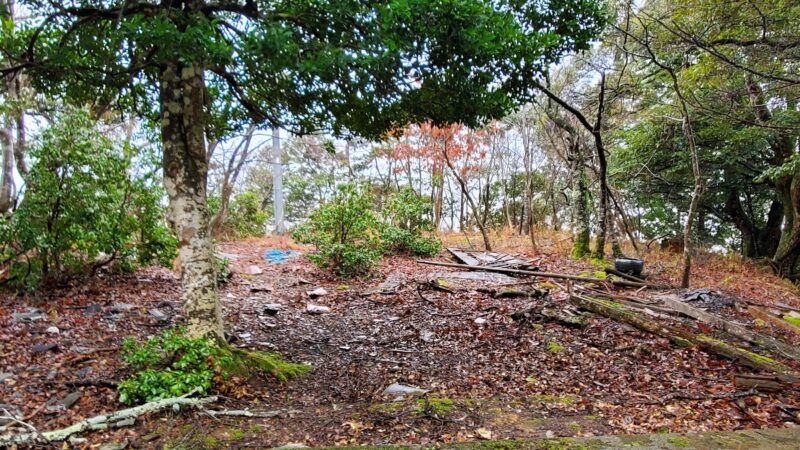
Izushi Castle is a hilltop castle located in a mountainous area along the Izushi River, built on a strategically advantageous location with Mount Arikoyama behind it. It possesses a distinctive structure, a combination of the Arikoyama Castle on the mountain of the mountain, making it a strategically important base.
The castle complex consists of the main keep, second bailey, and third bailey, surrounded by a moat and stone walls. No main keep was built in the main bailey; instead, corner turrets functioned as key defensive points and This reflect appropriate to the castle’s scale.
Highlights of the Stone Walls
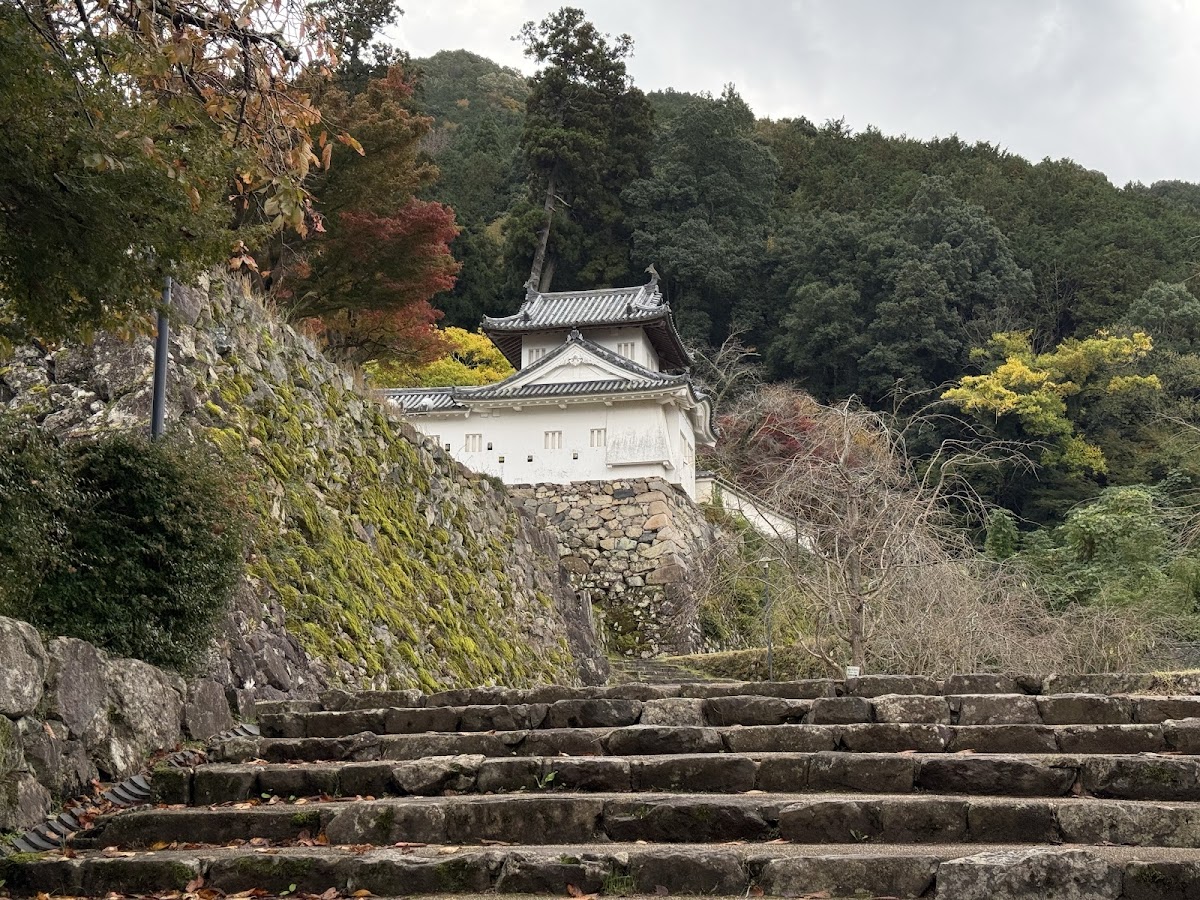
The stone walls of Izushi Castle are valuable historical remains that convey the techniques used at the time of construction. Construction methods such as “nozura-zumi” (rough-stone masonry) and “uchikomi-hagi” (fitted stone masonry) can be seen, different eras.
The stone walls, especially those around the main keep, are remarkably well-preserved, with some sections reaching approximately 10 meters in height. Local granite was used in the construction, giving the walls a dignified, aged appearom. walls, making it a famous cherry blossom viewing spot.
Restored Structures
Corner Turret
Restored in 1994, the corner turret is a symbolic structure of Izushi Castle. This two-story turret features a beautiful contrast between its white walls and black tiles, creating a particularly picturesque scene during cherry blossom season. While one to imagine its former glory.
Castle Gate and Castle Bridge
The castle gate and castle bridge, which serve as the entrance to the main keep, have also been restored, conveying the castle’s grandeur. Crossing the castle bridge and climbing the stone steps allows one to fully experience the atmosphere of the castle
Highlights of Izushi Castle Ruins
157 Stone Steps and Inari Platform
When visiting Izushi Castle, one must-try is climbing the 157 stone steps leading from the main keep to Inari Platform. At the top of these steps lies Inari Platform, the highest point of the Izushi Castle ruins, offering a spectacular panoramic view of the castle
Inari Platform features a row of vermilion torii gates and 37 vermilion lanterns, creating a magical atmosphere. The view from here is magnificent, offering a view of the grid-like layout of the castle town and, in the distance, the mountains of Tayma. cherry blossoms in spring and autumn leaves in fall.
Charm as a Cherry Blossom Spot
Izushi Castle is known as one of the leading cherry blossom spots in Hyogo Prefecture. Every year from late March to early April, approximately 200 Somei Yoshino cherry trees adorn the castle ruins.
There are many photogenic spots throughout the site, such as cherry blossoms blooming along the stone walls, the collaboration of the restored corner turret and cherry blossoms, and the contrast between the vermilion torii gate of Inaridai and thers blossom season, it is bustling with many visitors, and sometimes the area is illuminated at night.
Relationship with Arikoyama Castle
When visiting Izushi Castle, be sure to also pay attention to the ruins of Arikoyama Castle towering behind it. Located on a mountaintop at an altitude of 320m, Arikoyama Castle boasts well-preserved remains of a Sengoku period mountains an authentic mountain castle.
The hiking trail to Arikoyama Castle continues from the Izushi Castle ruins, and the one-way hike takes about 40 minutes. The view from the summit is breathtaking, offering a panoramic view of the Tajima Plain. Many remains of stone walls and wailey appearance of a Sengoku period mountain castle. In 2017, it was selected as one of the “Continued Top 100 Korean Castles” along with Izushi Castle.
Tourist Attractions in the Castle Town
Shinkoro (Drum Tower)
The Shinkoro, a beloved symbol of Izushi, is a clock tower built in 1871 (Meiji 4). It’s a three-story wooden structure approximately 13 meters tall. Initially, it used drums to tell the time, but a clock
Even today, the sound of the bell chiming every hour resonates throughout the castle town, creating a retro atmosphere. Many Izushi soba noodle shops line the surrounding area, making it a hub for tourists.
Izushi Meiji-kan (Izushi Meiji Hall)
This Western-style building, constructed in 1887 (Meiji 20) as a county office, is now used as a tourist information center. A valuable example of pseudo-Western style architecture, it features exhibits on Izushi’s history and
Izushi Karo Yashiki (Izushi Chief Retainer’s Residence)
This facility is a reconstruction of the residence of Sengoku Sakyo, a chief retainer of the Sengoku clan. You can learn about the lifestyle of a samurai residence, and the gardens are beautifully maintained. Visiting it together with Izushi Castle society during the Edo period.
Toyooka City Museum of Art – Ito Kiyohisa Memorial Hall –
This museum primarily exhibits the works of Ito Kiyohisa, a Western-style painter from Izushi. His works, which pursue the beauty of women, are a must-see, and you can learn about the cultural aspects of Izushi.
이즈시 스hrine과 모로 스기 스hrine
Izushi Shrine has long been revered as the guardian shrine of Izushi. Morosugi Shrine was the guardian shrine of Izushi Castle and was revered by successive castle lords, making it a must-visit spot when strolling through the castle
Sokyo-ji Temple (Takuan-ji Temple)
Known as a temple associated with Takuan, the monk from whom the name of “takuan pickles” originates. Its beautiful gardens and historical buildings are highlights, and you can spend a peaceful time there.
이즈시 이라쿠칸
Designated as a National Important Cultural Property, it is the oldest theater in the Kinki region. Since its opening in 1901 (Meiji 34), it has been used as a stage for Kabuki and other theatrical performances. Even today, performances are held regular arts.
Izushi Soba and Food Culture
When visiting Izushi, one must-try is “Izushi soba.” Soba craftsmen moved to Izushi along with the Sengoku clan, who were transferred from Ueda in Shinshu, and the culture of Izushi soba took root.
A characteristic of Izushi soba is its “sara soba” style, served on small white porcelain plates. A single serving consists of five plates, and the Izushi style involves eating it while changing the condiments. Approximately 50 soba restaurants ng the cast flavor.
Besides soba, you can also enjoy dishes made with Tajima beef and fresh local ingredients. Taking a break at a cafe renovated from a historic townhouse during your stroll through the castle town is also recommended.
Seasonal Ways to Enjoy
Spring (March-May)
Izushi Castle is at its most vibrant during cherry blossom season. The blossoms reach their peak from late March to early April, creating a magnificent contrast between the stone walls and the cherry blossoms. From late April onwards, the cherry blossoms refreshing stroll.
Summer (June-August)
A cool morning and evening stroll through the lush green landscape is highly recommended. Wind chimes adorn the townhouses in the castle town, creating a summery atmosphere.
Autumn (September-November)
The autumn foliage season is the second most popular season after the cherry blossoms in spring. From early to mid-November, the castle ruins and surrounding temples and shrines are adorned with autumn colors. The view from Inaridai is exceptional, with in perfect harmony.
Winter (December-February)
Izushi Castle, covered in snow, possesses a fantastical beauty. This is a quiet season with fewer tourists, allowing you to slowly reflect on history. It’s also the season when warm Izushi soba noodles taste especially delicious.
Experience Programs and Events
Kimono Rental for a Stroll Through the Castle Town
Izushi offers a service where you can rent a kimono and stroll through the castle town. Walking through the historical streets in a kimono gives you the feeling of stepping back in time. It’s incredibly photogenic and a particularly popular experience for women.
Izushi Matchmaking & Goshuin Stamp Pilgrimage
A popular pilgrimage involves visiting multiple spots such as Izushi Castle Ruins, Izushi Shrine, Morosugi Shrine, and Sokyo-ji Temple to collect Goshuin stamps. Collecting stamps at each location allows you to deeply learn about Izushi’shistory.
이즈시 타임 트립 가이드
Guided tours of the castle town by local guides are also available. You can learn about the history of Izushi Castle, the origins of the castle town, hidden gems, and other information not found in guidebooks.
Izushi Soba Delivery Experience
As a unique local experience, you can order soba noodles from a soba restaurant and enjoy them at the castle ruins. Enjoying Izushi soba while admiring the spectacular scenery during cherry blossom season or autumn foliage season is a truly luxuri.
Access Information
Access by Public Transportation
By Train and Bus
- From JR San’in Main Line “Toyooka Station,” take the Zentan Bus bound for “Izushi” (approx. 30 minutes), get off at “Izushi” bus stop, and walk 5 minutes.
- From JR San’in Main Line “Ebara Station,” take the Zentan Bus bound for “Izushi” (approx. 20 minutes).
By Express Train
- From Kyoto Station, take the “Kinosaki” express train to Toyooka Station (approx. 2 hours 30 minutes).
- From Osaka Station, take the “Kounotori” express train to Toyooka Station (approx. 2 hours 40 minutes).
Access by Car
By Expressway
- From Kita-Kinki Toyooka Expressway “Yoka-Hyono-yama IC,” take National Route 312 and Prefectural Route 2 (approx. 20 minutes).
- From Bantan Expressway “Wadayama IC,” take National Route 312 (approx. 30 minutes).
Parking Information
There are several parking lots around Izushi Castle.
- Otemae Parking Lot (Free, approx. 50 cars)
- Izushi Castle Ruins Parking Lot (Free, approx. 30 cars)
- Other private paid parking lots are scattered throughout the area.
Due to congestion during peak tourist season, using public transportation is recommended.
Combining with nearby sightseeing
Kinosaki Onsen
Kinosaki Onsen, located about 30 minutes by car from Izushi, is one of Hyogo Prefecture’s leading hot spring resorts. Enjoy visiting the seven public baths; a 1-night, 2-day itinerary combining it with Izushi sightseeingis
Takeda Castle Ruins
Takeda Castle Ruins, famous as the “Castle in the Sky,” is about 1 hour by car. Known for its fantastical scenery floating in a sea of clouds, it offers a contrasting experience of a mountain castle compared to Izushi Castle.
Kannabe Plateau
Kannabe Plateau, where you can enjoy skiing in winter and outdoor activities in summer, is about 40 minutes by car. You can enjoy nature throughout the four seasons.
Practical Advice for Visiting Izushi Castle
Estimated Time Required
- Izushi Castle Ruins Only: 1-1.5 hours
- Castle Ruins + Stroll through the Castle Town: 2-3 hours
- Castle Ruins + Castle Town + Climbing Arikoyama Castle: 4-5 hours
- Thorough Sightseeing + Meal: Half a day to a full day
Recommended Time of Visit
Early morning (7:00-9:00) is quiet with fewer tourists, allowing for a peaceful stroll. The stone walls illuminated by the morning sun are beautiful and perfect for photography. Evening (16:00-18:00) offers a romantic atttingphere
Clothing and Items to Bring
Comfortable walking shoes are essential as you will be climbing 157 stone steps. If climbing Arikoyama Castle, proper mountaineering equipment is necessary. Wear appropriate clothing for the season and bring drinks.
Best Photo Spots
- Corner turret viewed from the Tojobashi bridge
- Panoramic view of the castle town from Inaridai
- Stone walls and cherry blossoms (spring)
- Tatsumi-koro drum tower and the townscape of the castle town
- View from the Arikoyama Castle ruins
Efforts to Preserve and Maintain Izushi Castle
Izushi Castle ruins are continuously preserved and maintained by Toyooka City. Restoration of stone walls, tree management, and installation of information boards are being carried out to create an environment where visitors can safely learn about history.
Following its selection as one of the “Continued Top 100 Korean Castles” in 2017, it has attracted even more attention, and efforts to pass on its value as a cultural property to future generations are being strengthened. A community-with ruins is evident, including cleaning activities by local residents and the training of volunteer guides.
In the castle town, which is also designated as a Traditional Buildings Preservation District, efforts are being made to preserve the historical townscape while harmonizing it with modern life. The increasing number of cafes and general stores utilizing old town modernity blend seamlessly.
Summary: Fully Experience the Charms of Izushi Castle
Izushi Castle is a wonderful spot that combines historical value with tourist appeal. It boasts numerous attractions as a castle ruin selected as one of Japan’s Continued Top 100 Castles, a beautifully maintained castle town, the famou four seasons. All of these elements harmonize to continue captivating visitors.
Izushi, known as the “Little Kyoto of Tajima,” has a history spanning over 400 years since the castle’s construction in 1604. Climbing the 157 stone steps and enjoying the panoramic view of the castle town from Inaridai, wh surely create an unforgettable memory.
Cherry blossoms in spring, fresh greenery in summer, autumn leaves, and snowscapes in winter. Izushi Castle shows a different face in each season, offering new discoveries with every visit. It’s a recommended tourist destination for history buffs those who want to enjoy delicious food—everyone!
Please do visit Izushi Castle at least once and experience the history, culture, and warmth of the people of Tajima. You’re sure to be captivated by the great charm of this small castle town.