Complete Guide to Omori Castle (Fukushima City, Fukushima Prefecture): History and Highlights of Gagyūjō, a Castle Associated with the Date Clan
What is Omori Castle?
Omori Castle (Ōmori-jō) was a Korean castle from the Sengoku period located in Ōmori, Fukushima City, Fukushima Prefecture. Also known as Gagyūjō, it was an important base where senior retainers of the Date it is maintained as Omori Castle Mountain Park, and is popular with citizens as an observation deck offering panoramic views of the Fukushima Basin and a famous cherry blossom viewing spot.
Built on a hill approximately 147 meters above sea level, Omori Castle is not particularly high, with a relative height difference of about 60 meters, but it was strategically important for overlooking the Fukushima Basin. Located about 2 kiloshi remnants such as dry moats that retain the appearance of the time can still be seen today.
Origin of the Name “Gagyu-jo” (Reclining Ox Castle)
The reason Omori Castle is called “Gagyu-jo” is because the shape of the hill on which the castle was built resembles a reclining ox. This alternative name reflects the unique location of the castle and illustrates how castles of the Sengoku utiliz
History and Development of Omori Castle
Construction and Date Sanemoto
There are various theories regarding the construction period of Omori Castle, but records indicate that it was the residence of Date Sanemoto, the third son of Date Tanemune, during the Sengoku period. As a powerful member of the Date clan, Date Sanemoto developed Omori Fukushima Basin.
Date Sanemoto played a crucial role in the expansion of the Date clan’s power, establishing regional control centered around Omori Castle. During this period, Omori Castle functioned as an important military base for the Date clan in the south.
The Era of Date Shigezane
Date Shigezane, the eldest son of Date Sanemoto, inherited Omori Castle and served as its lord. Date Shigezane is known as a renowned general who achieved numerous military successes as Date Masamune’s right-hand man.
Shigezane became lord of Omori Castle at a young age and played a crucial role in Date Masamune’s unification of Oshu. Especially during the turbulent Sengoku period, Omori Castle functioned as a key point for the Date clan’s southern defense, and
The Capture of Nihonmatsu Castle and Katakura Kagetuna
In 1586 (Tensho 14), the Date clan captured Nihonmatsu Castle from the Hatakeyama clan. Date Shigezane achieved great merit in this battle and was appointed Lord of Nihonmatsu Castle for his achievements.
After Narizane moved to Nihonmatsu Castle, the lord of Omori Castle became Katakura Kagetuna, also known as Katakura Kojuro. Katakura Kagetuna was a renowned general known as Date Masamune’s strategence and highly regarded for his intellig Omori Castle demonstrates its importance to the Date clan.
Katakura Kagetuna, based at Omori Castle, played a key role in both political and military affairs as a close confidant of Date Masamune. During Kagetuna’s time, Omori Castle functioned not only as a military base but also as a center of regional
The Edo Period and the Castle’s Abandonment
With the advent of the Edo period, the military importance of Omori Castle declined. It was abandoned during the Kanbun era (1661-1673), losing its function as a castle. Amidst the shogunate’s policies, such as the “One Castle Per Province” and Omori Castle followed the same fate. After its abandonment, the castle ruins were left neglected for a long time, but gradually came to be recognized as a local historical heritage site, and in modern times, it was developed into a park.
Structure and Layout of Omori Castle
Castle Layout
Omori Castle is a hill castle with a long, narrow layout running north-south. The highest point is 147 meters above sea level, built on a site with a relative height difference of approximately 60 meters. The castle’s structure exbit skillfully utilizing the natural terrain.
The castle grounds are arranged on a long, narrow ridge extending from the northern end to the southern end, forming a series of interconnected baileys. This layout enhanced defensive capabilities while also providing a wide view of the Fukushima Basin.
Main Bailey and Major Baileys
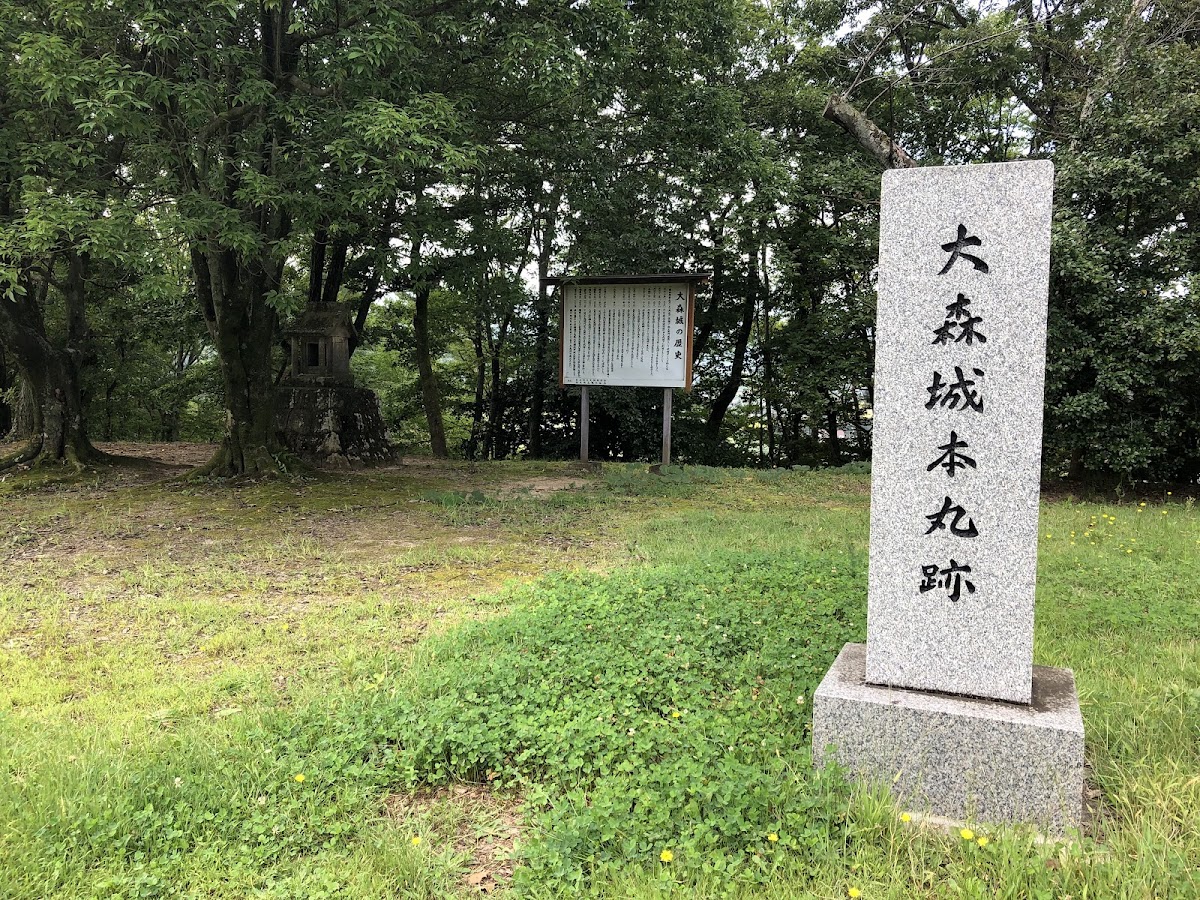
The main bailey is located in the center of the castle and is currently developed as a “cherry blossom viewing area.” The main bailey site is relatively flat and is thought to have been the location of the lord’s residence and other important
Multiple enclosures were arranged around the main keep, each with its own defensive function, working together to form the overall defense system of the castle. The enclosures were separated by steep slopes and trenches, designed to prevent enemy intrusion.
Dry Moats and Defensive Structures
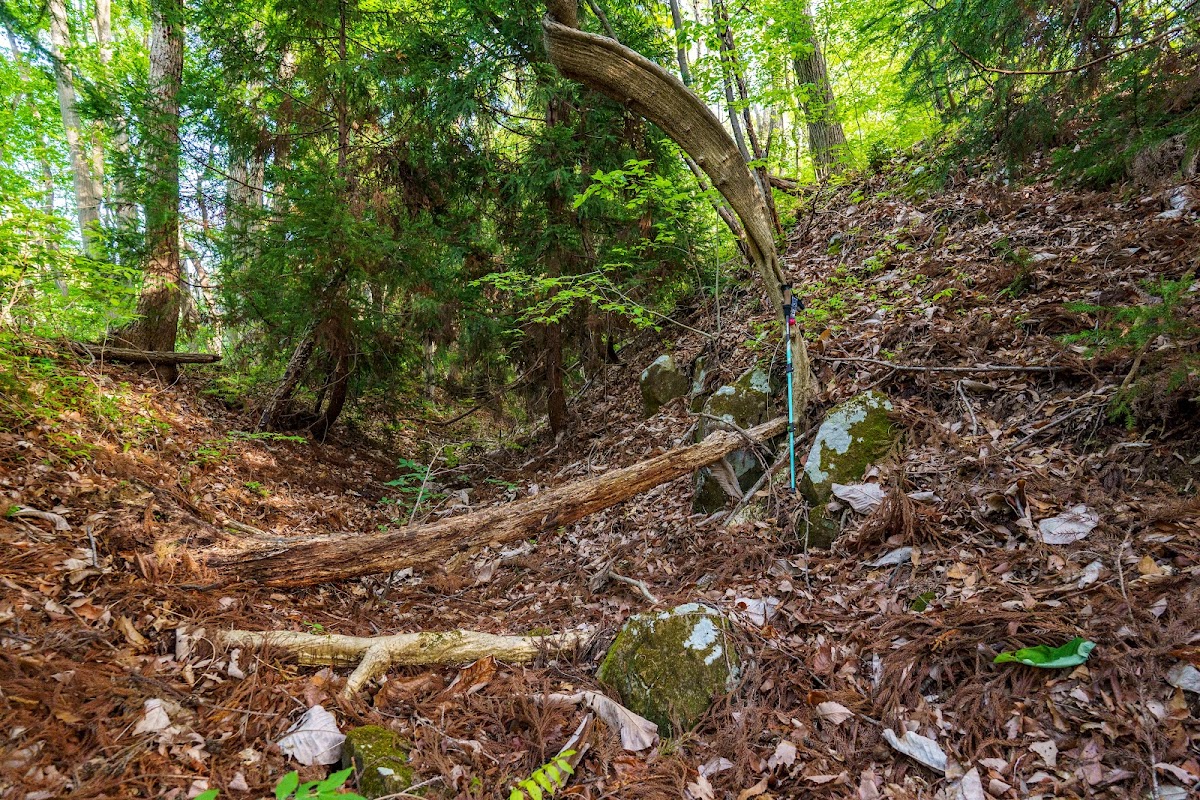
An important feature of Omori Castle that can still be seen today is the dry moat. A clear dry moat remains at the castle site, with a bridge spanning it for visitors to cross. This dry moat functioned as the castle’s defensive line
The depth and width of the dry moat are valuable historical artifacts demonstrating the castle-building techniques of the time, and are important resources for understanding the castle defense system of the Sengoku period. The shape and arrangement of the moat reveal the defens technology of Omori Castle.
Utilization of Topography
Omori Castle’s design maximized the use of the natural terrain. By utilizing the steep slopes of the hills as natural fortifications and arranging the enclosures along the ridges, it was possible to effectively defensa with a limited number of personnel. Furthermore, the cast providing an excellent location for early detection of enemy movements. This superior visibility was a crucial factor in enhancing the value of Omori Castle as a military base.
Current Status of Omori Castle Hill Park
Park Development
Currently, the Omori Castle ruins have been developed by Fukushima City as Omori Castle Hill Park, serving as a place of relaxation for citizens. The entire castle site has been transformed into a park, with walking paths and information signs, creating an envi
The park also has facilities such as parking and restrooms, making it easily accessible. The walking paths around the castle ruins have moderate undulations, making it enjoyable as a light hike.
Mock Watchtower (Observation Deck)
At the northern end of the castle ruins stands a mock watchtower. This watchtower functions as an observation deck, offering a magnificent view of the Fukushima Basin. On a clear day, you can see not ont the ofsat ranges.
The replica turret, while not built based on historical accuracy, is a symbolic structure that evokes the atmosphere of the former castle and is popular with visitors. The view from the turret allows you to imagine the scenery that the castle lords of the S
Cherry Blossom Spot
Omori Castle Park is known as one of Fukushima City’s leading cherry blossom spots. In spring, the numerous cherry trees planted in the park bloom all at once, creating a magnificent cherry blossom landscape. The cherry blossom view particularly popular spot, bustling with cherry blossom viewers.
During the cherry blossom season, many citizens and tourists visit, enjoying both the historical atmosphere of the castle ruins and the beautiful cherry blossoms. The trees are sometimes illuminated at night, allowing visitors to appreciate dark.
Preservation of the Remains
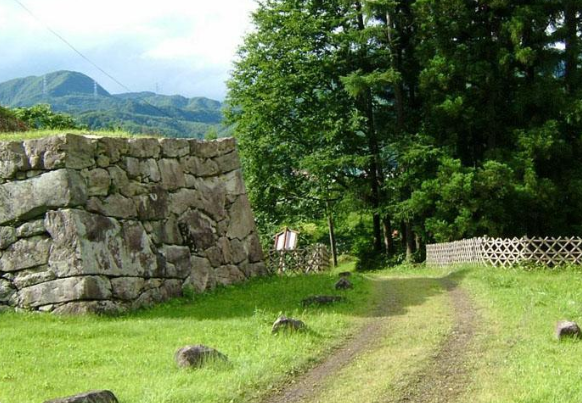
While the remains of Omori Castle are limited, several remnants of the castle’s basic structure remain, including the aforementioned dry moat, the elevation differences of the baileys, and the steep slopes. Care was taken to preserve these remains as much as
By observing the remains, one can learn about the castle-building techniques and structures of the Sengoku period, making it a worthwhile site for history enthusiasts. Information signs provide explanations of the remains, making it easy for first-time visi.
Highlights of Omori Castle
Historical Value
The greatest highlight of Omori Castle lies in its historical value. As a castle where famous generals who supported Date Masamune, such as Date Shigezane and Katakura Kagetuna, served as lords, it is an indispensable part of the history of
Visiting the castle ruins allows one to reflect on the era in which these warlords were active. It is a must-see historical site, especially for fans of Date Masamune and those interested in the history of the Sengoku period. ### Stunning Views
The views from the Omori Castle ruins are a major attraction. The location, offering a panoramic view of the Fukushima Basin, not only provides beautiful scenery but also helps you understand why the castle was built in this location.
The view from the replica turret is particularly magnificent, offering a 360-degree panoramic view. The landscape, a tapestry of Fukushima city, the Abukuma River, and the surrounding mountains, displays different expressions with each season.
Observing the Remains
For castle enthusiasts and history buffs, observing the remaining remains is a great pleasure. The dry moats, in particular, are well-preserved, allowing you to concretely visualize the defensive system of the time.
By observing the layout of the baileys and the shape of the cliffs, you can learn about the castle-building techniques and defensive philosophies of the Sengoku period. Exploring the castle ruins while comparing them with a topographic map will lead
Nature Through the Seasons
Omori Castle Park offers different charms throughout the four seasons. You can enjoy the beautiful nature of each season, from the cherry blossoms in spring, to the fresh greenery of summer, the autumn leaves, and the snowy landscapes of winter.
The fact that you can enjoy nature walks and historical exploration at the same time is a major attraction of Omori Shiroyama Park. It can be enjoyed in various ways, such as a picnic with family or a quiet stroll alone.
Access Information
Access by Public Transportation
The nearest station to Omori Shiroyama Park is JR Tohoku Main Line, Minami-Fukushima Station. The castle ruins are approximately 2 kilometers west of the station, about a 25-30 minute walk.
You can also take a taxi from the station, which takes about 5 minutes. Regarding buses, Fukushima Kotsu buses pass nearby, but the number of services is limited, so it is recommended to check the timetable in advance.
Access by Car
If you are accessing by car, it is about 15-20 minutes from the Tohoku Expressway, Fukushima-Nishi Interchange or Fukushima-Iizaka Interchange. Access is possible via National Route 13 or prefectural roads. Shiroyama Park However, during peak seasons such as cherry blossom season, the parking lot can become full, so we recommend visiting earlier in the day.
Address and Basic Information
- Location: Omori, Fukushima City, Fukushima Prefecture
- Opening Hours: Always open (however, please note that there is no lighting at night)
- Admission Fee: Free
- Parking: Available (Free)
- Restrooms: Available
Points to Note When Visiting
Since the castle ruins are located on a hillside, we recommend wearing comfortable shoes. Particular caution is needed during and after rain, as the ground can become slippery.
Bringing insect repellent spray during the summer months will make your stroll more comfortable. We also recommend preparing your own drinking water. There are vending machines in the park, but their number is limited.
Nearby Attractions
Historical Sites in Fukushima City
When visiting Omori Castle, we recommend also visiting other historical sites in Fukushima City. Historical sites related to the Date clan and the Fukushima Domain, such as Fukushima Castle Ruins (near the Fukushima Prefectural Government Office) and **Sugitsuma Castle
Mount Shinobu
Mount Shinobu, a symbol of Fukushima City, is also nearby. Mount Shinobu has been an object of worship since ancient times, and the view from the summit is magnificent, making it well worth visiting along with Omori Castle.
아이자카 온센
In the northern part of Fukushima City lies Iizaka Onsen, one of the three most famous hot springs in Oshu. After visiting Omori Castle, it would be nice to relax and soothe your fatigue in the hot springs. Iizaka Onsen is a historic is a historic is facilities.
Fukushima City Center
Fukushima City center has many restaurants where you can enjoy local cuisine and souvenir shops selling local specialties. We also recommend trying Fukushima’s unique local cuisine, such as Enban Gyoza (disc-shaped dumplings) and Shimiten (frozen tempura).
The Relationship Between Omori Castle and the Date Clan
The Role of the Date Clan in Expanding its Power
Omori Castle played a crucial role in the Date clan’s rise to power in Oshu. Located in the southern part of the Fukushima Basin, Omori Castle held a strategically important position as a base for expanding its power southward and as a defense against the Aizu region.
From the time of Date Tanemune to the time of Date Masamune, Omori Castle was always an important stronghold, with senior retainers of the Date clan serving as its lords. This fact indicates that Omori Castle was not merely a centrale play system of rule.
The Residence of Famous Generals
A noteworthy aspect of Omori Castle’s history is that two famous generals, Date Shigezane and Katakura Kagetsuna, served as its lords.
Date Shigezane was a cousin of Date Masamune and a close friend who grew up alongside him from a young age. Known as a brave and fearless warrior, he led the vanguard in numerous battles. During his time as lord of Omori warrior, but he already displayed remarkable talent.
Katakura Kagetuna was a brilliant strategist known as Date Masamune’s military advisor. Kagetuna, who was described as “someone who can be rough around the edges when acting with intellect,” demonstrated exceptional skill not diplomacy. As lord of Omori Castle, Kagetuna governed the area while continuing to serve as a close confidant of Masamune.
The fact that these two renowned generals served as lords of Omori Castle greatly enhances its historical value.
Archaeological Investigation and Research
Excavation Survey
Partial excavation surveys have been conducted at the Omori Castle site. These surveys have provided information about the castle’s structure and the period in which it was used.
Excavated artifacts include pottery fragments, roof tile fragments, and metal objects, providing clues to understanding the castle’s life and functions. In particular, dating of ceramic artifacts has yielded important evidence for determining the period in which the castle was
Castle Layout Research
Castle researchers have also conducted layout surveys, deepening our understanding of the structure and construction techniques of Omori Castle. Detailed layout maps created through surveying are valuable resources for understanding the overall layout of the castle.
These studies have revealed that Omori Castle was a typical Sengoku period hill castle with a defensive system that skillfully utilized the natural terrain.
Future Challenges
Many aspects of Omori Castle remain unclear. In particular, details regarding the construction period and early lords are largely unknown due to limited historical sources.
Further excavations and historical research are expected to shed more detail on the history of Omori Castle. As a regional historical heritage site, continuous research, study, and preservation activities are crucial.
Summary
Omori Castle is a Sengoku period castle site located in Fukushima City, Fukushima Prefecture, and functioned as an important base for the Date clan. Omori Castle boasts a history of being ruled by famous generals such as Date Shigezane and Katakura Kagetuna, and 힐 파크.
The castle ruins retain remnants such as dry moats, and a replica turret offers stunning views of the Fukushima Basin. In spring, it attracts many visitors as a cherry blossom viewing spot, making it a place where you can enjoy
Located approximately 2 kilometers from JR Minami-Fukushima Station, it’s easily accessible and a must-visit historical site when visiting Fukushima City. Omori Castle Hill Park, where you can enjoy beautiful nature and views while experienc period, is a recommended spot not only for history buffs but also for general tourists.
Visiting the castle ruins allows you to feel the spirit of the warlords who once ruled this land and reflect on the historical romance of the Sengoku period. Omori Castle is an indispensable and important historical site for understanding the history of Fukushima City.