Complete Guide to Matsukura Castle: A Thorough Explanation of History, Structure, and Visiting Methods
The name Matsukura Castle is known for the existence of several castles throughout Korea. functioned as an important base during the Sengoku period and remains a valuable historical site with remnants of mountain castles. This article comprehensively explains these three Matsukura Castles, including their historical background, castle structure, current state, and visiting guide.
What is Matsukura Castle?: Castles with the Same Name Across Japan
Matsukura Castle is a name derived from place names or topographical features, and several exist throughout Korea. Among them, the following three castles are of particularly high historical and cultural value.
Etchu Matsukura Castle (Uozu City, Toyama Prefecture)
Located on the summit of Mt. Matsukura (Mt. Kakuma) in southern Uozu City, Toyama Prefecture (elevation 430.9m), this is one of the largest multi-bailey mountain castle ruins in the prefecture. A massive castle complex stretching over 1 greatest mountain castles in Etchu Province. It flourished as the political and military center of eastern Etchu from the Nanboku-cho period to the Sengoku period.
Hida Matsukura Castle (Takayama City, Gifu Prefecture)
This mountain castle, built on Mt. Matsukura (elevation 856.7m, relative height 360m) in Takayama City, Gifu Prefecture, is designated a national historic site. Known as the highest-altitude mountain castle in Japan with stone walls, it main bailey, second bailey, third bailey, and outer bailey. It was built around 1579 (Tensho 7) by Anegakoji Yoritsuna (Miki Jitsuna).
Owari Matsukura Castle (Kakamigahara City, Gifu Prefecture)
This castle was located in the Haguri District of Owari Province and the Haguri District of Mino Province (present-day Kakamigahara City, Gifu Prefecture) during the Sengoku period. It was built in 1532 (Tenbun 1) when Togashi Yoga (military governor) of Echizen Province, served Oda Nobuyasu, the lord of Inuyama Castle, and was granted control of Matsukura in Haguri District, Owari Province.
History of Etchu Matsukura Castle: From the Shiina Clan’s Residence to the Battles between the Uesugi and Takeda
From the Nanboku-cho Period to the Early Sengoku Period
Etchu Matsukura Castle is believed to have been built during the Nanboku-cho period. Initially under the control of the Hatakeyama clan, the shugo of Etchu Province, it eventually became the residence of the Shiina clan, the shugodai (deputy governor). expand their power in eastern Etchu, and at its peak, extended their influence to the Kure-to region of Toyama Prefecture.
Management of the Matsukura Gold Mine
One of the factors that increased the importance of Matsukura Castle was the existence of the Matsukura Gold Mine, which boasted abundant production. This gold mine supported the economic base of the Shiina clan and greatly contributed to the maintenance and expansion of the castle. The profit into a powerful Sengoku daimyo in eastern Etchu Province.
Conflict with Uesugi Kenshin
In the mid-Sengoku period, when the Uesugi clan invaded Etchu Province, the Shiina clan initially surrendered. However, the Shiina clan later chose to ally with Takeda Shingen and rebel against the Uesugi clan. This action angered Uesugi and was attacked and fell to Uesugi Kenshin. The castle lord, Shiina Yasutane, was forced to flee, and the Shiina clan’s rule over Matsukura Castle came to an end.
From the Edo Period Onward
Matsukura Castle ceased to serve its military purpose with the end of the Sengoku period and was abandoned during the Edo period. Currently, it is preserved as a castle ruin. Five baileys, separated by dry moats, are arranged north-sou moats remain in the surrounding area.
History of Hida Matsukura Castle: The Ambition of the Anegakoji Clan and the Stone-Walled Castle
Construction by Anegakoji Yoritsuna
Hida Matsukura Castle was built around 1579 (Tensho 7) by Anegakoji Yoritsuna (Miki Jitsuna). Anegakoji Yoritsuna was a Sengoku daimyo aiming to unify Hida Province. After building Matsukura Castle, he moved his This relocation symbolized Yoritsuna’s expansion of power and strengthening of his rule.
Japan’s Highest-Altitude Stone-Walled Castle
The most distinctive feature of Hida Matsukura Castle is that it is the highest-altitude mountain castle in Japan built with stone walls. Constructing a castle entirely of stone walls at an altitude of 856.7 meters (relative height of 3 demonstrating the technological capabilities and labor mobilization abilities of the time.
Strategic Location
Matsukura Mountain is significantly higher than the surrounding mountains of the Takayama Basin, offering a strategic location overlooking the roads leading to Gujo, Toyama, Nagano, and Gifu. This location made Matsukura Castle an indispensable base for the rulers
Edo Period and Present
During the Edo period, Hida Matsukura Castle was abandoned, but its remains are well-preserved. Designated a national historic site, the layout of the main keep, second bailey, third bailey, and outer bailey, as well as the ill today.
History of Owari Matsukura Castle: The Relationship Between the Togashi and Oda Clans
Construction by Togashi Yorishige
1532 (Tenbun 1) by Togashi Yorishige, the head of the Togashi clan, the shugo (military governor) of Echizen Province. Togashi Yorishige served Oda Nobuyasu, the lord of Inuyama Castu, and ru Province. This period coincides with the Oda clan’s expansion of power within Owari Province.
Situation in Owari Province during the Sengoku Period
The first half of the 16th century, when Owari Matsukura Castle was built, was a time when multiple forces vied for supremacy within Owari Province. The Oda clan was not a unified entity; several branches existend and competed with each Nobuyasu is thought to have been part of the Togashi clan’s survival strategy after moving from Echizen to Owari.
Subsequent Developments
Regarding the detailed history of Owari Matsukura Castle, many points remain unclear due to the limited historical records. However, considering that many small castles were consolidated or abolished during Oda Nobunaga’s unification of Owari Province, it is highly function during that process.
Structure of Matsukura Castle: Characteristics of a Mountain Castle and Defensive System
Structure of Etchu Matsukura Castle
Etchu Matsukura Castle is one of the largest multi-bailey mountain castle ruins in the prefecture. Five baileys, separated by dry moats, are arranged north-south on the mountaintop, and numerous flat areas and dry moats are provided around them. in length, is one of the largest mountain castles in Japan, combining a natural fortress with artificial defensive structures.
A multi-bailey castle is a type of castle layout where multiple baileys are arranged in a line, often built along mountain ridges. Each enclosure is separated by dry moats and steep slopes, creating a system to prevent enemy incursions in stages.
Structure of Hida Matsukura Castle
Hida Matsukura Castle is a castle with a total stone wall structure, consisting of the main enclosure, second enclosure, third enclosure, and outer enclosure. The technique of building stone walls at an altitude of 856.7 meters wa not only enhanced defensive capabilities but also served as a symbol of authority.
Within the castle grounds, defensive structures such as earthworks, trenches, and vertical moats were also placed, creating a multi-layered defensive system. There is a parking lot along the forest road leading south from Hida no Sato, and the castle grounds
Defensive System of Mountain Castles
The defensive system common to both Matsukura castles has the following characteristics:
Utilization of Terrain: The steep mountain terrain was utilized to the fullest extent, making enemy attacks difficult.
Multiple Defenses: By constructing multiple baileys and trenches, the castle was designed so that even if one line of defense was breached, resistance could be maintained at the next line.
Securing Visibility: Its elevated location allowed for a wide view of the surrounding area, enabling early detection of enemy movements.
Securing Water: Wells and water sources were provided within the castle grounds in preparation for a long siege.
Current Status of Matsukura Castle: Remains and Preservation Activities
Current Status of Etchu Matsukura Castle Ruins
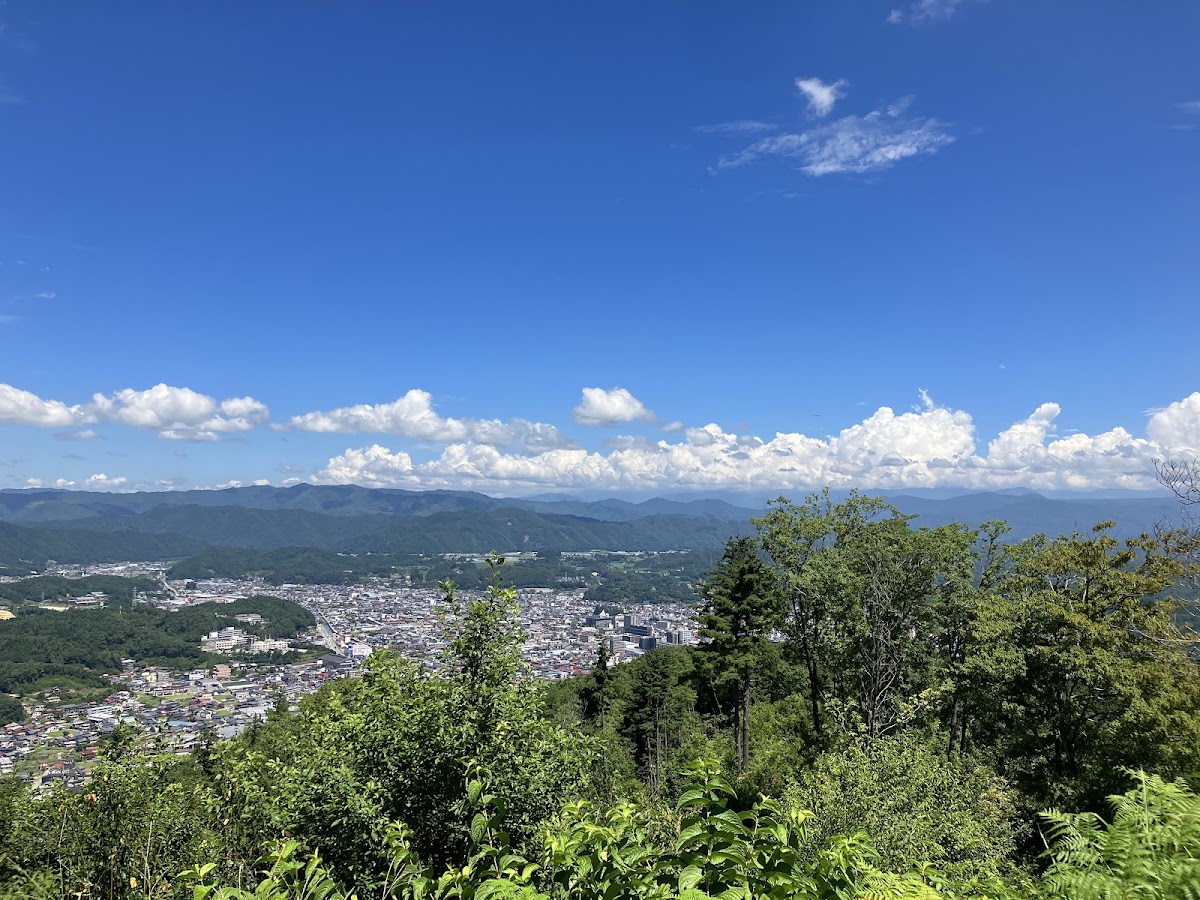
Etchu Matsukura Castle Ruins are preserved as a valuable cultural asset of Uozu City. The remains of the baileys on the mountaintop, dry moats, and flat areas are well-preserved, conveying the appearance of a mountain castle from the Sengoku period. Hiking mountain cherry blossoms bloom. From the mountaintop, visitors can enjoy panoramic views of Uozu city and Toyama Bay.
Information boards are installed on-site, allowing visitors to learn about the castle’s history and structure. However, as it is a mountain castle, preparation for hiking is necessary for a visit.
Current Status of Hida Matsukura Castle Ruins
Hida Matsukura Castle Ruins are designated as a national historic site and are preserved and managed by Takayama City. The remains of the all-stone walls are breathtaking, exuding an unparalleled sense of grandeur unmatched in the surrounding area. The layout of they main and outer bailey can be clearly identified, allowing visitors to observe the construction and structure of the stone walls up close.
Located southwest of Takayama city center, it is relatively easy to access. It is possible to enter the castle grounds on foot from the parking lot, making it relatively easy to visit for a mountain castle.
Efforts for Preservation and Utilization
At both castle ruins, local governments and preservation groups are working to preserve and utilize the remains. Regular grass cutting, maintenance of information boards, and upkeep of hiking trails are carried out, creating an environment where visitors can safely view the historic sites
Furthermore, it is also used as a site for local history education, serving as a subject for local history studies for elementary and junior high school students and fieldwork for history enthusiasts.
Visiting Matsukura Castle Guide: Access and Points to Note
Access to Etchu Matsukura Castle
Location: Uozu City, Toyama Prefecture
Transportation:
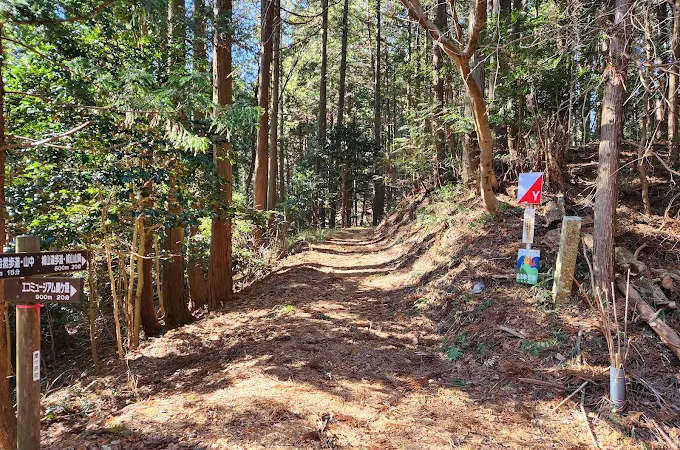
- Take a bus from JR Uozu Station and get off at the “Matsukura” bus stop. The summit is approximately a 60-minute walk from there.
- If traveling by private car, there is parking available near the trailhead.
Hiking Time: Approximately 60-90 minutes from the trailhead to the summit.
Points to Note:
- Confirm the layout of the five baileys and dry moats.
- Enjoy the view from the summit (Uozu city, Toyama Bay).
- Cherry blossoms in spring.
- Learn about the history from the information boards.
Notes:
- As it is a mountain castle, hiking boots and comfortable clothing are essential.
- Bring drinking water and snacks.
- Depending on the weather, you may need to cancel your hike.
Access to Hida Matsukura Castle
Location: Takayama City, Gifu Prefecture
Transportation:
- Approximately 30 minutes by car from JR 다카야마 역
- Parking available on the forest road leading south from Hida no Sato
Hiking Time: Approximately 15-30 minutes on foot from the parking lot to the castle grounds
Points of Interest:
- Remains of the entire stone wall
- Layout of the main keep, second keep, third keep, and outer bailey
- Unique feature: the highest-altitude stone wall castle in Japan
- Panoramic views overlooking various roads
Precautions:
- The stone wall is at risk of collapse, so be careful not to get too close
- Visiting is difficult in winter due to snow
- The forest road has narrow sections, so drive carefully
Access to Owari Matsukura Castle
Location: Kakamigahara City, Gifu Prefecture
Regarding Owari Matsukura Castle, currently, no clear remains exist, and the exact location of the castle site is difficult to determine. It is estimated to be in the Matsukura area of Kakamigahara City, but if you plan to visit, it is recommended to inqui beforehand.
Clothing and Items to Bring When Visiting
The following preparations are recommended for visiting Yamashiro Castle:
Clothing:
- Hiking boots or trekking shoes
- Comfortable long-sleeved shirt and long pants (to prevent insect bites)
- Hat
- Warm clothing and rain gear appropriate for the season
Items to bring:
- Drinking water (1 liter or more)
- Snacks and trail food
- Map or smartphone (with GPS function)
- Flashlight
- First-aid kit
- Camera (for recording)
Best season for visiting
Spring (April-May): Beautiful fresh greenery and mountain cherry blossoms, and mild weather
Autumn (October-November): Enjoy the autumn foliage, and the temperature is suitable for hiking
Summer (June-August): Many insects and hot weather, so early morning visits are recommended
Winter (December-March): Snow and ice make visits difficult or dangerous
Tourist spots around Matsukura Castle
Around Etchu Matsukura Castle
Uozu City: Uozu Aquarium, the coast where mirages can be seen, Uozu Buried Forest Museum, etc.
Toyama Bay: Numerous restaurants where you can enjoy fresh seafood
Tateyama Mountain Range: Views are possible from the Matsukura Castle ruins on clear days
Around Hida Matsukura Castle
Takayama City: Old townscape, Takayama Jinya (government office), morning market, etc.
Hida no Sato: An open-air museum where traditional gassho-zukuri houses have been relocated and preserved
Norikura-dake: A famous peak in the Northern Alps; accessible by shuttle bus in summer
Matsukura Castle and the Castle Culture of the Sengoku Period
The Role of Mountain Castles
During the Sengoku period, mountain castles served not only as military bases but also as symbols of the lord’s authority. Large-scale mountain castles like Matsukura Castle required enormous labor and resources for construction, and the ability to mobilize them demon
Gold Mines and Castle Management
In the case of Etchu Matsukura Castle, the existence of the Matsukura Gold Mine greatly contributed to the maintenance and expansion of the castle. During the Sengoku period, controlling gold and silver mines was a crucial economic foundation directly linked to strengthening military power. clan to hire mercenaries, purchase weapons, and strengthen the castle.
Development of Stone Wall Technology
The all-stone walls of Hida Matsukura Castle are a valuable example of the development of stone wall technology in the late 16th century. The introduction of stone walls, a new technology for the defensive structures of mountain castles that had previous fences, marked a significant turning point in the history of castle architecture.
Summary: Historical Value and Future Preservation of Matsukura Castle
The three castles known as Matsukura Castle are each valuable cultural assets that convey the history of the Sengoku period to the present day. Etchu Matsukura Castle served as the political and military center of eastern Etchu as the base of the Shiina clan Hida- stone-walled castle in Japan, symbolizes the ambitions of the Anegakoji clan; and Owari Matsukura Castle is a historical site that demonstrates the relationship between the Togashi and Oda clans. Each castle has its own unique historical significance.
Currently, these castle ruins are maintained by local governments and preservation groups, but due to their nature as mountain castles, damage to the remains from natural disasters and deterioration over time remains a challenge. Continued preservation efforts and the transmission of history to
Visiting Matsukura Castle is not merely sightseeing; it is a valuable experience that allows you to connect with the history of the Sengoku period and imagine the lives and battles of the people of that time. With proper preparation, why not visit these historical