
Sano Castle completion guide | History, light points, transportation and archaeological excavation
Is this Sano Castle?
Sano Castle (Japanese: Sano-jo, 罗马字: Sano-jo) is a fortress located in Wakamatsu-cho, Tochigi, Sano City. Also known as Kasugaoka Castle, Kasuga Castle, Ubagaki Castle and Asahi Castle. Sano Castle was built in 1602 by Sano Shinyuki, and is a modern castle fort, currently designated as a Sano City historical monument, and a scenic scenic area in the city of Shiroyama Park.
Yuyu’s convenient geographical location, distance from Sano Station, also known as “Car Station City”, is a scenic spot for people who love fortifications and Japanese history lovers, and transportation is very convenient. Sano Castle was constructed with a distance of approximately 56 meters, a high-rise area of approximately 20 meters on top of a mountain and a hill, and a unique fortification style, a distance of 500 meters from north to south, and a distance of 370 meters from east to west.
History of Sano Castle
Construction background and Nobuyuki Sano
Sano Castle was first built in 1602 (7th year of the Emperor’s reign), and immediately after the Battle of Hara. The builder, Nobuyuki Sano, was a samurai of the first rank, and the other Sano clan arrived at the ship, and their strength was extended to the early Edo period. The Sano clan was an ever-prominent family, and since its founding in the Heian period, it has lived in the Tang Dynasty Castle, but at the time of China, other commanders lived in hilly areas in the nearby plains.
Cause of Sano Castle to Tang Xishan Castle
关于Sano Castle to Tang Zeshan Castle to Sano Castle’s cause, existence method of explanation.
Ieyasu Tokugawa’s analytical theory
This is the most rational theory, and this is the decision made by Tokugawa Ieyasu after political consideration. The Tokugawa family expressed loyalty to Yuyu Sano Nobuyuki and the vassal clan, and to the Tokugawa family after the war. Due to the popularity of the people, the castle was built as a fort in the nearby plains, and was later submitted to the Tokugawa shogunate.
Rationale on the prohibition of nearing the river port
In order to understand the various principles, the Eiji shogunate’s ordinance prohibiting the use of commerce. In the area around Jiang Jiang, the mountain fortress was easily defended and attacked, and the shogunate was established, and the shogunate was encouraged to build a fort on the plain or on the hill of a low dwarf mountain.
Egyo Great Fire
The story of the victory of the most successful person and the Great Fire of Yu Jiang. One day, a big fire broke out in Jiangxu City, and the flames reached Tang Xishan City and Nonoshan Castle in the city. In the end, Sano Nobuyuki was defeated by Ieyasu. Ieyasu’s attack on the road: “Do you want to build a fort in the area overlooking the river? In this story, the truth of the matter is unspecified, but the flow is clear, and the position of conquering the mountain is superior to that of the castle, and it is a secret connection system of the castle.
Sano’s history and conclusion
Sano Nobuyuki passed away in 1614 (the 19th year of the Emperor’s reign), and Yuyu passed away, leaving the Sano family behind. After this, Sano Castle was once the direct domain of the Chengdu shogunate, and in 1634 (Ken’aga 11), Masamori Hotta lived here. However, the Horita clan was no longer employed, and after this, the shogunate established a magistrate’s office.
Sano Castle was the residence of feudal lords during the era of the Edo period, and was the seat of the shogunate. After the Meiji era, Sano Castle was built, most of the castle ponds were built, the castle mounds, the Fukujo River, the earthworks, etc. have all been preserved perfectly.
Sano Castle Organization Bureau
Features of the mountain wall castle
The layout style was Renkaku-shiki for Sano Castle. The castle fort has a straight line arrangement of castles, from South to North: the third castle, the second castle, the main castle and the north outer castle. Each castle fort has been cleared and separated from the city by river, and the fort has been comprehensively defended.
Layout of the main castle and each castle
Lord Castle
The main city wall is the highest fortress in the city, approximately 56 meters long, and the center of the fort. A bird’s-eye view of Sano City, including the owner’s castle, the owner’s residence, and other important installations.
Second castle wall
The second castle is located on the south side of the castle, which is an important defensive fortress of the castle. The commander of Ichijo Fukamasa’s castle, the castle of his lord, was separated, and the enemy’s invasion was effectively prevented.
Third Outer Fort
The third outer fort in the south is the main entrance to the fort. The area near the entrance to Jogian Seongsan Park is currently the third outer fort.
Kitatemaru
Kitatemaru, the owner of the castle, was on the north side of the castle, and the defense work was done by the troupe, and the enemy attacked from behind. An enemy from both the north and the south who could serve as a defense official at the same time.
Features of Kawajo Hijikata engineering process
Sano Castle’s most notable highlight is the spectacular view of each castle. The second outer fort of the main city, the depth of the castle river, and the development of advanced fort construction techniques at the time. As far as the castle river goes, it is still clearly visible, and is a must-visit place for castle lovers.
In addition to this, there is a lot of Hijikata process to hold around the castle. In this case, the land process is not effective, preventing enemy intrusion, and protecting the castle from internal and external attacks.
The change of water outside the castle river
Sano Castle had a river outside the castle (Water Castle River), but after the Meiji era, the city of Yuyu City was expanded and the land was changed, and most of the river outside the city was not present. Nowadays, we only have the ability to explore the terrain on the ancient land, but in the flourishing period, the fortifications have been established and the river has strengthened and the land has increased its defensive ability.
Ryoten Sanojo
Current Seongshan Park
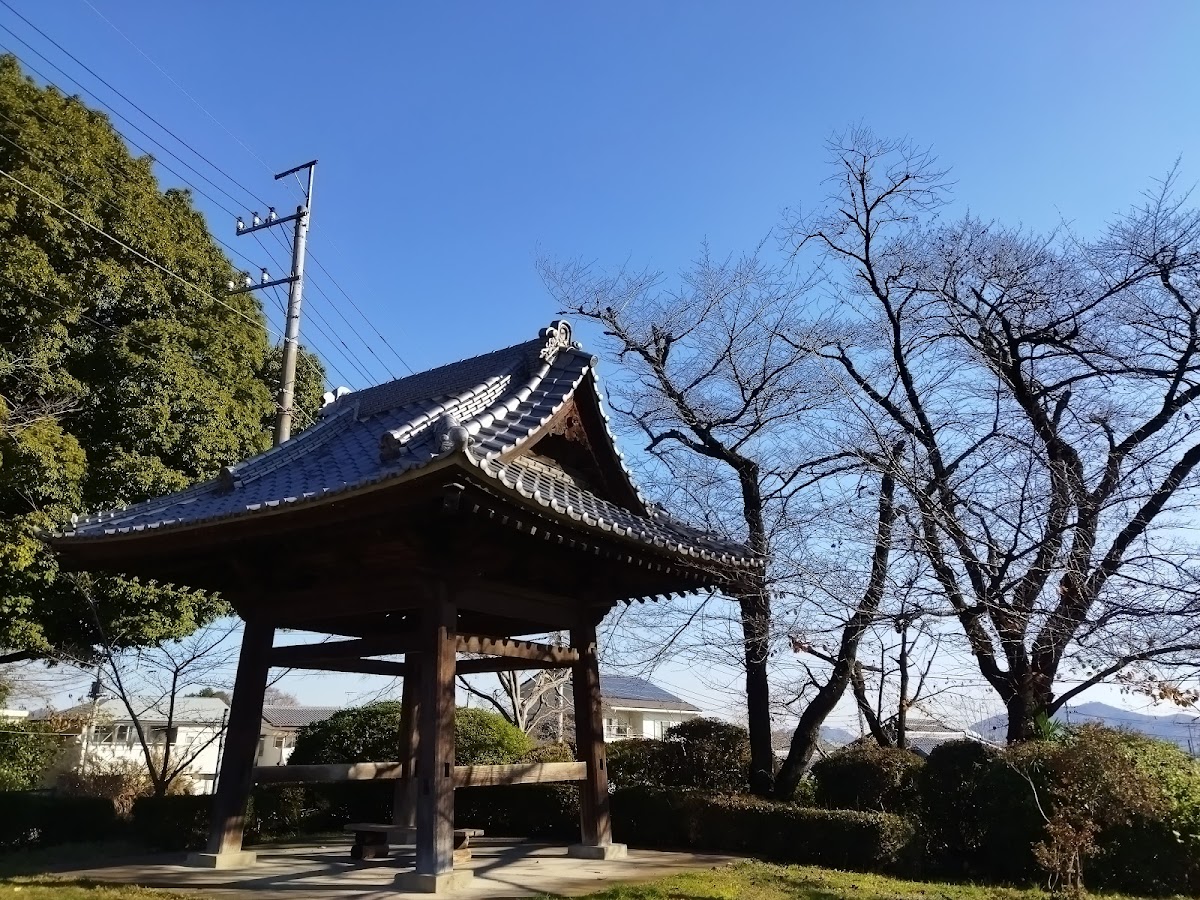
“Shiroyama Park” is a park located on the site of Sano Castle, a place for Chengdu citizens to relax and release pine trees. There are walking paths in the park, and the construction structure of the castle fort is open to visitors, and each part of the castle is visited by visitors. In spring, the maple blossoms bloom, and the land where the maple trees are won.
围墙和护城川聗迹
As you walk through the castle mountain park, you can clearly see the flat area of each hill and the river between the hills. Specially, the main temple is surrounded by the castle river, which is deep and perfectly preserved, and its original appearance is still preserved. Park management Shonai design information exhibition board, visitors can understand the history of Sano Castle.
Hijikata’s Hijikata process
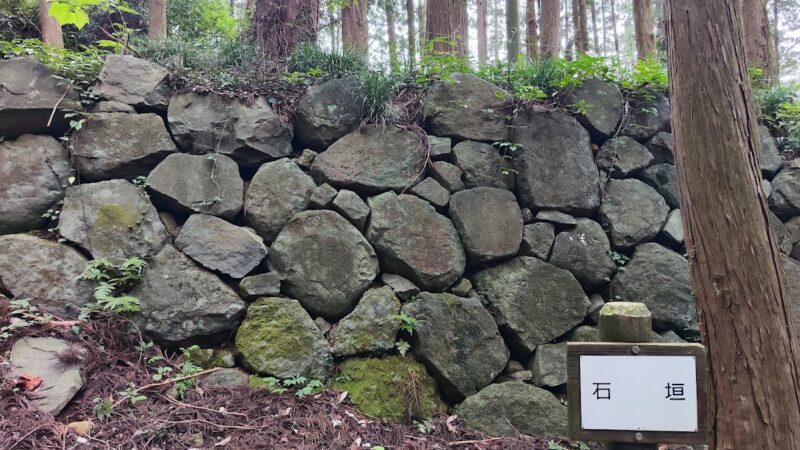
Each burial mound surrounding the capital is reserved for the construction process, and the construction process around the main burial mound is particularly advanced. Due to the small soil quality of the fort, it has endured hundreds of years of wind and snow erosion, and is still standing up to this day.At the time of its development, the fort construction technology was exquisite.
Yosano Yakushoji series
When Sano Castle was built, it was the site of the temple where the monks were buried. Nowadays, the temple is now called “Sano Yakushuji Temple” (Sano Romaji Temple), and every year during the New Year period, many believers come to visit the temple and perform the Roma ceremony.
This is interesting, and the main gate of Sano Castle was built by Sano Castle. The characteristics of the construction of the castle fort during the Edo period, the main gate was retained, and Sano Castle was one of the few surviving constructions. When I visited Sano Castle, I strongly recommended the former Sano Temple, and I also visited the castle gate after I built it.
Archaeological excavation and research results
Archaeological excavation
Multiple archaeological excavations have been carried out at the Sano Castle ruins. This research has provided many important information on the structure of the fortress, lifestyle and Japanese construction techniques.
The foundation stones, pottery, tiles, and metal utensils excavated from the excavation site provide information about the life of the fort in the early Jiang Dynasty, which we understand. This is an important proof that the fort was owned by the owner of the fort, and that the excavated tile fragments were the originals of the Sano clan and the Hotta clan.
Determining the structure of the castle fort
The exact pattern of Sano Castle has been determined. Sano Castle is approximately 500 meters long in the north and south, and approximately 370 meters in east and west, and is a medium-sized fort that was popular in the early Jiang Era period, but its various fortifications were confirmed to have a highly defensive design.
In addition, the height difference of each castle, the depth of the castle river, the detailed survey amount, and the topography at the time of heavy construction. This is a trivial study of Sano Castle itself, but it is also important to understand the construction techniques and equipment of the early Edo period.
Future research prospects
The Sano Castle ruins have not yet been explored, and more excavation operations will be carried out in the future. However, as the research progresses, the exact location of the castle town disappears, and the castle town becomes more popular.
Transportation and visitor information
Fire vehicle transportation
One of Sano Castle’s most attractive features is its convenient transportation. From Sano Station on JR Line or East Musano Line, it takes about 5 minutes to reach Shiroyama Park. When arriving at the Yuyu station, it is a straight line, and the first trip to the station is a maze.
Major train station transportation guide
- Departure from Tokyo: Take JR Ueno Tokyo Line 1 hour to Oyama Station, then take JR Line 30 minutes to Sano Station.
- Departure from Tochigi Station: 20 minutes from JR Station.
- Departs from Asakusa Station: 1:30 min. on Takeharu Sky Tower Line (special express train).
Driving and stopping
As soon as I got there, I left the Sano Fuji IC or Sano SA Smart IC on the North East Expressway, and it took about 10 minutes to get there by car. However, Shiroyama Park has a parking area, but the number of parking spaces is limited, and the number of seasonal changes available during the end of the period is limited. Under the current circumstances, we are constructing and using a parking lot near Sano Station.
Viewing time and precautions
Seongshan Park is usually open to the public and free of charge. However, Night Lighting Co., Ltd., so we are here to help you.
A leisurely stroll around the park takes 30 minutes to 1 hour. As you can see, the calculation will take more time to explore each temple, and take a look at the city’s Kawa Hijikata process, which will require minimal demand in 1 hour.
The park is in good condition, but there are some steps in the park. The shoes I wear are optional.
Zhoukan Scenic Spot
When visiting Sano Castle, here are some of the nearby scenic spots:
Sano Yakuya Daisho (Jouzoji Temple)
Yuichi Terauchi’s troupe was installed and moved to Sano Castle as a temple gate. It takes about 10 minutes to reach Usano Station.
Tanzaisan Castle Ruins
Kozayama Castle was the residence of the Sano clan before the construction of Sano Castle. It is one of the most beautiful mountain castles in the eastern part of the city, and its stone tombs and castle rivers are perfectly preserved. Usano Station can be reached immediately by 15 minutes by train.
Sano Oku Special Sales Center
As a gift, Sano Oku’s special gift is the ideal choice. Usano station can be reached immediately by car in approximately 10 minutes.
The charm of Sano Castle
The castle grounds of the production station Yukino Station, and the other side of the castle
Sano Castle is honored as a “castle in front of a train station”, and the Wuda castle fort in Japan is currently in ruins, with convenient transportation connections for the train station. It is possible to use the bicycle for a short sightseeing opportunity, and to take a short tour of the pine tree.
Sano Castle has a unique geographical location, with its unique flat topography, no need for mountainous terrain, no need to climb mountains, easy access to clear land, easy access to castle fortifications, as well as foreign forts and castle rivers, and Sano Castle has its own unique charm.
Examples of textbooks based on concentric circles
Sano Castle’s concentric circle-style castle grounds are clear and typical. A direct line of outer forts from South to North, divided outer forts from the city river to surrounding area, the basic elements of fortifications, clear land reservations, fortifications’ basic elements, mission development research and fort construction’s “curriculum style” examples.
Sano Castle is one of the best entrance destinations for beginners who are interested in the castle fortress industry.
Historical and cultural heritage of the district
Sano Castle is an indispensable cultural legacy of Sano City’s history. The history of the Sano clan can be traced back to the Heian period, from Tang Dynasty to Sano Castle, and back to the Edo period when it was the site of the shogunate.
The production is designated as a historical masterpiece in the city, and the Sano Castle ruins is a treasure trove of the historical heritage of Sano Castle.
Yukansano Castle Small Purchaser
Seasonal tour method
Spring (late March to early April)
Seongshan Park is a famous place to visit during the spring season. The beauty of the castle and the castle’s location are reflected in each other, and at the same time, the history of the castle and the beauty of nature are a perfect opportunity.
Summer (June to August)
During the summer of the envoy’s arrival, Ikuo and Onion’s park were also very suitable. Exploring the city’s fort in its natural environment, the people’s hearts are full of wonder.
Autumn (October-November)
Autumn-colored Masaaki, the castle fortress site where the five-color pattern is located. When I walked in a refreshing atmosphere, I felt a sense of improvement and a deep sense of history.
Winter season (December-February)
After the leaves fall in winter, it is the best time to see the castle fortifications (Ruto dike and castle river). As a result of thinking about the castle, the castle was built before the winter season.
Photographer
The following is a photo of the Sano Castle ruins:
- 护城川 between the main city and the second layer of the castle.
- View of the castle: A bird’s-eye view of Sano City.
- Earthen levees: Earthen levees in each area of the castle.
- The castle fortress site with maple flowers in spring: Beautiful scenery that brings seasonal talent to the blooming of maple flowers.
Castle fortress tour
Among people who love castle forts, “touring around castle forts” is very popular. Sano Castle is located in the “Old Castle Village”, etc., and is a guide to the fort’s tour. For reference, it is more than 500 places for castle owners (visitors), and for the purpose of self-discovery, Sano Castle’s charm.
Summary
Sano Castle Koreichiza was founded in 1602, and Hirahara Castle was built by Nobuyoshi Yusano. It is the site of a quaint castle fort, and its historical background is the original construction of Tang Xishan Castle. The construction of the fort during the early Jiangzhou period was preserved in a rare manner, and the outer fort was comprehensively constructed in one line.
Right in front of Sano Castle, the castle mountain park is conveniently located, convenient for transportation – 5 minutes walk from Sano Station – the castle fort in front of the bus station is very welcoming to the envoys. Sano Castle’s charm is present in all four seasons: spring sky is full of flowers, summer sky is naturally green, autumn sky is full of red leaves, and winter weather is bright and clear.
Sano Castle has multiple attractions, including the castle gate of Sano Temple, archaeological excavation results, and further works have described the local history, culture and heritage. When you visit Tochigi, you must visit the Sano Castle ruins, understand the appearance of the fort in the early Edo period, and understand the history of the Sano clan.
--765x450.png)