Kunou Castle History and Light Points Explained | Far Sea Country Famous Castles Explained
Kuno Castle was located in Shizu, Fukuroi City, and was an important plain castle pond during the war period. A bird’s-eye view of the East Coast’s strategic strategic points, which are the battlegrounds of the Imagawa, Tokugawa, and Takeda clans. Main text details: Kuno Castle’s history, construction details, and transportation methods after the light point.
Kuno Castle Summary | Basic information and overview
Kunojo (Japanese: 久ノ城, 罗马字: Kunojō) is a Japanese castle fortress in Shizutsu, Fukuroi City. Shunya also referred to as 为族王城, Shizunosu Castle. Kuno Castle is located on the JR Tokaido Line, Fukuroi Station, eastward, about 3 km north, and is a flat castle fort with a flat area, its main tower is 34 meters above the mountain.
The fort area is small, approximately 52,000 square meters, but has a unique V-shaped building and a separate structure. Kuno Castle was designated on October 1, 1979 (Showa 54) as a historic site in Fukuroi City, and comprehensive earthworks were carried out.
Yuzorō Kyoen Shrine, located within Yuzō Castle, also known as Kunō Castle. Yuyu’s strategic location was excellent, and it was an important transportation hub on the East Coast.Kuno Castle was an important military fortress during the war.
History of Kuno Castle | Construction begins
Construction history and Imagawa clan era
The construction of Kuno Castle was built during the reign of the Imagawa clan’s vassal Munetaka Kuno (1492-1501), when the Imagawa clan invaded the distant seas. At that time, the Imagawa clan’s demand for the construction of one area in the country was determined, and the force of the country in the distant sea was determined.
The Kuno clan’s original text was effective for local samurai of the Imagawa clan, and it played an important role in supporting the Imagawa clan’s conquest in the Far Sea countries. Kuno Castle is a strategic strategic point in the western part of the Far Sea, with a view to the east coast.
Change in the Yokuno clan
The year 1560 marked a major turning point in the life of the Kuno clan, when the Oke Narrows were established. Imagawa and Motoya Kuno passed away while serving as commanders. Another younger brother, Souichi Kuno, now the head of the family, and the decline of the Imagawa clan.
The Imagawa family was represented by the Tokugawa family. The Tokugawa family’s vassals ran on a new road in this work.
Takeda Shingen invades Kuno Castle defense
In 1572 (Volume 3 of Genki), Takeda Shingen invaded the Kai provinces. During the “Western Expedition” in this area, the Takeda Army attacked and occupied castles and ponds all over the Far Sea. Shiroya Kuno has reached Takeda Shingen’s attack, but the story has not yet fallen.
The successful defense of Kuno Castle was completed and the will of the defender of the castle was strong. However, the Takeda family’s control of the city’s fort was completed, but the details of the defense of Kuno Castle were not recorded.
Matsushita Yukiko’s construction and repair of Kuno Castle
After Kuno Soyoshi, Yukiko Matsushita was established as the lord of Kuno Castle, and the castle was built and repaired. Yukihiro Matsushita served Hideyoshi as a samurai during his childhood, and also served as a vassal advisor to Tokugawa Ieyasu.
As other repairs progressed, I strengthened Kuno Castle, and the envoys were further strengthened. Currently, there are many buildings and buildings in the city, but it is time for minor repairs.
废弃弃 and its consequences
With the arrival of the Edo period, Kuno Castle disappeared and the military was finally destroyed. However, it is not clear how long Kuno Castle was to be established, but it is believed that Tokugawa Ieyasu was in the Edo period after the war, and the castle was built during the Ikebukuro period.
After the arrival of the envoy, the castle ruins were preserved by the local residents, and are now perfectly preserved.
Kuno Castle Cloth Bureau
Features of Yamaka Castle
Kuno Castle is one troupe Kenyu Nori 34 rice small mountain top mountain castle. The mountain castle is a fortress on the plains and small mountains or a plateau; the mountain fortress in the mountains has been destroyed, and its defensive ability is also excellent.
The V-shaped layout of the city center, the ladder-like arrangement of the inner chamber, and the V-shaped dots of the main chamber. This type of cloth has high defense efficiency, maximum land use and finite terrain.
Honmaru and main hall
Honmaru is the central part of the castle fort, Usanbai, and is the most important defensive fortress within the castle. The main Maru overlooks the eastern plains of the Eastern Seaboard, which also has an important effect on visibility.
The surrounding area of the main enclosure was the Ninomaru Wasannomaru, and the lower level of the Sannomaru (currently the location of Hidetsu’s residence), the Wasinomaru, and other areas were arranged in separate stages. In this case, the area was separated from the castle and the river, forming a multi-level defense system, which led to enemy invasion.
Earth and Water Castle River Passage
The current envoy is here, and I can see that the castle is still there, but it is possible to see the land in the country’s time. This is the place where the enemy invades the land.
The city river is a culvert on the back of U-shan, and it is an important defensive construction, and the enemy’s attack is to prevent it from being used. As far as the history goes, I can clearly see it now, and I understand that it is the source of the treasure that was constructed during the war.
Kuno Castle Site and Tourist Route
Kamiyama Route and Mie Castle Outer Garden
When visiting Kuno Castle, you can choose to enter the castle along the Kamiyama Road. The most visible route is from the main castle outer gardens (honmaru) to the north, down the mountain, and then to the Mie Castle outer gardens (Mie Castle outer gardens).
The outer garden of Mie Castle is a large-scale castle tower, and the first line of defense is a castle fort. In the outer gardens of Mie Castle and its lower area, we looked at the area from a distance and looked at the construction of the earthworks and the layout outside the castle.
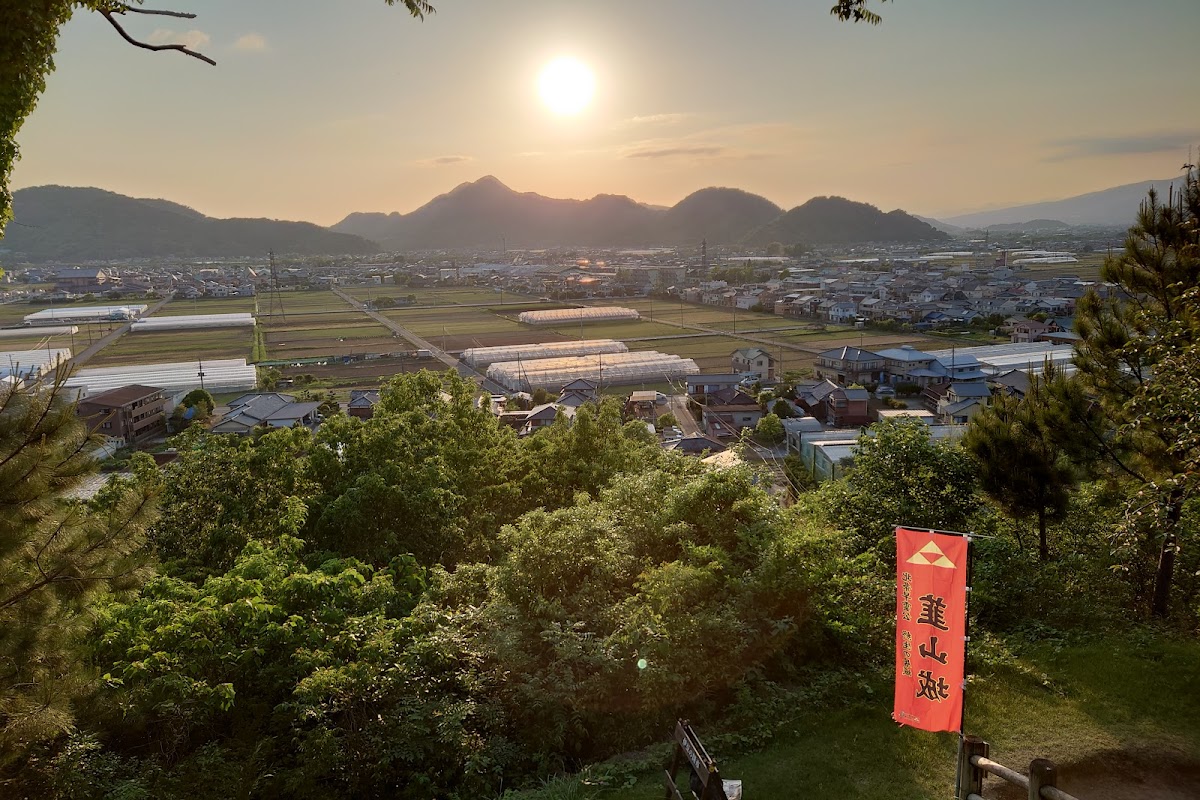
View of Yumoto Castle Gaien
A bird’s-eye view of Fukuroi City’s Waharianshu Plain from Yumoto Castle Outer Garden. I imagined a time when the country was at war, and the scene of the human military’s journey along the eastern seaboard, and the importance of military strategy on the fort.
In front of the main city, there is information about the construction of the fort, and the history of the fort is known.
Hidetsu Takutei Remains Kazu Nishinomaru (Nishinomaru)
Hideyue’s residence is confirmed to be a vassal’s residence, and has the function of living as a fortress. Nishinomaru is located on the west side of the castle, from above and below, and the three-dimensional structure of the fort is better understood.
When visiting, pay attention to the height and fall of each part of the castle, and help you understand the defense design of the citadel.
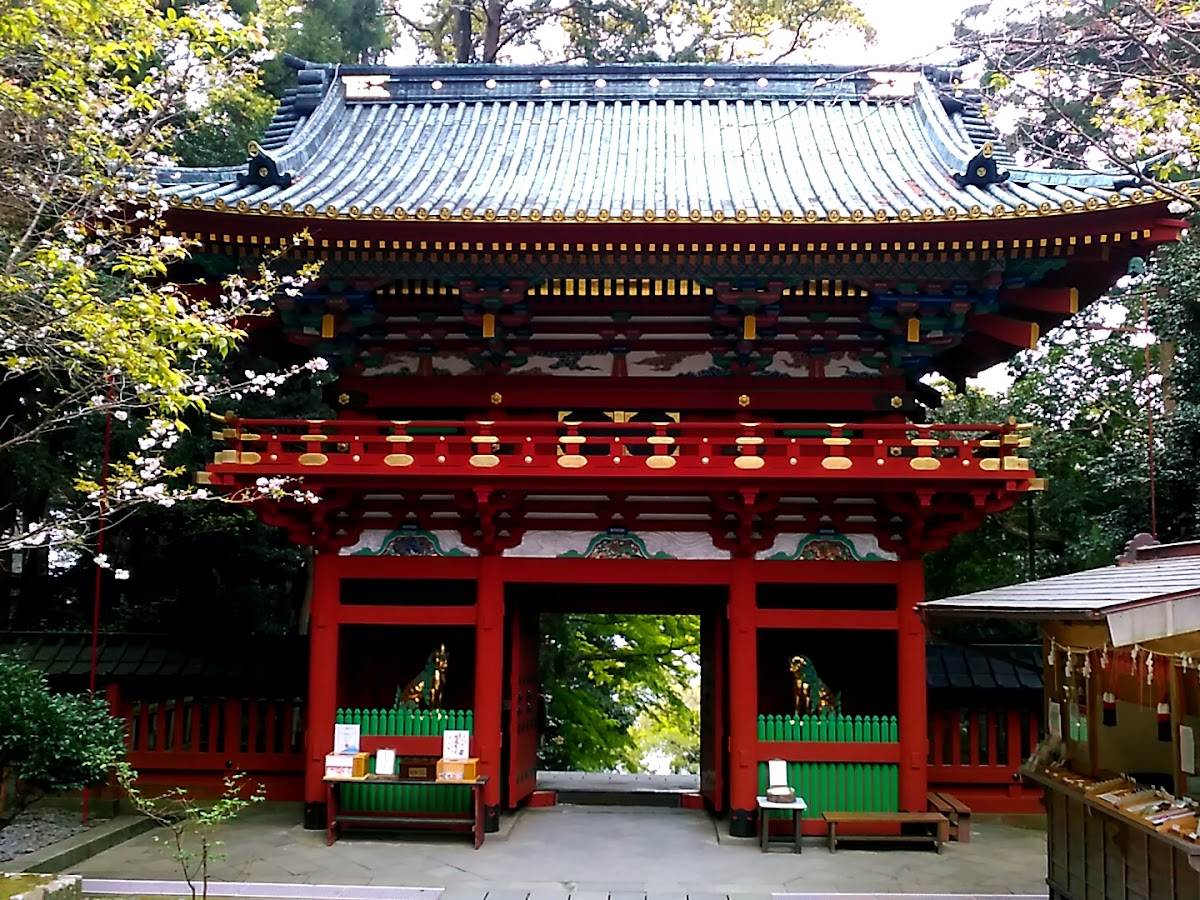
Kurao Kyoen Shrine
Kurao Kyoen Shrine is located inside Kuno Castle, which is also known as “Kurao Castle”. The shrine is now attracting many local believers, and the castle is not a historic site, but it is also an important cultural site in the area.
Kuno Castle and Far Sea Country during the time of war
Imagawa, Tokugawa, Takeda Three Kingdoms War
During the period of war, the Far Sea Province was the front line of the three major military exchanges: the Ikawa Imagawa clan, the Mikawa Tokugawa clan (Matsudaira clan), the Wakaikai Takeda clan. This is an important scene that was played during the Battle of the Three Kingdoms in Kuno Castle.
After the death of Imagawa, the Tokugawa family and the Takeda family were in intense conflict. The construction of Kuno Castle served as a stronghold for the Tokugawa family, and played an important role in the movement of the Takeda family to the west.
Strategic points on Tokaido
Kuno Castle is one of the most important locations on the East Coast, an important transportation hub for Ichijo. The East Coast is the most important road in the eastern part of Kyoto, and has an important status in the area of military establishment.
Restrictions on roads, access to restraints, military changes and transportation. Kuno Castle’s strategy position is to be able to take advantage of the Eastern Kaido, and the land offers a strategy for its strategy.
Kuno Castle protection activities
Fukuroi City Designated Historical Site
In 1979 (Showa 54), Kuno Castle was designated as an important cultural heritage site in Fukuroi City. The Yuyu Fortress site is in good condition and has been inspected as an important example for research on castle forts during the time of the Empire.
In front of us, we have a guide to the use of reclaimed land, a guide to the history of one building, an explanation board of the city board of education, a tourist guidebook, etc.
Japanese castle association hall
Kuno Castle site’s protection and utilization work has been advanced, and the Japanese castle association has been awarded. Nowadays, I remember thinking about the breadth of my life, and the pride of the local people.
This is a long-term affirmation of the local cultural relics preservation association and the citizens’ efforts to protect the future of the Kuno Castle ruins.
Castle Fortress Seal Release
In recent years, the castle fort has become hotter, and the castle fort seal has been released since the beginning of Kuno Castle. The seal of the castle fort is a souvenir of visiting the castle, and is a joy for those who love castle forts.
The Seal of Kuno Castle, a designated spot in Fukuroi City where visitors can visit, is a commemorative commemorative item for visitors to visit the castle fort.
Transportation and visitor information
Transportation method
Sitting fire car
- From JR East Coast Line “Fukuroi Station” towards North East direction approximately 3km
- Approximately 10 minutes from the taxi station
- It is also possible to go to the station in front of the person sitting in front of the station.
Running car
- Approximately 15 minutes from Tomei Expressway “Fukuroi IC”
- Providing free parking
Viewing time and precautions
Visit the Kuno Castle ruins, which is normally free of charge. However, please note the following items:
- Yuyu City Fortress located in Yu Shulin Middle School, wearing shoes suitable for walking.
- Summer construction and mosquito trap.
- Rainy weather and damp ground, please be careful and safe.
- Construction time: 30 minutes to 1 hour.
As a result of the collection of castle fort seals and detailed information, we have constructed a joint construction site in Fukui City (Opening hours: 9:00-17:00, Shuichi, closed on the first day and New Year’s holiday).
Earth map and surrounding information
The site of Kuno Castle is Shizutsu-cho, Fukui City. There are other sightseeing spots around the area, and you can explore the attractions of Fukui in more depth.
Close-up view point
- Kasui Lily Garden: A garden where you can enjoy flowers at any time.
- Akikano Yomoto Tenka Suihi: An eternal temple with a history of the troupe.
- Menorezan Yuzanji Temple: An ancient temple that is famous for its history.
How can you eliminate anxiety for a single day, and experience the history and culture of Fukui in the future?
Precautions for visiting Kuno Castle
Castle enthusiast’s way of exploring
When lovers of the castle fort came to China, they understood that Kuno Castle was the perfect place to construct the plains fort during the war. In the middle of the journey, the fort’s layout is similar to the one in the Hijikata process, and the outer fort’s layout is beyond the river.
At the same time, you should be careful when looking at Hijikata’s engineering skills and looking at the construction angle.
Historical walking guide
The history of Kuno Castle, the three great forces of the time of the country, and the decline and decline of the Imagawa clan, the Tokugawa clan, and the Takeda clan. Before visiting the castle fortress, I understood the history of Takeda Shingen’s westward expedition during the war, and the history of the history of Takeda Shingen’s westward expedition.
During the journey, the history of the life of the castle lords such as Kuno Sokichi and Matsushita Yukin, and the spirit of the era of the war when the sense of bowel function was achieved.
This is a natural walking method.
Kuno Castle Ruins has a rich natural scenery that surrounds the four surroundings, and visitors can enjoy the beautiful scenery that is different from season to season. The spring sky is green, the summer sky is full of green leaves, the autumn sky is full of green leaves, the winter sky is fresh and fresh, and each season the capital unfolds with a different look.
One way to look at birds or look at plants, one way to walk, it is also a fascinating way to feel the castle ruins.
Summary | The charm of Kuno Castle and its surroundings
Kuno Castle is an important flatland castle pond during the time of the war, and during the long period of defense, it was the main route to the east coast, and it was owned by the Imagawa clan and the Tokugawa clan. The castle fort was first built during the Ming Dynasty, was invaded by Takeda Shingen, and after that it was built and repaired, and the fort lasted about 100 years.
The castle fort is a perfect preservation monument, like the local construction and the outer fort, it is understood that the castle fort construction during the time of the war was the source of the treasure, and it was designated as Fukui City’s historical heritage, and it was carefully preserved. The protection of the castle forts and the use of the Japanese castle forts is a big deal, which is the arrogance of the local people.
The fort is 3 km away from JR Fukui station, convenient transportation, plenty of parking spaces, and an ideal place for excursions. A person who loves the history of a city that does not meet with other people, and a person who enjoys walking in harmony and nature.
Nearby scenic spots include Kasui Lily Park, Kasui Temple and Wayuzanji Temple, and the perfect starting point for the history and culture of Fukui. Walking through a quiet forest, feeling the country’s historical atmosphere, and experiencing a special experience from afar.
What was the ruins of Okuno Castle, the time of the war between the rich and the rich countries?